94 practitioners have an office in Arizona, and 109 more can see patients here by telehealth. 126 of them are certified by the Menopause Society, and the most are in Scottsdale, Tucson and Phoenix.
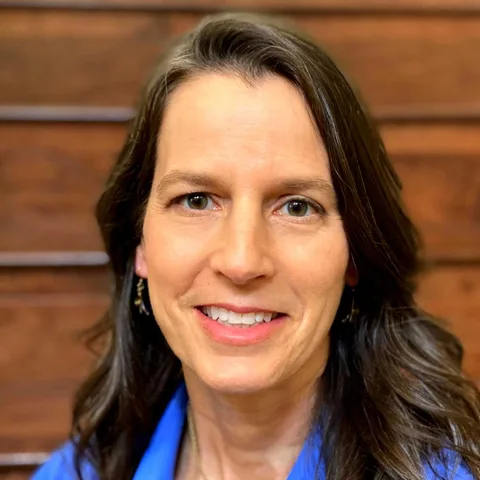
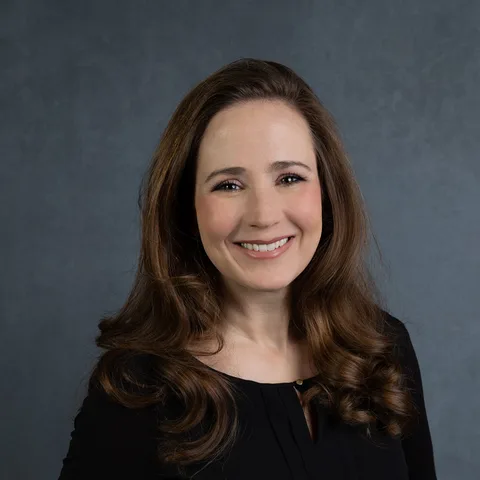
Dr. Lewis runs a solo virtual practice for Arizona residents, and every visit is by video or phone. She now takes new patients only with complex cases. That includes a breast cancer history or BRCA mutation, a clotting disorder, early menopause, a hysterectomy, or symptoms that pellets or compounded hormones did not fix. She prescribes FDA-approved bioidentical hormones and steers patients away from pellets, compounded creams and hormone level testing. She started out in community mental health and has extra training in reproductive psychiatry, so mood changes in perimenopause are a real focus. She is not a primary care doctor, and once treatment is stable your regular doctor usually takes over the prescriptions.
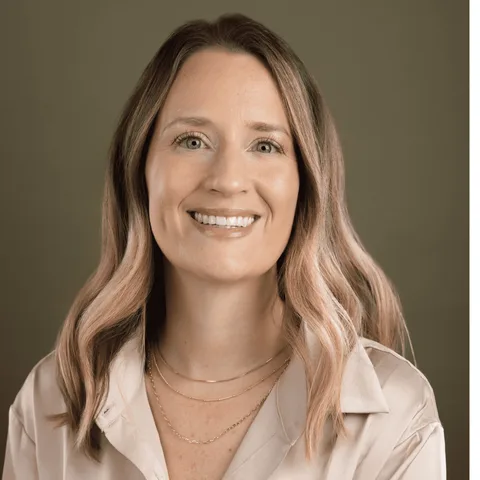
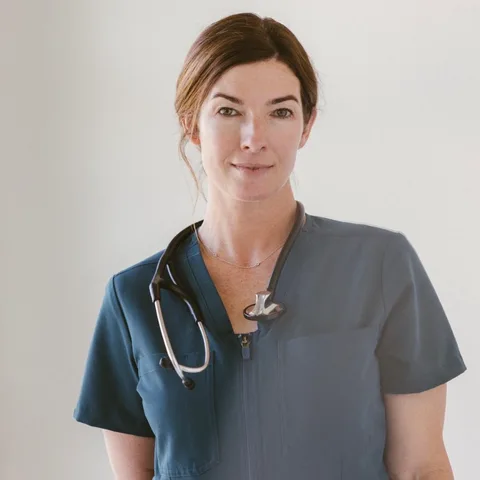
Nicole Fields runs a small telehealth-only primary care practice for adults in Arizona, and menopause and hormone care sits alongside wellness and medical weight loss. She spent six years as a hospital nurse before becoming a family nurse practitioner and has practiced family medicine since 2012. The first visit is a long video consult with a full history and a broad lab panel, and the lab review is part of that visit. She writes her own patient blog on topics like perimenopause, vaginal and urinary changes after menopause, and how hormone therapy differs from the pill. Her stated approach is to lay out every option, including what happens if you choose not to treat, and to respect a patient's choice even when it differs from her advice. You need to be in Arizona for visits, and new patients book online.
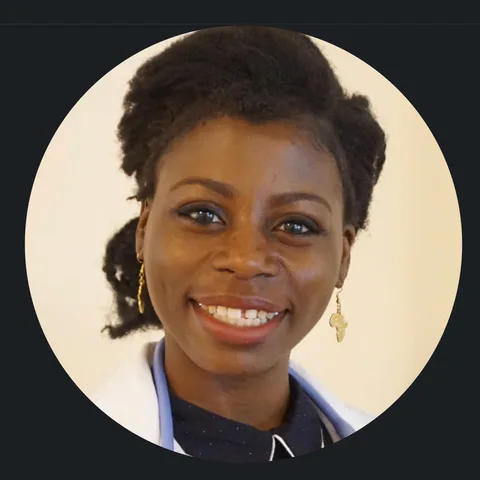
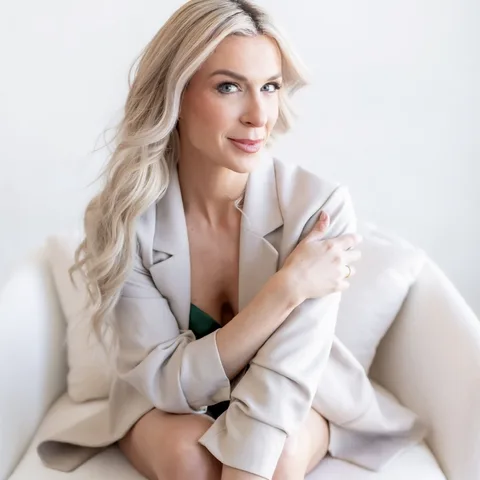
Why Wait Wellness is Staci Kilpatrick's own clinic, and she is the only provider on its schedule. Hormone care starts with a 90 minute visit and a full hormone panel that she reviews herself instead of sending a portal summary. Follow-ups run every three to six months, and visits can be in person or by video with the same 90 minute first appointment. She began as a cardiovascular surgery nurse before moving into preventive care, and she says she opened the practice because she kept meeting women who were told their symptoms were just part of getting older. Hormone care sits inside a wider wellness practice that also does medical weight loss with GLP-1 medications and laser skin treatments. She works in Tempe most of the week and at a Gilbert office on Thursdays.
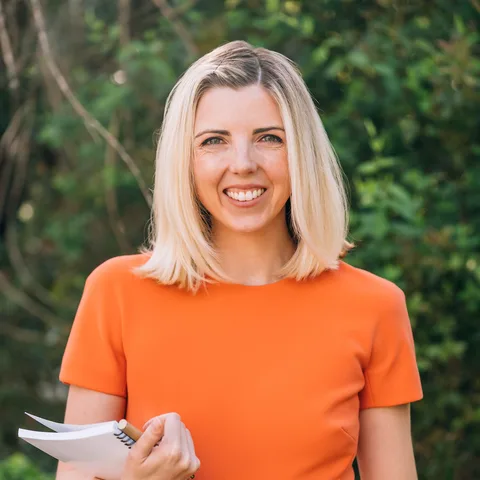
Jamie Gustafson is a psychiatric nurse practitioner and Menopause Society certified practitioner who works on her own. Most of her patients are adults in midlife dealing with anxiety, depression, insomnia or mood changes around perimenopause. Care starts with a free phone call and then a long first evaluation, in person in Scottsdale or by video. Hormone treatment and lab work are part of her psychiatric care rather than a stand-alone menopause service.
Integrative medicine · ND, LAc, FABNO, IFMCP, MSCP
Accepting new patients
Portland, OR · Online only
Self-pay · first visit $450
Dr. Martell runs a solo practice by video for women in Oregon, Washington, California and Arizona. She prescribes estrogen, progesterone and testosterone, and she also prescribes GLP-1 medications for women who want help with weight and metabolic health. New patients start with an hour-long consult and then book shorter follow-ups as needed. She is also trained as a naturopathic oncologist and sees many women during and after cancer treatment. She writes openly about her own Hashimoto's and osteopenia, and thyroid care is a regular part of her work. A free ten-minute phone call is offered before you book.
Kristine Groemping is a family nurse practitioner and former Navy officer who started out in labor and delivery nursing and later worked as a menopause specialist at Evernow. She founded this small cash-pay practice, which treats perimenopause and menopause along with weight management, thyroid conditions and low libido in women. She is openly against pellets, pricey supplements and frequent hormone lab testing, and follows Menopause Society guidelines for estrogen, progesterone and testosterone. Most care happens by video, with refills handled by video or secure message, and she also sees patients at an office in southwest Austin. New patients can request a first hormone, testosterone or weight consultation online, and the booking page also offers a free introductory call.
Takes Blue Cross Blue Shield, Cigna +8 · first visit $275
Toun Sogbein is a women's health nurse practitioner with Visana Health, a women's health practice that works entirely by video out of Minneapolis. She handles menopause and perimenopause along with the gynecological and sexual health problems that often sit alongside them, and she came to this work from public health clinics and a community health degree. First visits run 45 minutes, and patients stay with the same provider and can message the care team through the patient portal between visits. Visana's menopause care follows protocols written by Dr. Barbara Levy, and a patient can go the hormone route or a non-hormonal one after talking it through. Labs and imaging get ordered near home when they are needed, and optional health coaching covers food and exercise for anyone who wants that support. Many patients reach Visana through an employer or health plan, and the site has a start page where you look up yours.
Prévant Health is Erin Phamvan's own virtual practice, and every visit happens by video. It runs as a 12-month membership with a long first visit, quarterly follow-ups, and texting with Erin between visits. Menopause care is built around detailed lab work and shared decisions about hormones, alongside thyroid, heart and metabolic care. She is also trained in an Alzheimer's prevention program and folds brain-health risk into her plans. Although the mailing address is in Nashville, the practice currently sees patients only in a set of other states, and Tennessee is not one of them. You keep your own primary care provider for in-person exams and urgent needs.
Concierge Medicine of Minnesota is a membership practice in Apple Valley where Dr. Westmoreland is the only doctor. One annual fee covers office visits, video and phone appointments, and direct messaging with her, and she guarantees same or next-day scheduling. New patients start with a free meet and greet, then sign a membership agreement, and the staff gathers their old records before the first full exam. Menopause and perimenopause care is her own work, and she treats hormone therapy as one option to weigh against a patient's history rather than something she starts by default. The practice says it does not use compounded medications, citing thin scientific backing and possible risks. Women who would rather not join can pay for a single two-hour consultation with her instead, and members can have her come to the house for an extra fee.
Bold Wellness is Torrie Clontz's own virtual practice for women in midlife, run from Las Vegas and open to patients in about fifteen states. Care starts with a two visit intake that includes a wide blood panel drawn at a lab near you and a follow up to go through the results and set a plan. After that most patients stay on a monthly membership that covers prescription changes and messaging with her through the patient portal. Alongside hormone therapy she runs a weight and metabolic program using GLP-1 medication, and she adds functional tests such as gut, cortisol and vaginal microbiome panels when they fit. She is clear that she is not a primary care provider or an OB-GYN, so patients need to keep their own and see her for the hormone and midlife side. Her own hypermobile Ehlers-Danlos diagnosis, which came after a circus career ended in injury, is why she started the practice and she treats that alongside hormones.
Dr. Allison runs a small telemedicine practice for women in perimenopause and menopause. She spent 14 years as an emergency physician before moving into midlife women's care. She prescribes FDA approved hormone therapy and testosterone, and offers non-hormonal medicines for women who can't or won't take hormones. New patients fill out long history forms first, then have a 75 minute first visit and a short check-in two weeks later. She also covers bone health, breast cancer risk and prevention planning. She does not replace your primary care doctor or gynecologist, and she expects you to keep them.
Marissa runs a solo cash-pay telehealth practice based in Santa Fe and sees women from their mid-30s onward for perimenopause and menopause care anywhere in New Mexico. Care starts with an hour-long first visit and then shorter follow-ups every few months until treatment is stable, with portal messaging in between. She mostly prescribes FDA-approved bioidentical estradiol and progesterone that any local pharmacy can fill, and says most women will not need a compounding pharmacy. She does not order a standard lab panel for everyone and often decides on hormones from symptoms and history alone. She wants mammograms up to date before hormone therapy starts, and she also prescribes testosterone for low desire and non-hormonal options when hormones are not a fit.
Diana Kumar is a board certified OB-GYN who co-founded Gliss Wellness, a virtual practice built around perimenopause and menopause. All care happens by video and secure messaging, so there is no office to visit. A menopause visit runs about 30 minutes and ends with a plan and prescriptions for an initial three month period, followed by a check-in visit before refills continue for the rest of the year. She prescribes hormone therapy when it fits, can order labs and scans, and sends prescriptions to the patient's own pharmacy. She also sees women for weight counseling and for urgent gynecology problems handled through a short written form. Her stated areas of interest are PCOS, sexual dysfunction, bone health and longevity medicine.
Arcadia Women's Wellness is an insurance-based women's health practice in Phoenix, co-founded by two Menopause Society Certified nurse practitioners who worked together for almost a decade before opening it. Alongside perimenopause and menopause care it runs a full gynecology practice with well-woman visits, IUD placement and removal, endometrial biopsy, colposcopy, vulvar biopsy and in-office ultrasound, and it treats endometriosis, fibroids, PCOS and chronic vulvar skin conditions. Visits start with a conversation about symptoms, history and what the patient has already tried, and the practice deliberately walks patients through hormone terminology so they can choose. An optional membership adds after-hours provider messaging, longer and earlier or later appointments and priority scheduling, but is not required to be seen.
A solo nurse-practitioner practice treating women in perimenopause and menopause, plus weight and metabolic care, seen by telemedicine across Arizona with in-person visits in Tucson on Thursdays. Every patient starts with a 75-minute consultation preceded by a fasting lab panel, then chooses a time-bound program. One is six months of hormone care with four follow-ups. The other is a twelve-week medically supervised weight program. The hormone program includes the cost of estradiol, progesterone and testosterone shipped from a specialty pharmacy, and thyroid work where indicated. The practice does not provide primary care or gynecology, asks patients to keep their own doctor for those, and does not use pellets.
A board-certified family physician and Menopause Society Certified Practitioner running a direct primary care practice in Tempe for patients of any age, with a dedicated menopause and midlife service. Perimenopause and menopause care can be had either inside the monthly membership or as separately priced visits for non-members, alongside medical weight care and chronic disease management. Appointments run 30 to 60 minutes with direct phone, text and email access between visits, and a small in-office formulary means some medication is dispensed at the clinic. Visits are offered in English and Spanish.
Dr. Carol runs a small concierge practice for women in perimenopause and menopause, and she is going through midlife herself. She spent about 20 years as an emergency physician before turning to menopause care. Care starts with a free 30-minute video call. After that comes a package of two long visits, each 60 to 90 minutes, and you can message her between and after them. Visits can be at her Manhattan office, by video, or at your home or workplace. The visits look at symptom treatment along with bone, heart and breast cancer risk. She does not replace your own doctors, so you still need a primary care doctor and a gynecologist for exams and mammograms.
Dr. Bartlett Hackenmiller is a gynecologist who trained in integrative medicine under Andrew Weil and now sees menopause, menstrual, fertility and pelvic floor concerns. She works through MercyOne OB-Gyn in Waterloo and HonorHealth Integrative Medicine in Scottsdale, and she sees many patients by video. She prescribes bioidentical hormones and uses transdermal estrogen rather than pills. She also leans on herbs, diet and mind-body work, and she has written about helping women who can't take hormones. She is a clinical herbalist and a certified forest therapy guide, and her own life, including raising a son with autism and losing her first husband to cancer, shapes how she practices.
Midlife Wellness is a small virtual practice that only treats women in perimenopause and menopause, plus those with premature ovarian insufficiency. Stacy is one of its two nurse practitioners and spent more than ten years in intensive care before moving into internal medicine and then reproductive health. Care starts with an hour-long new patient visit, and shorter follow-ups are used to adjust treatment over time. The practice prescribes FDA-approved hormones only, testosterone gel among them, and follows Menopause Society guidelines. It also treats midlife hair loss and offers non-hormonal prescriptions for women who can't or don't want to take hormones. The founders started it after feeling rushed and brushed off at their own doctors' offices.
Jackie Stone, MD sees women entirely by telehealth, in a practice she runs alone. She is board certified in obstetrics and gynecology and in obesity medicine, and treats perimenopause, menopause and primary ovarian insufficiency alongside PCOS, genitourinary symptoms, sexual wellness, and skin and hair changes. First visits run a full hour and cover past records, labs and a treatment plan. Ongoing care is by monthly membership or visit by visit, with direct messaging for members.
Dr. Harris is a gynecologist who runs a small concierge-style practice in Newport Beach centered on bioidentical hormones. She is a strong believer in hormone pellets and has used them for more than twenty years, though she also offers other bioidentical options. Care starts with a one-on-one consultation and hormone testing. The practice also runs a weight program built around GLP-1 medication alongside hormone balance. It treats men as well as women and offers aesthetic and PRP procedures, so hormones are one part of a wider anti-aging menu.
Kristen Loose is the menopause specialist at Dr. Gina Mantor's medical spa and weight clinic in Westerville, where the rest of the practice focuses on aesthetics and weight loss. She treats perimenopause and menopause with standard hormone therapy, and offers non-hormonal prescriptions and lifestyle advice to women who can't or would rather not take hormones. The first consultation is free and happens by video. After that she sees patients in the office on Wednesdays and Saturdays or by appointment. She follows Menopause Society guidance closely and writes on the clinic's site that soy and black cohosh don't hold up for hot flashes.
Ann Boss sees women in perimenopause and menopause at an office in Torrance and by video. Care comes as three yearly programs that differ mainly in how often you see her, from four visits a year with ongoing messaging to two visits with limited messaging. She prescribes hormone therapy and testosterone, and she also manages GLP-1 medication for weight. She specifically helps women move off hormone pellets onto FDA-approved hormone therapy. Her video visits run through the Heather Hirsch Collaborative, and she teaches seasonal Menopause 101 classes through Torrance Memorial. New patients start with the booking form on her site, and a scheduler follows up.
Dr. Heavens is a family physician who runs a primary care practice in Tempe through the MDVIP membership model. Members get same or next day appointments and can reach him around the clock. His menopause care centers on Biote hormone pellets, and the practice also does routine gynecology, weight loss medication and cosmetic injectables. New insurance patients are asked to name him as their primary care doctor with their insurer before the first visit.