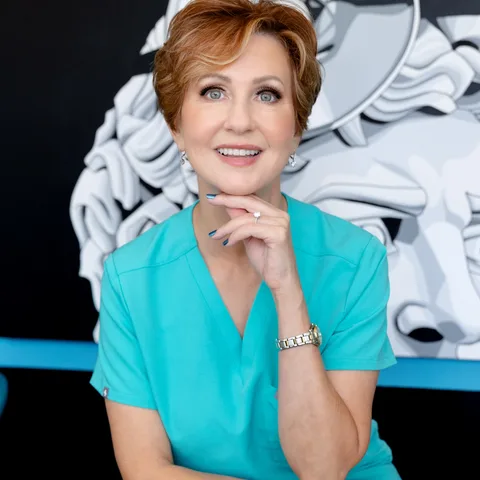
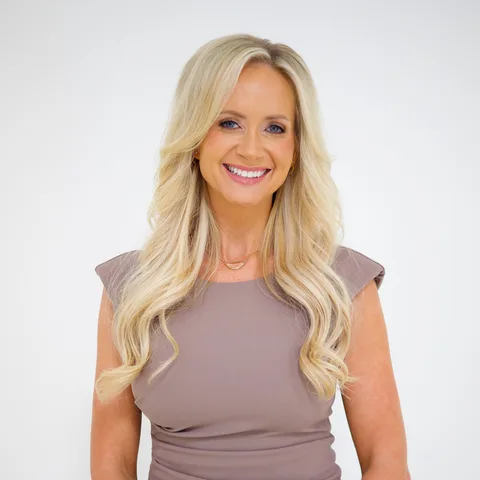
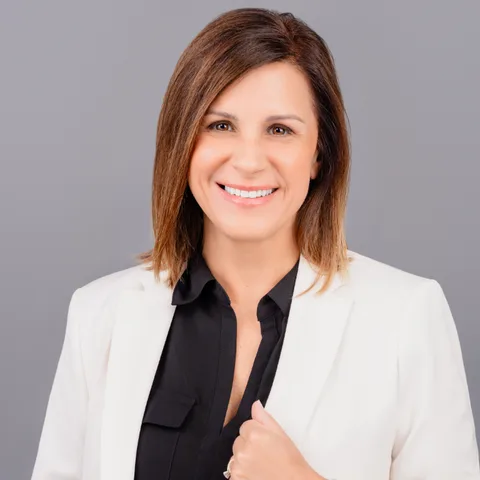
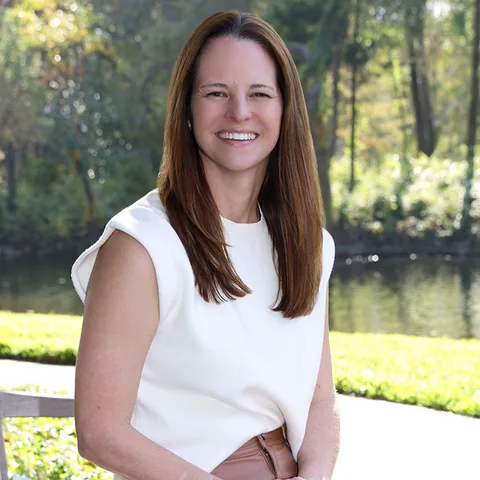
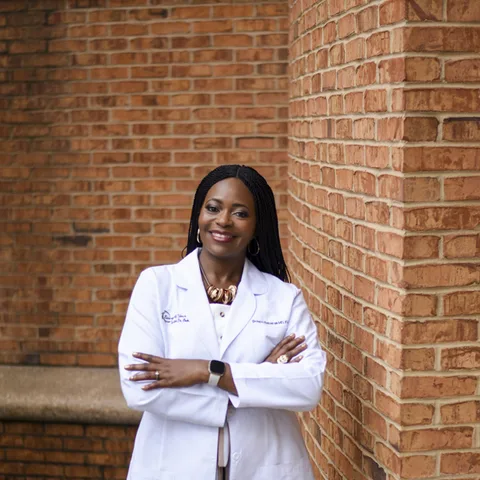
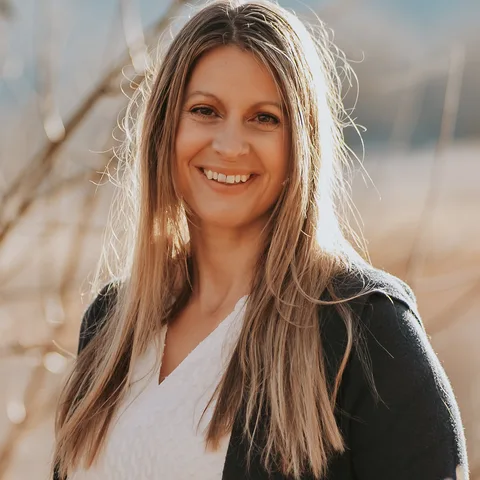
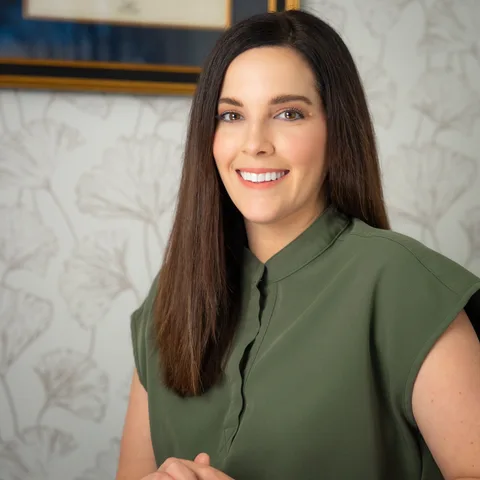
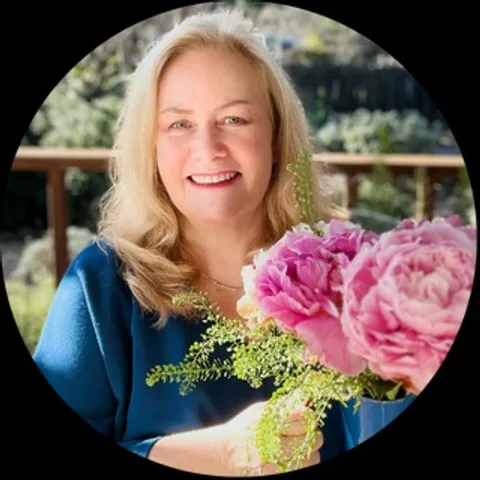
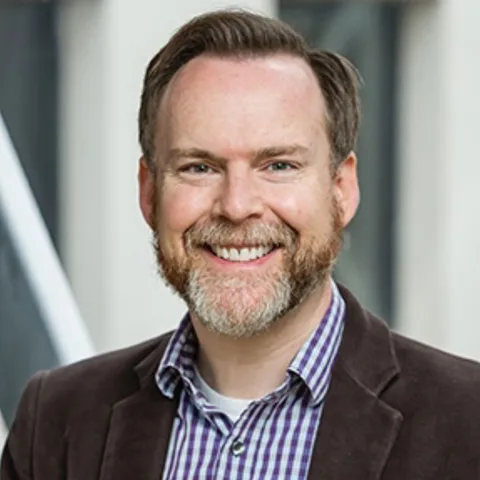
Karen Buckalew founded Boutiq Medical Clinic in Orlando in 2020 and is the only clinician there, seeing patients in person. Menopause care runs as three set programs rather than ordinary visits. Each starts with a symptom questionnaire and a hormone and wellness lab panel that is included in the price, and the consultation comes about two weeks later once results are back. The shortest program is evaluation only with no prescriptions, while the two longer ones add prescription hormone therapy, monthly follow-ups and messaging through the patient portal. She prescribes bioidentical estrogen, progesterone and testosterone as creams, patches, pellets or injections, and says she prioritizes FDA-approved products where possible. Her site says hormone therapy is not recommended for women with a history of hormone-sensitive breast or uterine cancer, blood clots or stroke, and the clinic is also a med spa where she spent 13 years as an aesthetic injector, so lasers and skin treatments are built into the same plan as the hormone care.
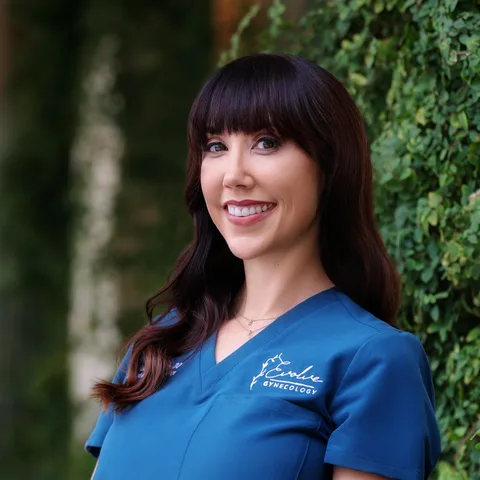
Evolve Gynecology is a small concierge gynecology practice in Las Vegas founded by Dr. Hodges-Wills, who grew up in the city. It no longer bills insurance for visits. Most patients join a monthly membership that covers unlimited visits, 30-minute appointments and texting her directly, though you can also pay per visit. Menopause is one of her two main interests alongside teen gynecology, and she prescribes evidence-based hormone therapy when it suits the patient. She also runs a separate membership for women going through or past breast or gynecologic cancer, with hormonal and non-hormonal symptom care. She sees patients in the office Monday to Thursday, and members can have their quarterly check-ins by video.
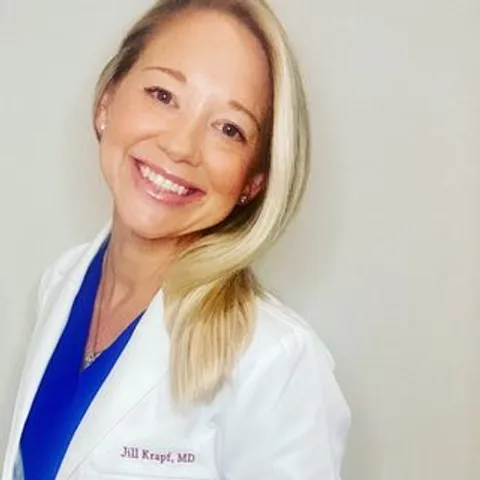
Dr. Krapf runs her own gynecology practice in South Tampa focused on vulvar and pelvic pain, vulvar skin conditions such as lichen sclerosus, recurrent vaginitis and menopause. She spent several years as an associate director at a Washington DC center devoted to vulvar pain before opening the Tampa office in 2023. Her site puts menopause alongside vulvar pain and skin conditions, so she is a natural fit for women whose menopause symptoms show up as painful sex or vulvar discomfort. She co-wrote the book When Sex Hurts and helps edit a medical textbook on female sexual pain. New patients start by emailing the office to request a consult, and her former DC patients can continue with her in Tampa.
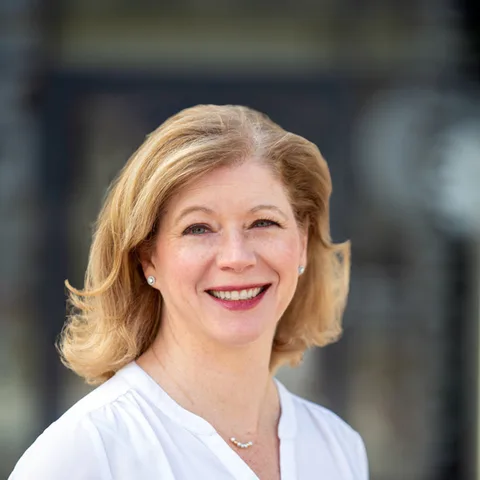
Relish Health is Dr. Leazenby's solo functional medicine practice in Carmel, just north of Indianapolis. She sees adults 18 and over, including men, and her hormone work covers women in pre-menopause, perimenopause and menopause, including hormone replacement therapy. You can come as a pay-as-you-go patient if you already have a primary care doctor, or join her direct primary care membership for unlimited in-person or video visits and portal messaging. First visits run about 90 minutes and follow-ups about 45, and she reads through your history and records before you meet, so intake forms are due three days ahead. Blood is not drawn in the office, so she gives you a lab order to take to a facility in your own insurance network. She trained as a natural food chef as well as a physician and runs cooking and health classes on topics like reflux and blood pressure, and her obesity medicine fellowship means weight and metabolic health come up alongside hormones.
Brittany Stanley runs Vellvé on her own as a telehealth practice for women in perimenopause and menopause across Texas. Care starts with a full lab panel and a written health history, both done before the first visit, followed by a 60-minute session to go over the results. Patients who continue move into a twelve-week program with four visits and messaging in between, then a monthly membership. She prescribes bioidentical estrogen, progesterone and testosterone when they fit, along with vaginal estrogen, vaginal DHEA and GLP-1 medications. She spent more than fifteen years as a neonatal intensive care nurse practitioner before retraining as a family nurse practitioner specifically to open this practice. The practice was not yet open when checked, and new patients could only join a waitlist.
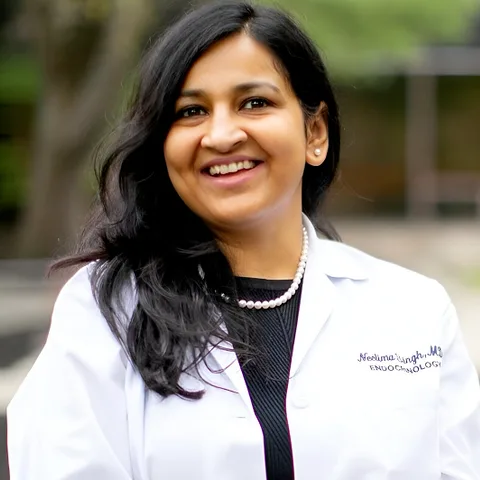
EndoHarmony is Dr. Singh's solo direct-care endocrinology practice, run on a membership or fee-for-service basis with a deliberately small panel. She caps it at roughly 300 patients rather than the 3,000 of a traditional clinic. Menopause care sits inside a broader endocrine practice, so menopause management with hormone replacement therapy runs alongside thyroid disease, osteoporosis and bone density screening, PCOS, lipid disorders, diabetes and medically supervised weight management. Most visits are virtual, with in-person days on Fridays at the Westborough office and Thursdays by appointment at a second Natick location. New patients start with a short video meet-and-greet before registering, and members get sixty to a hundred and twenty minute appointments, unlimited secure messaging and round-the-clock outreach for urgent concerns.
Takes Aetna, Blue Cross Blue Shield +2 · first visit $200
Aspire Mental Health is Stephanie Arotin's own psychiatric practice in Indiana County, and menopause care sits alongside the mental health work rather than replacing it. She is board certified as both a psychiatric mental health nurse practitioner and a family nurse practitioner, which is how a mental health office ends up prescribing FDA approved hormone therapy. Her menopause page is aimed at women whose hot flashes, night sweats, brain fog and mood changes are tangled up with hormonal shifts. A first visit runs about an hour and follow ups are half an hour, with medication, nutritional supplements and lab results reviewed along the way. She asks that initial evaluations happen in person even though later visits can be virtual, and the online booking tool lets a new patient pick hormone replacement therapy as the reason for the visit. She also offers genetic testing to gauge how a patient is likely to respond to psychiatric medications.
Dr. McClure runs a small cash-pay gynecology practice in north Dallas focused on perimenopause, menopause, vulvovaginal conditions and sexual medicine. She practiced general obstetrics and gynecology from 2007 and moved to gynecology only in 2019 to concentrate on these problems. Visits are long, with an hour for the first appointment and 45 minutes for follow-ups. The first visit has to be in person, and after that telehealth is possible for patients located in Texas. She is a vulvovaginal specialist who treats lichen sclerosus, recurrent vaginal infections and vulvar pain, so she suits women whose menopause symptoms include genital pain or sexual problems other doctors have not solved. She does not handle fibroids, heavy periods, IUDs or abnormal Pap follow-up, so you still need a regular gynecologist for those.
Dr. Babalola runs a solo membership practice in Marietta where patients pay a monthly fee that covers office visits with no copays, and new members commit to at least three months. She taught family medicine at Morehouse School of Medicine for more than 15 years and finished as a professor before opening this practice in 2023. Menopause care starts with food, sleep, stress and movement, and she will talk through hormone therapy and its risks and benefits when it fits. She is also board certified in obesity and lifestyle medicine, so weight change around menopause is treated as part of the same problem and she prescribes weight medication when it is warranted. She caps her panel at about 500 to 600 patients and answers texts and emails herself instead of routing them to staff. The office is open Thursday and Friday and she works virtually the other days, and anyone can book a free meet and greet before deciding to join.
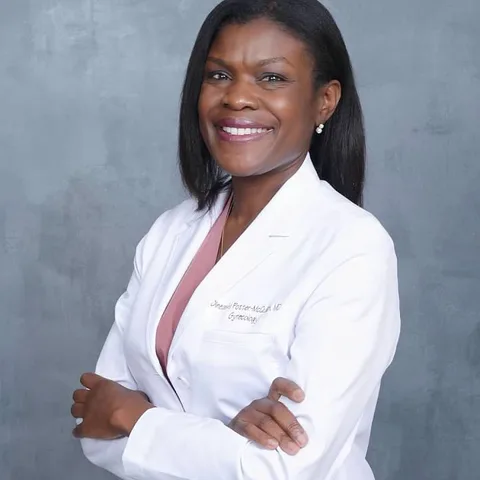
Dr. Potter-McQuilkin founded and runs Lavish, a small cash-pay practice in Hoboken for women in midlife. Care starts with a long first consultation of 60 to 90 minutes, either in person on a Tuesday or by video. Every visit after that is by telehealth. Her plans can include hormonal and non-hormonal treatment along with advice on sleep, nutrition and sexual health. She has a background in sexual medicine and also treats incontinence and pelvic floor problems. Women who want closer support can join a six-month menopause membership with monthly visits, which she caps at 75 patients.
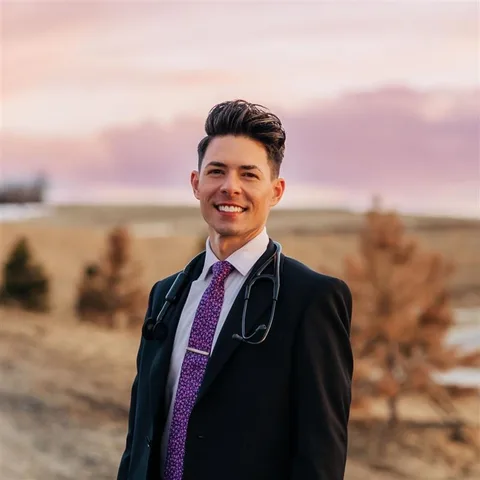
John Waters co-founded The Cove, a small concierge primary care practice in Castle Rock, with Dr. Aaron Block, who is also Menopause Society certified. The two run the menopause service together and describe themselves as a physician and nurse practitioner team. Care starts with a free meet and greet, and members then get office visits, same-day appointments and direct phone and email access to their provider. For hormones they use both FDA-approved and bioidentical options with ongoing monitoring, and they also look at bone, heart and metabolic health in midlife. Visits are mostly in person, with video visits offered only in some cases. John has practiced since 2009 with a focus on adult and older-adult medicine and LGBTQ+ care, and he leans on humor with patients.
Melissa Lopez runs Montana Hormone Clinic in Billings on her own, treating women in perimenopause and menopause along with some men. Care starts with a short visit for fasting labs and a body composition scan, followed a week later by a 90-minute visit to build the plan. Most patients then follow a six-month program with check-ins about every six weeks before moving to a maintenance membership. She uses adjustable bioidentical estrogen, progesterone and testosterone, sometimes adds thyroid support, and does not use pellets. She also treats surgical menopause, premature ovarian insufficiency and women with a history of breast cancer. She has been through menopause herself and worked in labor and delivery before focusing on midlife hormones.
Lyons Health and Wellness is a small clinic in the Colorado foothills town Megan Foreman comes from, and she started it after leaving corporate healthcare. It is a primary care practice as well as a hormone practice, so the clinician treating your perimenopause also manages things like thyroid and cholesterol. A first visit covers your history along with sleep, food and exercise, and labs are ordered at the end so the results can be gone over at the follow-up. The clinic prefers Biote pellets and explains why it favors them over daily creams and pills, though patches, tablets and creams are options, and it uses compounding pharmacies when a dose needs to be precise. Prescriptions go to the pharmacy you choose instead of being sold in the office, and hormone care does not require a membership. Before opening the clinic Foreman ran the disordered eating team at CU Boulder, and the practice does weight and metabolic care alongside hormones.
Jordan Potts is a nurse practitioner who left conventional primary care and opened this practice after going through perimenopause herself. Care starts with an in-person consult and a broad lab panel. A second visit a week or so later goes over the results and a written plan. Most patients then join a 12-week program with check-ins about every four weeks, and later a cheaper maintenance plan. She prescribes estradiol, progesterone, testosterone and thyroid hormone, and she does not offer pellets. The practice is not meant to replace your regular doctor or gynecologist, and it also has a counselor on staff and a second office in Chandler on Tuesdays.
Ashley Winter is a urologist and sexual medicine specialist at Dr. Rachel Rubin's practice, seeing patients in Pasadena inside a pelvic physical therapy center. She treats perimenopause and menopause with hormone therapy and prescribes testosterone for women as well as men. She speaks out often for vaginal estrogen to protect the urinary tract, so she is a strong fit when recurrent UTIs, dryness or painful sex are part of the picture. New patient visits run an hour and a half to two hours, and follow-ups can be done by video. New patients join an interest list first, and the wait for her Los Angeles area schedule is shorter than for the practice's Maryland office. The practice prescribes FDA-approved treatments unless no approved option exists.
Heidi Biegel is a nurse-midwife who runs a telehealth-only menopause practice for women in California and Maine. Care starts with a free 15-minute video call, then a first visit of up to 90 minutes after you fill out a detailed health questionnaire. A shorter follow-up goes over your lab results and sets a written treatment plan, which can include bioidentical hormone therapy alongside diet, exercise and supplement advice. She trained in integrative and functional medicine but calls herself a skeptic who wants to see the evidence and avoids piling on expensive tests and supplements. She works alongside your own doctors, so you still need a primary care provider or gynecologist for pap smears and exams. She also runs a separate weight loss program for midlife women that can include medication.
Haven Center is Dr. Babb's own cash-pay practice in Tulsa, focused on sexual medicine, vulvovaginal conditions and hormone therapy. He is a gynecologist best known for treating vaginismus and is one of only four doctors trained in the Pacik Botox method. Hormone therapy is based on each patient's goals, lab results and current society guidelines, and he also treats early ovarian insufficiency, genitourinary symptoms of menopause and hormone-related weight gain. New patients start with a long in-person visit, and follow-ups can be in person or by video. Out-of-state patients can book a short video consultation first, but he cannot diagnose or prescribe at that visit. Many patients travel from other states and countries, and the clinic partners with a medical lodging service for visitors.
Dr. Zhang is an internist who runs a direct primary care practice in East Providence with one other physician. Each doctor caps the panel at 300 patients, so visits run 30 to 60 minutes and members can reach him by phone, text or video. He trained in urology before moving to internal medicine, and he is also board certified in lifestyle medicine. His menopause care is part of general adult primary care, with a strong lean toward nutrition and plant-based eating. He can do ultrasound right in the office, and virtual visits are available.
Pausitive Women's Care is a small membership practice in Rockledge for women in midlife. Everyone starts with a 60 minute new patient consultation, and after that visit patients can join the monthly care plan, which covers follow-ups in person or by video, direct texting with the office, lab review and hormone therapy adjustments. Ashleigh Auth sees patients at the Rockledge office and by telemedicine anywhere in Florida. She came to this work through OBGYN, urogynecology and reproductive endocrinology, and she speaks at national conferences on menopause and sexual health. Alongside hormone care the practice handles well woman exams, painful sex and pelvic pain, weight management and referrals for preventive screening. A second physician assistant also sees midlife patients there, and her own next openings can be months out.
Dr. Kostacos is an internist who runs a small concierge primary care practice in Horsham, affiliated with the Ms.Medicine network. She sees adult women and men, and menopause and hormone therapy are part of her everyday care rather than a separate clinic. Members get unhurried visits with her and can reach her directly by phone or email at any hour. People who don't want a membership can book a single extended consult about one concern, such as a second opinion on menopause symptoms. She is also board certified in obesity medicine and writes that there is no five year cutoff for hormone therapy, only a yearly check on whether it still makes sense. New patients start with a meet and greet visit, and some visits can be done by video.
Dr. Ward-Selinger runs a small solo micropractice in Bend where visits run long and she handles most questions herself. She prescribes menopause hormone therapy including estrogen, progesterone and testosterone, using both standard pharmacy products and compounded hormones. She also inserts estrogen and testosterone pellets every few months, but only after a full new patient visit. For women who can't take hormones she offers herbal options. She is trained in Holistic Pelvic Care for chronic pelvic pain, removes skin tags and moles in the office, and speaks Spanish. Visits are in person or by video, and new patients can book a free 10 minute phone call first.
Live Oak is a San Angelo clinic that grew out of men's testosterone work and now runs a women's hormone side alongside it. Tiffany Nunez handles the female bioidentical hormone program there, working with estradiol, progesterone, testosterone, thyroid and DHEA, and she also does medical weight loss and skin treatments. She came to this after more than a decade as a nurse practitioner in pulmonology, family practice and palliative care. The clinic has published its reasoning for refusing hormone pellets, arguing the dose cannot be adjusted once they are in and repeat insertions leave scar tissue, so it uses injections, creams, oral options and troches instead. Her monthly hormone program bundles the medication, follow up labs and visits, with messaging access to her in between. You can book a first women's hormone visit with her through the online scheduler, either in person or by video anywhere in Texas.
Dr. DiGirolamo is a reproductive endocrinologist who spent a decade as a fertility specialist at Boston IVF before opening this virtual practice. She sees women from their first periods through menopause, with a focus on active women and athletes, and she manages perimenopause, menopause and hormone therapy. Care starts with a 50-minute Zoom consultation after an intake questionnaire, followed by shorter video follow-ups. Visits are video only, and a medical visit is only possible if you are calling in from a state where she is licensed. She is also a CrossFit trainer and nutrition coach, and she builds care on exercise and nutrition first, adding medication as needed. She does not provide primary care and recommends you keep your own primary care doctor.
Takes Blue Cross Blue Shield, UnitedHealthcare · first visit $450
Brooke Bina is a nurse-midwife who runs a small practice focused only on perimenopause and menopause, with evidence-based hormone therapy at its center. She sees patients by video anywhere in Oregon or North Dakota, and in person at Alma Midwifery's clinic in Portland. The first visit is a long one that covers your full history, a plan, prescriptions and any labs or imaging. After that you can book a regular follow-up or a short visit for a single question like a refill. Her symptom list goes well past hot flashes and includes frozen shoulder, tinnitus, burning mouth and recurrent urinary infections. She does not see anyone enrolled in Medicare, including Medicare Advantage.