192 practitioners have an office in Michigan, and 76 more can see patients here by telehealth. 194 of them are certified by the Menopause Society, and the most are in Grand Rapids, Ann Arbor and Holland.
Dr. Nielsen is a family-medicine physician practicing integrative and functional medicine, seeing patients entirely by secure video visit throughout Michigan. She is explicit that she works as a physician consultant rather than a primary care doctor, with no primary care, urgent care or after-hours services, and is happy to communicate with a patient's own physician. Menopause and perimenopause care is one of three main service lines alongside thyroid optimization and gut health, with hormone therapy decisions framed around symptoms, targeted laboratory testing and personal risk factors. Initial consultations run 45 to 60 minutes after a detailed health history, and plans typically combine advanced testing with nutrition, supplements and prescriptions.
Dr. West runs The TelePause, a video-only menopause practice for women who are in Michigan at the time of the visit. The first visit is a full hour covering your history, baseline labs and an honest talk about the risks and benefits of hormone therapy, and treatment can start that same day. After that you either book follow-ups one at a time or join a six-month membership with longer visits and monthly check-ins through the patient portal. She uses FDA-approved estrogen, progesterone and testosterone, and has non-hormonal medicines for women who can't or won't take hormones. She grew up in a family that distrusted doctors and once planned to become a naturopath, and she is openly critical of both dismissive doctors and the wellness supplement trade. A free 15-minute call is available first if you want to see whether she's a fit.
Takes Aetna, Blue Cross Blue Shield +4 · first visit $150
MyMenopauseRx is a virtual menopause practice founded by a gynecologist, and Krantz is one of about a dozen clinicians a patient can pick from. Visits are video appointments of about thirty minutes, and most patients come back every eight to twelve weeks until their symptoms settle. She prescribes FDA-approved estradiol and progesterone rather than compounded hormones, and the practice is clear that it works alongside a patient's own primary care doctor rather than replacing it. Testosterone is written only for patients located in Illinois, and everyone else gets the prescription from their own doctor while the practice manages the dosing. Krantz has practiced for more than thirty years in university, HMO, community health and telehealth settings, and she completed the integrative medicine fellowship at the University of Arizona with training in medical acupuncture. She works from Oregon and says she has aged alongside her patients, which is how menopause care became her emphasis.
Dr. Binno is an OB-GYN who is also board certified in obesity medicine. That means weight change in perimenopause is something she treats herself, including with GLP-1 medication when a patient qualifies. Most care is by video, with in-person visits one day a week in Carlsbad. First visits run up to an hour and start from the patient's history, symptoms and recent labs. She supports compounded hormones for reasons like an allergy, but says her experience with them is limited, and she does not prescribe pellets. She will see women who already have an OB-GYN, and she leaves exams and mammograms to their local doctors.
Takes Blue Cross Blue Shield, Cigna +8 · first visit $275
Toun Sogbein is a women's health nurse practitioner with Visana Health, a women's health practice that works entirely by video out of Minneapolis. She handles menopause and perimenopause along with the gynecological and sexual health problems that often sit alongside them, and she came to this work from public health clinics and a community health degree. First visits run 45 minutes, and patients stay with the same provider and can message the care team through the patient portal between visits. Visana's menopause care follows protocols written by Dr. Barbara Levy, and a patient can go the hormone route or a non-hormonal one after talking it through. Labs and imaging get ordered near home when they are needed, and optional health coaching covers food and exercise for anyone who wants that support. Many patients reach Visana through an employer or health plan, and the site has a start page where you look up yours.
Dr. Bonza is a family physician who runs a small menopause and perimenopause practice in Upper Arlington, seeing women in person or by video. Care starts with a broad lab panel ordered before you meet, then a 50-minute visit to go through the results and build a plan. The one consultation fee covers a full year of follow-up, including text access to her through a patient portal, repeat labs and medication changes. She prescribes FDA-approved hormone therapy and also treats with testosterone, thyroid support and weight medication for women who qualify. She came to this work after her own symptoms in her 40s were brushed off by other doctors. She does not act as a primary care doctor, so you keep your own for everything else.
Lisa Hurley is the menopause clinician inside Fulcrum, a Chicago plastic surgery and med spa practice, and she runs its hormone care herself. Care starts with an hour-long consultation that includes a blood draw, and labs are required before she prescribes anything. She prescribes estrogen as patches, pills, vaginal estrogen and injections, along with progesterone and testosterone, and the clinic also places hormone pellets. Her earlier work in emergency medicine and rheumatology shows in how she looks at fatigue, inflammation and weight together rather than one symptom at a time. Visits are in person at the Belmont Avenue office, and virtual consultations with her are also available. The practice does not bill insurance for visits.
Diana Kumar is a board certified OB-GYN who co-founded Gliss Wellness, a virtual practice built around perimenopause and menopause. All care happens by video and secure messaging, so there is no office to visit. A menopause visit runs about 30 minutes and ends with a plan and prescriptions for an initial three month period, followed by a check-in visit before refills continue for the rest of the year. She prescribes hormone therapy when it fits, can order labs and scans, and sends prescriptions to the patient's own pharmacy. She also sees women for weight counseling and for urgent gynecology problems handled through a short written form. Her stated areas of interest are PCOS, sexual dysfunction, bone health and longevity medicine.
Rose MD Aesthetics is a physician-run med spa in Troy where hormone care sits alongside lasers, injectables and medical weight loss. Dr. Mahmood is the medical director and a certified Biote provider, and he treats menopause in women and andropause in men. Care starts with a consultation and full bloodwork rather than a prescription, and the doctors read hormone levels next to thyroid and metabolic markers before anything is prescribed. Hormones are compounded to each prescription and given as pellets placed under the skin near the hip, or as creams, patches and capsules, with follow-up labs to fine tune the dose. The practice runs a women's wellness and intimate health program that includes a laser treatment for stress urinary incontinence, always performed by one of the physicians. He says his own struggle with weight after residency is what turned him toward this kind of medicine.
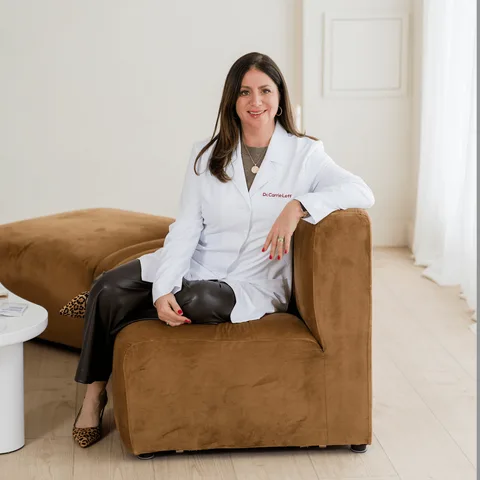
Carrie Leff is an internist who runs a small membership practice for women in midlife. She combines menopause care with full primary care, so most patients don't need a separate gynecologist for routine exams and pap smears. Members pay a yearly fee that covers an intake, an annual wellness exam and up to 12 more visits a year, in person or by video. She offers hormone therapy and non-hormonal options for hot flashes, sleep and mood, and also treats sexual pain and low libido. She has a particular interest in breast cancer risk assessment and in caring for women after breast cancer. Places are capped, and a first-come waitlist starts once the practice is full.
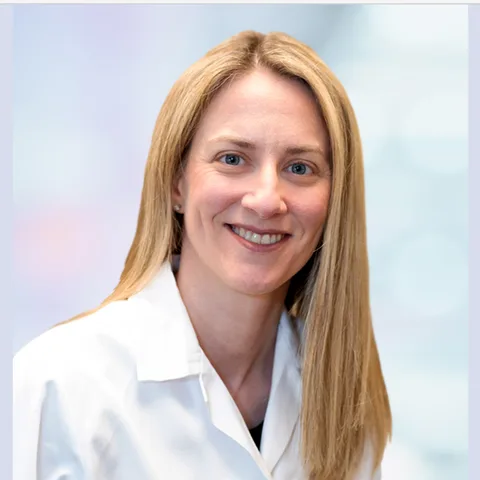
Women's Health Consultants is a Novi OB-GYN office and one of a dozen practices in the UWH of Michigan group. Eight doctors work out of the Novi location, and Dr. Kaplan is one of them. Menopause care sits alongside pregnancy, surgery and routine gynecology rather than running as its own program, so the same office covers everything from teen visits through postmenopause. The group's menopause page goes through hormone therapy and non-hormonal prescription options and says the right choice depends on your history and risk factors, and it treats bone and heart health as part of midlife care. Mammography and bone density testing are done in the office rather than sent out. Kaplan taught residents at Providence Hospital and was named teacher of the year twice, and she names alternatives to hysterectomy as one of her main interests.
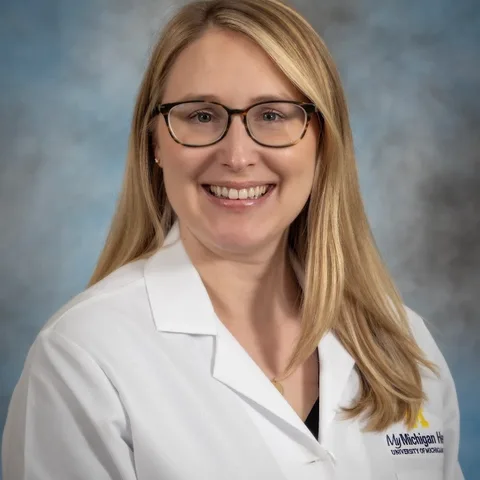
Dr. Van De Velde is a gynecologist with MyMichigan Gynecology in Midland, part of the MyMichigan Medical Center system. She lists menopause and perimenopause management as one of her clinical interests alongside abnormal bleeding, contraception and fertility evaluation. She is also a minimally invasive and robotic surgeon, so she can handle surgical problems like fibroids or hysterectomy in the same practice if they come up. Visits are in person at the Campus Ridge office, and she is licensed to see Florida patients by telehealth. Her profile says she is welcoming new patients, and current patients can message or book through MyChart.
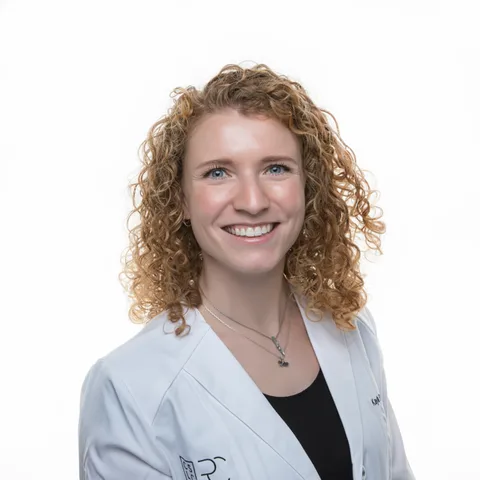
Kayla is the physician assistant at RegenCen's Chelsea office, which she staffs alongside the group's founding physician, and she sees patients from Chelsea, Dexter, Manchester and the rest of western Washtenaw County. Care starts with a consultation and lab work, then a bioidentical estrogen, progesterone and testosterone plan that gets rechecked and adjusted as the labs change. She went straight into regenerative and hormone medicine after PA school, and she says she wants testosterone therapy for women to become far easier to find, because most women are only offered estrogen and progesterone. The hormone pellets RegenCen is known for are inserted at its Traverse City and Petoskey offices rather than in Chelsea. The same office also does weight loss with GLP-1 medicines, PRF injections for thinning hair and joint pain, and device treatments for bladder leakage and vaginal comfort. She uses PRF on herself and shows patients her own before and after photos.
Dr. Carol runs a small concierge practice for women in perimenopause and menopause, and she is going through midlife herself. She spent about 20 years as an emergency physician before turning to menopause care. Care starts with a free 30-minute video call. After that comes a package of two long visits, each 60 to 90 minutes, and you can message her between and after them. Visits can be at her Manhattan office, by video, or at your home or workplace. The visits look at symptom treatment along with bone, heart and breast cancer risk. She does not replace your own doctors, so you still need a primary care doctor and a gynecologist for exams and mammograms.
Dr. Sadaf runs a small concierge gynecology practice in Chappaqua focused on menopause and sexual health. Patients join through an annual membership, which buys longer unhurried visits and direct email access to her. She manages menopause hormone therapy in person and by video for women in New York and Michigan, and the office also does procedures like endometrial biopsies and in-house blood draws. She is a fellow of the International Society for the Study of Women's Sexual Health, so painful sex, low desire and pelvic floor pain get as much attention as hot flashes. She also hosts The Muslim Sex Podcast and talks openly about how culture shapes women's intimate lives. New patients can start with a free 15-minute video meet and greet.
Jackie Stone, MD sees women entirely by telehealth, in a practice she runs alone. She is board certified in obstetrics and gynecology and in obesity medicine, and treats perimenopause, menopause and primary ovarian insufficiency alongside PCOS, genitourinary symptoms, sexual wellness, and skin and hair changes. First visits run a full hour and cover past records, labs and a treatment plan. Ongoing care is by monthly membership or visit by visit, with direct messaging for members.
Dr. Rimar is an internist who founded The Mighty Midlife, a small concierge practice focused on perimenopause and menopause. She prescribes hormone therapy using bioidentical or synthetic hormones, or a mix of both. She also offers longer wellness consultations with optional lab work that cover nutrition, supplements and mental health alongside hormones. Visits can be in person or by telehealth. Her site speaks directly to women who just feel not like themselves even without classic hot flashes. There is no online booking, so new patients start by emailing or calling the practice.
Therapy for Midlife is Dr. Rashkis's solo virtual practice, and every session runs over video. She works with women moving through perimenopause and menopause, and she also sees men in midlife and couples. Care is talk therapy only, and the FAQ says the practice does not prescribe medication, though she will discuss a referral to a prescribing physician and can speak with your own doctor if you give written permission. For menopause she uses cognitive behavioral therapy for the distress that comes with hot flashes and CBT for insomnia for sleep trouble, alongside acceptance and commitment therapy and emotionally focused therapy. Sessions are 50 minutes, usually weekly at first and then spaced further apart, and she says most clients need five to fifteen of them. She is a lifelong competitive athlete who says she went through her own midlife upheaval, which is what led her to start the practice.
A solo direct-pay practice in Lone Tree whose stated scope is dermatology, cosmetic procedures and medically supervised weight management. The physician is board certified in dermatology and obesity medicine. Every initial visit is by video, with in-person follow-ups by appointment, and the practice does not bill insurance. Hormone replacement therapy is named only as one reason for a new-patient visit on the fee schedule, and no hormone or menopause care is described anywhere else on the site.
RegenCen is a hormone and regenerative medicine group with more than twenty offices across Michigan and Florida, and Amanda is its chief clinical operations officer as well as a treating PA. Care starts with a consultation and a full history, then a lab order, and you come back to go over the results before hormones are started. They use bioidentical estrogen and testosterone in pellet, gel, cream, oral and vaginal forms, and they recheck labs every three to four months. The practice is openly in favor of pellets and describes the insertion as a quick office procedure that lasts about three months for women. Amanda also trains and certifies the group's other clinicians in hormone care, so her name sits behind the protocols as well as the exam room. Alongside hormones the offices do medical weight loss with GLP-1 medicines, hair restoration injections, and device treatments for bladder leakage and vaginal comfort.
Dr. Schisler runs a direct primary care practice in Bay City, the town she was born and raised in. She spent seventeen years in a traditional insurance-based practice before switching to a monthly membership in 2023. Members get unlimited office visits and can reach her directly by text, email, phone or video chat. Hormone therapy for perimenopause and menopause is one of her stated interests, alongside fitness, nutrition and preventive medicine, and she took Dr. Heather Hirsch's course on prescribing and managing it. She still looks after the whole family, from children to seniors, so menopause care sits inside general primary care rather than in a separate program. New patients enroll online or by phone, and she or her staff call to set up a meet and greet before the first appointment.
Dr. Brode is a board certified urologist who gave up surgery and now runs her own virtual practice for women in perimenopause and menopause, and she sees men for sexual health too. Visits happen by video, and she takes patients in Michigan, New York and Texas. New patients can start with a short introductory call that is only a conversation about whether she is a fit, with no diagnosis or prescribing. Her hormone care stays with FDA approved therapy, and a visit covers sleep, mood, stress and daily life as much as medication. Her urology background shows in what she treats, including bladder leaks, urgency, waking at night to urinate and repeat UTIs alongside vaginal dryness and painful sex. She says going through perimenopause herself showed her how little she and other clinicians had been told about the options, and she went on to take extra training in menopause care.
Kelly Strawser is a certified nurse midwife at Henry Ford Women's Health in Royal Oak, and her profile names her a Menopause Society Certified Practitioner. Henry Ford says its certified nurse midwives care for women from puberty through menopause, and menopausal care is one of the services they list. The midwives treat menopause as a normal life stage rather than a medical problem, and they work alongside the gynecologists and obstetricians in the same group. Hormone therapy is offered and matched to a woman's own risk profile, with estrogen available as a gel, pill, patch, ring or vaginal cream. Henry Ford cautions that custom compounded hormones are not tested for purity or safety and points women to regulated products instead. Menopause is one of the reasons a patient can be seen by video visit through the Henry Ford patient portal.
Zuli Direct Care is a two physician direct primary care practice in Mishawaka that serves South Bend and the surrounding area. Members pay a monthly fee that covers unlimited visits, and they can reach their own doctor by phone, text or email. Dr. Bajuyo is a family physician who is also certified by the Menopause Society, and the practice lists menopause, perimenopause and other hormonal concerns among the things it treats. The practice writes that most physicians were never taught about menopause and hormone therapy, and it points to both of its doctors being trained in it. Visits happen in the office or by video or phone, and labs and many common medications are handled in house. Dr. Bajuyo's patient panel is full, so a new patient joins her wait list or enrolls with the other physician.