233 practitioners have an office in Illinois, and 88 more can see patients here by telehealth. 212 of them are certified by the Menopause Society, and the most are in Chicago, Lake Forest and Elmhurst.
Takes Aetna, Blue Cross Blue Shield +4 · first visit $150
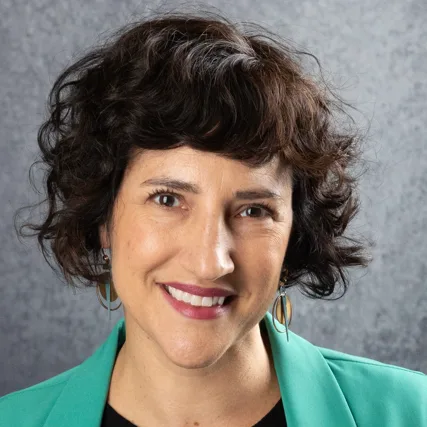
MyMenopauseRx is a virtual menopause practice founded by a gynecologist, and Krantz is one of about a dozen clinicians a patient can pick from. Visits are video appointments of about thirty minutes, and most patients come back every eight to twelve weeks until their symptoms settle. She prescribes FDA-approved estradiol and progesterone rather than compounded hormones, and the practice is clear that it works alongside a patient's own primary care doctor rather than replacing it. Testosterone is written only for patients located in Illinois, and everyone else gets the prescription from their own doctor while the practice manages the dosing. Krantz has practiced for more than thirty years in university, HMO, community health and telehealth settings, and she completed the integrative medicine fellowship at the University of Arizona with training in medical acupuncture. She works from Oregon and says she has aged alongside her patients, which is how menopause care became her emphasis.
Takes Aetna, Blue Cross Blue Shield +3 · first visit $400
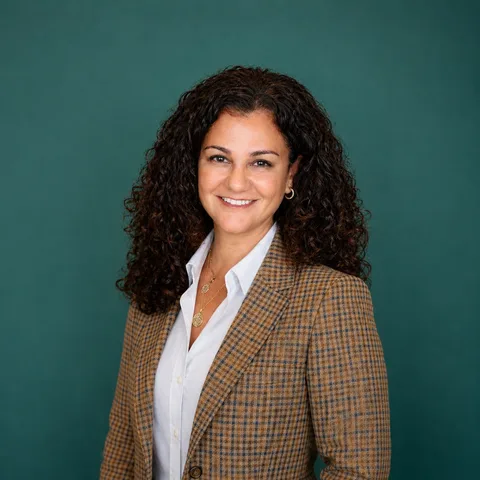
Dr. Milhouse is a urologist with fellowship training in urogynecology and pelvic surgery who runs a menopause and hormone practice alongside her pelvic floor and sexual health work. She prescribes menopause hormone therapy, testosterone for women, and BioTE compounded hormone pellets placed in the office. Her approach is shaped by the bladder and sexual side of menopause, so she also treats leaking, prolapse, recurrent infections and painful sex in the same clinic. Visits happen in person in the Gold Coast or Deer Park, or by video. She is widely known online as Your Favorite Urologist and starred in the TLC show Dr. Down Below. Much of the practice's work is cosmetic genital procedures for women and men.
SHIFT is a concierge practice in downtown Chicago where Dr. Benjamin works as a primary care physician for adults. New patients start with a long executive physical that covers lab work, a body composition scan and a fitness test, then continue with a year of membership care. Members get same day visits, video visits and direct access to their own doctor. Dr. Benjamin is board certified in family medicine and is a certified menopause practitioner, and her bio says she has a special interest in women's health. The practice offers a women's hormone panel among its lab tests, but no page says whether hormone therapy is prescribed. Dietitians, physical therapists and fitness coaches work alongside the doctors on one shared plan.
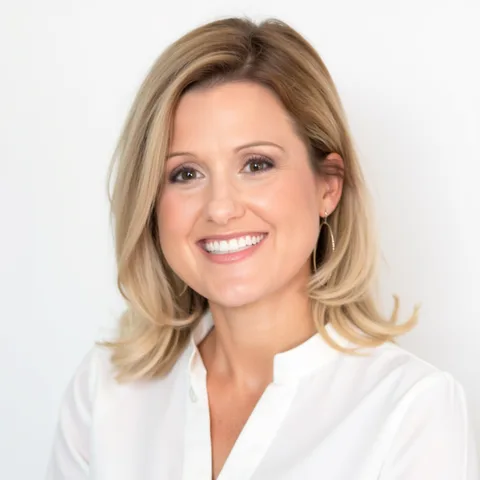
Lisa Hurley is the menopause clinician inside Fulcrum, a Chicago plastic surgery and med spa practice, and she runs its hormone care herself. Care starts with an hour-long consultation that includes a blood draw, and labs are required before she prescribes anything. She prescribes estrogen as patches, pills, vaginal estrogen and injections, along with progesterone and testosterone, and the clinic also places hormone pellets. Her earlier work in emergency medicine and rheumatology shows in how she looks at fatigue, inflammation and weight together rather than one symptom at a time. Visits are in person at the Belmont Avenue office, and virtual consultations with her are also available. The practice does not bill insurance for visits.
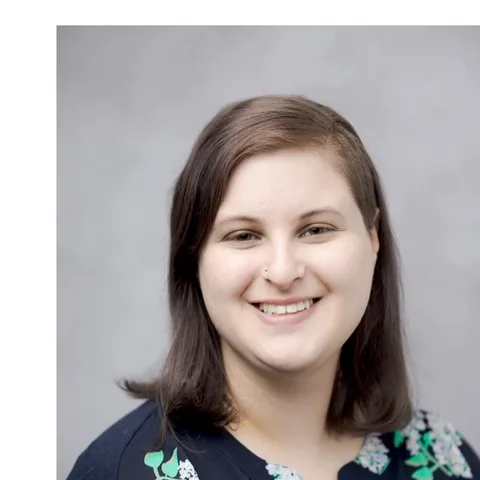
Good Energy is a two-midwife gynecology practice in downtown Batavia, and Sarah is the menopause half of it. She covers perimenopause, menopause and primary ovarian insufficiency, and will use hormone therapy, non-hormonal medication or lifestyle changes depending on what a woman wants. Visits run 30 to 60 minutes, and you can pay per visit or join a membership that bundles an annual visit, a problem visit and a few short follow-ups. Care is in person in Batavia two days a week or by video anywhere in Illinois. Before co-founding this practice she was clinical director of a midwifery group and saw patients virtually for Tia, a women's health primary care company. Trauma-informed care is the guiding idea here, so nothing happens in an exam without being explained first, and the practice keeps a few reduced-rate appointments open each month where you pick the rate yourself with no income paperwork.
Dr. Caravelli is a family medicine physician who runs a small telehealth practice for women in perimenopause and menopause anywhere in Illinois. Care starts with an hour-long first visit, then labs, then a second visit to go over results and build a plan. Anyone who wants ongoing prescriptions, including hormone therapy, joins a monthly membership with quarterly visits and direct messaging with her. She also treats weight and metabolic changes and prescribes GLP-1 medications when they fit. Before starting the practice she was a regional medical director for a national healthcare company, and she teaches as an adjunct clinical professor at the osteopathic school where she trained. She is clear that she is not a primary care doctor, so patients keep their own physician for everything else.
Dr. Mandigo is an OB-GYN who runs a small cash-pay video practice alongside her main job at a community health center in Southern California. Perimenopause and menopause are among the concerns she sees, along with contraception, abnormal pap results and pregnancy questions. You start by filling out a short request form, and she replies by email within a day to set up a video visit. Consultations run 45 or 60 minutes with short follow-ups after that, so there is time to talk things through. She says she started the practice because appointments elsewhere were too short and too hard to get. Countering health misinformation is something she cares about a lot.
Takes Blue Cross Blue Shield, Cigna +8 · first visit $275
Toun Sogbein is a women's health nurse practitioner with Visana Health, a women's health practice that works entirely by video out of Minneapolis. She handles menopause and perimenopause along with the gynecological and sexual health problems that often sit alongside them, and she came to this work from public health clinics and a community health degree. First visits run 45 minutes, and patients stay with the same provider and can message the care team through the patient portal between visits. Visana's menopause care follows protocols written by Dr. Barbara Levy, and a patient can go the hormone route or a non-hormonal one after talking it through. Labs and imaging get ordered near home when they are needed, and optional health coaching covers food and exercise for anyone who wants that support. Many patients reach Visana through an employer or health plan, and the site has a start page where you look up yours.
Dr. Moayedi is a Dallas OB/GYN who specializes in complex family planning and runs her own small practice. Her perimenopause and menopause care happens entirely by video, and she reviews your history and explains the science behind the treatment plan. Between visits you can text her directly with questions. Most patients need one or two follow-up visits to adjust doses, then a yearly visit to keep refills going. Prescriptions go to whatever pharmacy you choose. The practice doesn't take insurance, but it works with nonprofit funds to help Texas patients cover visit costs.
AlcheMe Health is a small Davenport practice for women in perimenopause and menopause, founded by nurse practitioner Kristin Everhart. Labs are ordered two weeks before the first visit, so the hour-long first consultation goes straight to your results and options. She prefers to start with FDA-approved hormones and compounds only when needed, and she does not offer pellets, which the practice calls invasive and not FDA-approved. She also starts one hormone at a time so you can tell what each one does, and offers low-dose testosterone for women. Medical weight management with in-office body scans is a big part of the practice, and GLP-1 medication can be part of that plan. The practice does not replace your primary care provider or gynecologist.
Dr. G is a Maui gynecologist who is also board certified in obesity medicine, so hormones and midlife weight are handled in the same visit. First visits run a full thirty minutes, and follow-up is booked before you leave. Many hormone follow-ups happen by video for patients in Hawaii or Illinois, where she practiced for twelve years before moving to Maui. She prescribes bioidentical estradiol and progesterone in patches, gels, pills or vaginal forms, and uses compounded preparations when they fit. For low desire she prefers a compounded testosterone cream from a local Maui pharmacy. She will not use pellets because the dose can't be adjusted once they are in.
Bold Wellness is Torrie Clontz's own virtual practice for women in midlife, run from Las Vegas and open to patients in about fifteen states. Care starts with a two visit intake that includes a wide blood panel drawn at a lab near you and a follow up to go through the results and set a plan. After that most patients stay on a monthly membership that covers prescription changes and messaging with her through the patient portal. Alongside hormone therapy she runs a weight and metabolic program using GLP-1 medication, and she adds functional tests such as gut, cortisol and vaginal microbiome panels when they fit. She is clear that she is not a primary care provider or an OB-GYN, so patients need to keep their own and see her for the hormone and midlife side. Her own hypermobile Ehlers-Danlos diagnosis, which came after a circus career ended in injury, is why she started the practice and she treats that alongside hormones.
Dr. Jordens runs a small practice for women in midlife and is also board certified in obesity medicine, so weight and metabolic health come up alongside hormones. The first visit is a full hour, follow-ups run 45 minutes, and ongoing care is a six-month membership with messaging through a patient portal. She prescribes estrogen, progesterone and sometimes testosterone in standard forms like patches, gels and pills. She treats vaginal estrogen as first-line for dryness and offers non-hormonal options like fezolinetant for women who can't or don't want to take hormones. She says there is no set age limit for staying on hormone therapy and reviews the plan each year. This is specialty care, not a replacement for your primary care doctor, and there is a free discovery call before you book.
Diana Kumar is a board certified OB-GYN who co-founded Gliss Wellness, a virtual practice built around perimenopause and menopause. All care happens by video and secure messaging, so there is no office to visit. A menopause visit runs about 30 minutes and ends with a plan and prescriptions for an initial three month period, followed by a check-in visit before refills continue for the rest of the year. She prescribes hormone therapy when it fits, can order labs and scans, and sends prescriptions to the patient's own pharmacy. She also sees women for weight counseling and for urgent gynecology problems handled through a short written form. Her stated areas of interest are PCOS, sexual dysfunction, bone health and longevity medicine.
Progressive Care for Women is a small downtown Chicago gynecology practice of three doctors that has been open for more than twenty years, and Dr. King is one of them. He returned to Chicago after practicing on the east coast and also works with the staff at a Northwestern hospital. Menopause is one of the practice's listed services and its page covers estrogen, estrogen with progestin, vaginal estrogen, and non-hormonal choices such as low dose antidepressants or clonidine for hot flashes. His own stated interests are LGBTQ+ care, cervical dysplasia, contraception, and treating abnormal bleeding with minimally invasive methods. Existing patients self schedule through the online portal and new patients call the office. The office bills insurance and keeps a card on file to charge whatever your plan leaves you to pay.
Cindy Pak Leaker runs New You Wellness Clinic in Glenview and treats women through perimenopause and menopause as well as men with low testosterone. She spent more than 20 years in family, emergency and urgent care medicine before opening the clinic. She says she started it after her own years of fibroids, infertility and dismissed menopause symptoms that ended in a hysterectomy, and her line for it is that she became the provider she could not find. Care is built around bioidentical hormones, and she offers pellets alongside injections, creams, patches and pills. Every new patient starts with a short discovery phone call before they can book a first appointment, and the clinic deliberately takes only 15 new patients a month. She also sees patients at a second practice in Chicago's West Loop, and hormone visits happen in the office rather than by video.
SerenityNP Integrative Health is Carolyn Johnson's own clinic in Crystal Lake and bioidentical hormone therapy is the center of it. New patients start with a free discovery call and then come in for a 60 to 75 minute consultation covering medical history and health goals before any plan is written. She runs broad lab panels including estrogen, progesterone, thyroid, cortisol and testosterone, then prescribes hormones as pellets, creams or other forms and adjusts from there. She spent over 30 years in women's health before opening the practice, with earlier work in the NICU, in labor and delivery and in psychiatry. The office also runs a medically supervised weight loss program that can include GLP-1 medication, and it keeps a clinical thermographer on staff for thermal imaging alongside red light sauna and nutritional IV therapy.
Dr. Korzen is a board-certified OB/GYN at a large Chicago-area group, and she sees patients at its Elgin and South Elgin offices. Menopause and hormone therapy are a stated special interest for her, alongside routine gynecology and prenatal care. The practice offers hormone therapy and other options for perimenopause and menopause symptoms. Menopause and perimenopause visits can be done by video in a web browser, with no app to download. She has been in practice since 2004 and puts weight on patient education and shared decision-making. Care is billed through insurance like any gynecology visit.
Ravindra runs a membership-based concierge primary care practice on North Michigan Avenue in Chicago, built around prevention and longevity medicine rather than a menopause-specific focus. Perimenopause and menopause is one line item in a broad primary-care service list. Members are promised same-day responses and next-day appointments, virtually or in person, plus longer visits and a dedicated non-clinical concierge who coordinates care between visits. The practice leans heavily on advanced diagnostics, including broad lab panels, body composition, VO2 max testing, continuous glucose monitoring, advanced cardiac and cancer screening and cognitive assessments. Ravindra is triple board-certified in internal medicine, lifestyle medicine and clinical informatics and is on faculty at Rush, but refers across all major Chicago health systems rather than one.
Erie Family Health Centers is a community health center network in Chicago, and Carlson is one of the OB/GYN physicians at its West Town site on Superior Street. She did her residency at the University of Illinois in Chicago and has been seeing Erie patients since 2011. Erie's women's health care runs from adolescence through the reproductive years to menopause and beyond, and midlife and menopause support sits on the same service list as contraception, abnormal bleeding and gynecologic surgery. New patients book by phone and fill in an intake form before the first visit, and video visits become an option once you are an established Erie patient. Erie says no one is turned away because of their ability to pay, and front desk staff will go through an income-based discount with patients who are uninsured or carry a high deductible. An Erie provider is on call around the clock, and each site keeps some slots open for same day urgent visits.
Dr. Carol runs a small concierge practice for women in perimenopause and menopause, and she is going through midlife herself. She spent about 20 years as an emergency physician before turning to menopause care. Care starts with a free 30-minute video call. After that comes a package of two long visits, each 60 to 90 minutes, and you can message her between and after them. Visits can be at her Manhattan office, by video, or at your home or workplace. The visits look at symptom treatment along with bone, heart and breast cancer risk. She does not replace your own doctors, so you still need a primary care doctor and a gynecologist for exams and mammograms.
A virtual women's specialty care platform for complex hormonal, metabolic and gynecological conditions, where menopause and perimenopause sit alongside PCOS, endometriosis, thyroid disease, fibroids and primary ovarian insufficiency. Each patient is assigned one medical provider, either an obstetrician-gynecologist, an endocrinologist or a women's health nurse practitioner, plus a registered dietitian, and stays with both. Care starts with a 30-minute medical visit and a 45-minute nutrition visit, broad hormonal and metabolic labs, then check-ins every week or two. Prescribing is optional and patient-directed, covering transdermal and oral estradiol, micronized progesterone, a non-hormonal drug for hot flashes, weight medication and thyroid replacement, and a separate arm ships custom-compounded medication to patients.
Jackie Stone, MD sees women entirely by telehealth, in a practice she runs alone. She is board certified in obstetrics and gynecology and in obesity medicine, and treats perimenopause, menopause and primary ovarian insufficiency alongside PCOS, genitourinary symptoms, sexual wellness, and skin and hair changes. First visits run a full hour and cover past records, labs and a treatment plan. Ongoing care is by monthly membership or visit by visit, with direct messaging for members.
Tonic Health Co. is a small virtual practice run by Tyler Johnson, who sees patients by video at home. The perimenopause and menopause visit covers problems like hot flashes, vaginal dryness and weight gain, and it comes with three months of prescriptions. After that, patients come back every three months for follow-up visits and refills. Weight loss care is included for existing hormone patients at no extra charge. Evening and weekend appointments are available, and a free 15 minute phone call lets you check whether it's a good fit. The practice also offers gender affirming care and says everyone is welcome.