349 practitioners have an office in New York, and 126 more can see patients here by telehealth. 329 of them are certified by the Menopause Society, and the most are in New York, Rochester and Brooklyn.
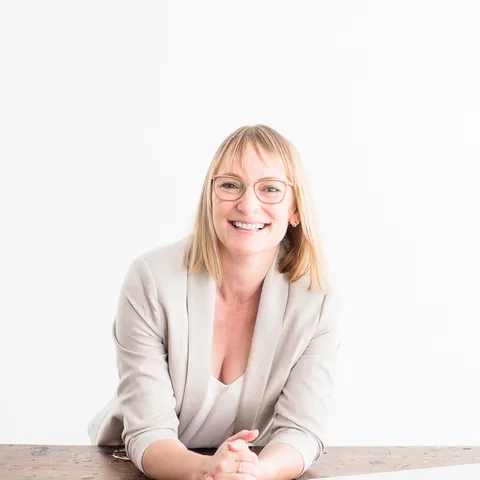
Dr. Lori Davis is a nurse practitioner in Ithaca who works where menopause medicine and sexual health meet. She is also a certified sex counselor, so low desire, painful sex and strain in a relationship can be handled by the same person who prescribes. She offers hormone therapy including vaginal estrogen and testosterone, plus non-hormonal medications, and follows Menopause Society guidelines. Compounded hormones are not her first choice, though she will go over the evidence with you. Most patients have one or two visits to start and then come back once a year to review and renew medications. Medical care is only for people living in New York or Vermont, in person in Ithaca or by video.
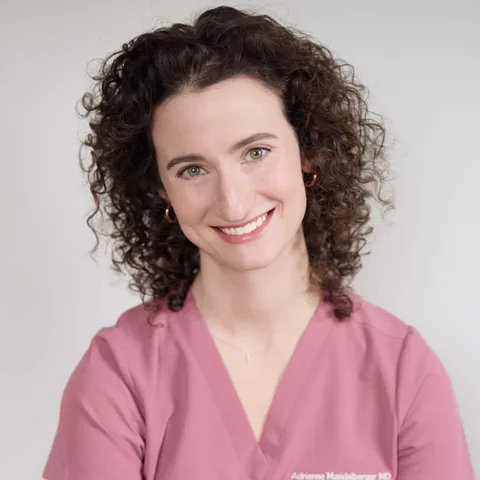
Dr. Mandelberger is a gynecologic surgeon who took up menopause care after realizing she had been telling patients their symptoms were just normal aging. Her practice runs mainly on a yearly membership with hour-long visits, same or next-day booking, and texting and email with her directly. Care starts with an hour-long intake consult, and non-members can also book single menopause visits. She offers hormone and non-hormone treatment and says she won't push supplements or compounded medications when tested standard options exist. New York residents who only want menopause help can buy a yearly video package, but they need to keep their own primary care doctor and gynecologist. She limits how many members she takes, and people are put on a waitlist when the practice is full.
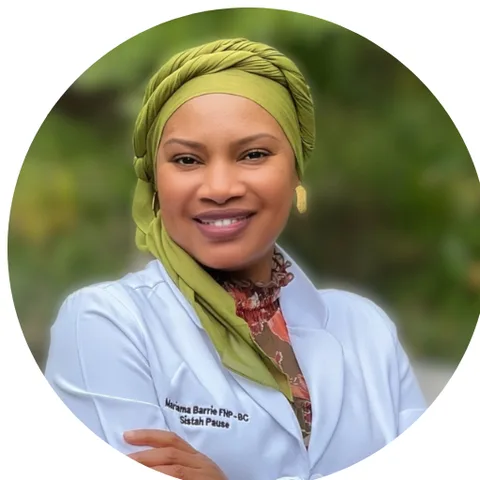
Sistah Pause is a virtual practice for Black women 35 and older, and Barrie says midlife hormone care is the only thing it does. Every new client starts with a paid assessment called Pause, Sis Discovery, which pairs an intake and baseline labs with a 60-minute video review and a written summary of what was found and what to treat first. No prescribing happens at that step. Treatment begins only if you enroll in the six-month program that follows, where she adjusts the plan, repeats labs and handles check-ins through the portal between visits. Hormone therapy is one option rather than the default, and she also uses thyroid medication, non-hormonal medication and prescription weight-management drugs when she thinks they fit. She writes that her own experience with hormonal changes and overlapping symptoms shaped how she practices, and she is direct that this care sits alongside your primary care doctor and gynecologist instead of replacing them.
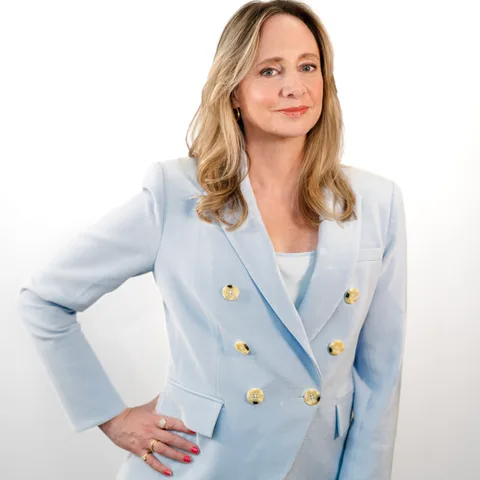
Dr. Menn is an OB/GYN who sees menopause patients only by video, and only women living in New York, Connecticut, Vermont or Florida. She survived breast cancer more than 20 years ago, went through premature menopause herself and carries a BRCA mutation. A lot of her practice is breast cancer survivors and BRCA carriers who want help with menopause symptoms and hormone questions. The first visit is an hour long. It covers your history and a risk check for heart, breast and bone health, and ends with a written plan that may include hormone therapy, vaginal hormones or non-hormonal medicine. New patients email the office first and are then told which visit to book. She works alongside your own gynecologist or oncologist rather than replacing them.
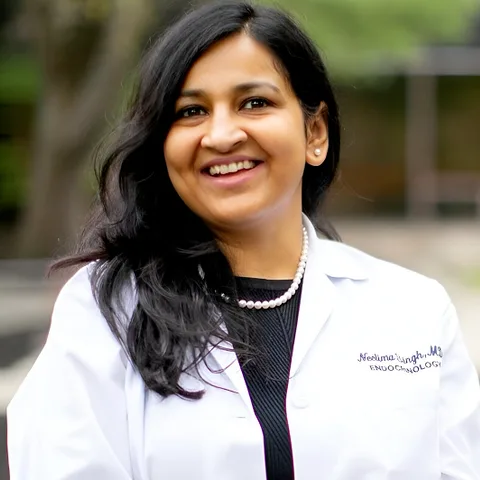
EndoHarmony is Dr. Singh's solo direct-care endocrinology practice, run on a membership or fee-for-service basis with a deliberately small panel. She caps it at roughly 300 patients rather than the 3,000 of a traditional clinic. Menopause care sits inside a broader endocrine practice, so menopause management with hormone replacement therapy runs alongside thyroid disease, osteoporosis and bone density screening, PCOS, lipid disorders, diabetes and medically supervised weight management. Most visits are virtual, with in-person days on Fridays at the Westborough office and Thursdays by appointment at a second Natick location. New patients start with a short video meet-and-greet before registering, and members get sixty to a hundred and twenty minute appointments, unlimited secure messaging and round-the-clock outreach for urgent concerns.
Dr. DiGirolamo is a reproductive endocrinologist who spent a decade as a fertility specialist at Boston IVF before opening this virtual practice. She sees women from their first periods through menopause, with a focus on active women and athletes, and she manages perimenopause, menopause and hormone therapy. Care starts with a 50-minute Zoom consultation after an intake questionnaire, followed by shorter video follow-ups. Visits are video only, and a medical visit is only possible if you are calling in from a state where she is licensed. She is also a CrossFit trainer and nutrition coach, and she builds care on exercise and nutrition first, adding medication as needed. She does not provide primary care and recommends you keep your own primary care doctor.
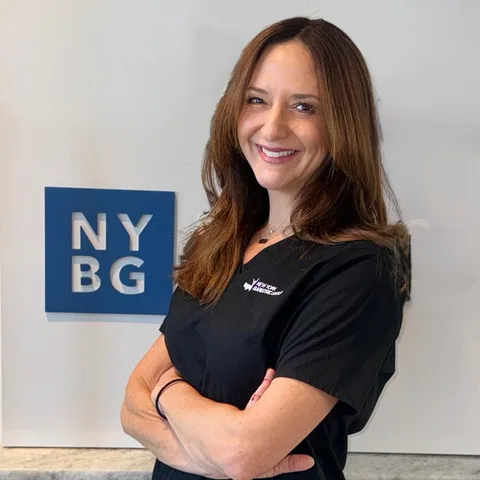
Angela Glasnapp leads Prime Women's Health and Wellness, a menopause program housed inside the New York Bariatric Group. She is a board certified bariatric surgeon and obesity medicine specialist who went on to become a certified menopause practitioner, so one doctor handles both the hormone side and the weight side of midlife. Care runs as a yearly concierge membership with extended visits, priority scheduling, and direct access to her by portal, text or email between appointments. She prescribes systemic and vaginal hormone therapy as well as non hormonal options, and will add a GLP-1 medication to a midlife plan when it fits. Visits happen in person at a few New York and New Jersey offices or by video for patients in New York, New Jersey and Connecticut.
Family medicine · DNP, CNP, FNP-C, PMHNP-BC, MSCP, IFMCP
Accepting new patients
Worthington, OH · In person & virtual
Self-pay · first visit $250
Christine Salem owns Precision Health and Wellness in Worthington, a clinic that pairs hormone care and medical weight loss with a full menu of aesthetic treatments. She is board certified in both family and psychiatric mental health nursing, which gives her a feel for how mood and physical symptoms tie together in midlife. Care starts with a lab draw, then a consultation where she reviews the results and builds a plan that can also look at thyroid, cholesterol and gut health. Biote hormone pellets are her favorite service and the clinic's main hormone option, with new pellets placed in the office every three to six months. Visits can be in person or by telehealth, and she also runs a medical weight loss program and enjoys taking on complex cases.
Dr. Mandigo is an OB-GYN who runs a small cash-pay video practice alongside her main job at a community health center in Southern California. Perimenopause and menopause are among the concerns she sees, along with contraception, abnormal pap results and pregnancy questions. You start by filling out a short request form, and she replies by email within a day to set up a video visit. Consultations run 45 or 60 minutes with short follow-ups after that, so there is time to talk things through. She says she started the practice because appointments elsewhere were too short and too hard to get. Countering health misinformation is something she cares about a lot.
Kristine Groemping is a family nurse practitioner and former Navy officer who started out in labor and delivery nursing and later worked as a menopause specialist at Evernow. She founded this small cash-pay practice, which treats perimenopause and menopause along with weight management, thyroid conditions and low libido in women. She is openly against pellets, pricey supplements and frequent hormone lab testing, and follows Menopause Society guidelines for estrogen, progesterone and testosterone. Most care happens by video, with refills handled by video or secure message, and she also sees patients at an office in southwest Austin. New patients can request a first hormone, testosterone or weight consultation online, and the booking page also offers a free introductory call.
Jana Magarian is the menopause-certified nurse practitioner at Macrae Medical, a small membership practice on Aquidneck Island. Menopause care is its own monthly membership with unlimited visits, separate from the practice's primary care membership. She uses FDA-approved hormone therapy and non-hormonal options, along with diet, exercise and lifestyle advice. Her care also covers bone and heart health, and she manages thyroid problems as part of her primary care work. The practice does not bill insurance for visits, so patients keep their own insurance for specialists and emergencies.
Precision FemCare is Dr. Ginsberg's own practice and every visit happens over Zoom, so a patient needs to be in Texas, New York or Tennessee at the time of her appointment. Everyone starts with a Core Diagnostic consult covering blood work, symptoms and any outside labs, and she will not prescribe hormones on symptoms alone. She uses compounded bioidentical hormones and deliberately avoids patches and pellets, because a fixed dose cannot be adjusted as hormone levels move. Nothing is done in person, so you keep your own gynecologist for pap smears, mammograms and well-woman exams. Her own schedule is at capacity, so new patients join her waitlist or start with one of the practice's nurse practitioners. She is a black belt, an Ironman finisher and a repeat Boston Marathon qualifier, and she uses AI tools and a digital twin of herself to keep guidance going between visits.
Takes Blue Cross Blue Shield, Cigna +8 · first visit $275
Toun Sogbein is a women's health nurse practitioner with Visana Health, a women's health practice that works entirely by video out of Minneapolis. She handles menopause and perimenopause along with the gynecological and sexual health problems that often sit alongside them, and she came to this work from public health clinics and a community health degree. First visits run 45 minutes, and patients stay with the same provider and can message the care team through the patient portal between visits. Visana's menopause care follows protocols written by Dr. Barbara Levy, and a patient can go the hormone route or a non-hormonal one after talking it through. Labs and imaging get ordered near home when they are needed, and optional health coaching covers food and exercise for anyone who wants that support. Many patients reach Visana through an employer or health plan, and the site has a start page where you look up yours.
Dr. Knight runs a solo membership practice in the Creekside area of The Woodlands, with separate monthly programs for menopause care, medical weight loss and primary care. She is board certified in internal medicine and obesity medicine on top of her menopause certification, and she treats hormone changes and weight together instead of sending patients elsewhere for the metabolic side. The first visit is a full hour covering history, symptoms and past labs, and it ends with a 3D body composition scan she uses as a baseline. She offers bioidentical hormone therapy and hormone testing for women who are candidates. Members can text or call her directly, and every visit is with her rather than another clinician. She sees adults only, and she asks patients to keep seeing their own gynecologist for gynecological exams.
Susannah Kerwin is a nurse practitioner who runs a small functional medicine practice in Denver. Care starts with two hour-long visits that go through your history, and specialty lab testing is often ordered. After that, members have a check-in every quarter, two health coaching visits a year and unlimited portal messaging. She prescribes FDA-approved bioidentical hormone therapy when it fits, alongside nutrition, gut and thyroid work. She practiced in San Francisco and New York and spent time in Beijing studying traditional Chinese medicine. Colorado patients can come in person, and patients in the other listed states are seen by video.
Bold Wellness is Torrie Clontz's own virtual practice for women in midlife, run from Las Vegas and open to patients in about fifteen states. Care starts with a two visit intake that includes a wide blood panel drawn at a lab near you and a follow up to go through the results and set a plan. After that most patients stay on a monthly membership that covers prescription changes and messaging with her through the patient portal. Alongside hormone therapy she runs a weight and metabolic program using GLP-1 medication, and she adds functional tests such as gut, cortisol and vaginal microbiome panels when they fit. She is clear that she is not a primary care provider or an OB-GYN, so patients need to keep their own and see her for the hormone and midlife side. Her own hypermobile Ehlers-Danlos diagnosis, which came after a circus career ended in injury, is why she started the practice and she treats that alongside hormones.
Misra Wellness is a virtual-first membership practice led by Dr. Misra, with an office in Los Angeles and visits for patients in California and New York. There is no online calendar. A new patient starts with a free 15-minute call to see if it is a good fit, then a first consult. Menopause and hormone care sits inside the main primary care membership, so the same visits and direct messaging also cover thyroid, weight and other midlife concerns. She offers hormone therapy when it is clinically appropriate after an evaluation. She writes about perimenopause mood swings and a wired, on-edge feeling as hormonal changes and not simply stress, and she offers a 90-minute visit for symptoms that overlap. Current members get priority, so a new patient may wait for an opening.
Diana Kumar is a board certified OB-GYN who co-founded Gliss Wellness, a virtual practice built around perimenopause and menopause. All care happens by video and secure messaging, so there is no office to visit. A menopause visit runs about 30 minutes and ends with a plan and prescriptions for an initial three month period, followed by a check-in visit before refills continue for the rest of the year. She prescribes hormone therapy when it fits, can order labs and scans, and sends prescriptions to the patient's own pharmacy. She also sees women for weight counseling and for urgent gynecology problems handled through a short written form. Her stated areas of interest are PCOS, sexual dysfunction, bone health and longevity medicine.
Dr. Carol runs a small concierge practice for women in perimenopause and menopause, and she is going through midlife herself. She spent about 20 years as an emergency physician before turning to menopause care. Care starts with a free 30-minute video call. After that comes a package of two long visits, each 60 to 90 minutes, and you can message her between and after them. Visits can be at her Manhattan office, by video, or at your home or workplace. The visits look at symptom treatment along with bone, heart and breast cancer risk. She does not replace your own doctors, so you still need a primary care doctor and a gynecologist for exams and mammograms.
Dr. Sadaf runs a small concierge gynecology practice in Chappaqua focused on menopause and sexual health. Patients join through an annual membership, which buys longer unhurried visits and direct email access to her. She manages menopause hormone therapy in person and by video for women in New York and Michigan, and the office also does procedures like endometrial biopsies and in-house blood draws. She is a fellow of the International Society for the Study of Women's Sexual Health, so painful sex, low desire and pelvic floor pain get as much attention as hot flashes. She also hosts The Muslim Sex Podcast and talks openly about how culture shapes women's intimate lives. New patients can start with a free 15-minute video meet and greet.
A concierge integrative and functional internal medicine practice in Manhattan for adults with chronic conditions and midlife health, led by a board-certified internist who is also a Menopause Society Certified Practitioner. Care is sold as twelve-month packages pairing physician visits with an integrative health advisor. The first assessment is a 90-minute consultation plus an advisor visit, and New York patients are encouraged to come in for a brief exam. Consultations are by video, with unlimited portal messaging and calls answered within one to two business days.
Michele Adams runs a small solo practice focused on perimenopause and menopause, with office visits in Williamsville and video visits across New York. Every new menopause patient starts with a one-hour evaluation covering history, symptoms, heart and metabolic risk, labs and a written plan. After that you can pay per follow-up or sign up for six months of structured care while hormone therapy is started and adjusted. She is openly in favor of bioidentical hormone therapy and also uses non-hormonal medications, diet and supplements. Her background started in dietetics more than 30 years ago, so food and nutrition are a big part of her visits. She also has functional medicine training and says she has been through many of the same symptoms herself.
A virtual women's specialty care platform for complex hormonal, metabolic and gynecological conditions, where menopause and perimenopause sit alongside PCOS, endometriosis, thyroid disease, fibroids and primary ovarian insufficiency. Each patient is assigned one medical provider, either an obstetrician-gynecologist, an endocrinologist or a women's health nurse practitioner, plus a registered dietitian, and stays with both. Care starts with a 30-minute medical visit and a 45-minute nutrition visit, broad hormonal and metabolic labs, then check-ins every week or two. Prescribing is optional and patient-directed, covering transdermal and oral estradiol, micronized progesterone, a non-hormonal drug for hot flashes, weight medication and thyroid replacement, and a separate arm ships custom-compounded medication to patients.
Capital Region Women's Care is a gynecology only practice with offices in Troy and Clifton Park and a team of five clinicians. Its services list includes menopause care alongside annual exams, ultrasound, contraception and in office procedures, though no page describes which hormone treatments are offered. Dr. Bloss is the practice's surgeon and performs robotic and laparoscopic hysterectomy, fibroid removal, ovary removal and endometriosis surgery. He has a particular interest in chronic pelvic pain and belongs to the International Pelvic Pain Society. His bio says the births of his six children shaped how he practices and that he spends a lot of time talking things through with patients. Current patients can book annual exams, problem visits and injections online, but new patients still have to call the office to get established.