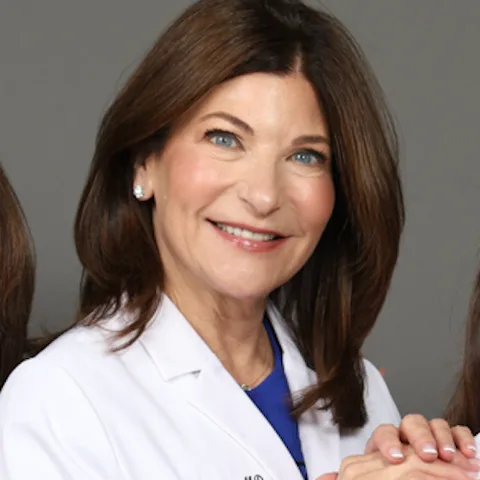
349 practitioners have an office in New York, and 126 more can see patients here by telehealth. 329 of them are certified by the Menopause Society, and the most are in New York, Rochester and Brooklyn.
Seashore MD is Dr. Smolinsky's solo gynecology office in Little Silver, set up around the perimenopausal and menopausal years. She looks for the root cause of symptoms first and builds a plan from there, and she uses non-hormonal treatment as well as hormones. Hormone therapy comes in several forms, including pills, patches, creams, gels and EvexiPEL bioidentical pellets inserted in the office. She also treats the physical changes that come with menopause, such as bone and muscle loss, painful sex and repeat bladder infections, and she uses an Emsella chair for pelvic floor weakness and leaks. Visits can be virtual or in person, and the office draws its own blood work through an on-site Quest technician and runs ultrasounds twice a month. Dr. Smolinsky was born and raised in Israel and sees patients in Hebrew as well as English.
Dr. Brode is a board certified urologist who gave up surgery and now runs her own virtual practice for women in perimenopause and menopause, and she sees men for sexual health too. Visits happen by video, and she takes patients in Michigan, New York and Texas. New patients can start with a short introductory call that is only a conversation about whether she is a fit, with no diagnosis or prescribing. Her hormone care stays with FDA approved therapy, and a visit covers sleep, mood, stress and daily life as much as medication. Her urology background shows in what she treats, including bladder leaks, urgency, waking at night to urinate and repeat UTIs alongside vaginal dryness and painful sex. She says going through perimenopause herself showed her how little she and other clinicians had been told about the options, and she went on to take extra training in menopause care.
A physician-led longevity and performance practice based in Seattle, where the practitioner is medical director. Care begins with an in-person day in the Seattle area for baseline diagnostics, covering over a hundred biomarkers, body composition, cardiorespiratory fitness, continuous glucose monitoring, genomics and multi-cancer screening. It then moves to quarterly labs and structured medical reviews, with follow-ups virtual or in person. A women's track is described for perimenopause, menopause and after, with hormone and metabolic diagnostics and ongoing telehealth support, and physicians provide prescriptions and referrals as clinically appropriate.
Caitlin Givens is one of two providers at Takoma Park Gynecology, a small woman-owned gynecology practice run by nurse-midwives. The practice covers care from adolescence through menopause and beyond, and it does no pregnancy care. A new patient can book with her online, either as a full new patient visit with an exam or as a menopause consultation that is a conversation only. She prescribes FDA-approved hormone therapy, including estrogen, progesterone and testosterone, and uses compounded hormones only when a manufactured product is unavailable or a poor fit. Beyond menopause she works in sexual medicine and chronic vulvar conditions, and the practice also handles bone health and prescription weight management. Her interest in women's health began as a Peace Corps volunteer in northern Senegal, and she teaches nurse-midwifery and women's health students at Georgetown.
Gliss Wellness is a virtual-only OB/GYN practice Dr. Walsh co-founded with a second board-certified OB/GYN, and menopause care is its main focus. Care starts with a 30-minute video consultation about your symptoms, and if hormone therapy suits you, you leave with prescriptions for the first three months. A follow-up at three months keeps refills going for the rest of the year, and refills in between happen by message through the patient portal. There is no membership, and you fill prescriptions at your own pharmacy. The doctors can't examine you in person but can order labs and other tests. Dr. Walsh's own interests include pelvic pain, endometriosis, fibroids and weight loss, and a free 15-minute call lets you meet the team before booking.
Mulberry OBGYN is a solo practice on Centre Street in Lower Manhattan, started by Dr. Nyein so that patients see the same physician at every visit. Perimenopause and menopause are the center of the practice, alongside sexual health, surgical gynecology and a concierge pregnancy program. He begins with a long history of cycles and symptoms rather than a single blood test, and uses labs and imaging only where they add something. For hormones he favors regulated FDA-approved preparations and advises against compounded protocols and pellets, and he will consider testosterone only for diagnosed low desire. Because he is also a minimally invasive and robotic surgeon, he can work up abnormal bleeding in his own office with ultrasound, endometrial sampling or hysteroscopy. He is an osteopathic physician who offers hands-on osteopathic manipulative treatment to some patients, and he is the next generation of a family that has cared for women in New York for more than fifty years.
Kostant is one of several gynecologists at Carnegie Women's Health, the gynecology office of a high risk pregnancy group called Maternal Fetal Medicine Associates on the Upper East Side. Her own page says she handles annual exams, pregnancy planning and perimenopausal and menopausal symptoms, and that she does office and outpatient surgery herself. The practice describes menopause care as starting with blood work to check hormone levels, then choosing between hormone therapy with estrogen and progesterone or a low dose antidepressant. Carnegie also does BioTE hormone pellets, but the site names two other doctors with that service rather than her. Visits are requested through a form on the site, and you pick either the office or a Zoom appointment when you fill it in. Because the group's main business is high risk obstetrics, midlife care sits in the same office as genetic cancer screening and a nutritionist.
Dr. Frisch is an endocrinologist in Ridgewood who treats perimenopause and menopause alongside thyroid, diabetes and weight problems. She is also board certified in obesity medicine, and before medical school she worked at Merck researching estrogen receptors. It is a small practice that books long visits, and patients can reach their doctor directly by phone and email. The first visit is in person, and some follow-ups can be done by video. She checks bone health as part of menopause care and treats osteoporosis when needed. She speaks Spanish and Hungarian.
Barbara Dougherty is a nurse practitioner at YoungerMeMD, a hormone and longevity practice in Conshohocken. The monthly membership is charged on top of the cost of treatment and does not include medication. The intake fee covers baseline lab work, which is drawn at Quest only and needs 8 to 12 hours of fasting. Beyond hormone care the practice also offers peptides, low dose naltrexone and rapamycin.
Mercedes Deal founded Rêver Wellness, a private-pay clinic in Coral Gables that blends hormone care with skin treatments and weight care. Hormone therapy there is only available through a paid membership, and the tiers that include it also cover follow-up visits and lab work. Care starts with baseline labs and a first visit of about two hours, then labs are repeated every three months while the plan is adjusted. She prescribes bioidentical estradiol, progesterone and testosterone for women in perimenopause and menopause. She is a family nurse practitioner with extra training in functional medicine and peptide therapy, and the clinic also runs a thyroid and adrenal workup. New patients start with an intake questionnaire and a member of the team replies within a day or two.
This is a small concierge practice built around long, unhurried visits and a low number of patients. Dr. Greenwald focuses on perimenopause and menopause, hormone therapy and sexual health. She trained at UCSF, built her practice with Stanford Health Care, still teaches there and works on the obstetrics side at Santa Clara Valley Medical Center several days a month. Care runs through a membership, and visits can be in person or by video. She is not taking new patients right now. Two colleagues in the same practice, Dr. Nazaneen Homaifar and Dr. Sarah Isquick, are certified menopause providers and are taking new members.
SPOKEmed is Michelle Middleton's own telemedicine practice, which she founded in 2024 after years in orthopedics and a move into weight and hormone care in 2020. She is the only clinician there, so every consultation and treatment plan is hers, and patients can reach her directly between visits. Care starts with a short exploration call, then lab work and a plan that may mix hormone therapy, weight medication, nutrition and coaching. She prefers FDA-approved bioidentical estrogen, progesterone and testosterone, keeps compounded troches and creams for the cases where nothing commercial fits, and refuses pellets because the dose cannot be adjusted or removed. Advanced testing such as DUTCH hormone panels, stool analysis and genetic reports is available when symptoms are confusing, though she says most women can start hormone therapy on symptoms and history alone. Prescription care runs in Florida and New York, while the coaching side is open to women anywhere in the country.
Greece OB/GYN is a small, long-running practice on the west side of Rochester with four physicians, a physician assistant and a nurse. Tariq-Fazili trained in obstetrics and gynecology in Rochester and joined the practice after residency, and her own bio names menopause as one of her professional interests along with adolescent gynecology and minimally invasive robotic surgery. It is a conventional insurance-based office, so you call during set phone hours to book and bring the downloadable new-patient forms with you. Gynecology care covers menopausal transitions and office procedures such as hysteroscopy and endometrial biopsy, and the practice also runs a urogynecology service for bladder and prolapse problems. The site does not say which hormone treatments she uses, and it never mentions virtual visits. She and her husband live in Rochester with their daughter and two sons.
Dr. Goodstein is a gynecologist at Carnegie Hill OB/GYN, a small group of women doctors on the Upper East Side. She sees patients from their teens through menopause and lists hormone therapy and irregular bleeding among her areas of expertise. She is also trained in CO2 laser treatment of the vulva and vagina. The first visit is unhurried, with a full history and a sit-down talk with the doctor after the exam. She has been in practice since 2000 and still delivers babies at Mount Sinai.
Elizabeth Swenson is a board certified obstetrician gynecologist certified by the Menopause Society. Her listing points to Gennev, a national telehealth menopause service that bills insurance and also publishes self pay rates. Gennev does not name her anywhere. Its Our Providers page lists thirty six doctors and she is not among them, the site search returns no result for her, and no bio page exists for her while other clinicians' bios load normally. No other current practice could be found for her.
Rhonda Gottmann is a women's health nurse practitioner certified by the Menopause Society. Her listing points to Midi Health, a virtual menopause clinic that sees patients by video only and refers out for anything needing an in person exam. Her registry record lists five Midi locations across New York, Kentucky, Florida, Ohio and Arizona, all sharing the company's single phone line. Midi does not currently name her anywhere on its site. Her bio page there returns a not found error and she is absent from the clinician directory, and no other current practice could be found for her.