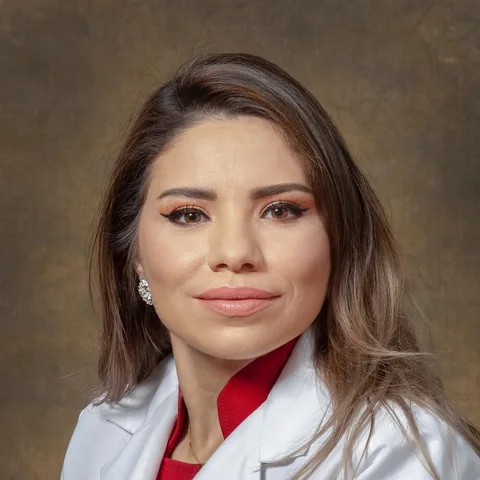
Dr. Bos runs Privé Gynecology, a small direct care gynecology practice in Dover on the New Hampshire Seacoast. She works outside insurance and keeps her panel small, so patients get same-day or next-day visits, her cell number and after-hours access. Menopause care runs as a four-month plan that starts with a one-on-one consult and hormone labs, then follow-up labs and a treatment plan. You can book a free meet and greet first to see whether the practice suits you. She also covers the rest of gynecology, including pelvic floor problems, care after cancer and office procedures like endometrial biopsies. She says she left insurance-driven care because it made it hard to practice in line with her values, and she also offers house calls.
Terra Share runs a solo practice out of Denver that is entirely virtual, and she sees patients for perimenopause, menopause and gender-affirming hormone care anywhere in Colorado. First visits run 60 minutes and follow-ups 45, with secure messaging in between. She orders and interprets labs herself and manages prescriptions for up to a year when that is appropriate. She does not bill insurance, and she says that is exactly what buys the longer visit. She also does short gyn urgent care visits in nine other states, but hormone care stays inside Colorado. She has written clinical protocols for larger healthcare organizations, and after living in Steamboat Springs and Missoula she cares most about reaching women who are nowhere near a city.
Jennifer Gaulin is a family nurse practitioner who runs a small clinic in Winslow, where hormone replacement therapy is one of the main services. Care starts with an hour-long consultation that goes through your health history and goals, followed by shorter follow-up visits to manage treatment. She has a background in hospice and palliative care, and she has focused on hormones and wellness for the past few years. The clinic also offers EmpowerRF radiofrequency treatment for vaginal dryness, laxity and urinary leakage, along with Pap and HPV screening. Visits are paid per visit, and new patients can book a consultation online.
Dr. Gran is a naturopathic doctor whose work centers on gynecology and hormones, from periods and PCOS through the menopause transition. She prescribes menopausal hormone therapy herself, using bioidentical hormones including compounded ones, alongside herbs, nutrition and supplements. The first visit runs 60 to 80 minutes with a physical exam and lab orders, and a follow-up a few weeks later goes over the results and sets the longer plan. She also does Pap smears and well-woman exams, and offers tibial nerve stimulation for overactive bladder. Sexual wellness is a big part of her practice, and she trained as a sexual health educator through Planned Parenthood. Visits are in person in El Segundo or by video for anyone living in California.
Oizo Wellness Collective is a small women's health practice in Lafayette that Dr. Fashho started with another OB/GYN after both spent years working as hospital OB doctors. She is also board certified in obesity medicine and spent three years as a clinician for Weight Watchers, and weight and metabolism run through most of the care here. The practice is clear that it does not replace your OB/GYN, and it asks you to keep that doctor for Pap smears and mammograms. A first hormone visit is a long workup with lab testing, and you come back for a separate visit where the physician goes through the results and sets a plan. There is a named track for breast cancer survivors and for women who would rather avoid hormones, built around non-hormonal options and bone health. Visits are booked online, and the hormone and weight consultations both have telehealth versions.
Kerry Folkman runs a small practice focused only on perimenopause and menopause. Most visits are by video, and she sees patients in person in Brookline about one day a month. The first visit is a full hour and ends with a written treatment plan, and she sends detailed summaries after visits so you don't have to remember everything. She prescribes FDA-approved estrogen, progesterone and testosterone, though testosterone is only available to patients in Massachusetts. She also has a particular interest in how midlife hormone changes affect ADHD, anxiety and depression, and she prescribes GLP-1 medications for weight and metabolic health. Follow-up visits can be paid one at a time or through a package or subscription.
Angela Glasnapp leads Prime Women's Health and Wellness, a menopause program housed inside the New York Bariatric Group. She is a board certified bariatric surgeon and obesity medicine specialist who went on to become a certified menopause practitioner, so one doctor handles both the hormone side and the weight side of midlife. Care runs as a yearly concierge membership with extended visits, priority scheduling, and direct access to her by portal, text or email between appointments. She prescribes systemic and vaginal hormone therapy as well as non hormonal options, and will add a GLP-1 medication to a midlife plan when it fits. Visits happen in person at a few New York and New Jersey offices or by video for patients in New York, New Jersey and Connecticut.
Katherine Stensland handles hormone care at Muse Medical Artistry, an Aurora med spa that otherwise does injectables and laser work. She spent over ten years in internal medicine and family medicine before moving into bioidentical hormone therapy, and she founded her own hormone practice which partners with Muse. Hormone care is sold as a monthly membership that covers the hormones, lab panels through the year and several follow up visits. She prescribes hormones as creams, patches, injections or pellets and settles on the form with the patient. Pellet insertions are billed on their own and are expected every four to six months. Consultations and follow ups can be done virtually, though treatments themselves are given at the Aurora clinic.
Dr. Duncan runs a solo self-pay micropractice in Hanover and sees women in New Hampshire and Vermont in person, by video or by phone. Every new patient starts with a 90-minute consultation, then chooses to pay per visit or join a five-month or yearly membership that bundles follow-ups and messaging. She is an internist whose long primary care career included the Navajo Nation and rural Utah, and she ties hormone care to heart, bone and brain health. She leans toward FDA-approved transdermal and bioidentical hormones and uses compounded hormones or testosterone when they are called for. Following Menopause Society guidance, she does not order hormone level testing to pick doses. New patients who are unsure whether the practice fits can book a short discovery call first.
Dr. Neff runs a small concierge primary care practice in Mason where menopause and perimenopause care is part of the membership rather than a separate program. She trained in both internal medicine and pediatrics and spent years as a hospital doctor before moving into primary care at a women's center. She prescribes hormone therapy when it is safe after reviewing personal and family history, and also offers non-hormonal routes for women who can't or don't want to take hormones. Sexual health, bone strength and weight are handled in the same place as the rest of your care. You can text, call or video her directly between visits. A free 20 minute meet and greet comes first, and when her panel is full new patients join a waitlist.
Nikki Wade runs a small cash-pay hormone and metabolic practice in Midland, and she sees women for perimenopause and menopause alongside men's testosterone care and medical weight loss. New patients start with two visits. The first covers your history and symptoms and orders labs, and the second, about a week after results, goes over findings and sets the plan. Both can be done in the office or by video. She offers estrogen, progesterone and testosterone in many forms, including patches, gels, pills, injections, vaginal products and pellets. Care after the consult runs as ongoing programs billed quarterly rather than single visits, and the practice expects you to keep your own primary care provider for screenings like mammograms and pap smears.
Dr. Kappa is an internist at the Kenwood office of Concierge Medicine of Cincinnati. She works as a full primary care doctor who also manages perimenopause and menopause. Patients join through a yearly concierge membership that covers office visits, direct phone and email access to her, and virtual visits when an exam isn't needed. The practice does not file insurance claims for visits. She spent years in academic and community primary care before adding menopause certification, so hormone care sits in the same visits as blood pressure, diabetes and cholesterol. New patients start with a free call with a membership consultant.
Jennifer McGeorge is a nurse midwife who spent years in home birth and labor and delivery before narrowing her practice to menopause after going through her own transition. Oasis is a small solo practice with an office in Montrose, plus phone and video visits. Care starts with a free short call and a long first visit, then shorter follow-ups and a longer yearly check-in. She prescribes estrogen, progesterone and testosterone, and offers non-hormonal medication for women who can't or don't want to take estrogen. She doesn't do physical exams, so you keep your own primary care provider for that side of your health. The office is up a flight of stairs with no elevator, and she will arrange another place to meet if you ask.
Dr. Gutierrez is a board-certified OB-GYN who also trained as a minimally invasive gynecologic surgeon. Menopause and hormone therapy sit alongside her general gynecology care, so one office can handle both. Hormone treatment is built around each woman's symptoms and health history and can include bioidentical options. An optional yearly membership adds same-week visits, longer appointments, secure messaging with her and in-house hormone testing. Telemedicine is offered for eligible patients. She speaks English and Spanish, and she is not taking new pregnant patients.
Lindsey Franks is a family nurse practitioner and the only clinician at Hydra Health and Wellness, a small clinic in Jasper that also offers medical weight loss, IV hydration and primary care. She worked eight years in urgent care and family practice before the clinic opened. Menopause care starts with an in-office new patient visit where she goes over your history and symptoms, orders labs as needed and builds a hormone therapy plan. Hormone therapy is paid out of pocket as one of the clinic's wellness services. Once you are established, you can go over your hormone labs with her by video. She also does annual exams and Pap smears, so routine women's care can happen in the same office.
Takes Cigna, UnitedHealthcare +1 · first visit $300
Valor Wellness is a small women's health and gynecology practice in La Fayette run by Heidi Septor. She sees women for routine gynecologic care and contraception as well as perimenopause and menopause, and she prescribes hormone therapy when she thinks it fits after a full evaluation. She will not insert hormone pellets and says so plainly on her site, because once they are in the dose cannot be adjusted or stopped. Women already on pellets are still welcome, and she will review what they are taking and go through other options with them. Alongside regular visits she offers optional self pay testing programs covering hormones, gut health, micronutrients and cardiometabolic markers, each built around a full hour spent reviewing the results. The practice opened recently and is booking appointments, with one evening clinic a week for women who cannot get away during the day.
Family medicine · MD, FAAFP, IFCMP, AABARM, MSCP, CYT
Accepting new patients
Plantation, FL · In person & virtual
Membership · from $160/mo
Dr. Singh runs a direct primary care practice in Plantation with one other family physician. Menopause and other hormone care sit in the functional medicine track. That track starts with a free phone meet and greet, then a two-hour first visit in the office or by video, followed by a written care plan by email. Most follow-up visits are by telehealth. New patients currently join a waitlist for that first visit, and the practice offers a faster expedited consultation for anyone who doesn't want to wait.
Dr. Lewis runs a solo virtual practice for Arizona residents, and every visit is by video or phone. She now takes new patients only with complex cases. That includes a breast cancer history or BRCA mutation, a clotting disorder, early menopause, a hysterectomy, or symptoms that pellets or compounded hormones did not fix. She prescribes FDA-approved bioidentical hormones and steers patients away from pellets, compounded creams and hormone level testing. She started out in community mental health and has extra training in reproductive psychiatry, so mood changes in perimenopause are a real focus. She is not a primary care doctor, and once treatment is stable your regular doctor usually takes over the prescriptions.
Family medicine · DNP, CNP, FNP-C, PMHNP-BC, MSCP, IFMCP
Accepting new patients
Worthington, OH · In person & virtual
Self-pay · first visit $250
Christine Salem owns Precision Health and Wellness in Worthington, a clinic that pairs hormone care and medical weight loss with a full menu of aesthetic treatments. She is board certified in both family and psychiatric mental health nursing, which gives her a feel for how mood and physical symptoms tie together in midlife. Care starts with a lab draw, then a consultation where she reviews the results and builds a plan that can also look at thyroid, cholesterol and gut health. Biote hormone pellets are her favorite service and the clinic's main hormone option, with new pellets placed in the office every three to six months. Visits can be in person or by telehealth, and she also runs a medical weight loss program and enjoys taking on complex cases.
Menopositive is a small telemedicine practice run by one menopause-certified nurse practitioner for women in perimenopause and menopause. Care starts with an hour-long video consult that goes through your medical and family history, screenings, medications and supplements, and your goals. Follow-ups are half-hour visits. She offers both hormonal and non-hormonal treatment and brings functional and lifestyle medicine into the plan, with a longer functional medicine track for people with chronic conditions who want closer follow-up. She also runs monthly group sessions where women can learn about the menopause stages and ask questions together.
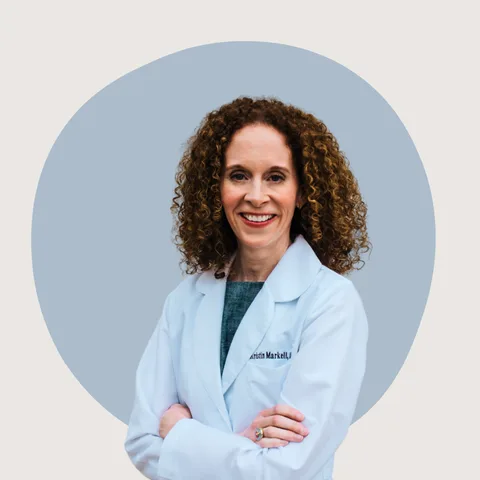
Dr. Markell spent about ten years as a practicing OB/GYN before leaving conventional practice to open her own integrative hormone clinic in downtown Springdale. Care is organized as programs rather than single visits. Most women start with a three-month consult that includes an hour-long first visit and a lab review, then move into a yearlong program with a few private visits and portal access to her team. She prescribes estrogen, progesterone and testosterone when they fit, and also works with women who cannot or do not want to take hormones. Her yearlong programs add group nutrition visits, body composition scans and a pelvic floor therapy visit. She does not do annual gynecology exams, so you still need someone else for those.
Dr. Mahdai runs the menopause side of Timely Health, a small cash-pay preventive clinic in Rancho Bernardo that she shares with a second internist focused on women's heart health. Care starts with an hour-long visit covering symptoms, hormones and metabolic health, and most patients then move onto a monthly membership with secure texting and a few follow-up visits a year. She prescribes FDA-approved and bioidentical hormone therapy and uses compounded hormones only when needed. She is also board certified in obesity medicine, so weight, bone and thyroid concerns are handled in the same plan. The clinic has its own DEXA scanner, and the membership includes an initial bone and body composition scan. Visits can be in person or by video anywhere in California.
Dr. Mandel is an internal medicine and lifestyle medicine physician who spent about ten years as a hospitalist before moving to outpatient care. New menopause patients start with a set of three visits. The first is a long consultation, the second is a prevention visit about heart, bone, brain and metabolic health, and the third fine-tunes treatment. She prescribes hormone therapy and non-hormonal options, adds testosterone when it fits, and gives specific attention to women with a higher cancer risk or a past cancer. The practice is cash-only and provides superbills, and an ongoing membership is planned for 2027. Visits are in person at her Morristown office, some follow-ups can be done by video, and a free phone call is available before booking.
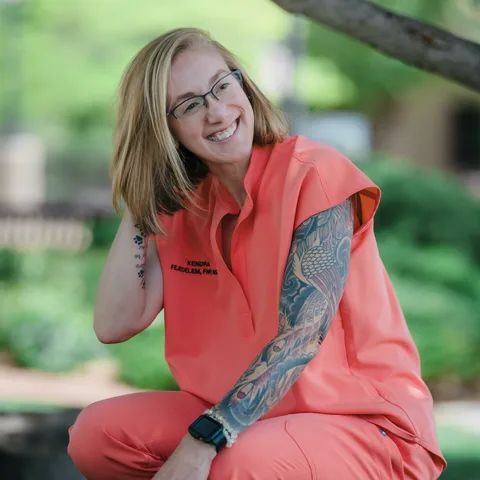
Kendra runs a small virtual menopause practice, and every visit is by video for women located in Colorado. She went through menopause herself at 44 after more than a decade of symptoms, and she says she got little help at the time despite being a clinician. She starts hormone therapy one hormone at a time and adds others gradually, an approach she learned through the Heather Hirsch Academy. Non-hormonal options are fully supported, and you do not have to take hormones to be her patient. With six years in primary care, she can also help manage cholesterol, blood pressure, thyroid and blood sugar alongside menopause care. Hours are limited to two evenings a week for now, and new patients are asked to call before booking.