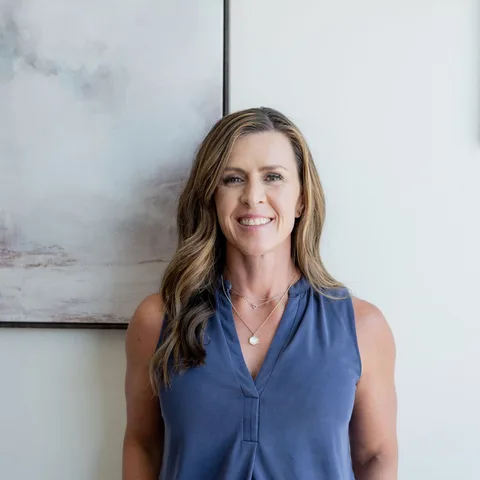
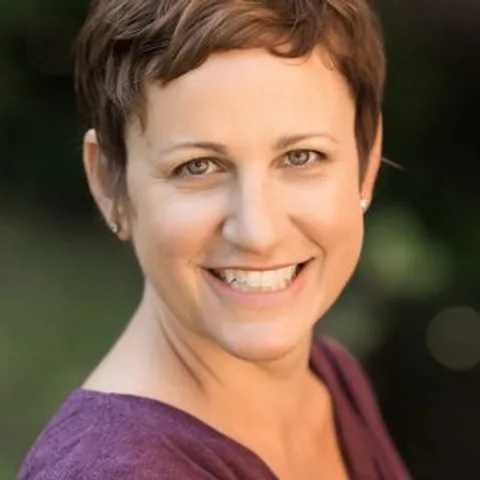
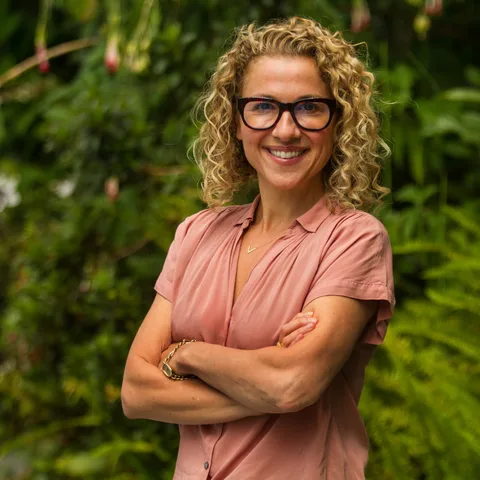
ClubMeno is a concierge, membership-only women's health practice in the Dallas and Fort Worth area, founded and run by a menopause-certified family medicine physician. The twelve-month membership covers all visits, secure messaging with the physician, clinically indicated labs and self-scheduled follow-ups. The first visit is about an hour of history, labs and a care plan built with the patient. Care is hybrid, in person at the Little Elm office or virtual for Texas residents, and an unusual emphasis is musculoskeletal health, with in-person joint, muscle and recovery treatment offered alongside hormone therapy as a separate package. Prospective patients can book a twenty-minute discovery call before joining, and the practice does not see patients 65 or older.
Dr. Ghofrany is a longtime OB/GYN who runs a video-only menopause practice for women in Connecticut and Florida. Care comes as a six-month or one-year membership with an hour-long first visit, shorter follow-ups and unlimited portal messages, or as a single one-hour consult. She requires every patient to keep her own primary care doctor and gynecologist for exams and screening, and asks for recent screening results when you join. She prescribes hormone therapy often, mostly FDA-approved bioidentical products from regular pharmacies, and uses compounding only when a patient needs a formula that isn't sold commercially. She is not the place for a quick hormone refill, because visits center on talking through options like nutrition, exercise and mindset alongside medication. She speaks openly about her own ovarian cancer and surgical menopause, and also sees women dealing with cancer survivorship, endometriosis and PCOS.
Jana Magarian is the menopause-certified nurse practitioner at Macrae Medical, a small membership practice on Aquidneck Island. Menopause care is its own monthly membership with unlimited visits, separate from the practice's primary care membership. She uses FDA-approved hormone therapy and non-hormonal options, along with diet, exercise and lifestyle advice. Her care also covers bone and heart health, and she manages thyroid problems as part of her primary care work. The practice does not bill insurance for visits, so patients keep their own insurance for specialists and emergencies.
Treehouse Family Medicine is a small direct primary care office in York that Pamela Lord-Voshell runs with a family physician. Menopause care is set up as its own program, so a woman can come just for that without joining the primary care membership. It starts with a long first visit to go over symptoms, history and goals and settle on a hormone or non-hormone plan, then a six month stretch of follow-up visits, labs and unlimited messaging while the plan gets adjusted. After that she either stays on for lighter ongoing support or they write up her plan and hand her care back to her own doctor or gynecologist. Lord-Voshell spent seventeen years in primary care before shifting her focus to women's health, and she says she is going through perimenopause herself. Visits run thirty to ninety minutes and there is no waiting room.
Alexis Kochevar is a physician assistant at Strive Direct Health, a direct primary care clinic in Erie that does not bill insurance. Patients pay a monthly membership that covers their visits, and members can reach the team by text, phone or video. She has practiced family medicine for close to 20 years and handles menopause and hormone therapy as part of that everyday primary care. She is also trained in functional medicine and puts a lot of weight on nutrition, fitness and lifestyle alongside hormones. The clinic says Colorado law keeps it from seeing anyone on Medicare, so it suits women who are not yet 65. In-person visits happen at the Erie office.
Dr. Nielsen is a family-medicine physician practicing integrative and functional medicine, seeing patients entirely by secure video visit throughout Michigan. She is explicit that she works as a physician consultant rather than a primary care doctor, with no primary care, urgent care or after-hours services, and is happy to communicate with a patient's own physician. Menopause and perimenopause care is one of three main service lines alongside thyroid optimization and gut health, with hormone therapy decisions framed around symptoms, targeted laboratory testing and personal risk factors. Initial consultations run 45 to 60 minutes after a detailed health history, and plans typically combine advanced testing with nutrition, supplements and prescriptions.
Dr. Aimée has been in practice since 2001 and sees patients at Santa Cruz Integrative Medicine, an office she shares with several other practitioners. Her focus is women's health and midlife care, and she prescribes bioidentical hormones, including compounded ones, while every plan also covers nutrition, exercise, sleep and stress. The first visit is an hour, and she does not review your history or labs beforehand unless you book the longer version. Visits are in the office, by Zoom or by phone, though video for new patients who live too far away is arranged case by case. She wants you to keep an MD or DO as your primary doctor for emergencies, and she needs to see you once a year to keep refilling prescriptions.
Dr. Takemoto-Gentile is a family physician who runs a direct primary care practice in Honolulu with Dr. Curtis Takemoto-Gentile. Patients pay a monthly membership that covers unlimited office visits, and they can reach her directly by phone, text, email or video. Hormone therapy for women is one of her main interests, including bioidentical hormones, and the practice runs its own hormone program priced separately from the membership. She does well-woman exams and Pap smears too, so routine screening and menopause care can happen in one place. Each doctor keeps fewer than 600 patients, and you can meet one of them for free before deciding to join.
Adrian Thompson runs Vida Women's Health on her own, so every visit and message is with her. She started the practice after her own perimenopause, when her OB-GYN told her she was too young for hormone therapy. Visits run 60 minutes and happen mostly by video, with in-person visits also offered in Falls Church City. She prescribes FDA-approved bioidentical estrogen, progesterone and testosterone through your regular pharmacy, and steers away from compounded hormones and unneeded lab panels. Most patients use a one-year visit package that includes six visits and direct messaging, though single visits are available. She also sees breast cancer survivors and BRCA previvors, working with their oncology team on hormonal or non-hormonal options.
Live Well Collaborative is Nicole Pichette's solo integrative and lifestyle-medicine practice, seeing patients in Melrose, Downtown Crossing Boston and Lynnfield, plus telehealth anywhere in Massachusetts. Care runs through a three-phase model. Every new patient starts with an Illuminate Phase deep-dive assessment with labs ordered in advance, most then move into a three-month Elevate Phase program, and an optional Harmony Phase membership covers monthly or quarterly follow-ups with email check-ins between visits. She orders both conventional and functional labs and prescribes when clinically appropriate, but not stimulants or narcotics. Alongside clinical visits she runs The Healing Collective, offering reiki, yoga and nervous-system sessions.
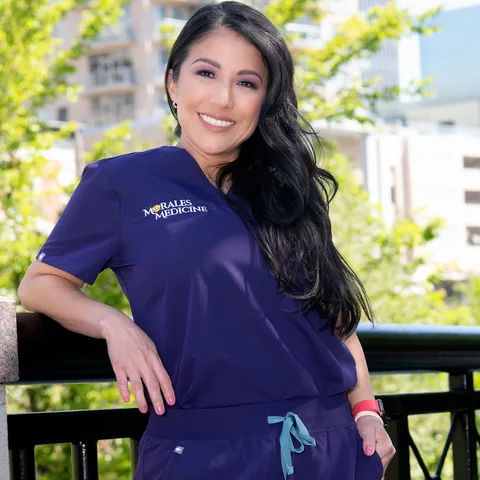
Dr. Morales runs a video-only practice for women in Nevada and California, with a special focus on hormone care for breast and gynecologic cancer survivors. New patients book a one-hour hormone consultation online, and cancer survivors get a longer first visit. Every visit is with Dr. Morales herself, and prescriptions go to the pharmacy you choose. She prefers FDA-approved hormones and also prescribes compounded therapies for certain conditions. Consultations include a review of labs, mammograms and bone scans, and she helps arrange an in-person exam when one is needed. She grew up in Northern Nevada, raised a child as a teenage single mother, and served twelve years in the military.
Dr. Fagan owns Four Mile Creek Health, a small direct primary care practice in Boulder where she is a family doctor to her members. Hormone therapy is handled inside that primary care relationship, alongside weight and metabolic health, rather than as a separate menopause program. Visits run 45 minutes, and members can reach her by text, phone or email and see her in person or remotely. Her interest in hormones goes back a long way, since her master's thesis was on bioidentical transdermal hormone therapy. Her panel is full, so new patients are booked onto her calendar and the first visit may be several months away. A free 15-minute meet and greet comes before joining.
Dr. Rawof founded Sana Medical Care, a small practice of her own in the Lake Nona area of Orlando. She sees women for perimenopause and menopause alongside family medicine patients from age seven up, so a patient can keep her as her regular doctor. Menopause care starts with one physician consultation and then runs as a three month program, and the higher tiers add messaging access and quicker replies. Her stated approach is to work out what is driving the symptoms, so a plan can cover hormones, metabolism, sleep and mood at the same time. Virtual visits are available and Tuesdays are set aside for telemedicine. She trained in family medicine in Canada with extra emergency medicine training, has taught as faculty at several medical schools, and is also a certified life coach.
Takes Blue Cross Blue Shield, UnitedHealthcare +1 · first visit $225
Jody Buchanan runs a solo women's health clinic in Andover, Kansas, in space inside an Andover Family Chiropractic office. She sees women from their first period through post-menopause, and she also sees men for sexual and reproductive health. New patient visits are 60 minutes and follow-ups are 30, and after the first visit many menopause follow-ups can be done by video for patients in Kansas. For hormones she stays with FDA-approved bioidentical hormone therapy and walks through the risks and benefits for a woman's age and health history. When hormones are not a good fit she turns to non-hormone medication along with sleep, nutrition and stress changes. She calls her visits trauma-informed and keeps smaller modern speculums on hand for teens and anyone nervous about an exam.
Precision FemCare is Dr. Ginsberg's own practice and every visit happens over Zoom, so a patient needs to be in Texas, New York or Tennessee at the time of her appointment. Everyone starts with a Core Diagnostic consult covering blood work, symptoms and any outside labs, and she will not prescribe hormones on symptoms alone. She uses compounded bioidentical hormones and deliberately avoids patches and pellets, because a fixed dose cannot be adjusted as hormone levels move. Nothing is done in person, so you keep your own gynecologist for pap smears, mammograms and well-woman exams. Her own schedule is at capacity, so new patients join her waitlist or start with one of the practice's nurse practitioners. She is a black belt, an Ironman finisher and a repeat Boston Marathon qualifier, and she uses AI tools and a digital twin of herself to keep guidance going between visits.
Dr. Binno is an OB-GYN who is also board certified in obesity medicine. That means weight change in perimenopause is something she treats herself, including with GLP-1 medication when a patient qualifies. Most care is by video, with in-person visits one day a week in Carlsbad. First visits run up to an hour and start from the patient's history, symptoms and recent labs. She supports compounded hormones for reasons like an allergy, but says her experience with them is limited, and she does not prescribe pellets. She will see women who already have an OB-GYN, and she leaves exams and mammograms to their local doctors.
Takes Blue Cross Blue Shield, Cigna +8 · first visit $275
Toun Sogbein is a women's health nurse practitioner with Visana Health, a women's health practice that works entirely by video out of Minneapolis. She handles menopause and perimenopause along with the gynecological and sexual health problems that often sit alongside them, and she came to this work from public health clinics and a community health degree. First visits run 45 minutes, and patients stay with the same provider and can message the care team through the patient portal between visits. Visana's menopause care follows protocols written by Dr. Barbara Levy, and a patient can go the hormone route or a non-hormonal one after talking it through. Labs and imaging get ordered near home when they are needed, and optional health coaching covers food and exercise for anyone who wants that support. Many patients reach Visana through an employer or health plan, and the site has a start page where you look up yours.
Nova Francis-Wallace sees patients at a small direct primary care practice in Pensacola that she runs alongside a physician assistant. Hormone care is its own monthly program. You enroll, get labs drawn in the clinic or at Labcorp, then have a one-hour visit to go over results, examine you and talk through the risks and benefits of hormone therapy. Members can reach the practice by phone, text and email, and video visits are offered when getting to the office is hard. Before becoming a nurse practitioner she spent years as an emergency and intensive care nurse, and she led the first COVID testing clinic in the Florida panhandle. The practice starts with a free 15 minute phone call to see if it is a good fit.
Dr. Knight runs a solo membership practice in the Creekside area of The Woodlands, with separate monthly programs for menopause care, medical weight loss and primary care. She is board certified in internal medicine and obesity medicine on top of her menopause certification, and she treats hormone changes and weight together instead of sending patients elsewhere for the metabolic side. The first visit is a full hour covering history, symptoms and past labs, and it ends with a 3D body composition scan she uses as a baseline. She offers bioidentical hormone therapy and hormone testing for women who are candidates. Members can text or call her directly, and every visit is with her rather than another clinician. She sees adults only, and she asks patients to keep seeing their own gynecologist for gynecological exams.
Dr. Bryson runs a small virtual practice built around two things, menopause care and medical weight management. She is boarded in both family medicine and obesity medicine, so many of her midlife patients come in dealing with weight changes and hormone changes together. She sticks to FDA-approved hormone therapy and also prescribes non-hormonal options. Care starts with a free 15-minute meet and greet, then a long new-patient visit with a full health history and workup. Members move from monthly visits down to every three or six months once treatment is stable, and they can reach her directly by text, phone or email. She currently sees Arkansas residents only and cannot take patients on Medicare.
Elevate Health is a solo nurse practitioner practice in Parker for midlife women, opened after 25 years in women's health, family practice, endocrinology and obesity medicine. She sees women for perimenopause and menopause symptoms, and she also treats insulin resistance, prediabetes, PCOS and hypothyroidism. New patient visits run 60 to 90 minutes and cover symptom history, education on menopause physiology and a hormone therapy plan when one fits. Weight care starts with lifestyle changes and adds GLP-1 medication when appropriate. The practice does not do well woman exams or act as primary care, so patients keep routine screening with their own gynecologist or doctor. Visits are in person or by video for people living in Colorado, and a free intro phone call is offered before a first appointment.
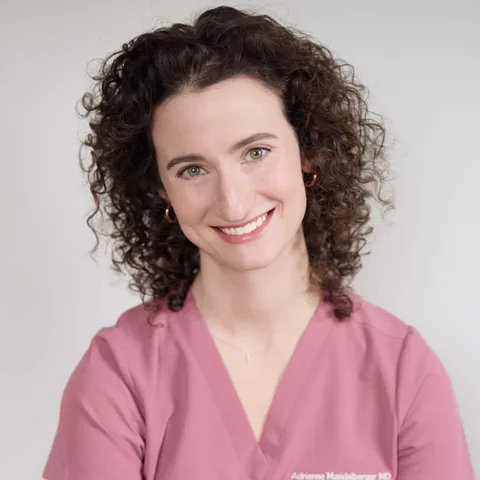
Dr. Mandelberger is a gynecologic surgeon who took up menopause care after realizing she had been telling patients their symptoms were just normal aging. Her practice runs mainly on a yearly membership with hour-long visits, same or next-day booking, and texting and email with her directly. Care starts with an hour-long intake consult, and non-members can also book single menopause visits. She offers hormone and non-hormone treatment and says she won't push supplements or compounded medications when tested standard options exist. New York residents who only want menopause help can buy a yearly video package, but they need to keep their own primary care doctor and gynecologist. She limits how many members she takes, and people are put on a waitlist when the practice is full.
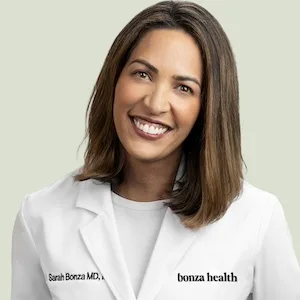
Dr. Bonza is a family physician who runs a small menopause and perimenopause practice in Upper Arlington, seeing women in person or by video. Care starts with a broad lab panel ordered before you meet, then a 50-minute visit to go through the results and build a plan. The one consultation fee covers a full year of follow-up, including text access to her through a patient portal, repeat labs and medication changes. She prescribes FDA-approved hormone therapy and also treats with testosterone, thyroid support and weight medication for women who qualify. She came to this work after her own symptoms in her 40s were brushed off by other doctors. She does not act as a primary care doctor, so you keep your own for everything else.
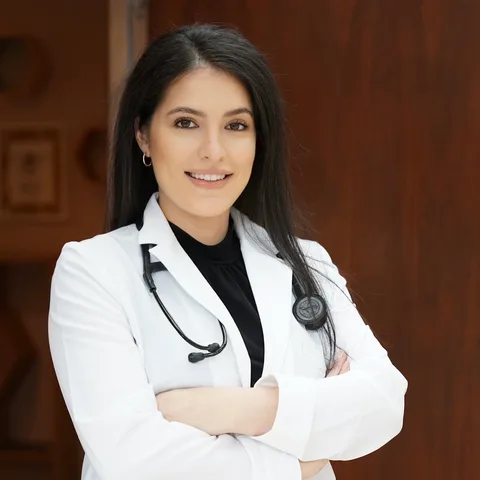
LIV Medical is a solo direct primary care practice built around women's health. Dr. Margjoni is a board-certified family physician who started the practice after her own frustration as a patient. Menopause and perimenopause care can be booked on its own, so you do not have to join as a primary care member first. The first visit is an hour and the follow-up is usually about three months later to review labs and adjust treatment. She uses estrogen, progesterone and testosterone when appropriate, alongside non-hormonal options, and she does not offer or recommend hormone pellets. Members can call, text or email her between visits.