198 practitioners have an office in Pennsylvania, and 94 more can see patients here by telehealth. 210 of them are certified by the Menopause Society, and the most are in Philadelphia, Pittsburgh and Allentown.
Takes Aetna, Blue Cross Blue Shield +2 · first visit $200
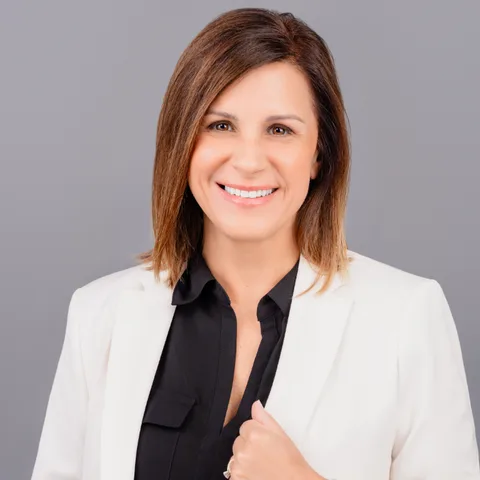
Aspire Mental Health is Stephanie Arotin's own psychiatric practice in Indiana County, and menopause care sits alongside the mental health work rather than replacing it. She is board certified as both a psychiatric mental health nurse practitioner and a family nurse practitioner, which is how a mental health office ends up prescribing FDA approved hormone therapy. Her menopause page is aimed at women whose hot flashes, night sweats, brain fog and mood changes are tangled up with hormonal shifts. A first visit runs about an hour and follow ups are half an hour, with medication, nutritional supplements and lab results reviewed along the way. She asks that initial evaluations happen in person even though later visits can be virtual, and the online booking tool lets a new patient pick hormone replacement therapy as the reason for the visit. She also offers genetic testing to gauge how a patient is likely to respond to psychiatric medications.
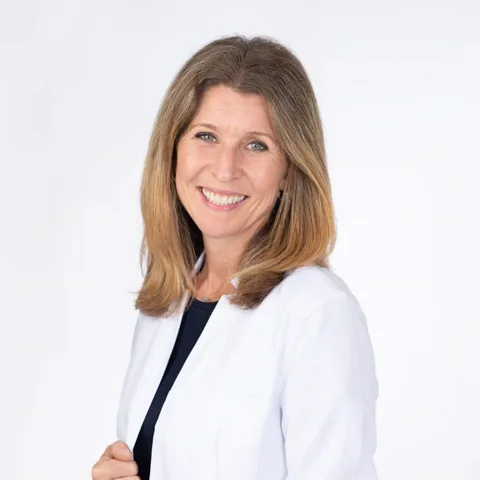
Dr. Kostacos is an internist who runs a small concierge primary care practice in Horsham, affiliated with the Ms.Medicine network. She sees adult women and men, and menopause and hormone therapy are part of her everyday care rather than a separate clinic. Members get unhurried visits with her and can reach her directly by phone or email at any hour. People who don't want a membership can book a single extended consult about one concern, such as a second opinion on menopause symptoms. She is also board certified in obesity medicine and writes that there is no five year cutoff for hormone therapy, only a yearly check on whether it still makes sense. New patients start with a meet and greet visit, and some visits can be done by video.
Dr. Newingham runs a small membership-based primary care practice in Newtown, Pennsylvania, and is the physician for every member. She has worked as a family physician for about a decade and trained in family medicine at Abington-Jefferson. Members get longer visits and can call or text her directly, with same or next-day appointments when possible. She also runs a six-month Midlife Health Track, which opens with a 90-minute visit covering a perimenopause evaluation and heart and metabolic risk. Her approach puts nutrition, strength, sleep and stress first and adds medication when it is needed. You can meet her for free in the office or by video before deciding to join.
Dr. DiGirolamo is a reproductive endocrinologist who spent a decade as a fertility specialist at Boston IVF before opening this virtual practice. She sees women from their first periods through menopause, with a focus on active women and athletes, and she manages perimenopause, menopause and hormone therapy. Care starts with a 50-minute Zoom consultation after an intake questionnaire, followed by shorter video follow-ups. Visits are video only, and a medical visit is only possible if you are calling in from a state where she is licensed. She is also a CrossFit trainer and nutrition coach, and she builds care on exercise and nutrition first, adding medication as needed. She does not provide primary care and recommends you keep your own primary care doctor.
Dr. Mandigo is an OB-GYN who runs a small cash-pay video practice alongside her main job at a community health center in Southern California. Perimenopause and menopause are among the concerns she sees, along with contraception, abnormal pap results and pregnancy questions. You start by filling out a short request form, and she replies by email within a day to set up a video visit. Consultations run 45 or 60 minutes with short follow-ups after that, so there is time to talk things through. She says she started the practice because appointments elsewhere were too short and too hard to get. Countering health misinformation is something she cares about a lot.
Takes Aetna, Blue Cross Blue Shield +4 · first visit $150
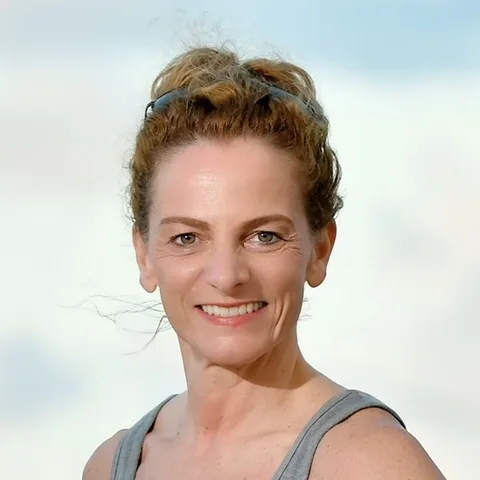
MyMenopauseRx is a virtual menopause practice founded by a gynecologist, and Krantz is one of about a dozen clinicians a patient can pick from. Visits are video appointments of about thirty minutes, and most patients come back every eight to twelve weeks until their symptoms settle. She prescribes FDA-approved estradiol and progesterone rather than compounded hormones, and the practice is clear that it works alongside a patient's own primary care doctor rather than replacing it. Testosterone is written only for patients located in Illinois, and everyone else gets the prescription from their own doctor while the practice manages the dosing. Krantz has practiced for more than thirty years in university, HMO, community health and telehealth settings, and she completed the integrative medicine fellowship at the University of Arizona with training in medical acupuncture. She works from Oregon and says she has aged alongside her patients, which is how menopause care became her emphasis.
Bold Wellness is Torrie Clontz's own virtual practice for women in midlife, run from Las Vegas and open to patients in about fifteen states. Care starts with a two visit intake that includes a wide blood panel drawn at a lab near you and a follow up to go through the results and set a plan. After that most patients stay on a monthly membership that covers prescription changes and messaging with her through the patient portal. Alongside hormone therapy she runs a weight and metabolic program using GLP-1 medication, and she adds functional tests such as gut, cortisol and vaginal microbiome panels when they fit. She is clear that she is not a primary care provider or an OB-GYN, so patients need to keep their own and see her for the hormone and midlife side. Her own hypermobile Ehlers-Danlos diagnosis, which came after a circus career ended in injury, is why she started the practice and she treats that alongside hormones.
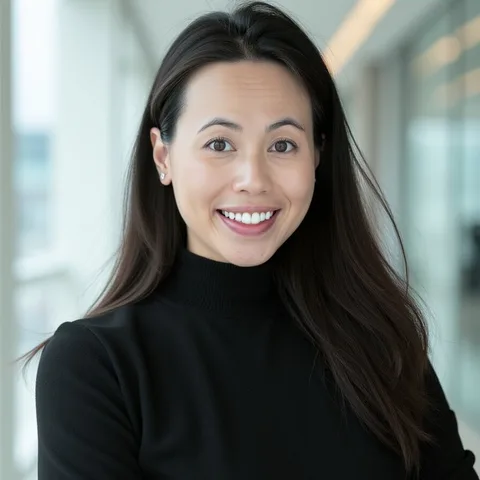
Diana Kumar is a board certified OB-GYN who co-founded Gliss Wellness, a virtual practice built around perimenopause and menopause. All care happens by video and secure messaging, so there is no office to visit. A menopause visit runs about 30 minutes and ends with a plan and prescriptions for an initial three month period, followed by a check-in visit before refills continue for the rest of the year. She prescribes hormone therapy when it fits, can order labs and scans, and sends prescriptions to the patient's own pharmacy. She also sees women for weight counseling and for urgent gynecology problems handled through a short written form. Her stated areas of interest are PCOS, sexual dysfunction, bone health and longevity medicine.
Wendy Ronco is a nurse practitioner at a large primary care practice in Exton, and her work there now centers mostly on menopause care. To see her you have to be a patient of the practice with one of its clinicians as your primary care provider. New patients can enroll with the practice and then book with her. She sees patients in the office and also does menopause visits by video on Tuesdays and Wednesdays, for patients who are in Pennsylvania at the time. She has spent her whole career in women's health and obstetrics and also handles gynecology such as Pap smears and IUDs. The practice's clinicians also run a free on-demand video series on menopause.
Dr. Troutman runs a small insurance-free practice in Camp Hill for women in perimenopause and menopause, and many of her patients also want help with midlife weight gain. Care starts with a free 15-minute video meet and greet, then a 60-minute first visit, then a fixed-length program of four or six months with follow-up visits and optional monthly group sessions led by her. She prescribes only FDA-approved estrogen, progesterone and testosterone. She does not use pellets or compounded weight-loss drugs. She has a separate track for women who were told they can't take hormones, such as breast cancer survivors or women with a clotting history. She works as a consultant alongside your primary care doctor rather than replacing one, and you can see her in person or entirely by video.
Wendy Vaks sees women at a small Allentown hormone practice led by reproductive endocrinologist Albert Peters, a colleague she has known for close to 20 years. She started in family practice and urgent care, then spent years in OB-GYN at St. Luke's and Grand View Health, and she left the large networks because they limited the time she could spend with each patient. She describes her approach as laying out a menu of options rather than a single plan. First visits run 60 to 90 minutes and cover medical history, diet and fitness before specialty testing is ordered, and you leave with a follow-up already booked to go through the results. The practice tests hormones through blood, saliva and urine, and it prescribes bioidentical hormones as capsules, creams, patches, injections or Biote pellets, with return visits at about three months and then every six months after that. Appointments are requested through a form on the site and can be in person or virtual by video or phone.
Klemens is an OB/GYN at Jefferson Health's Willow Grove office, which was Womencare Obstetrics & Gynecology before Jefferson took it over. She is one of ten clinicians Jefferson lists on its menopause care team, and her own page names menopause and perimenopause among the conditions she treats. This is a general OB/GYN practice rather than a menopause-only one, so hormone therapy sits alongside pap tests, fibroids and gynecologic surgery in what she does. Jefferson's menopause program starts with a full evaluation before deciding between hormone therapy and non-hormonal treatment, and it says plainly that the timing of when you start hormones matters. New patients can book online without phoning first, and her booking page offers a telemedicine first visit as well as an in-office one. She also sees patients at Jefferson's Abington office and delivers at Jefferson Abington Hospital.
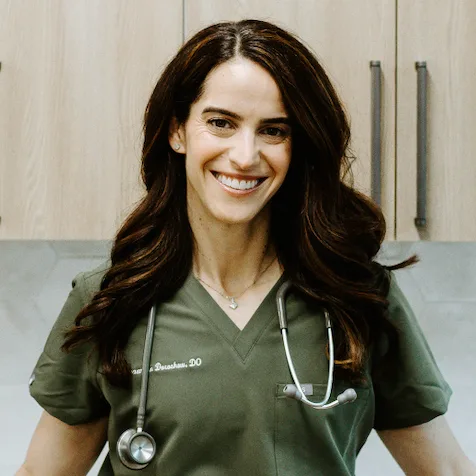
Dr. Doroshow runs a small membership primary care practice for adults in Ambler. She is a family physician and holds the Menopause Society certification. Menopause care is a 12-month program covering symptom review, bloodwork, hormone or non-hormonal treatment, and follow-ups in the office or by video. New patients start with a free meet and greet, and members can text her directly between visits.
Amy Harvey O'Keeffe is one of six physicians at Capital Health's OB/GYN office in Yardley, and she has cared for women in the Mercer and Bucks County area for more than 30 years. Her own focus is menopausal medicine and women's sexual health, inside a group practice that otherwise covers pregnancy, routine gynecology and gynecologic surgery. She also sees patients at the group's Browns Mills office in New Jersey. Appointments are made by calling the office, and there is a lab draw station in the Yardley suite. She is a Master Level Reiki practitioner and describes her care as a blend of wellness coaching and integrative medicine, with daily meditation part of what she asks of patients. In 2010 she started The GyniGirls, a monthly support group for women diagnosed with gynecologic cancers.
Dr. Carol runs a small concierge practice for women in perimenopause and menopause, and she is going through midlife herself. She spent about 20 years as an emergency physician before turning to menopause care. Care starts with a free 30-minute video call. After that comes a package of two long visits, each 60 to 90 minutes, and you can message her between and after them. Visits can be at her Manhattan office, by video, or at your home or workplace. The visits look at symptom treatment along with bone, heart and breast cancer risk. She does not replace your own doctors, so you still need a primary care doctor and a gynecologist for exams and mammograms.
Dr. Wang is an internist who spent about 20 years in primary care and is also board certified in obesity medicine. She now sees women in perimenopause and menopause by video only, as an affiliate clinician of Dr. Heather Hirsch's Collaborative membership. Care runs through that membership, which has a one-year minimum and covers visits and messages with no charge per visit, plus group Q&As and coaching sessions. Her approach puts a lot of weight on nutrition, metabolic health and mindset alongside medical treatment. She asks patients to keep their own primary care doctor and gynecologist for hands-on care, since she does not see anyone in person.
Jackie Stone, MD sees women entirely by telehealth, in a practice she runs alone. She is board certified in obstetrics and gynecology and in obesity medicine, and treats perimenopause, menopause and primary ovarian insufficiency alongside PCOS, genitourinary symptoms, sexual wellness, and skin and hair changes. First visits run a full hour and cover past records, labs and a treatment plan. Ongoing care is by monthly membership or visit by visit, with direct messaging for members.
Pamela Neff is an OB/GYN at T.H.E. Health and Wellness Centers, a federally funded community clinic group with five health centers around south Los Angeles that has been seeing patients since 1974. The clinic takes people regardless of ability to pay or immigration status, and its own pages cover gynecology, family planning and prenatal care rather than menopause. Her menopause practice is published through Gennev, a virtual menopause service where she sees California, New Jersey and Pennsylvania patients by video. She names perimenopause, menopause, premature ovarian insufficiency and breast cancer risk or survivorship among what she handles. Before Los Angeles she practiced nearly twenty years in Philadelphia, doing minimally invasive surgery and training OB/GYN residents. She says she listens first to what a patient has already been through with health care, then works out a plan with her.
Dr. Holt runs a small private-pay practice for women, mostly by telehealth with in-person visits in Manhattan. Every new patient starts with a paid assessment that includes a long intake visit, an extended lab panel and a second visit to go over the results. Hormone care for perimenopause and menopause then runs as a three-month program or a monthly membership with a monthly physician visit and portal messaging. She is board certified in preventive medicine and lifestyle medicine and also trained in functional medicine. Her site puts unusual weight on the nervous system, and names breathwork, somatic trauma work and faith as part of care. Her blog describes adjusting estrogen and progesterone slowly and changing the form or timing when a woman reacts badly at first.
Dr. Latte-Naor is an internist who spent eight years on the integrative medicine service at Memorial Sloan Kettering. Much of her practice is women going through menopause during or after cancer treatment. First visits run about an hour, and she suggests coming to the Upper East Side office for that one, with video visits available for patients in New York, New Jersey or Pennsylvania. Alongside hormone therapy she uses sleep-focused behavioral therapy, mindfulness and hypnosis. She gives frank, evidence-based advice on herbs and supplements, sells none herself, and passes any supplement discount on to patients. You can book a single consultation or ongoing care, and her office sends an intake packet once you schedule.
A solo practice run by a physician board-certified in OB/GYN, maternal-fetal medicine, obesity medicine and lifestyle medicine, caring for women from preconception through menopause with weight, metabolic and midlife hormone management under one clinician rather than split between specialists. Care is hybrid. Most visits are virtual across New Jersey, New York and Pennsylvania, and there is a Fanwood office for in-person appointments and body composition scans. After a flat intake visit, patients either pay per visit or join a single membership that bundles all visits, portal messaging with a one to two business-day reply, periodic labs, and screening reminders. Dr. Maggio is unusually open about her own hundred-pound weight loss and frames obesity as a chronic condition rather than a willpower problem.
Caran Hayes is a physician assistant at Aspirational Health, an independent primary care practice in Mars, north of Pittsburgh. The practice's women's hormone health page is built around her, and she sees women through perimenopause and menopause. First visits run about an hour, with follow-up care and portal messages between visits. She can also be your primary care provider.
A solo practice founded by Erin Glassman, PA-C, for women through perimenopause and menopause, with a clinical background in urology and particular focus on genitourinary symptoms, recurrent urinary tract infections and overactive bladder. Care starts with an intake form and lab work completed at an outside lab, then a 60-minute in-person consultation built around those results and a hormone plan. The first visit is always in person, and follow-ups can be in the office or virtual. A free 15-minute discovery call is available first, and the practice operates under a managed service agreement with a supervising physician.
Emily Friesen Burkholder is a women's health nurse practitioner at Penn State Health Obstetrics and Gynecology on Bernville Road in Reading. The office is a hospital-based group with OB/GYNs, nurse midwives and a urogynecologist, and it covers women from puberty through pregnancy and into the years after menopause. Penn State Health's Berks women's care page lists menopause and perimenopause care among its gynecology services and says the team helps with hot flashes and night sweats, trouble sleeping, mood changes, bone density loss and urinary incontinence. On her own page she says she aims to give patients a safe place to ask questions, and she counts menopause among the life stages she likes to support them through. She started her nursing career at the Hospital of the University of Pennsylvania caring for leukemia and lymphoma patients, then moved to the labor and delivery unit there. Visits are billed to insurance and appointments are made by calling the office, and the site does not say which menopause treatments she uses.