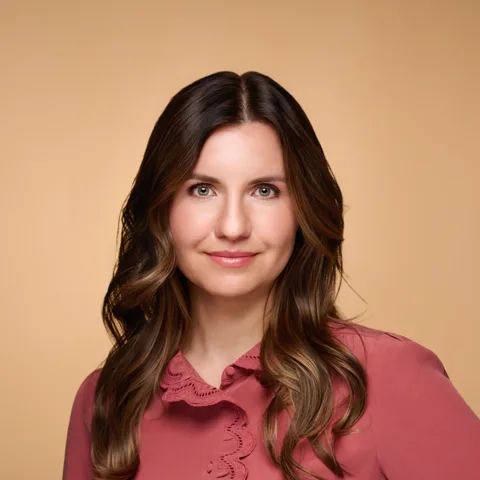
Women's Wellness Psychiatry is a small California group of reproductive psychiatrists and psychotherapists that Dr. Glezer founded in 2017 and still leads. Care is almost entirely by video across California, with offices in Walnut Creek and West Los Angeles kept for the visits that need to happen in person. Every prospective patient starts with a free fifteen minute phone call with Dr. Glezer, then a seventy five minute intake covering symptoms, history, hormonal context and lifestyle that ends with a written plan. She treats the mental health side of perimenopause and midlife rather than the physical symptoms, and the practice says it coordinates with your OB/GYN or primary doctor. Her integrative sessions review hormone, thyroid and nutrient labs, and she uses botanicals and nutraceuticals alongside prescription medication. The practice says your care stays with a board certified psychiatrist rather than a nurse practitioner or PA, and new patients currently join a waitlist.
Dr. Vityuk runs a small direct primary care practice in Walnut Creek that is built mainly for women in midlife, though she sees all adults. Members pay a monthly fee instead of per-visit bills and can message her directly. Menopause care is part of her everyday primary care, along with medical weight management and routine gynecologic care like Pap smears. She prefers FDA-approved hormones to compounded ones and says plainly that she doesn't offer pellets because they push hormone levels too high. She grew up in Ukraine and finished medical school there before training in family medicine in Chicago. Patients are told to keep their own insurance for specialists, imaging and hospital care.
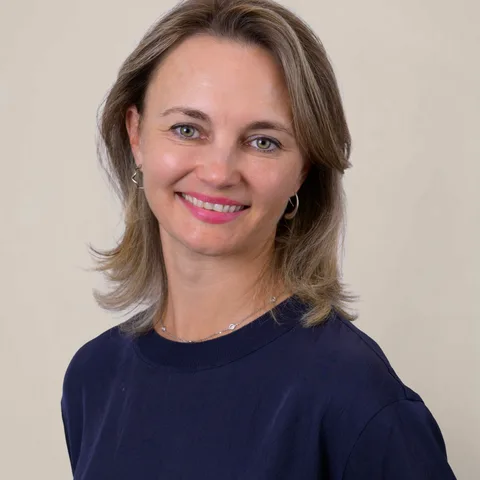
Dr. Kolomey is an internist who runs a small primary care practice and treats menopause as one of her main areas. She keeps a smaller patient panel so visits are longer and patients message her directly through the portal. Menopause care is organised as a six-month plan that covers symptoms, hormone therapy and non-hormonal options, sexual and urinary health, and bone and heart prevention. A body composition scan is part of it. She is also board certified in obesity medicine, so weight and metabolic changes at midlife are handled in the same practice. Visits can be in person or by video. The Antioch office closes at the end of 2026, after which she sees patients in Walnut Creek.
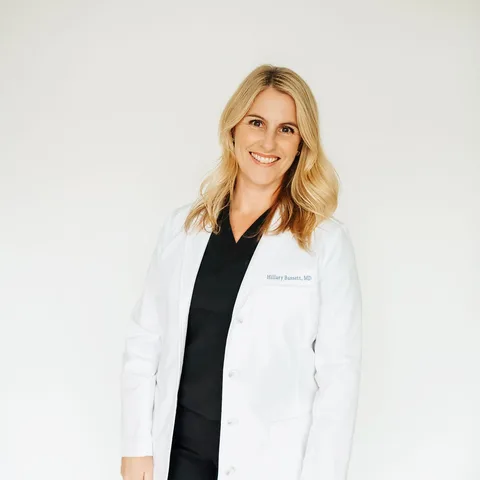
Dr. Bassett is an integrative and functional medicine physician who spent over 15 years in emergency medicine before opening this practice. Care starts with a 90-minute assessment, in person in Walnut Creek or by video, followed by a health coach visit. Patients who are a good fit can join a 12-month membership with regular visits and direct messaging. She is a consultant only and patients must keep their own primary care doctor.
This is a general OB/GYN practice that also delivers babies and does gynecologic surgery, so menopause care sits alongside the rest of women's health. Dr. Leach is also Medical Director of OB/GYN at John Muir Walnut Creek. The office prescribes FDA approved bioidentical estradiol and progesterone by mouth, on the skin or in the vagina. It prefers these to compounded hormones because blood levels can vary from batch to batch. Marybeth Wakefield, a nurse practitioner who also holds the Menopause Society certification, sees midlife patients in the same office. The practice works with the Cancer Support Community of Walnut Creek to help survivors with symptoms like vaginal dryness, including those who cannot use estrogen. New patients are currently being welcomed.
Banner Peak Health is a four physician concierge practice in Walnut Creek, and Klein is the one who carries the Menopause Society certification. Care runs on an annual membership that covers unlimited visits and direct access to your own doctor by cell phone at any hour. New members start with a phone call to the practice director, then an unhurried meeting with the physician they would see, then a baseline assessment that can run two hours. Writing about perimenopause, Klein says she rules out thyroid problems, IBS, SIBO and gastroparesis before she looks at hormones, because the symptom cluster gets missed for years while a woman is sent from one specialist to the next. For treatment she describes an estrogen patch with oral progesterone, sometimes a progesterone IUD for endometrial protection, and a small amount of testosterone when it helps. She spent ten years in internal medicine at John Muir Medical Center and left because that setting gave her no time to be present with patients.