Menopause Society Certified Practitioners in Colorado
161 practitioners have an office in Colorado, and 120 more can see patients here by telehealth. 186 of them are certified by the Menopause Society, and the most are in Denver, Aurora and Boulder.
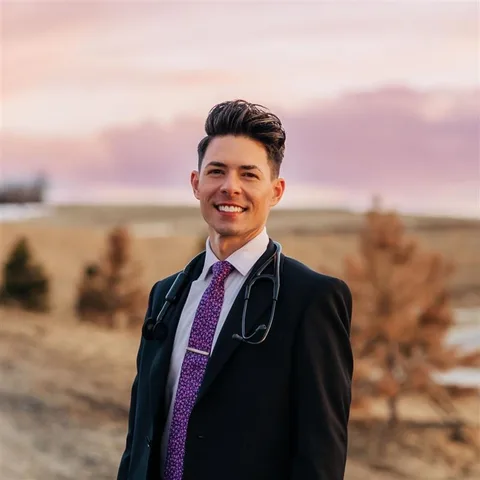
John Waters co-founded The Cove, a small concierge primary care practice in Castle Rock, with Dr. Aaron Block, who is also Menopause Society certified. The two run the menopause service together and describe themselves as a physician and nurse practitioner team. Care starts with a free meet and greet, and members then get office visits, same-day appointments and direct phone and email access to their provider. For hormones they use both FDA-approved and bioidentical options with ongoing monitoring, and they also look at bone, heart and metabolic health in midlife. Visits are mostly in person, with video visits offered only in some cases. John has practiced since 2009 with a focus on adult and older-adult medicine and LGBTQ+ care, and he leans on humor with patients.
Terra Share runs a solo practice out of Denver that is entirely virtual, and she sees patients for perimenopause, menopause and gender-affirming hormone care anywhere in Colorado. First visits run 60 minutes and follow-ups 45, with secure messaging in between. She orders and interprets labs herself and manages prescriptions for up to a year when that is appropriate. She does not bill insurance, and she says that is exactly what buys the longer visit. She also does short gyn urgent care visits in nine other states, but hormone care stays inside Colorado. She has written clinical protocols for larger healthcare organizations, and after living in Steamboat Springs and Missoula she cares most about reaching women who are nowhere near a city.
Jennifer McGeorge is a nurse midwife who spent years in home birth and labor and delivery before narrowing her practice to menopause after going through her own transition. Oasis is a small solo practice with an office in Montrose, plus phone and video visits. Care starts with a free short call and a long first visit, then shorter follow-ups and a longer yearly check-in. She prescribes estrogen, progesterone and testosterone, and offers non-hormonal medication for women who can't or don't want to take estrogen. She doesn't do physical exams, so you keep your own primary care provider for that side of your health. The office is up a flight of stairs with no elevator, and she will arrange another place to meet if you ask.
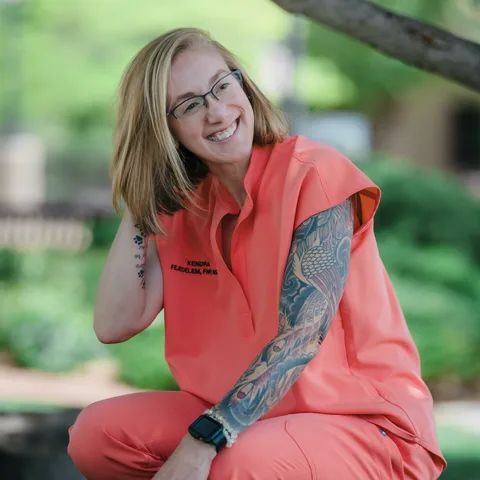
Kendra runs a small virtual menopause practice, and every visit is by video for women located in Colorado. She went through menopause herself at 44 after more than a decade of symptoms, and she says she got little help at the time despite being a clinician. She starts hormone therapy one hormone at a time and adds others gradually, an approach she learned through the Heather Hirsch Academy. Non-hormonal options are fully supported, and you do not have to take hormones to be her patient. With six years in primary care, she can also help manage cholesterol, blood pressure, thyroid and blood sugar alongside menopause care. Hours are limited to two evenings a week for now, and new patients are asked to call before booking.
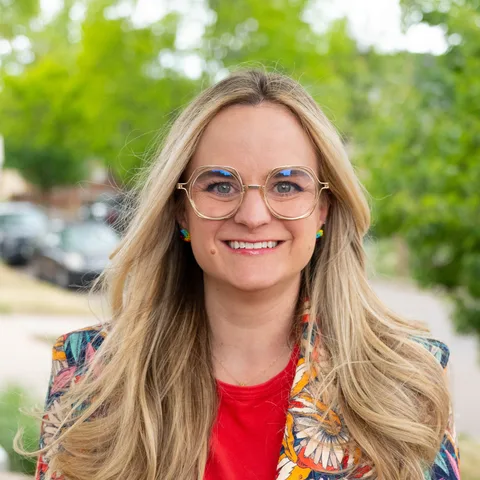
Dr. Gelderman-Moffett is an internist who runs a small, fully virtual practice for midlife patients in Colorado. New patients can start with a free 15-minute meet and greet, then have a 90-minute menopause consult built around a long questionnaire filled out beforehand. She prescribes FDA-approved bioidentical hormones as patches, gels, pills or vaginal rings, and also covers non-hormonal options and thyroid problems. Follow-ups usually come at three and six months, and patients mention a written email after each visit laying out what was discussed and the next steps. She has a strong sexual health focus, including low desire and pain with sex, and sees adults of all genders.
Alexis Kochevar is a physician assistant at Strive Direct Health, a direct primary care clinic in Erie that does not bill insurance. Patients pay a monthly membership that covers their visits, and members can reach the team by text, phone or video. She has practiced family medicine for close to 20 years and handles menopause and hormone therapy as part of that everyday primary care. She is also trained in functional medicine and puts a lot of weight on nutrition, fitness and lifestyle alongside hormones. The clinic says Colorado law keeps it from seeing anyone on Medicare, so it suits women who are not yet 65. In-person visits happen at the Erie office.
Dr. Fagan owns Four Mile Creek Health, a small direct primary care practice in Boulder where she is a family doctor to her members. Hormone therapy is handled inside that primary care relationship, alongside weight and metabolic health, rather than as a separate menopause program. Visits run 45 minutes, and members can reach her by text, phone or email and see her in person or remotely. Her interest in hormones goes back a long way, since her master's thesis was on bioidentical transdermal hormone therapy. Her panel is full, so new patients are booked onto her calendar and the first visit may be several months away. A free 15-minute meet and greet comes before joining.
Elevate Health is a solo nurse practitioner practice in Parker for midlife women, opened after 25 years in women's health, family practice, endocrinology and obesity medicine. She sees women for perimenopause and menopause symptoms, and she also treats insulin resistance, prediabetes, PCOS and hypothyroidism. New patient visits run 60 to 90 minutes and cover symptom history, education on menopause physiology and a hormone therapy plan when one fits. Weight care starts with lifestyle changes and adds GLP-1 medication when appropriate. The practice does not do well woman exams or act as primary care, so patients keep routine screening with their own gynecologist or doctor. Visits are in person or by video for people living in Colorado, and a free intro phone call is offered before a first appointment.
Dr. Alizadeh runs a small virtual gynecology practice for women in Colorado, and perimenopause and menopause are her main focus. Every visit is by video and you work with her directly, starting with an hour-long first consult and shorter follow-ups after that. Messaging her through the patient portal is included between visits. She is an osteopathic physician and mixes lifestyle advice and supplements with prescription medication, including weight-loss drugs. The practice does not replace your regular gynecologist, so you still need someone in person for exams and screenings. She cannot see anyone on Medicare or Medicaid, even paying out of pocket.
Dr. Cassidy runs a small concierge family medicine practice in Cherry Creek that cares for whole households, from children to adults. She keeps a limited patient list so visits run 30 to 60 minutes, and members can message her directly and get same-day or next-day appointments. New menopause patients usually start with a long first visit and labs, then a results review and a check-in over the first month. When hormones fit, she tends to use estradiol through the skin with progesterone, and she also offers non-hormonal medicines for hot flashes. She writes a lot about perimenopause being brushed off as stress, and her care is built around connecting symptoms over time. Prospective patients can book a free meet and greet before joining.
Dr. Allison runs a small telemedicine practice for women in perimenopause and menopause. She spent 14 years as an emergency physician before moving into midlife women's care. She prescribes FDA approved hormone therapy and testosterone, and offers non-hormonal medicines for women who can't or won't take hormones. New patients fill out long history forms first, then have a 75 minute first visit and a short check-in two weeks later. She also covers bone health, breast cancer risk and prevention planning. She does not replace your primary care doctor or gynecologist, and she expects you to keep them.
Dr. DiGirolamo is a reproductive endocrinologist who spent a decade as a fertility specialist at Boston IVF before opening this virtual practice. She sees women from their first periods through menopause, with a focus on active women and athletes, and she manages perimenopause, menopause and hormone therapy. Care starts with a 50-minute Zoom consultation after an intake questionnaire, followed by shorter video follow-ups. Visits are video only, and a medical visit is only possible if you are calling in from a state where she is licensed. She is also a CrossFit trainer and nutrition coach, and she builds care on exercise and nutrition first, adding medication as needed. She does not provide primary care and recommends you keep your own primary care doctor.
Dr. Mandigo is an OB-GYN who runs a small cash-pay video practice alongside her main job at a community health center in Southern California. Perimenopause and menopause are among the concerns she sees, along with contraception, abnormal pap results and pregnancy questions. You start by filling out a short request form, and she replies by email within a day to set up a video visit. Consultations run 45 or 60 minutes with short follow-ups after that, so there is time to talk things through. She says she started the practice because appointments elsewhere were too short and too hard to get. Countering health misinformation is something she cares about a lot.
Kristine Groemping is a family nurse practitioner and former Navy officer who started out in labor and delivery nursing and later worked as a menopause specialist at Evernow. She founded this small cash-pay practice, which treats perimenopause and menopause along with weight management, thyroid conditions and low libido in women. She is openly against pellets, pricey supplements and frequent hormone lab testing, and follows Menopause Society guidelines for estrogen, progesterone and testosterone. Most care happens by video, with refills handled by video or secure message, and she also sees patients at an office in southwest Austin. New patients can request a first hormone, testosterone or weight consultation online, and the booking page also offers a free introductory call.
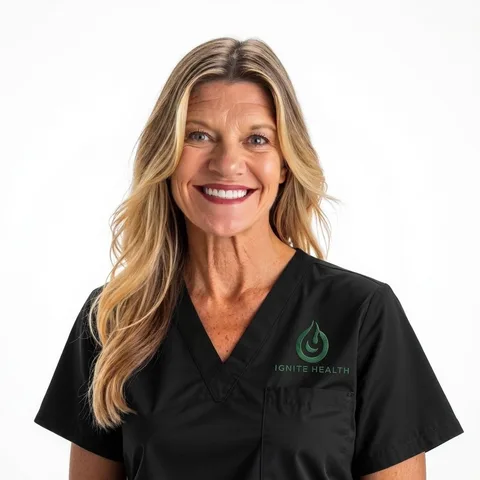
Ignite Health is a solo, telehealth-only practice run by Kiesha Katsares, a Menopause Society Certified Practitioner who also holds a Certificate of Advanced Education in Obesity Medicine. Every new patient starts at the same entry point, a twelve-week concierge program that evaluates hormones, metabolism, weight, sleep, mood, energy and sexual health. It includes secure messaging throughout and ends in a follow-up visit where the patient picks a continued-care track. Those tracks range from pay-as-you-go follow-ups to a membership that folds routine primary care in with hormone and metabolic management. She specifically takes women with complex histories, including a history of breast cancer, and will use non-hormonal options and coordinate with oncology when hormones are not appropriate.
Dr. Moayedi is a Dallas OB/GYN who specializes in complex family planning and runs her own small practice. Her perimenopause and menopause care happens entirely by video, and she reviews your history and explains the science behind the treatment plan. Between visits you can text her directly with questions. Most patients need one or two follow-up visits to adjust doses, then a yearly visit to keep refills going. Prescriptions go to whatever pharmacy you choose. The practice doesn't take insurance, but it works with nonprofit funds to help Texas patients cover visit costs.
Prévant Health is Erin Phamvan's own virtual practice, and every visit happens by video. It runs as a 12-month membership with a long first visit, quarterly follow-ups, and texting with Erin between visits. Menopause care is built around detailed lab work and shared decisions about hormones, alongside thyroid, heart and metabolic care. She is also trained in an Alzheimer's prevention program and folds brain-health risk into her plans. Although the mailing address is in Nashville, the practice currently sees patients only in a set of other states, and Tennessee is not one of them. You keep your own primary care provider for in-person exams and urgent needs.
Concierge Medicine of Minnesota is a membership practice in Apple Valley where Dr. Westmoreland is the only doctor. One annual fee covers office visits, video and phone appointments, and direct messaging with her, and she guarantees same or next-day scheduling. New patients start with a free meet and greet, then sign a membership agreement, and the staff gathers their old records before the first full exam. Menopause and perimenopause care is her own work, and she treats hormone therapy as one option to weigh against a patient's history rather than something she starts by default. The practice says it does not use compounded medications, citing thin scientific backing and possible risks. Women who would rather not join can pay for a single two-hour consultation with her instead, and members can have her come to the house for an extra fee.
Dr. Bernardy is a family physician who runs a direct primary care practice in south Charlotte with one other doctor. Membership covers unlimited office visits of 30 to 60 minutes, direct messaging, and phone or video visits, with same-day or next-day appointments. Menopause care sits inside her general women's health work alongside Pap smears, pelvic exams and birth control. She spent years as national medical director for an employer-based primary care company and taught residents at the University of Colorado. The office has its own pharmacy with medicines at wholesale prices and a physician-supervised weight program. You can book a free video meet and greet with her before joining.
Bold Wellness is Torrie Clontz's own virtual practice for women in midlife, run from Las Vegas and open to patients in about fifteen states. Care starts with a two visit intake that includes a wide blood panel drawn at a lab near you and a follow up to go through the results and set a plan. After that most patients stay on a monthly membership that covers prescription changes and messaging with her through the patient portal. Alongside hormone therapy she runs a weight and metabolic program using GLP-1 medication, and she adds functional tests such as gut, cortisol and vaginal microbiome panels when they fit. She is clear that she is not a primary care provider or an OB-GYN, so patients need to keep their own and see her for the hormone and midlife side. Her own hypermobile Ehlers-Danlos diagnosis, which came after a circus career ended in injury, is why she started the practice and she treats that alongside hormones.
Good Energy is a two-midwife gynecology practice in downtown Batavia, and Sarah is the menopause half of it. She covers perimenopause, menopause and primary ovarian insufficiency, and will use hormone therapy, non-hormonal medication or lifestyle changes depending on what a woman wants. Visits run 30 to 60 minutes, and you can pay per visit or join a membership that bundles an annual visit, a problem visit and a few short follow-ups. Care is in person in Batavia two days a week or by video anywhere in Illinois. Before co-founding this practice she was clinical director of a midwifery group and saw patients virtually for Tia, a women's health primary care company. Trauma-informed care is the guiding idea here, so nothing happens in an exam without being explained first, and the practice keeps a few reduced-rate appointments open each month where you pick the rate yourself with no income paperwork.
Stephanie Martinez runs Prime Optimal Health, a small practice in the Belton and Temple area of Central Texas. She sees women by telehealth in Texas, Colorado, Montana and New Mexico, and offers some in-person care locally. New patients can start with a free discovery call, then a 45 to 60 minute midlife consultation. You can stop at an assessment and plan, or choose a short program or a 90-day program that starts hormone therapy and follows up as you adjust, and established patients can move to a monthly membership. She came to menopause care from urgent care, where she kept meeting tired, struggling patients who had been told their labs looked normal.
Marissa runs a solo cash-pay telehealth practice based in Santa Fe and sees women from their mid-30s onward for perimenopause and menopause care anywhere in New Mexico. Care starts with an hour-long first visit and then shorter follow-ups every few months until treatment is stable, with portal messaging in between. She mostly prescribes FDA-approved bioidentical estradiol and progesterone that any local pharmacy can fill, and says most women will not need a compounding pharmacy. She does not order a standard lab panel for everyone and often decides on hormones from symptoms and history alone. She wants mammograms up to date before hormone therapy starts, and she also prescribes testosterone for low desire and non-hormonal options when hormones are not a fit.
Diana Kumar is a board certified OB-GYN who co-founded Gliss Wellness, a virtual practice built around perimenopause and menopause. All care happens by video and secure messaging, so there is no office to visit. A menopause visit runs about 30 minutes and ends with a plan and prescriptions for an initial three month period, followed by a check-in visit before refills continue for the rest of the year. She prescribes hormone therapy when it fits, can order labs and scans, and sends prescriptions to the patient's own pharmacy. She also sees women for weight counseling and for urgent gynecology problems handled through a short written form. Her stated areas of interest are PCOS, sexual dysfunction, bone health and longevity medicine.