31 practitioners have an office in District of Columbia, and 78 more can see patients here by telehealth. 72 of them are certified by the Menopause Society.
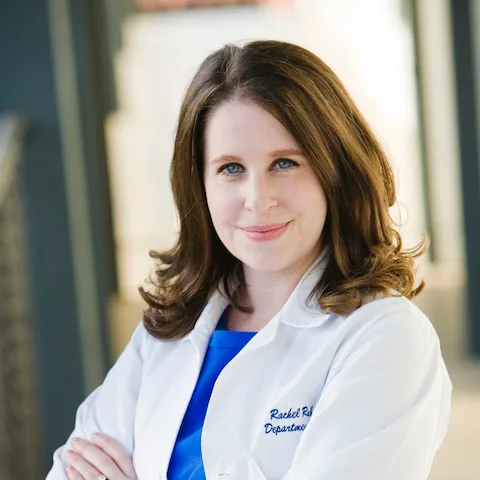
Dr. Krapf runs her own gynecology practice in South Tampa focused on vulvar and pelvic pain, vulvar skin conditions such as lichen sclerosus, recurrent vaginitis and menopause. She spent several years as an associate director at a Washington DC center devoted to vulvar pain before opening the Tampa office in 2023. Her site puts menopause alongside vulvar pain and skin conditions, so she is a natural fit for women whose menopause symptoms show up as painful sex or vulvar discomfort. She co-wrote the book When Sex Hurts and helps edit a medical textbook on female sexual pain. New patients start by emailing the office to request a consult, and her former DC patients can continue with her in Tampa.
Diana Kumar is a board certified OB-GYN who co-founded Gliss Wellness, a virtual practice built around perimenopause and menopause. All care happens by video and secure messaging, so there is no office to visit. A menopause visit runs about 30 minutes and ends with a plan and prescriptions for an initial three month period, followed by a check-in visit before refills continue for the rest of the year. She prescribes hormone therapy when it fits, can order labs and scans, and sends prescriptions to the patient's own pharmacy. She also sees women for weight counseling and for urgent gynecology problems handled through a short written form. Her stated areas of interest are PCOS, sexual dysfunction, bone health and longevity medicine.
Dr. Abraham runs a small solo gynecology practice in the Foxhall Square building in Northwest DC. Menopause care is a core part of what she does, from the first perimenopause changes through hormone therapy after menopause. She also treats bone loss, recurrent UTIs and vaginal and urinary changes, and makes room to talk about low libido and postmenopausal bleeding. Visits are long and unhurried, and the office offers same day or same week appointments. Before training as a doctor she worked in healthcare consulting for a large health insurer, which helps explain why she chose to work outside insurance. She doesn't do obstetrics, and new patients are asked to send the last year or two of records before the first visit.
Capital Women's Care DC is a group OB-GYN practice near Foggy Bottom, and Dr. Bajaj is the managing partner of the Washington office. She spent nearly two decades doing both obstetrics and gynecology, then stopped obstetrics in 2022 to practice gynecology only, with perimenopause and menopause as her focus. She says she wants to close the knowledge gap around hormone replacement therapy, and she writes publicly about women's health on a site of her own. You book online or by phone, and appointments can be in person or by video. Alongside menopause care the office does in-office procedures and minimally invasive gyn surgery, so a woman who needs both can stay in one place. Worth knowing is that the practice says an annual well-woman visit with the doctor of your choice usually takes one to three months to get.
Dr. Carol runs a small concierge practice for women in perimenopause and menopause, and she is going through midlife herself. She spent about 20 years as an emergency physician before turning to menopause care. Care starts with a free 30-minute video call. After that comes a package of two long visits, each 60 to 90 minutes, and you can message her between and after them. Visits can be at her Manhattan office, by video, or at your home or workplace. The visits look at symptom treatment along with bone, heart and breast cancer risk. She does not replace your own doctors, so you still need a primary care doctor and a gynecologist for exams and mammograms.
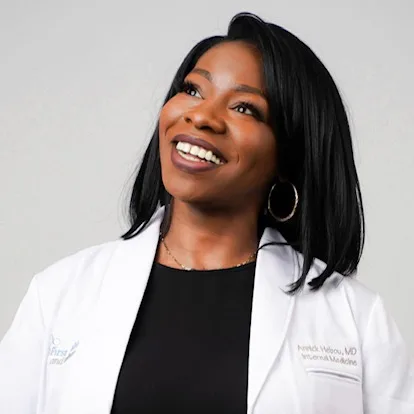
Dr. Wang is an internist who spent about 20 years in primary care and is also board certified in obesity medicine. She now sees women in perimenopause and menopause by video only, as an affiliate clinician of Dr. Heather Hirsch's Collaborative membership. Care runs through that membership, which has a one-year minimum and covers visits and messages with no charge per visit, plus group Q&As and coaching sessions. Her approach puts a lot of weight on nutrition, metabolic health and mindset alongside medical treatment. She asks patients to keep their own primary care doctor and gynecologist for hands-on care, since she does not see anyone in person.
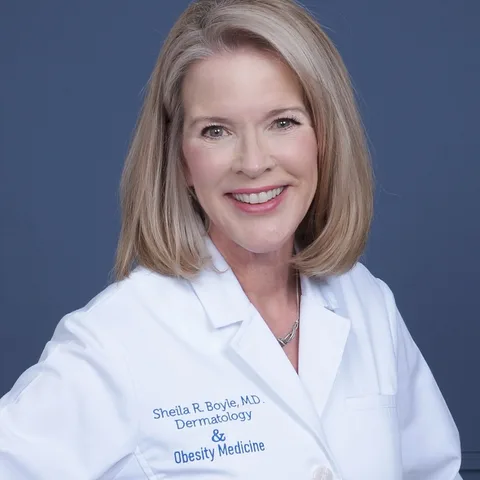
A solo direct-pay practice in Lone Tree whose stated scope is dermatology, cosmetic procedures and medically supervised weight management. The physician is board certified in dermatology and obesity medicine. Every initial visit is by video, with in-person follow-ups by appointment, and the practice does not bill insurance. Hormone replacement therapy is named only as one reason for a new-patient visit on the fee schedule, and no hormone or menopause care is described anywhere else on the site.
IntimMedicine Specialists is a small Washington DC practice that Dr. Simon founded and still runs as medical director, with two physician assistants who have worked with him since the 1990s. He treats women across the whole reproductive span, and the midlife side of the practice covers menopause and perimenopause, low testosterone, bone loss, sexual pain and sexual function after cancer. His approach to hormones is to balance estrogen, progesterone and testosterone, and the practice says most women can use hormone therapy with few risks. For testosterone he will use gels, injections or pellets, and he says he does not treat on lab values alone. Visits happen in the M Street office or by video, and virtual appointments are offered on Saturday mornings as well as weekdays. New patients submit a form or call and the office rings back to finish booking, and because the practice runs its own clinical trials some patients are offered a place in a study.
Midlife Medicine is Dr. Todd's solo direct care practice in Great Falls, for women in perimenopause and menopause. She spent two decades in pediatrics, including years as an associate professor at Children's National, and left that work in 2025 after her own experience as a patient in midlife. Care starts with a 60 minute consultation, a follow-up eight weeks later is required if you start hormone therapy, and established patients come back once a year after that. Between visits they message her directly through the patient portal. She uses FDA-approved hormones such as estradiol and progesterone, and avoids pellets and compounded products unless there is a medical reason. She also asks patients to keep their own primary care doctor and OB-GYN for routine screening and urgent problems, because this is a consultative menopause practice rather than a replacement for either.
Gliss Wellness is a virtual-only OB/GYN practice Dr. Walsh co-founded with a second board-certified OB/GYN, and menopause care is its main focus. Care starts with a 30-minute video consultation about your symptoms, and if hormone therapy suits you, you leave with prescriptions for the first three months. A follow-up at three months keeps refills going for the rest of the year, and refills in between happen by message through the patient portal. There is no membership, and you fill prescriptions at your own pharmacy. The doctors can't examine you in person but can order labs and other tests. Dr. Walsh's own interests include pelvic pain, endometriosis, fibroids and weight loss, and a free 15-minute call lets you meet the team before booking.