290 practitioners have an office in Florida, and 198 more can see patients here by telehealth. 309 of them are certified by the Menopause Society, and the most are in Miami, Orlando and Jacksonville.
Dr. Hertel runs a virtual-only practice focused on perimenopause, menopause and midlife care, with every visit held inside a secure patient portal. She is a family physician going through the menopause transition herself, and says that experience is what drew her to this work. She prescribes FDA-approved hormone therapy sent to your local pharmacy and does not use estrogen or testosterone pellets. The practice also offers medication-supported weight care and help with low libido and painful sex. It does not do Pap smears, pelvic exams or primary care, so you keep your own doctor and gynecologist for screenings. New patients start with a free 15-minute discovery call, and people outside her licensed states can book an educational visit that ends with a written plan but no prescriptions.
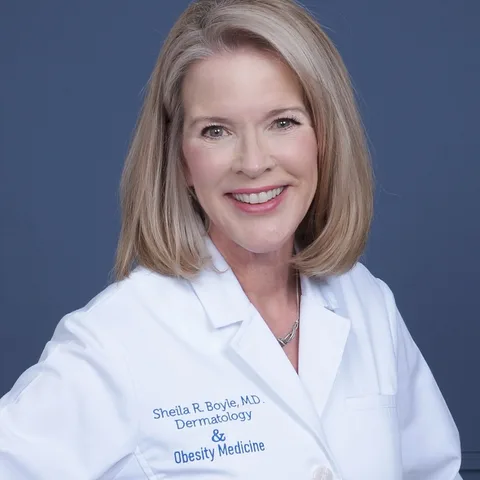
A solo direct-pay practice in Lone Tree whose stated scope is dermatology, cosmetic procedures and medically supervised weight management. The physician is board certified in dermatology and obesity medicine. Every initial visit is by video, with in-person follow-ups by appointment, and the practice does not bill insurance. Hormone replacement therapy is named only as one reason for a new-patient visit on the fee schedule, and no hormone or menopause care is described anywhere else on the site.
RegenCen is a hormone and regenerative medicine group with more than twenty offices across Michigan and Florida, and Amanda is its chief clinical operations officer as well as a treating PA. Care starts with a consultation and a full history, then a lab order, and you come back to go over the results before hormones are started. They use bioidentical estrogen and testosterone in pellet, gel, cream, oral and vaginal forms, and they recheck labs every three to four months. The practice is openly in favor of pellets and describes the insertion as a quick office procedure that lasts about three months for women. Amanda also trains and certifies the group's other clinicians in hormone care, so her name sits behind the protocols as well as the exam room. Alongside hormones the offices do medical weight loss with GLP-1 medicines, hair restoration injections, and device treatments for bladder leakage and vaginal comfort.
This is a virtual-only practice run by one nurse practitioner, with no office to visit. She spent much of her career at a cancer center caring for women with breast cancer. She saw how treatment can start or worsen menopause symptoms, and that is what pulled her toward menopause care. Patients do video visits, then get lab or imaging orders to complete locally and prescriptions sent to their own pharmacy. She asks that every patient has a gynecologist for routine exams. Follow-up visits and secure messaging run through a patient portal.
Dr. Evans runs a small direct pay primary care clinic in Pensacola with evening and weekend hours. Menopause hormone therapy is one of her main services, alongside disease prevention, sexual health and weight loss. She also sees men, and she does not treat chronic pain. A new patient starts with a longer in-depth visit, either in the clinic or by video if you live in Florida or Iowa. After that, follow-ups can be in the clinic or by video. Insurance is not billed for her visits, though you can use your coverage for lab work or some prescriptions.
Somæntis is a small longevity and metabolic health clinic in Boca Raton that Dr. D'Aleman opened in 2024 with her husband, who manages it. Care runs on an annual membership that covers a set number of physician visits, email and text access, and a block of testing including a DEXA scan, resting metabolic rate and a wide blood panel. She treats hormones as part of the metabolic picture rather than a separate track, and prescribes hormone therapy, testosterone and GLP-1 medication where they fit a plan. Before this she spent years as a pediatrician, including frontline primary care in rural Oregon during the pandemic, then retrained in lifestyle and obesity medicine. Visits can be in the office or by video, and new patients start with a free 20 minute meet and greet with the physician. The clinic says plainly that it is not a primary care practice and does not cover urgent or emergency needs.
FemGevity is a virtual women's health service that works alongside a patient's own doctor, and Dr. Abrahams is its menopause medical advisor. He sees patients himself by video, starting with a 45 minute consult about symptoms and hormone levels. Care starts with testing, usually a hormone panel of more than 100 biomarkers, with gut, micronutrient or genomic panels added when they are useful. Treatment can run from standard prescriptions to custom bioidentical compounds, and he describes his approach as conventional medicine combined with complementary care. He is a Harvard-trained gynecologist who also treats endometriosis, PMS and fibroids, and he still works part time for the Department of Veterans Affairs in New York and at Hackensack University Hospital in New Jersey. FemGevity's main menopause program runs through partner doctors' offices, where the blood draw is done, so it helps to have a doctor of your own.
A physician-led longevity and performance practice based in Seattle, where the practitioner is medical director. Care begins with an in-person day in the Seattle area for baseline diagnostics, covering over a hundred biomarkers, body composition, cardiorespiratory fitness, continuous glucose monitoring, genomics and multi-cancer screening. It then moves to quarterly labs and structured medical reviews, with follow-ups virtual or in person. A women's track is described for perimenopause, menopause and after, with hormone and metabolic diagnostics and ongoing telehealth support, and physicians provide prescriptions and referrals as clinically appropriate.
Caitlin Givens is one of two providers at Takoma Park Gynecology, a small woman-owned gynecology practice run by nurse-midwives. The practice covers care from adolescence through menopause and beyond, and it does no pregnancy care. A new patient can book with her online, either as a full new patient visit with an exam or as a menopause consultation that is a conversation only. She prescribes FDA-approved hormone therapy, including estrogen, progesterone and testosterone, and uses compounded hormones only when a manufactured product is unavailable or a poor fit. Beyond menopause she works in sexual medicine and chronic vulvar conditions, and the practice also handles bone health and prescription weight management. Her interest in women's health began as a Peace Corps volunteer in northern Senegal, and she teaches nurse-midwifery and women's health students at Georgetown.
Gliss Wellness is a virtual-only OB/GYN practice Dr. Walsh co-founded with a second board-certified OB/GYN, and menopause care is its main focus. Care starts with a 30-minute video consultation about your symptoms, and if hormone therapy suits you, you leave with prescriptions for the first three months. A follow-up at three months keeps refills going for the rest of the year, and refills in between happen by message through the patient portal. There is no membership, and you fill prescriptions at your own pharmacy. The doctors can't examine you in person but can order labs and other tests. Dr. Walsh's own interests include pelvic pain, endometriosis, fibroids and weight loss, and a free 15-minute call lets you meet the team before booking.
Takes Aetna, Blue Cross Blue Shield +4 · first visit $150
Kelly Perisin is a nurse practitioner at MyMenopauseRx, a video-only practice that treats nothing but perimenopause and menopause. It was started by a Chicago-area gynecologist and bills insurance like a regular office. Visits take about 30 minutes on Zoom, and you can book the same clinician every time and message the care team between visits. Kelly came to menopause care from weight management and urgent care, and she draws on that when helping women with midlife weight gain. The practice prescribes FDA-approved estradiol and progesterone sent to your own pharmacy, and it prescribes testosterone directly only for patients in Illinois. It is meant to work alongside your own primary care doctor, who still handles anything that needs a physical exam.
Takes Aetna, Blue Cross Blue Shield +2 · first visit $250
Jennifer Soper is a women's health nurse practitioner who sees patients by video through Midi Health, a national virtual menopause practice. She spent 25 years as a labor and delivery nurse before becoming a nurse practitioner. She says estrogen therapy changed her own life when hot flashes started at 50, and that is why she moved into menopause care. Visits are billed to insurance or paid per visit, with no subscription. You can ask for her by name through the Book a Visit with Me link on her Midi page, though that can mean fewer open times than booking with any clinician.
Stephanie Hawkins sees patients through Midi Health, a national virtual clinic for perimenopause and menopause. Every visit is by video, and Midi's site names her on its clinician list with her own bio. She has been a nurse since 1992 and a nurse practitioner since 1996, and she is certified in both family practice and women's health. She became a Certified Menopause Practitioner because she saw midlife as one of the hardest stretches in women's lives. Midi starts with a half-hour first visit and books short follow-ups as often as needed. Care plans can include hormone and non-hormone prescriptions, labs, and weight medication, and video visits have to happen while you are in your home state.
Mercedes Deal founded Rêver Wellness, a private-pay clinic in Coral Gables that blends hormone care with skin treatments and weight care. Hormone therapy there is only available through a paid membership, and the tiers that include it also cover follow-up visits and lab work. Care starts with baseline labs and a first visit of about two hours, then labs are repeated every three months while the plan is adjusted. She prescribes bioidentical estradiol, progesterone and testosterone for women in perimenopause and menopause. She is a family nurse practitioner with extra training in functional medicine and peptide therapy, and the clinic also runs a thyroid and adrenal workup. New patients start with an intake questionnaire and a member of the team replies within a day or two.
Jessica Long is a nurse practitioner at a small wellness and aesthetics clinic in Ocala. Her bio says her work centers on women's health with a focus on perimenopause and menopause, and she has extra training in hormone replacement for men. She spent more than nine years as an intensive care nurse and also worked in nephrology and cardiology before moving into primary care. New patients book online through the practice's scheduler, starting with an initial hormone replacement consultation. Follow-ups can be done in the office or by telehealth. The practice does not bill insurance, and it runs weight management, vitamin injections and aesthetic services alongside hormone care. Its site does not describe which hormones she prescribes.
Dr. Messore is a board-certified OB/Gyn who has focused her practice on menopausal women for more than 15 years. Visits are by telemedicine, booked online or by phone, and the office is in Miami Beach. She also directs a center for women's sexual health, so vaginal dryness, low libido, pain with sex and sex after cancer or hysterectomy get real attention here. She prefers FDA-approved bio-identical hormones from a regular pharmacy and says custom compounding is no longer needed. She does not recommend pellets and explains why. The practice also sells and recommends vaginal moisturizers, arousal gels and pelvic floor devices, and a health coach is part of the team.
SPOKEmed is Michelle Middleton's own telemedicine practice, which she founded in 2024 after years in orthopedics and a move into weight and hormone care in 2020. She is the only clinician there, so every consultation and treatment plan is hers, and patients can reach her directly between visits. Care starts with a short exploration call, then lab work and a plan that may mix hormone therapy, weight medication, nutrition and coaching. She prefers FDA-approved bioidentical estrogen, progesterone and testosterone, keeps compounded troches and creams for the cases where nothing commercial fits, and refuses pellets because the dose cannot be adjusted or removed. Advanced testing such as DUTCH hormone panels, stool analysis and genetic reports is available when symptoms are confusing, though she says most women can start hormone therapy on symptoms and history alone. Prescription care runs in Florida and New York, while the coaching side is open to women anywhere in the country.
PRIME Institute is a small cash-pay practice in Coral Gables that Pearlman co-founded with Dr. Michelle Pearlman, a gastroenterologist. Pearlman is a urologist, and most of the practice's sexual health pages are written for men. Her women's care is genitourinary syndrome of menopause and low libido, treated with vaginal estrogen, vaginal DHEA and low-dose testosterone, plus non-hormonal drugs like flibanserin and bremelanotide. She tests vaginal pH in the office with a swab and a strip, then retests during treatment to check that the topical hormones are working. Systemic estrogen and progesterone for women is her partner's program, not hers. New out-of-state patients have to be seen in person for the first consultation. She says education is her main mission, so patients understand their own anatomy and hormones before deciding.
Dr. Pinsky runs a small concierge family medicine practice for women and their families. Women's health, including hormone care through menopause, is a main part of what she does. Appointments are long and unhurried, and members can reach her directly by phone or email. Virtual visits are available when she approves them, but they add to in-person care and do not replace it. Her background includes a women's health fellowship at UCLA and an integrative medicine fellowship at the University of Arizona. She also says she wants to support the uninsured and under-resourced.
Barbara Dougherty is a nurse practitioner at YoungerMeMD, a hormone and longevity practice in Conshohocken. The monthly membership is charged on top of the cost of treatment and does not include medication. The intake fee covers baseline lab work, which is drawn at Quest only and needs 8 to 12 hours of fasting. Beyond hormone care the practice also offers peptides, low dose naltrexone and rapamycin.
This is a small concierge practice built around long, unhurried visits and a low number of patients. Dr. Greenwald focuses on perimenopause and menopause, hormone therapy and sexual health. She trained at UCSF, built her practice with Stanford Health Care, still teaches there and works on the obstetrics side at Santa Clara Valley Medical Center several days a month. Care runs through a membership, and visits can be in person or by video. She is not taking new patients right now. Two colleagues in the same practice, Dr. Nazaneen Homaifar and Dr. Sarah Isquick, are certified menopause providers and are taking new members.
ANOVUL is a Pittsburgh practice where Kelley DeFilippis sees only women in perimenopause, menopause and the years after. Care starts with a free 15-minute call, then a 90-minute new patient visit, with hour-long follow-ups in the office or by video. She prescribes FDA-approved bioidentical hormones, usually estradiol through the skin with oral micronized progesterone, and her site explains why she does not use pellets. She came to this work through her own perimenopause symptoms after finding her training had barely covered it. Beyond symptom relief she watches heart, bone and metabolic health, and the practice works alongside a pelvic floor therapist.
Prime Institute is a small Coral Gables practice that Michelle Pearlman runs with Dr. Amy Pearlman, a urologist who covers the sexual health side. Pearlman is a gastroenterologist and obesity medicine doctor who describes her own approach as food is medicine. She runs the hormone program for women and prescribes estrogen, progesterone and testosterone for perimenopause and the years after menopause. It comes with nutrition and exercise planning, body composition scans and referrals for bone density testing, with monthly follow-ups and portal messaging in between. Most of her practice is weight and metabolic care, so hormone therapy here sits inside a wider metabolic program rather than a standalone menopause visit. Both doctors are licensed only in Florida, and a new patient from out of state has to be seen in the office for the first consultation.
Mary Hedges is a general internist in Mayo Clinic's Division of Community Internal Medicine in Jacksonville, which provides primary care for local patients aged 16 and older. Mayo lists her interests as medical education and internal medicine and names no menopause or hormone service for her. Menopause patients at Mayo in Jacksonville are routed to a separate Women's Health Specialty Clinic, and she is not listed among its clinicians. She has belonged to The Menopause Society since 2021 and was first author on a 2026 study of what people in perimenopause actually experience, drawn from more than 17,000 people in 158 countries. Her Mayo bio also records recognition for a paper she co-authored on menopause in the workplace. Care runs the way Mayo primary care runs, with one provider leading a team of residents, nurses and schedulers, and test results returned through the patient portal within about seven business days.