41 practitioners have an office in Nevada, and 61 more can see patients here by telehealth. 61 of them are certified by the Menopause Society, and the most are in Reno, Las Vegas and Henderson.
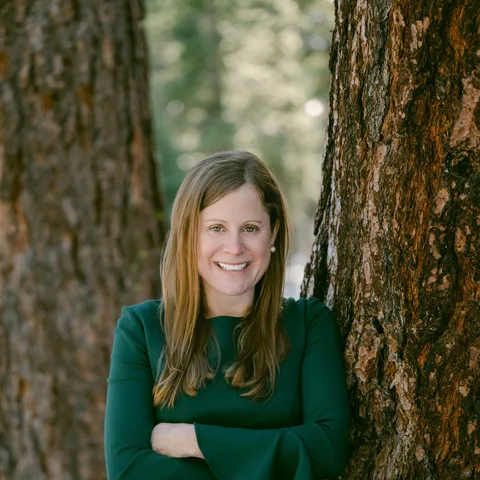
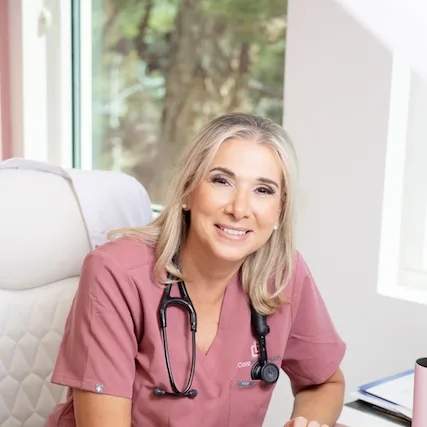
Evolve Gynecology is a small concierge gynecology practice in Las Vegas founded by Dr. Hodges-Wills, who grew up in the city. It no longer bills insurance for visits. Most patients join a monthly membership that covers unlimited visits, 30-minute appointments and texting her directly, though you can also pay per visit. Menopause is one of her two main interests alongside teen gynecology, and she prescribes evidence-based hormone therapy when it suits the patient. She also runs a separate membership for women going through or past breast or gynecologic cancer, with hormonal and non-hormonal symptom care. She sees patients in the office Monday to Thursday, and members can have their quarterly check-ins by video.
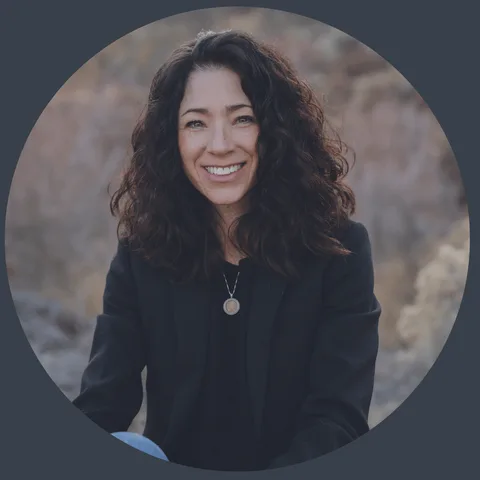
Dr. Morales runs a video-only practice for women in Nevada and California, with a special focus on hormone care for breast and gynecologic cancer survivors. New patients book a one-hour hormone consultation online, and cancer survivors get a longer first visit. Every visit is with Dr. Morales herself, and prescriptions go to the pharmacy you choose. She prefers FDA-approved hormones and also prescribes compounded therapies for certain conditions. Consultations include a review of labs, mammograms and bone scans, and she helps arrange an in-person exam when one is needed. She grew up in Northern Nevada, raised a child as a teenage single mother, and served twelve years in the military.
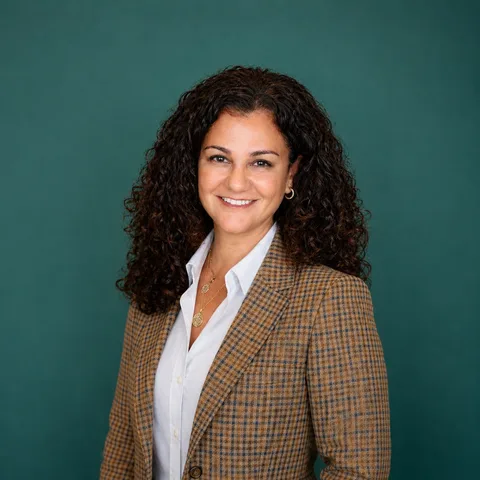
Dr. Moayedi is a Dallas OB/GYN who specializes in complex family planning and runs her own small practice. Her perimenopause and menopause care happens entirely by video, and she reviews your history and explains the science behind the treatment plan. Between visits you can text her directly with questions. Most patients need one or two follow-up visits to adjust doses, then a yearly visit to keep refills going. Prescriptions go to whatever pharmacy you choose. The practice doesn't take insurance, but it works with nonprofit funds to help Texas patients cover visit costs.
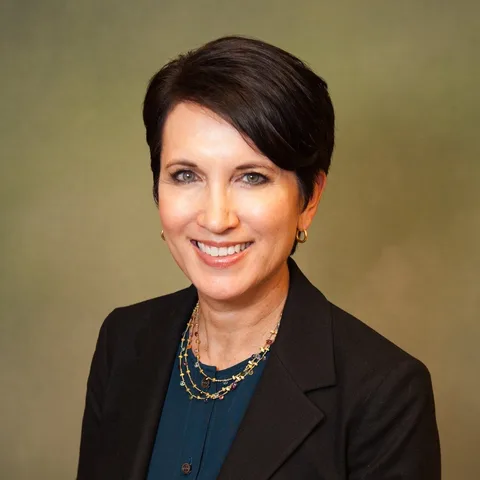
Diana Kumar is a board certified OB-GYN who co-founded Gliss Wellness, a virtual practice built around perimenopause and menopause. All care happens by video and secure messaging, so there is no office to visit. A menopause visit runs about 30 minutes and ends with a plan and prescriptions for an initial three month period, followed by a check-in visit before refills continue for the rest of the year. She prescribes hormone therapy when it fits, can order labs and scans, and sends prescriptions to the patient's own pharmacy. She also sees women for weight counseling and for urgent gynecology problems handled through a short written form. Her stated areas of interest are PCOS, sexual dysfunction, bone health and longevity medicine.
Concierge primary care for adults around Incline Village and North Lake Tahoe, run by a single internist who is a Menopause Society Certified Practitioner with a stated focus on women's health and menopause. A flat monthly membership covers unlimited office visits, direct messaging with the physician, annual exams and virtual visits, with home visits and same or next-day access also offered. Non-members can book a one-off urgent care visit or a paid introductory visit credited toward joining.
Achieve Health NV is a two-physician direct primary care practice in Reno run by Dr. Amy Sanguinetti and Dr. Sara Trigero, both dual board-certified in Internal Medicine and Obesity Medicine. Care runs on direct-pay memberships rather than insurance, with a free meet-and-greet, extended no-rush visits, same or next-day appointments, and direct physician access by phone, text and email plus evening and weekend telehealth. Women's health and hormone replacement sits inside the primary care membership alongside pap smears, chronic disease management and in-office procedures such as skin biopsy and joint injections. Weight management is the practice's other pillar, with body composition testing, intake and yearly labs, and bariatric pre- and post-operative care.
Dr. Paul sees patients by video through The Menopause Clinic, a menopause service run with OB-GYN Associates in Reno. The clinic only sees established patients of the group, and you have to stay current with one of its in-office providers to keep your place. So a new patient first books a regular gynecology visit and then gets referred. She spent 17 years in obstetrics and another 10 in full-time gynecology before stepping back to focus on perimenopause and menopause. The clinic uses FDA-approved hormone therapy in pill, patch and vaginal forms alongside non-hormonal options, and it also sees breast cancer survivors.
Dr. Carol runs a small concierge practice for women in perimenopause and menopause, and she is going through midlife herself. She spent about 20 years as an emergency physician before turning to menopause care. Care starts with a free 30-minute video call. After that comes a package of two long visits, each 60 to 90 minutes, and you can message her between and after them. Visits can be at her Manhattan office, by video, or at your home or workplace. The visits look at symptom treatment along with bone, heart and breast cancer risk. She does not replace your own doctors, so you still need a primary care doctor and a gynecologist for exams and mammograms.
A solo membership telehealth practice for patients in California and Nevada, and she limits her work to three areas, which are perimenopause and menopause hormonal health, medical weight management, and lifestyle medicine. It states plainly that it does not replace primary, urgent or emergency care. Visits begin with a 60-minute evaluation followed by ongoing follow-up and direct access to the physician between appointments, with labs ordered to outside facilities and billed separately. Members in one Northern California city who have had at least three telehealth visits can buy a 90-minute home visit.
A solo direct-pay practice in Lone Tree whose stated scope is dermatology, cosmetic procedures and medically supervised weight management. The physician is board certified in dermatology and obesity medicine. Every initial visit is by video, with in-person follow-ups by appointment, and the practice does not bill insurance. Hormone replacement therapy is named only as one reason for a new-patient visit on the fee schedule, and no hormone or menopause care is described anywhere else on the site.
A physician-led longevity and performance practice based in Seattle, where the practitioner is medical director. Care begins with an in-person day in the Seattle area for baseline diagnostics, covering over a hundred biomarkers, body composition, cardiorespiratory fitness, continuous glucose monitoring, genomics and multi-cancer screening. It then moves to quarterly labs and structured medical reviews, with follow-ups virtual or in person. A women's track is described for perimenopause, menopause and after, with hormone and metabolic diagnostics and ongoing telehealth support, and physicians provide prescriptions and referrals as clinically appropriate.
Gliss Wellness is a virtual-only OB/GYN practice Dr. Walsh co-founded with a second board-certified OB/GYN, and menopause care is its main focus. Care starts with a 30-minute video consultation about your symptoms, and if hormone therapy suits you, you leave with prescriptions for the first three months. A follow-up at three months keeps refills going for the rest of the year, and refills in between happen by message through the patient portal. There is no membership, and you fill prescriptions at your own pharmacy. The doctors can't examine you in person but can order labs and other tests. Dr. Walsh's own interests include pelvic pain, endometriosis, fibroids and weight loss, and a free 15-minute call lets you meet the team before booking.
Dr. Dombo is a board-certified OB-GYN who is going through the menopausal transition herself. She says starting hormone therapy and changing her nutrition and supplements took her from exhaustion and poor sleep back to enjoying life, and that is why she does this work. She trained in the early 2000s, when hormone therapy was widely feared, and now calls it the gold standard for symptom relief. The first visit runs 60 minutes and covers medical and gynecologic history, medications, nutrition and exercise, then a personal treatment plan. The visit also lists a nutritionist assessment, an exercise plan and mindset coaching, and follow-ups run 25 minutes. She writes publicly about why menopause hits Black women harder and how often they face barriers to care.