135 practitioners have an office in Oregon, and 59 more can see patients here by telehealth. 133 of them are certified by the Menopause Society, and the most are in Portland, Bend and Lake Oswego.
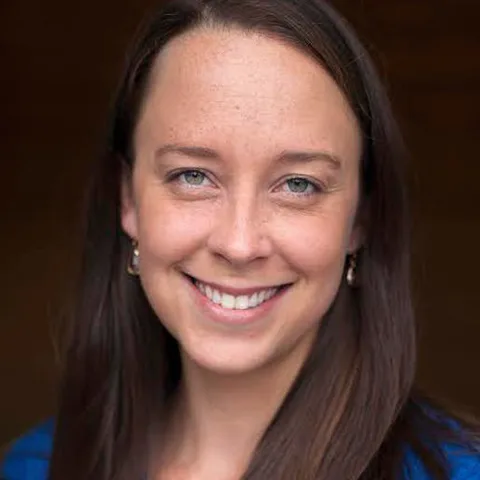
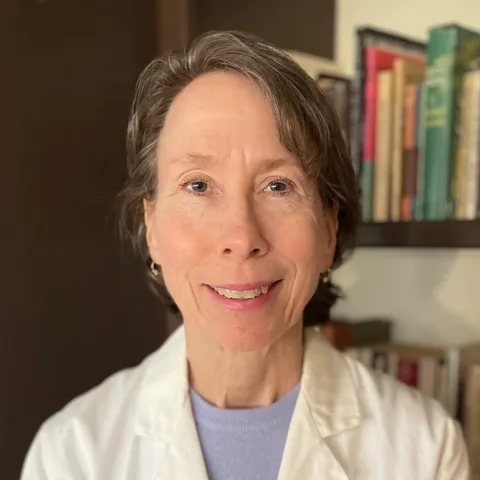
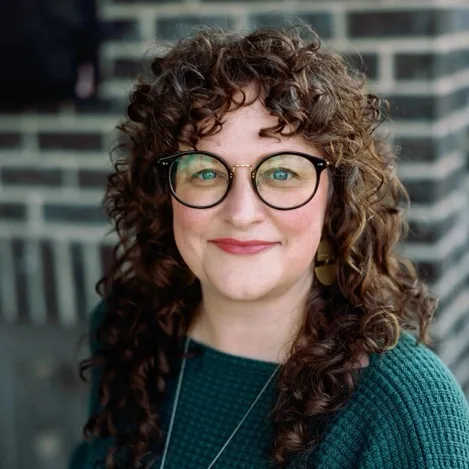
Dr. Ward-Selinger runs a small solo micropractice in Bend where visits run long and she handles most questions herself. She prescribes menopause hormone therapy including estrogen, progesterone and testosterone, using both standard pharmacy products and compounded hormones. She also inserts estrogen and testosterone pellets every few months, but only after a full new patient visit. For women who can't take hormones she offers herbal options. She is trained in Holistic Pelvic Care for chronic pelvic pain, removes skin tags and moles in the office, and speaks Spanish. Visits are in person or by video, and new patients can book a free 10 minute phone call first.
Takes Blue Cross Blue Shield, UnitedHealthcare · first visit $450
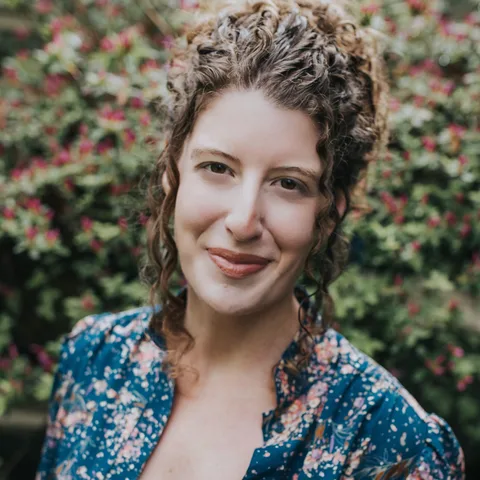
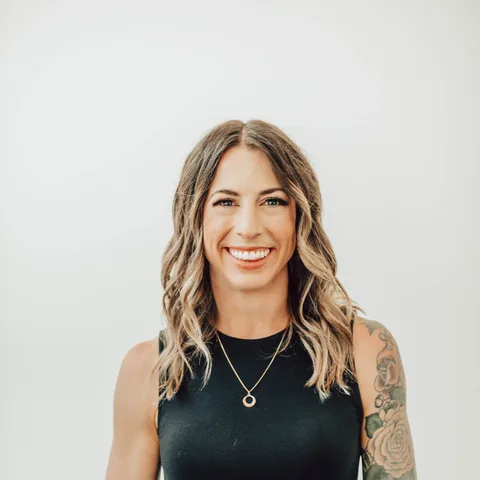
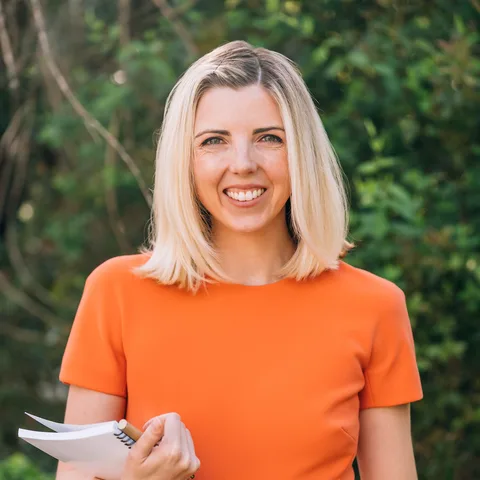
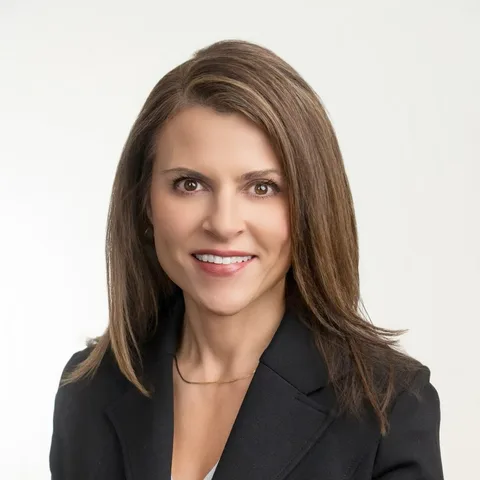
Brooke Bina is a nurse-midwife who runs a small practice focused only on perimenopause and menopause, with evidence-based hormone therapy at its center. She sees patients by video anywhere in Oregon or North Dakota, and in person at Alma Midwifery's clinic in Portland. The first visit is a long one that covers your full history, a plan, prescriptions and any labs or imaging. After that you can book a regular follow-up or a short visit for a single question like a refill. Her symptom list goes well past hot flashes and includes frozen shoulder, tinnitus, burning mouth and recurrent urinary infections. She does not see anyone enrolled in Medicare, including Medicare Advantage.
Integrative medicine · ND, LAc, FABNO, IFMCP, MSCP
Accepting new patients
Portland, OR · Online only
Self-pay · first visit $450
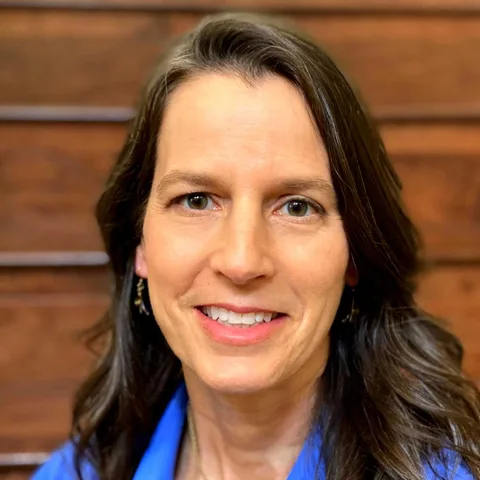
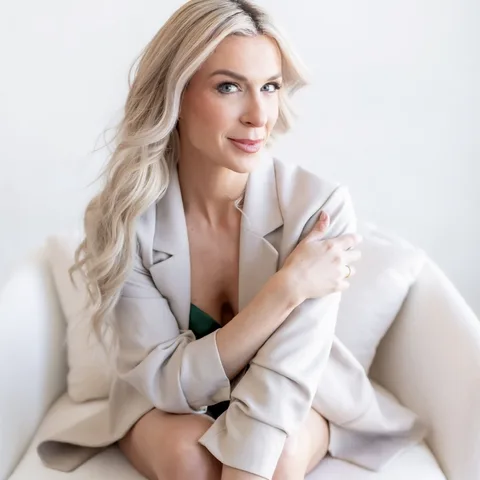
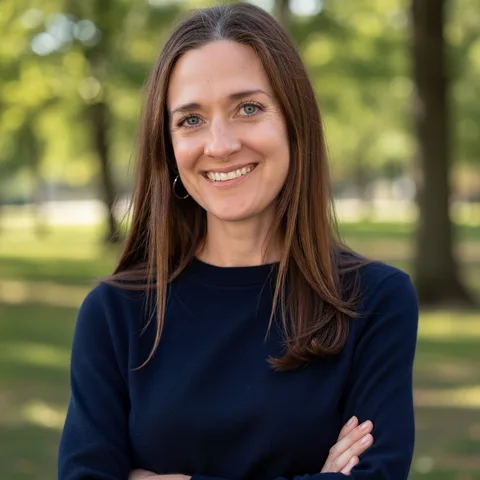
Dr. Martell runs a solo practice by video for women in Oregon, Washington, California and Arizona. She prescribes estrogen, progesterone and testosterone, and she also prescribes GLP-1 medications for women who want help with weight and metabolic health. New patients start with an hour-long consult and then book shorter follow-ups as needed. She is also trained as a naturopathic oncologist and sees many women during and after cancer treatment. She writes openly about her own Hashimoto's and osteopenia, and thyroid care is a regular part of her work. A free ten-minute phone call is offered before you book.
Takes Aetna, Blue Cross Blue Shield +2 · first visit $150
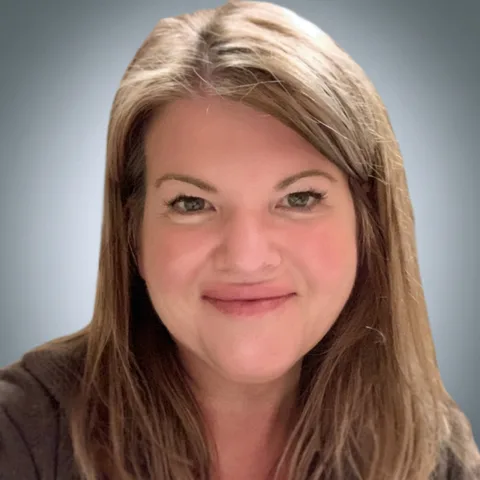
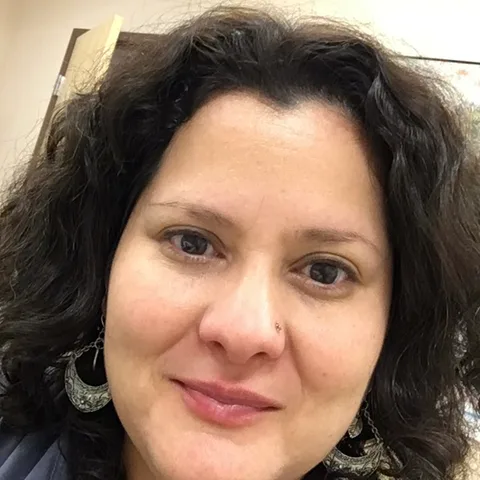
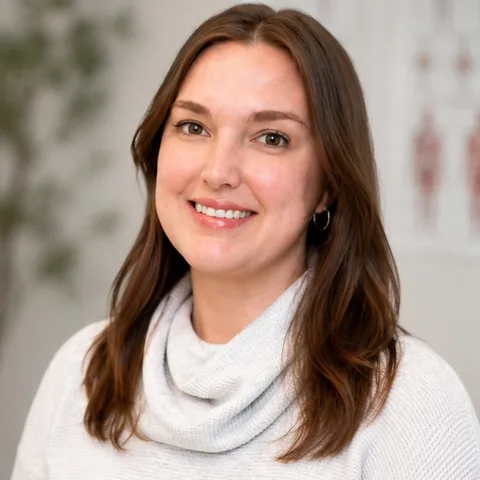
Western Roots Healthcare is Amy Jordan's solo telehealth practice, aimed at people in rural Central Oregon who would otherwise drive a long way to see anyone. It is a general primary care practice with midlife hormone care on top, so the same person handles perimenopause and menopause symptoms, low testosterone and sexual health, and ordinary things like thyroid, blood pressure and cholesterol. She spent a decade in a clinical laboratory and fifteen years as an emergency department nurse before becoming a nurse practitioner. Hormone care runs either as regular visits or as a flat-fee year-long program for women already stable on their doses, which covers a long first visit, two follow-ups and refills for twelve months. She also runs a supervised weight program built around GLP-1 and other weight medication. Visits are by video anywhere in Oregon, and an in-person clinic in Terrebonne is planned for fall 2026.
Takes Aetna, Blue Cross Blue Shield · first visit $300
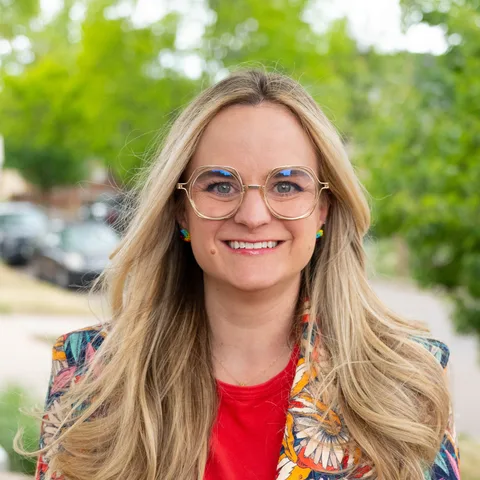
Dr. Benkley is a naturopathic doctor whose practice centers on perimenopause and menopause. She sees patients in person at Mandala Medicine and Wellness in southeast Portland and by video anywhere in Oregon, Washington and New Hampshire. The first visit is a long intake followed by labs. She lays out the full treatment plan at a follow-up about four weeks later. Treatment can include menopausal hormone therapy, non-hormonal medications, supplements and lifestyle changes, with attention to long-term heart and bone health. She does not do primary care, and her practice openly welcomes queer, non-binary and trans patients with ovaries.
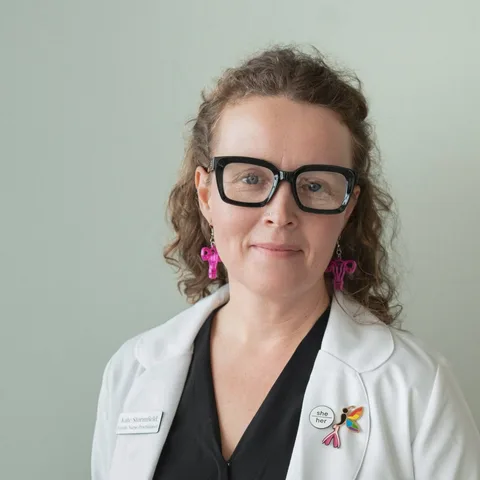
Kate Stormfield runs Monarch West as a one-person telehealth practice with a deliberately small panel of patients. She treats perimenopause and menopause with estrogen, progesterone, testosterone and non-hormonal options, and also provides gender-affirming hormone care and sexual health services. She spent more than ten years at Planned Parenthood in Vermont, where she helped grow its telehealth services. New patients start with a longer video visit. Follow-ups usually come at one month after starting hormones and then every few months in the first year. Testosterone can only be prescribed to patients in Oregon. She sees women aged about 35 to 65 and expects you to keep your own primary care provider.
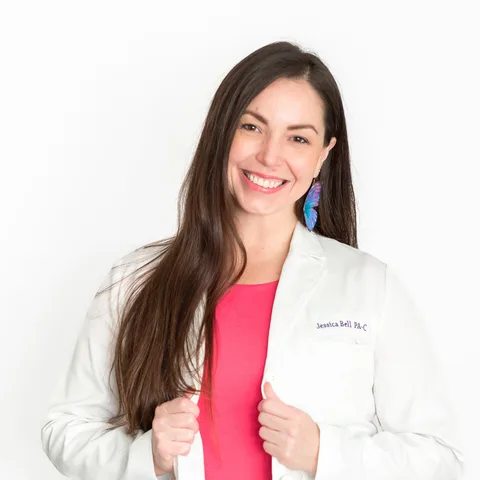
Jessica Bell runs GynJess on her own in Corvallis, so you see her at every visit and message her directly through the portal between appointments. Care starts with a long first consult covering menopause and sexual health, then shorter follow-ups every few months while treatment is adjusted. She prescribes FDA-approved estrogen and progesterone, adds testosterone when it fits, and talks through non-hormonal options too. She also practices sexual medicine and says perimenopause can start in your mid-thirties, so younger women are taken seriously. She sees women in person in Corvallis or by video anywhere in Oregon, and in-person patients can use her as their regular gynecologist. She also treats bladder problems, fits pessaries and cares for women with a current or past cancer diagnosis.
Ashley Winter is a urologist and sexual medicine specialist at Dr. Rachel Rubin's practice, seeing patients in Pasadena inside a pelvic physical therapy center. She treats perimenopause and menopause with hormone therapy and prescribes testosterone for women as well as men. She speaks out often for vaginal estrogen to protect the urinary tract, so she is a strong fit when recurrent UTIs, dryness or painful sex are part of the picture. New patient visits run an hour and a half to two hours, and follow-ups can be done by video. New patients join an interest list first, and the wait for her Los Angeles area schedule is shorter than for the practice's Maryland office. The practice prescribes FDA-approved treatments unless no approved option exists.
Terra Share runs a solo practice out of Denver that is entirely virtual, and she sees patients for perimenopause, menopause and gender-affirming hormone care anywhere in Colorado. First visits run 60 minutes and follow-ups 45, with secure messaging in between. She orders and interprets labs herself and manages prescriptions for up to a year when that is appropriate. She does not bill insurance, and she says that is exactly what buys the longer visit. She also does short gyn urgent care visits in nine other states, but hormone care stays inside Colorado. She has written clinical protocols for larger healthcare organizations, and after living in Steamboat Springs and Missoula she cares most about reaching women who are nowhere near a city.
Takes Aetna, Blue Cross Blue Shield +4 · first visit $150
MyMenopauseRx is a virtual menopause practice founded by a gynecologist, and Krantz is one of about a dozen clinicians a patient can pick from. Visits are video appointments of about thirty minutes, and most patients come back every eight to twelve weeks until their symptoms settle. She prescribes FDA-approved estradiol and progesterone rather than compounded hormones, and the practice is clear that it works alongside a patient's own primary care doctor rather than replacing it. Testosterone is written only for patients located in Illinois, and everyone else gets the prescription from their own doctor while the practice manages the dosing. Krantz has practiced for more than thirty years in university, HMO, community health and telehealth settings, and she completed the integrative medicine fellowship at the University of Arizona with training in medical acupuncture. She works from Oregon and says she has aged alongside her patients, which is how menopause care became her emphasis.
Susannah Kerwin is a nurse practitioner who runs a small functional medicine practice in Denver. Care starts with two hour-long visits that go through your history, and specialty lab testing is often ordered. After that, members have a check-in every quarter, two health coaching visits a year and unlimited portal messaging. She prescribes FDA-approved bioidentical hormone therapy when it fits, alongside nutrition, gut and thyroid work. She practiced in San Francisco and New York and spent time in Beijing studying traditional Chinese medicine. Colorado patients can come in person, and patients in the other listed states are seen by video.
Cory spent 17 years as a labor and delivery nurse before becoming a nurse practitioner. Her practice now centers on perimenopause, menopause and postpartum care for women in Washington and Oregon. It is a small self-pay practice in Vancouver with visits in the office or by video. Labs are ordered through Quest before the first visit and are included in the consult fee, so the hour-long first appointment goes to reviewing results and building a plan. Ongoing care runs through six-month hormone programs with set follow-ups and portal messaging, or a maintenance plan with visits and labs twice a year. She does not do Pap smears, pelvic exams or IUDs, so you keep your own gynecologist for those.
Prévant Health is Erin Phamvan's own virtual practice, and every visit happens by video. It runs as a 12-month membership with a long first visit, quarterly follow-ups, and texting with Erin between visits. Menopause care is built around detailed lab work and shared decisions about hormones, alongside thyroid, heart and metabolic care. She is also trained in an Alzheimer's prevention program and folds brain-health risk into her plans. Although the mailing address is in Nashville, the practice currently sees patients only in a set of other states, and Tennessee is not one of them. You keep your own primary care provider for in-person exams and urgent needs.
Bold Wellness is Torrie Clontz's own virtual practice for women in midlife, run from Las Vegas and open to patients in about fifteen states. Care starts with a two visit intake that includes a wide blood panel drawn at a lab near you and a follow up to go through the results and set a plan. After that most patients stay on a monthly membership that covers prescription changes and messaging with her through the patient portal. Alongside hormone therapy she runs a weight and metabolic program using GLP-1 medication, and she adds functional tests such as gut, cortisol and vaginal microbiome panels when they fit. She is clear that she is not a primary care provider or an OB-GYN, so patients need to keep their own and see her for the hormone and midlife side. Her own hypermobile Ehlers-Danlos diagnosis, which came after a circus career ended in injury, is why she started the practice and she treats that alongside hormones.
Marissa runs a solo cash-pay telehealth practice based in Santa Fe and sees women from their mid-30s onward for perimenopause and menopause care anywhere in New Mexico. Care starts with an hour-long first visit and then shorter follow-ups every few months until treatment is stable, with portal messaging in between. She mostly prescribes FDA-approved bioidentical estradiol and progesterone that any local pharmacy can fill, and says most women will not need a compounding pharmacy. She does not order a standard lab panel for everyone and often decides on hormones from symptoms and history alone. She wants mammograms up to date before hormone therapy starts, and she also prescribes testosterone for low desire and non-hormonal options when hormones are not a fit.
Diana Kumar is a board certified OB-GYN who co-founded Gliss Wellness, a virtual practice built around perimenopause and menopause. All care happens by video and secure messaging, so there is no office to visit. A menopause visit runs about 30 minutes and ends with a plan and prescriptions for an initial three month period, followed by a check-in visit before refills continue for the rest of the year. She prescribes hormone therapy when it fits, can order labs and scans, and sends prescriptions to the patient's own pharmacy. She also sees women for weight counseling and for urgent gynecology problems handled through a short written form. Her stated areas of interest are PCOS, sexual dysfunction, bone health and longevity medicine.
A direct primary care clinic in Rogue River where Heather Friend is the sole provider, seeing whole families across Southern Oregon including Grants Pass and Medford. Care runs on a membership. The first appointment reviews health history and goals, visits last 30 to 60 minutes, and members reach her directly by phone or text, with telehealth used for follow-ups. Hormone care begins with a detailed intake, lab evaluation and ongoing monitoring. Basic hormone support sits inside the membership while new hormone starts need the higher tier. The clinic dispenses medication in house and includes a monthly body composition scan.
Adams directs Stanford's menopause program and sees patients at the gynecology clinic in Palo Alto. The program offers in person consults, video consults, and video group visits. She is board certified in both obstetrics and gynecology and in lifestyle medicine, so diet, exercise and sleep come up alongside hormone therapy. Before Stanford she spent 14 years as residency program director at OHSU in Oregon, where she also ran the menopause and sexual medicine program. She hosts the program's podcast and gave a TEDx talk called Sleep, Sex, and Menopausal Zest. The program writes to its patients about practical problems like the estradiol patch shortage.
A virtual women's specialty care platform for complex hormonal, metabolic and gynecological conditions, where menopause and perimenopause sit alongside PCOS, endometriosis, thyroid disease, fibroids and primary ovarian insufficiency. Each patient is assigned one medical provider, either an obstetrician-gynecologist, an endocrinologist or a women's health nurse practitioner, plus a registered dietitian, and stays with both. Care starts with a 30-minute medical visit and a 45-minute nutrition visit, broad hormonal and metabolic labs, then check-ins every week or two. Prescribing is optional and patient-directed, covering transdermal and oral estradiol, micronized progesterone, a non-hormonal drug for hot flashes, weight medication and thyroid replacement, and a separate arm ships custom-compounded medication to patients.
Jackie Stone, MD sees women entirely by telehealth, in a practice she runs alone. She is board certified in obstetrics and gynecology and in obesity medicine, and treats perimenopause, menopause and primary ovarian insufficiency alongside PCOS, genitourinary symptoms, sexual wellness, and skin and hair changes. First visits run a full hour and cover past records, labs and a treatment plan. Ongoing care is by monthly membership or visit by visit, with direct messaging for members.
A solo women's health nurse practitioner practice in Vancouver seeing patients across Washington and Oregon, with particular depth in perimenopause and menopause, sexual medicine and vulvar dermatology. Care runs on a monthly membership with a three-month minimum. The first visit lasts 90 minutes and can be in person or virtual, later visits run an hour, and you can message her in between. The practice is notably consent-forward about examinations, asking for verbal consent at each step and offering a chaperone, a partial exam or none at all, and does in-office microscopy and vulvar biopsy.
Kristen Loose is the menopause specialist at Dr. Gina Mantor's medical spa and weight clinic in Westerville, where the rest of the practice focuses on aesthetics and weight loss. She treats perimenopause and menopause with standard hormone therapy, and offers non-hormonal prescriptions and lifestyle advice to women who can't or would rather not take hormones. The first consultation is free and happens by video. After that she sees patients in the office on Wednesdays and Saturdays or by appointment. She follows Menopause Society guidance closely and writes on the clinic's site that soy and black cohosh don't hold up for hot flashes.
Dr. Hanan founded Prevail Wellness Center and is both a naturopathic physician and an acupuncturist, so some patients get acupuncture as part of their care. The clinic centers on perimenopause and menopause, and it also treats thyroid problems and midlife weight change. The first visit is a long conversation about symptoms and history, with labs ordered only when they will help, and you leave with a clear plan. She prefers FDA approved hormones and uses a compounding pharmacy when a patient needs a dose or form those products don't offer. Before opening the clinic she worked as a primary care doctor in integrative clinics. New patients can book online, and visits can be done by video for anyone living in Washington or Oregon.
Takes Aetna, Blue Cross Blue Shield +2 · from $58/mo
Kristen Santana is the women's health nurse practitioner at Functional Medicine of Idaho, a clinic with locations in Boise, Meridian and Eagle. She works out of the Boise clinic and lists menopause care as a main focus. The clinic combines functional medicine with conventional care. Patients can book women's health visits themselves online, and virtual visits are open to new patients in several western states.