341 practitioners have an office in Texas, and 107 more can see patients here by telehealth. 285 of them are certified by the Menopause Society, and the most are in Houston, Austin and Dallas.
Hot Springs National Park, AR · In person & virtual
Self-pay · from $150/mo
Dr. Rice is a general and trauma surgeon who started this separate practice for women in perimenopause and menopause. She prescribes bioidentical hormones and also coaches patients on lifestyle. New patients start with a long first consultation, in person in Hot Springs or by video, and then have follow-up visits. Patients can message her through an app portal, and she runs a monthly group video call.
A solo direct-pay practice in Lone Tree whose stated scope is dermatology, cosmetic procedures and medically supervised weight management. The physician is board certified in dermatology and obesity medicine. Every initial visit is by video, with in-person follow-ups by appointment, and the practice does not bill insurance. Hormone replacement therapy is named only as one reason for a new-patient visit on the fee schedule, and no hormone or menopause care is described anywhere else on the site.
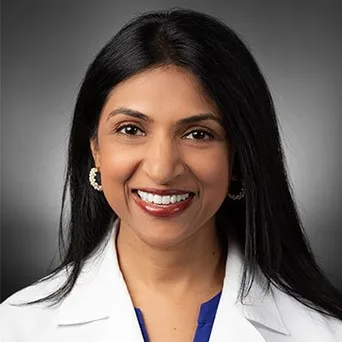
Vida Family Medicine is a small direct-care practice in Sugar Land, and Dr. Kumar is the internist there who handles midlife and menopause care. Her perimenopause evaluation runs over two visits, a 60 to 90 minute history and physical with labs ordered, then a results review where she sets a plan that can mix hormone and non-hormone treatment. She wants the first visit in person because she does a physical assessment including a pelvic exam, and after that visits can be by video, with messaging in between through the practice's Spruce app. She will also come to your home for a new patient visit in some Houston neighborhoods for an extra fee. She came to this from hospital and ICU work and primary care at the VA, and she says plainly that she makes no money from selling medications or supplements, so she sticks to proven treatments and steers people away from quick fixes sold by non-experts. She asks patients to plan on six months to a year of working together, and the practice cannot take anyone eligible for Medicare or Medicaid.
Heather Newman is a family nurse practitioner who handles hormone care at Revivall Holistic Health, a functional medicine practice in Celina that also sees patients by video anywhere in Texas. Before the first visit you finish intake forms and a lab panel, so the hour goes to walking through your results and building a plan. She prescribes bioidentical hormones as patches, creams, capsules or injections, and the practice says most women end up on compounded progesterone or testosterone. Pellets are a big part of the practice, which was the first EvexiPEL pellet provider in the Prosper and Celina area. She checks hormones with blood tests and explains on the site why she doesn't rely on urine or saliva testing. There is no membership, and patients pay per visit with follow-ups usually every three to six months.
Takes Aetna, Blue Cross Blue Shield +2 · first visit $175
Liv HRT is a small Austin practice founded in 2025 by nurse practitioner Kristen Bernal and her husband Adolfo, who runs the office. She is the sole clinician and spent seven years in primary care at an Austin integrative practice beforehand. Care spans bioidentical hormone therapy, testosterone for women, thyroid treatment for Hashimoto's and hypothyroidism, hormone-focused hair-loss treatment, and compounded GLP-1 weight management, prescribed through either retail or compounding pharmacies depending on the case. Patients start with a free 15-minute phone consult, then a 30-minute new-patient visit, with follow-up at six weeks and roughly every six months once a dose is stable. The office is in central Austin and she is licensed to see patients anywhere in Texas by telemedicine.
Marissa Langford is one of the nurse practitioners at Complete Midlife Wellness Center, a practice started by an OB/GYN in 2020 that sees only midlife women. She works from the Cypress office, and the practice also sees patients by video. New patients fill out a request form on the site and the care team calls back within one business day to schedule. Starting care comes in two set levels, a 45-minute visit with a limited lab panel or a 90-minute visit with a fuller panel and a follow-up visit included. She moved into women's health in 2022 after years in primary care and pediatric wellness, and she is trained in bioidentical hormone replacement and pellet placement. The practice says it has placed more than 15,000 pellets and will recommend them only when they are the right fit, and Marissa sees patients in Spanish as well as English.
Dr. McCloskey sees patients at The 'Pause Wellness in Galveston, a clinic for women in midlife founded by Dr. Mary Claire Haver, and she is there one day a week. She is a board certified OB-GYN who practiced general obstetrics and gynecology for years and now works only in midlife and menopause care. A first visit lasts a full hour and covers health history, symptoms and goals, with lab work drawn beforehand and a body composition scan in the office. Hormone therapy is part of the conversation with every patient, and the clinic says it follows established guidelines rather than a functional or naturopathic approach. The clinic treats Texas residents only, in person or by video, and it does not do routine well woman exams. Visits include a month of the clinic's own supplements and lifetime access to its online program, and later visits are either short prescription checks or longer reviews with new labs.
FemGevity is a virtual women's health service that works alongside a patient's own doctor, and Dr. Abrahams is its menopause medical advisor. He sees patients himself by video, starting with a 45 minute consult about symptoms and hormone levels. Care starts with testing, usually a hormone panel of more than 100 biomarkers, with gut, micronutrient or genomic panels added when they are useful. Treatment can run from standard prescriptions to custom bioidentical compounds, and he describes his approach as conventional medicine combined with complementary care. He is a Harvard-trained gynecologist who also treats endometriosis, PMS and fibroids, and he still works part time for the Department of Veterans Affairs in New York and at Hackensack University Hospital in New Jersey. FemGevity's main menopause program runs through partner doctors' offices, where the blood draw is done, so it helps to have a doctor of your own.
Dr. Brode is a board certified urologist who gave up surgery and now runs her own virtual practice for women in perimenopause and menopause, and she sees men for sexual health too. Visits happen by video, and she takes patients in Michigan, New York and Texas. New patients can start with a short introductory call that is only a conversation about whether she is a fit, with no diagnosis or prescribing. Her hormone care stays with FDA approved therapy, and a visit covers sleep, mood, stress and daily life as much as medication. Her urology background shows in what she treats, including bladder leaks, urgency, waking at night to urinate and repeat UTIs alongside vaginal dryness and painful sex. She says going through perimenopause herself showed her how little she and other clinicians had been told about the options, and she went on to take extra training in menopause care.
A physician-led longevity and performance practice based in Seattle, where the practitioner is medical director. Care begins with an in-person day in the Seattle area for baseline diagnostics, covering over a hundred biomarkers, body composition, cardiorespiratory fitness, continuous glucose monitoring, genomics and multi-cancer screening. It then moves to quarterly labs and structured medical reviews, with follow-ups virtual or in person. A women's track is described for perimenopause, menopause and after, with hormone and metabolic diagnostics and ongoing telehealth support, and physicians provide prescriptions and referrals as clinically appropriate.
Gliss Wellness is a virtual-only OB/GYN practice Dr. Walsh co-founded with a second board-certified OB/GYN, and menopause care is its main focus. Care starts with a 30-minute video consultation about your symptoms, and if hormone therapy suits you, you leave with prescriptions for the first three months. A follow-up at three months keeps refills going for the rest of the year, and refills in between happen by message through the patient portal. There is no membership, and you fill prescriptions at your own pharmacy. The doctors can't examine you in person but can order labs and other tests. Dr. Walsh's own interests include pelvic pain, endometriosis, fibroids and weight loss, and a free 15-minute call lets you meet the team before booking.
Takes Aetna, Blue Cross Blue Shield +4 · first visit $150
Kelly Perisin is a nurse practitioner at MyMenopauseRx, a video-only practice that treats nothing but perimenopause and menopause. It was started by a Chicago-area gynecologist and bills insurance like a regular office. Visits take about 30 minutes on Zoom, and you can book the same clinician every time and message the care team between visits. Kelly came to menopause care from weight management and urgent care, and she draws on that when helping women with midlife weight gain. The practice prescribes FDA-approved estradiol and progesterone sent to your own pharmacy, and it prescribes testosterone directly only for patients in Illinois. It is meant to work alongside your own primary care doctor, who still handles anything that needs a physical exam.
A solo direct primary care practice in Fort Worth caring for all ages, whose physician has a stated special interest in perimenopause and menopause and holds a Menopause Society certificate. A flat monthly membership covers unlimited office visits plus phone, text and video access, with hormone therapy and weight management included and labs, prescriptions and imaging arranged at posted wholesale prices. Alongside menopause care she manages chronic disease, acute illness, preventive care and in-office procedures. Her own writing holds that perimenopause is diagnosed from symptom pattern and menstrual history rather than routine hormone testing, and weighs hormone therapy, non-hormonal medication and lifestyle measures case by case.