19 practitioners have an office in West Virginia, and 38 more can see patients here by telehealth. 34 of them are certified by the Menopause Society, and the most are in Morgantown, Charleston and Huntington.
Diana Kumar is a board certified OB-GYN who co-founded Gliss Wellness, a virtual practice built around perimenopause and menopause. All care happens by video and secure messaging, so there is no office to visit. A menopause visit runs about 30 minutes and ends with a plan and prescriptions for an initial three month period, followed by a check-in visit before refills continue for the rest of the year. She prescribes hormone therapy when it fits, can order labs and scans, and sends prescriptions to the patient's own pharmacy. She also sees women for weight counseling and for urgent gynecology problems handled through a short written form. Her stated areas of interest are PCOS, sexual dysfunction, bone health and longevity medicine.
Dr. Moyers runs her own concierge gynecology practice in Fort Worth, built around perimenopause, menopause and sexual health. Most patients join a yearly membership that covers an annual physical plus eight more visits and direct access to her by phone and email, and pay-per-visit appointments are also available for those not ready to commit. She prescribes estrogen and progesterone in several forms and offers testosterone for low desire, along with in-office treatments like MonaLisa Touch laser and pelvic floor Botox. Sexual health is half of her focus and she also does osteopathic manipulation, so painful sex and pelvic pain get real attention here. Follow-ups can be done by video for patients in Texas and West Virginia, but exams and procedures happen at the Fort Worth office. The practice suggests women over 50 keep a separate primary care doctor.
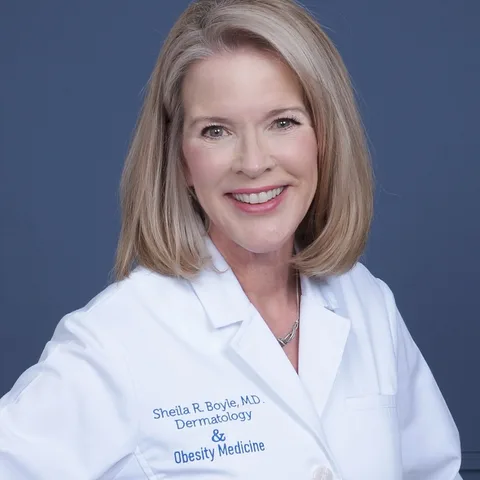
A solo direct-pay practice in Lone Tree whose stated scope is dermatology, cosmetic procedures and medically supervised weight management. The physician is board certified in dermatology and obesity medicine. Every initial visit is by video, with in-person follow-ups by appointment, and the practice does not bill insurance. Hormone replacement therapy is named only as one reason for a new-patient visit on the fee schedule, and no hormone or menopause care is described anywhere else on the site.
Gliss Wellness is a virtual-only OB/GYN practice Dr. Walsh co-founded with a second board-certified OB/GYN, and menopause care is its main focus. Care starts with a 30-minute video consultation about your symptoms, and if hormone therapy suits you, you leave with prescriptions for the first three months. A follow-up at three months keeps refills going for the rest of the year, and refills in between happen by message through the patient portal. There is no membership, and you fill prescriptions at your own pharmacy. The doctors can't examine you in person but can order labs and other tests. Dr. Walsh's own interests include pelvic pain, endometriosis, fibroids and weight loss, and a free 15-minute call lets you meet the team before booking.
Anita Stewart is a family medicine physician who sees gynecology patients at a WVU Medicine clinic in Summersville. Her own provider page lists menopause among the conditions she treats, along with heavy or irregular periods, painful sex and bladder leakage. She also does office procedures such as IUD and Nexplanon placement and tubal ligation. She holds a second clinic at the Nicholas County Health Department and serves as the local public health officer. Her board certification is in osteopathic manipulative medicine, so hands-on treatment is part of how she practices. WVU Medicine publishes nothing about what she prescribes for menopause, so that part of her care is unknown.
Dr. Dombo is a board-certified OB-GYN who is going through the menopausal transition herself. She says starting hormone therapy and changing her nutrition and supplements took her from exhaustion and poor sleep back to enjoying life, and that is why she does this work. She trained in the early 2000s, when hormone therapy was widely feared, and now calls it the gold standard for symptom relief. The first visit runs 60 minutes and covers medical and gynecologic history, medications, nutrition and exercise, then a personal treatment plan. The visit also lists a nutritionist assessment, an exercise plan and mindset coaching, and follow-ups run 25 minutes. She writes publicly about why menopause hits Black women harder and how often they face barriers to care.