Menopause Specialists Who Accept Medicare in California
516 practitioners have an office in California, and 125 more can see patients here by telehealth. 388 of them are certified by the Menopause Society, and the most are in San Francisco, Newport Beach and San Diego.
Dr. Gutierrez is a board-certified OB-GYN who also trained as a minimally invasive gynecologic surgeon. Menopause and hormone therapy sit alongside her general gynecology care, so one office can handle both. Hormone treatment is built around each woman's symptoms and health history and can include bioidentical options. An optional yearly membership adds same-week visits, longer appointments, secure messaging with her and in-house hormone testing. Telemedicine is offered for eligible patients. She speaks English and Spanish, and she is not taking new pregnant patients.
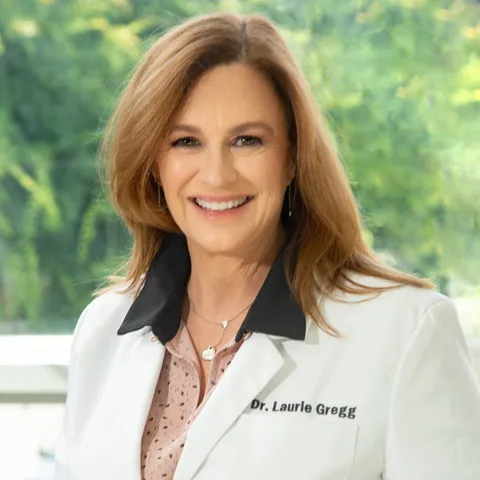
Dr. Gregg practiced OB/GYN in Sacramento for 26 years and now runs a video-only practice focused on hormones, lifestyle and weight. You see her at every visit, and her medical assistant helps with prescriptions, referrals and follow-up in between. She follows Menopause Society guidelines and mostly prescribes FDA-approved bioidentical hormones, with non-hormonal options for women who can't or don't want to take them. She rarely prescribes compounded hormones and doesn't do routine saliva or blood hormone level checks. She also offers libido consults and is board certified in obesity medicine, so weight medication is an option. Because she doesn't see patients in person, you should keep your own gynecologist or primary care doctor for exams.
Dr. Kolomey is an internist who runs a small primary care practice and treats menopause as one of her main areas. She keeps a smaller patient panel so visits are longer and patients message her directly through the portal. Menopause care is organised as a six-month plan that covers symptoms, hormone therapy and non-hormonal options, sexual and urinary health, and bone and heart prevention. A body composition scan is part of it. She is also board certified in obesity medicine, so weight and metabolic changes at midlife are handled in the same practice. Visits can be in person or by video. The Antioch office closes at the end of 2026, after which she sees patients in Walnut Creek.
Emily Tan is a naturopathic doctor at UC Irvine's Susan Samueli Integrative Health Institute, the university's integrative health clinic. Her own profile lists women's health and bioidentical hormones among her specialties, alongside brain health and digestive health. Most of her training is in the brain. She studied behavioral neuroscience, is board certified in neurofeedback and biofeedback, and is finishing a one-year fellowship in primary care psychiatry through the UC Irvine School of Medicine. Visits at the clinic usually run an hour, and the institute says its providers go through symptoms along with lifestyle and environment. A new patient fills in a request form or calls the clinic, and a UCI Health representative rings back within a business day to book.
Adams directs Stanford's menopause program and sees patients at the gynecology clinic in Palo Alto. The program offers in person consults, video consults, and video group visits. She is board certified in both obstetrics and gynecology and in lifestyle medicine, so diet, exercise and sleep come up alongside hormone therapy. Before Stanford she spent 14 years as residency program director at OHSU in Oregon, where she also ran the menopause and sexual medicine program. She hosts the program's podcast and gave a TEDx talk called Sleep, Sex, and Menopausal Zest. The program writes to its patients about practical problems like the estradiol patch shortage.
Dr. Han sees gynecology patients only and has narrowed her practice to women going through menopause. She says many of them come to her after feeling unheard or dismissed elsewhere. She describes care as a partnership where the patient has a voice in decisions. She works within Orange Coast Women's Medical Group, a large OB/GYN group with offices across south Orange County, and she sees patients in Irvine and Laguna Hills. The group's menopause page describes hormone therapy as pills, patches or vaginal creams, and lists non-hormonal options too. She earned a Master of Public Health at Harvard in 2023, focused on how social connection shapes health habits.
Chronis is a family medicine doctor at the Cedars-Sinai primary care office on South Fairmount Avenue in Pasadena, which sits inside Huntington Health. Her group's list of doctors taking new patients marks her as a certified menopause practitioner, and she is the only one of the six doctors at that office carrying that note. A colleague at the same office is marked as a hormone replacement specialist, so midlife patients there have two doctors to pick from. She sees patients in the office and by video, and a new patient can book an office visit, a physical or a video visit online. Her Cedars-Sinai profile carries no biography and no list of conditions, so nothing is published about how she handles hormone therapy. Her online booking showed limited availability for a first visit.
Dr. Gonzalez is an OB-GYN with Sutter Medical Group in Elk Grove and sees women of all ages. Her profile lists menopause and perimenopause among the conditions she treats, and she holds the Menopause Society certification. Most of what her page describes is gynecologic surgery, and she favors minimally invasive options such as robotic hysterectomy, myomectomy and endometrial ablation when surgery is needed. She says she puts weight on preventing gynecologic cancers and conditions. Her page does not say which menopause treatments she prescribes. Visits are in person only, she speaks conversational Spanish, and new patients book through the Sutter site or by phone.
Sharon Orrange is a primary care internist with Keck Signature Care, the concierge medicine program of Keck Medicine of USC, and she sees patients at its Beverly Hills office. Menopause hormone therapy is one of her research subjects, along with GLP-1 drugs, prediabetes and metabolic syndrome. Care splits between annual wellness visits, which cover screening and risk counseling, and primary care visits for chronic conditions and immediate problems. She is a diplomate of the American Board of Obesity Medicine, so weight and metabolic health sit inside her everyday practice rather than in a separate program. The Beverly Hills office keeps weekday daytime hours and offers telehealth appointments. She also studies telemedicine in primary care and how drug prices affect whether patients keep taking their medicines, which is an unusual thing for a working primary care doctor to spend time on.
Dr. Oberman co-directs UCLA Health's Comprehensive Menopause Program, where she leads its education work, and she also keeps a general obstetrics and gynecology practice at the Westwood OBGYN office. New patients fill out a health questionnaire before the first visit that takes 30 to 45 minutes and is due a week ahead, so the consultation itself can go straight to symptoms and treatment. The first visit also screens bone, breast, cognition, heart, mood, sleep and genitourinary health, and anything needing a specialist is handed to another UCLA clinician rather than managed in the menopause clinic. Hormone therapy is offered alongside non-hormonal options such as gabapentin and fezolinetant, and the program schedules a yearly health assessment after that. Outside menopause she has a particular interest in women planning a trial of labor after a cesarean, and she was the lead gynecologist on UCLA trials using estriol in multiple sclerosis.
A three-provider Ob/Gyn clinic in Santa Barbara, part of Cottage Medical Group. Care runs from pregnancy and birth through gynecology, and the clinic names individualized menopause care as something its whole team is trained in. Her own bio on the clinic page says she is a certified menopause specialist too, so the menopause work is hers and not only a colleague's. She goes by Maribeth on the clinic site rather than Mary, which is worth knowing before you call. She came to midwifery from the NICU and has been attending births for about 15 years. Visits are booked by phone during weekday office hours, and the clinic says all of its providers are taking new patients.
Pamela Neff is an OB/GYN at T.H.E. Health and Wellness Centers, a federally funded community clinic group with five health centers around south Los Angeles that has been seeing patients since 1974. The clinic takes people regardless of ability to pay or immigration status, and its own pages cover gynecology, family planning and prenatal care rather than menopause. Her menopause practice is published through Gennev, a virtual menopause service where she sees California, New Jersey and Pennsylvania patients by video. She names perimenopause, menopause, premature ovarian insufficiency and breast cancer risk or survivorship among what she handles. Before Los Angeles she practiced nearly twenty years in Philadelphia, doing minimally invasive surgery and training OB/GYN residents. She says she listens first to what a patient has already been through with health care, then works out a plan with her.
This is a general OB/GYN practice that also delivers babies and does gynecologic surgery, so menopause care sits alongside the rest of women's health. Dr. Leach is also Medical Director of OB/GYN at John Muir Walnut Creek. The office prescribes FDA approved bioidentical estradiol and progesterone by mouth, on the skin or in the vagina. It prefers these to compounded hormones because blood levels can vary from batch to batch. Marybeth Wakefield, a nurse practitioner who also holds the Menopause Society certification, sees midlife patients in the same office. The practice works with the Cancer Support Community of Walnut Creek to help survivors with symptoms like vaginal dryness, including those who cannot use estrogen. New patients are currently being welcomed.
Gina Woods is an endocrinologist at UC San Diego Health and directs the system's osteoporosis program. UC San Diego Health lists her among the specialists in its menopause health program, where her named role is bone health. Her own provider page names that program next to osteoporosis and metabolic bone disease. Bone is the center of her practice, so the midlife patient she sees most is one worried about fracture risk or a falling bone density score. She works out of the Perlman Medical Offices in La Jolla, and care runs the way it does at any large academic system, with new patients registering before a first visit and messages and records going through the patient portal. She teaches as well, as associate program director of the endocrinology fellowship and medical director of UC San Diego's bone densitometry course for other clinicians.
Angela is a women's health nurse practitioner with about twenty years in the field. Much of that time was in community care, including federally qualified health centers, family planning clinics and helping to start an OB care center for underserved women. She sees patients at the Nipomo health center of Community Health Centers of the Central Coast, a federally funded center that serves people whatever their ability to pay. Her listed services cover perimenopause and menopause alongside contraception, gynecologic procedures such as IUD placement and biopsies, and weight loss. New patients register through the center's navigation line and can then book by text, phone or the patient portal. Her bio says she wants women to feel respected and heard at their visits.
Fair Oaks Women's Health is an eight-physician OB-GYN group in the Huntington Pavilion beside Huntington Hospital, and it became part of Huntington Health and Cedars-Sinai in 2023. Jick is its medical director. He joined in 1989 and ran it as the solo doctor before it grew into today's group, and he is the only clinician the team page tags as a Menopause Society Certified Practitioner. Hormone consultations are arranged by calling the office and can be done by video or in person. He also performs the Valayza vaginal laser for dryness and painful sex after menopause, which the practice lists under his name. New gynecology patients print a forms packet and send it back ahead of the first visit, and the practice keeps a menopause resources page he writes in his own voice.
Wendy Ronco is a nurse practitioner at a large primary care practice in Exton, and her work there now centers mostly on menopause care. To see her you have to be a patient of the practice with one of its clinicians as your primary care provider. New patients can enroll with the practice and then book with her. She sees patients in the office and also does menopause visits by video on Tuesdays and Wednesdays, for patients who are in Pennsylvania at the time. She has spent her whole career in women's health and obstetrics and also handles gynecology such as Pap smears and IUDs. The practice's clinicians also run a free on-demand video series on menopause.
Dr. Westgate works in a Community Health Network ob/gyn office in Westfield, north of Indianapolis. She stopped practicing obstetrics in 2020 and now sees only gynecology patients, and she has extra training in cancer prevention and early detection plus a women's genomics counseling certificate from ACOG. The network's menopause page names her as one of two doctors it points women to when menopause symptoms or sexual health problems follow cancer treatment. Menopause care there covers hormone therapy with estradiol, progesterone and testosterone, vaginal estrogen, and non-hormonal medicines for women who cannot or choose not to use hormones. She also still operates, including laparoscopy and vNOTES, so heavy perimenopausal bleeding can be worked up and treated by the same doctor. This is a health system practice, so scheduling and messaging run through MyChart, and visits can be in person or virtual.
Dr. Correa is an internist who runs a small membership primary care practice in Newport Beach, capped at about 100 patients. Menopause care is part of her ongoing primary care rather than a separate program, and she is also board certified in obesity medicine and has prescribed GLP-1 medicines since 2018. Before starting her own practice in 2023 she helped build the midlife women's health program at Hoag. Visits usually run 30 to 60 minutes, members reach her directly, and she will visit patients admitted to Hoag hospitals. The practice takes new members only about half of each year, so a new patient may have to wait for the next opening. People who are not members can book a single long consult with a follow-up by video or in person.
BreAnne Huss is the only provider in the women's health service at North Idaho Dermatology, a skin, plastic surgery and spa group in Coeur d'Alene. She started as a labor and delivery nurse in 2003 and later taught in Georgetown's nurse midwife program. Her focus is perimenopause, menopause and the care of women over 50, and she has hormone therapy training through the Heather Hirsch Academy. The service also does annual gynecology exams, birth control, PCOS and lichen sclerosus care, and same-day visits for vaginitis. The group's online scheduler did not list her, so booking with her likely means calling the office.
Dr. Sungurlu is a gynecologist who serves as a woman's main doctor, covering primary care and gynecology in one office in San Luis Obispo. The practice runs as an MDVIP concierge membership with a small patient panel, same or next-day appointments, and phone access to her after hours and on weekends. Membership includes a yearly women's health workup with heart risk testing, bone health and hormone testing, and screening for depression and anxiety. She puts a lot of weight on prevention and talks with patients about sleep, exercise, hormonal health and cutting back medications where it is safe. You see her at every visit rather than a nurse practitioner or physician assistant. She has practiced in San Luis Obispo for over a decade and offers telehealth visits when you can't come in.
Jerusalem Makonnen sees patients at One Medical's Grand Lake office in Oakland, a membership primary care practice rather than a menopause clinic. She lists peri/menopause as her area of expertise and otherwise sees patients of all ages for general primary care. Most contact runs through the One Medical app, where members message their care team and use on-demand video visits around the clock. Scheduled visits with her, in the office or by video, are booked on top of the membership and billed to insurance, and the office takes same-day and next-day appointments. One Medical publishes nothing about which hormone treatments its providers use, so what she prescribes for menopause is not stated on the site. She trained at Yale, writes that she wants to create a safe space for everyone, and says she runs, does yoga and gets out to the California beaches with her family.
Dr. Cernaianu is a board-certified OB/GYN who also holds board certification in anti-aging and integrative medicine, and she runs a concierge practice alongside a separate med spa. Hormone care is a core service, and she prescribes FDA-approved estrogen, progesterone and testosterone products as well as compounded creams and pellets. She is upfront about which routes insurance covers and which are paid out of pocket. Her site says hormone follow-ups run about three times a year, and she avoids writing a year of refills at once. She also evaluates thyroid and adrenal concerns and treats urinary incontinence. Her training began in Bucharest, and she was the first foreign medical graduate admitted to the LSU residency program.
Lynn Coates-Leisen is the nurse practitioner who sees patients at this small Thousand Oaks office, where a physician is the medical director. She came into nurse practitioner work after decades in healthcare, and she was the first menopause practitioner certified in Ventura County. Alongside perimenopause and menopause she handles thyroid disease, weight and proactive cardiovascular screening, and she offers hormonal and non-hormonal options. The practice promises it will never up-sell costly procedures or pellets. She writes the clinic blog herself, including a post warning readers off grey market peptides. New patients usually start with a free ten minute phone call to see whether the practice is a fit, and visits happen in the office or by video within California.