82 practitioners have an office in Indiana, and 67 more can see patients here by telehealth. 107 of them are certified by the Menopause Society, and the most are in Indianapolis, Carmel and Westfield.
Relish Health is Dr. Leazenby's solo functional medicine practice in Carmel, just north of Indianapolis. She sees adults 18 and over, including men, and her hormone work covers women in pre-menopause, perimenopause and menopause, including hormone replacement therapy. You can come as a pay-as-you-go patient if you already have a primary care doctor, or join her direct primary care membership for unlimited in-person or video visits and portal messaging. First visits run about 90 minutes and follow-ups about 45, and she reads through your history and records before you meet, so intake forms are due three days ahead. Blood is not drawn in the office, so she gives you a lab order to take to a facility in your own insurance network. She trained as a natural food chef as well as a physician and runs cooking and health classes on topics like reflux and blood pressure, and her obesity medicine fellowship means weight and metabolic health come up alongside hormones.
Dr. Sublett is an OB/GYN who runs her menopause care out of Lilivy, a Fort Wayne practice that also offers aesthetic treatments. Hormone care starts with a long paid consultation with her, in person or by video for women in Indiana or Wisconsin. Ongoing testing, treatment and prescriptions come through her annual membership, The Lilivy Collective, which also covers weight, sexual health and longevity planning. She prescribes FDA-approved hormones, including bioidentical options, and adds testosterone for some women. She is outspoken that women are too often told hormone therapy is unsafe, and she has extra training in sexual medicine and perinatal mental health. The membership is for women only.
Diana Kumar is a board certified OB-GYN who co-founded Gliss Wellness, a virtual practice built around perimenopause and menopause. All care happens by video and secure messaging, so there is no office to visit. A menopause visit runs about 30 minutes and ends with a plan and prescriptions for an initial three month period, followed by a check-in visit before refills continue for the rest of the year. She prescribes hormone therapy when it fits, can order labs and scans, and sends prescriptions to the patient's own pharmacy. She also sees women for weight counseling and for urgent gynecology problems handled through a short written form. Her stated areas of interest are PCOS, sexual dysfunction, bone health and longevity medicine.
Dr. Moon is a gynecologist who founded and owns New Moon in Carmel, and her own bio says she specializes in menopause management alongside minimally invasive gynecologic surgery. Her practice is a full OB-GYN office, so many patients have seen her for years through pregnancies and annual exams before reaching menopause. She talks with patients about hormone therapy for perimenopause and menopause symptoms in office visits. The practice also offers in-office radiofrequency treatment for vaginal dryness and urinary leakage, which she performs herself. Diagnostic mammograms can be done in the same office through a radiology partner. New patients call the office to schedule.
Dr. Westgate works in a Community Health Network ob/gyn office in Westfield, north of Indianapolis. She stopped practicing obstetrics in 2020 and now sees only gynecology patients, and she has extra training in cancer prevention and early detection plus a women's genomics counseling certificate from ACOG. The network's menopause page names her as one of two doctors it points women to when menopause symptoms or sexual health problems follow cancer treatment. Menopause care there covers hormone therapy with estradiol, progesterone and testosterone, vaginal estrogen, and non-hormonal medicines for women who cannot or choose not to use hormones. She also still operates, including laparoscopy and vNOTES, so heavy perimenopausal bleeding can be worked up and treated by the same doctor. This is a health system practice, so scheduling and messaging run through MyChart, and visits can be in person or virtual.
Dr. Scott is an OB-GYN who runs this Fort Wayne practice, which combines gynecology with a med spa. She went into menopause care because she felt it has long been undertreated. Hormone therapy starts with a consultation and lab work, and the options are estrogen and progesterone as pills, patches, creams or vaginal inserts. She is also certified in obesity medicine and runs a physician-led weight program with GLP-1 medication. Gynecology visits can't be booked online, so new patients call the office or use the new-patient contact form. The office also offers EMSELLA for bladder leakage.
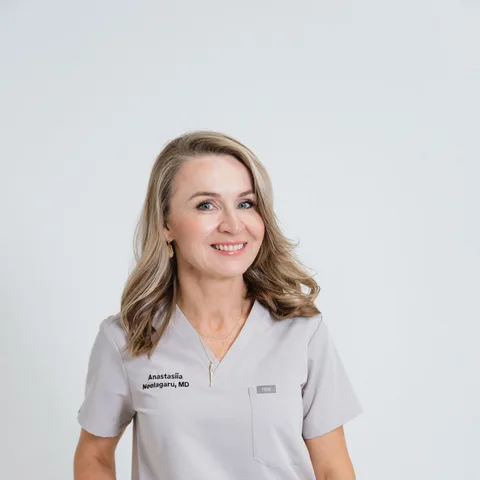
Dr. Neelagaru runs a virtual-only specialty clinic for menopause and sexual medicine. She no longer provides primary care, so patients keep their own doctor for routine care, physicals and pelvic exams. New patients start with a free video strategy call, and care runs through 60-minute video visits or her four-month Flourish Method program with labs and monthly follow-ups. She prescribes FDA-approved bioidentical estrogen, progesterone and testosterone, plus vaginal estrogen and non-hormonal options, and she does not place pellets but helps women move off them. Sexual health is at the center of her practice, and she also sees male partners for erectile dysfunction and low testosterone. She is perimenopausal herself and says her own hormonal changes shaped how she practices.
Jackie Stone, MD sees women entirely by telehealth, in a practice she runs alone. She is board certified in obstetrics and gynecology and in obesity medicine, and treats perimenopause, menopause and primary ovarian insufficiency alongside PCOS, genitourinary symptoms, sexual wellness, and skin and hair changes. First visits run a full hour and cover past records, labs and a treatment plan. Ongoing care is by monthly membership or visit by visit, with direct messaging for members.
A solo, fully virtual membership practice for midlife women across Texas, run by a physician board certified in family, obesity and lifestyle medicine who is also a Menopause Society Certified Practitioner. The membership covers an hour-long first consultation, seven follow-ups a year, secure messaging between visits, prescription management and lab interpretation, while medication, labs and imaging are billed separately. Hormone therapy is offered but not part of every plan, with non-hormonal options discussed instead. The practice declines to use hormone pellets, citing unpredictable dosing. Care is given in English and Spanish, and the physician describes herself as working alongside a patient's existing doctors rather than replacing them.
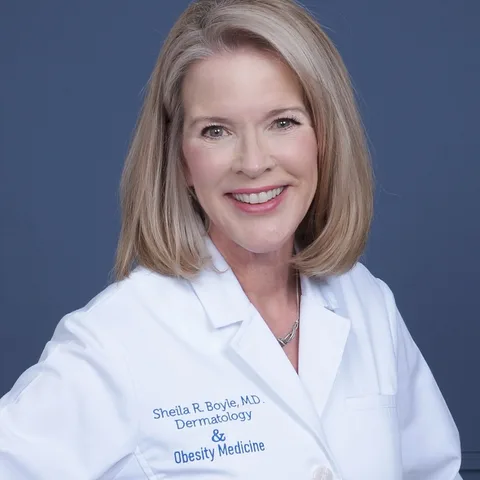
A solo direct-pay practice in Lone Tree whose stated scope is dermatology, cosmetic procedures and medically supervised weight management. The physician is board certified in dermatology and obesity medicine. Every initial visit is by video, with in-person follow-ups by appointment, and the practice does not bill insurance. Hormone replacement therapy is named only as one reason for a new-patient visit on the fee schedule, and no hormone or menopause care is described anywhere else on the site.
Zuli Direct Care is a two physician direct primary care practice in Mishawaka that serves South Bend and the surrounding area. Members pay a monthly fee that covers unlimited visits, and they can reach their own doctor by phone, text or email. Dr. Bajuyo is a family physician who is also certified by the Menopause Society, and the practice lists menopause, perimenopause and other hormonal concerns among the things it treats. The practice writes that most physicians were never taught about menopause and hormone therapy, and it points to both of its doctors being trained in it. Visits happen in the office or by video or phone, and labs and many common medications are handled in house. Dr. Bajuyo's patient panel is full, so a new patient joins her wait list or enrolls with the other physician.
Dr. Long runs a newly opened direct primary care practice in Laguna Niguel. He is a board-certified family doctor with a fellowship in integrative medicine, so menopause care is one part of what he does for adults rather than the whole practice. Hormone therapy evaluation and ongoing dose changes come with the monthly membership, with no separate charge for those visits. He keeps his patient list small and says visits run 45 to 60 minutes, and members call or text him directly instead of going through a front desk. He is fluent in English and Spanish and has training in addiction medicine.
Concierge Medicine of Westlake is Dr. Fiffick's own practice. She keeps the patient panel small and runs it on annual memberships rather than billing insurance. The women's health membership covers non-obstetric care through midlife, with perimenopause and menopause symptom management alongside bone health, cardiovascular risk and urogenital health, and it includes hormone prescription management when she judges it appropriate. Members get 30 or 60 minute visits, same or next day openings, and her direct phone, text and email, and virtual visits are offered as a supplement with prior approval when an exam is not needed. She came to women's health through family medicine after being told early on that the only route was OB-GYN, then spent two years in the Cleveland Clinic's Specialized Women's Health fellowship. As an osteopathic physician she also does hands-on manipulative treatment, which patients can buy as its own membership or one visit at a time.
Gliss Wellness is a virtual-only OB/GYN practice Dr. Walsh co-founded with a second board-certified OB/GYN, and menopause care is its main focus. Care starts with a 30-minute video consultation about your symptoms, and if hormone therapy suits you, you leave with prescriptions for the first three months. A follow-up at three months keeps refills going for the rest of the year, and refills in between happen by message through the patient portal. There is no membership, and you fill prescriptions at your own pharmacy. The doctors can't examine you in person but can order labs and other tests. Dr. Walsh's own interests include pelvic pain, endometriosis, fibroids and weight loss, and a free 15-minute call lets you meet the team before booking.
Dr. Dombo is a board-certified OB-GYN who is going through the menopausal transition herself. She says starting hormone therapy and changing her nutrition and supplements took her from exhaustion and poor sleep back to enjoying life, and that is why she does this work. She trained in the early 2000s, when hormone therapy was widely feared, and now calls it the gold standard for symptom relief. The first visit runs 60 minutes and covers medical and gynecologic history, medications, nutrition and exercise, then a personal treatment plan. The visit also lists a nutritionist assessment, an exercise plan and mindset coaching, and follow-ups run 25 minutes. She writes publicly about why menopause hits Black women harder and how often they face barriers to care.