Menopause Specialists Who Accept Insurance in Massachusetts
178 practitioners have an office in Massachusetts, and 64 more can see patients here by telehealth. 165 of them are certified by the Menopause Society, and the most are in Boston, Chestnut Hill and Worcester.
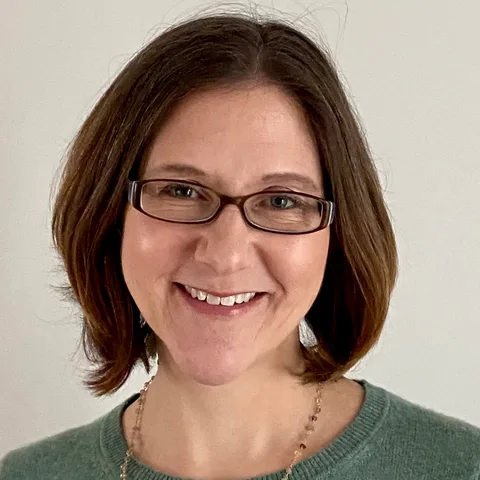
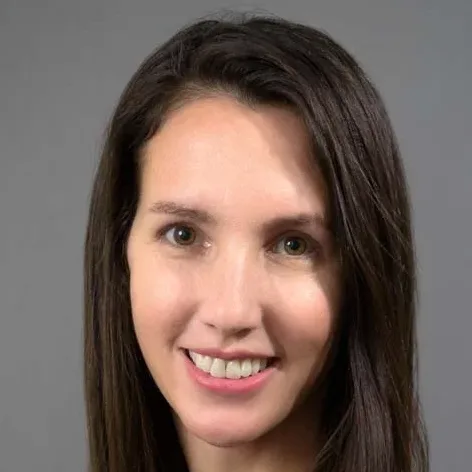
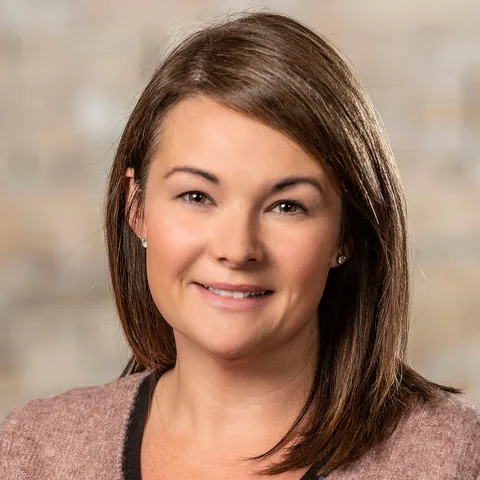
Olive Tree Medical is a small concierge practice in Wellesley run by two women physicians who keep the panel to a few hundred patients. Dr. Walkey is a primary care internist who is also board certified in lifestyle medicine, and she became a Menopause Society Certified Practitioner in 2024 to focus on women's health in midlife. Membership covers a long annual exam and a schedule of follow-up visits, with a lot of care happening by phone, text, email and video in between. Health coaching, nutrition consults, fitness testing and stress management are folded into membership rather than billed on their own. Walkey was diagnosed with breast cancer in 2020 and says it pushed her toward the prevention and lifestyle work she now does with patients. New members start with a free in-person meet and greet, and places are limited, so the practice adds people to a waiting list once it fills.
Takes Blue Cross Blue Shield, Cigna +8 · first visit $275
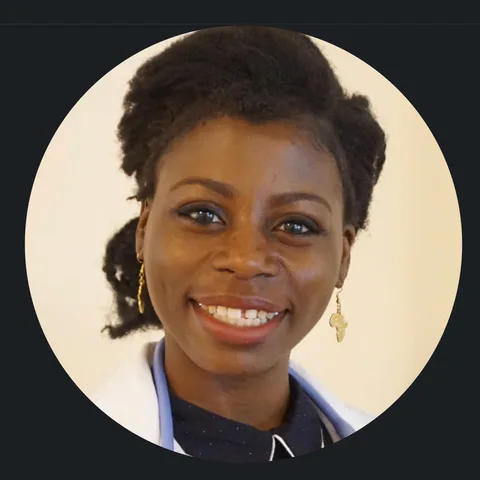
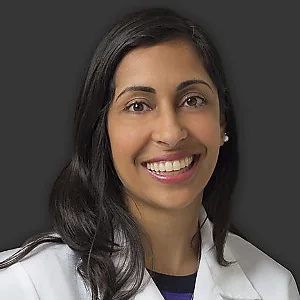
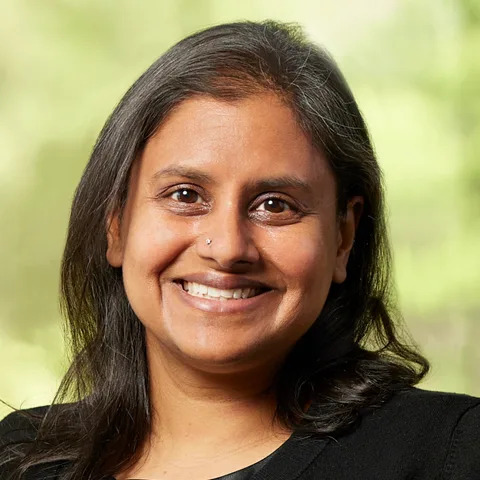
Toun Sogbein is a women's health nurse practitioner with Visana Health, a women's health practice that works entirely by video out of Minneapolis. She handles menopause and perimenopause along with the gynecological and sexual health problems that often sit alongside them, and she came to this work from public health clinics and a community health degree. First visits run 45 minutes, and patients stay with the same provider and can message the care team through the patient portal between visits. Visana's menopause care follows protocols written by Dr. Barbara Levy, and a patient can go the hormone route or a non-hormonal one after talking it through. Labs and imaging get ordered near home when they are needed, and optional health coaching covers food and exercise for anyone who wants that support. Many patients reach Visana through an employer or health plan, and the site has a start page where you look up yours.
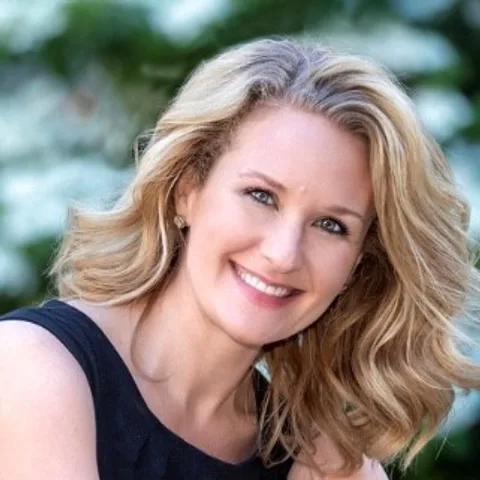
Jamie Wendt sees patients through Midi Health, a women's health practice that works only by video. She started in 2008 as a labor and delivery nurse and spent about a decade there before qualifying as a nurse practitioner in 2019, and she has worked in women's health throughout. About three years ago she shifted her focus to midlife and menopause care, which she calls the most meaningful work of her career. A first visit runs 30 minutes and return visits run 15, and care plans draw on FDA-approved hormone therapy, non-hormone prescriptions, labs and supplements. She writes about spending a year with one patient finding the right mix of hormone therapy and medication after a history of severe postpartum depression. If you need a physical exam or imaging, Midi refers you to someone local and keeps managing the rest by video.
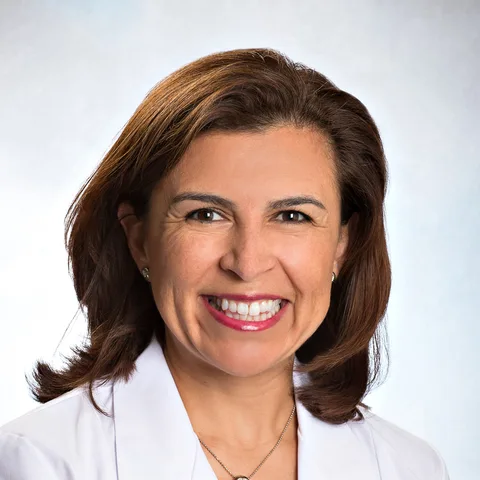
Dr. Kolbas is a general OB-GYN at New England OB-GYN in Chestnut Hill, a large group practice affiliated with Brigham and Women's Hospital. She is one of the practice's certified menopause providers, and the practice evaluates and manages menopause as part of its gynecology care. Most gynecology visits happen in the office, and a provider can choose to do some visits by video. She speaks Spanish as well as English and has taught at Harvard Medical School since 2002. New patients have to register with the Mass General Brigham system before they request an appointment.
Newton-Wellesley OB/GYN is a long-running obstetrics and gynecology group with offices in Newton, Wellesley and Walpole, and it is affiliated with Newton-Wellesley Hospital. Dr. Erisson joined in 2019 after training in Israel and New York and teaching at Northwell for three years. She still does obstetrics and minimally invasive surgery, so menopause care here sits inside a regular gynecology practice rather than a standalone menopause clinic. The practice describes ordinary prescription menopause care, including hormone therapy, vaginal estrogen cream and low dose antidepressants, and says nothing about compounded hormones or pellets. Appointments run through an online request form where you can ask for her by name, and the office keeps same day slots for patients who are having problems. Lab work and ultrasound are done on site and messaging goes through the patient portal.
Dr. Robinson works at a Beth Israel Lahey Health primary care office in Waltham that takes patients of all ages. She leads the practice's menopause group visits, a monthly evening session you can attend in Waltham or join online instead. The sessions go through what the evidence says about menopause and cover both hormonal and non-hormonal treatment options, plus nutrition and exercise. You sign up for one by contacting the practice nurse rather than booking online. Because this is a general primary care office, she also looks after the rest of a patient's health, including long-term conditions like diabetes and high blood pressure.
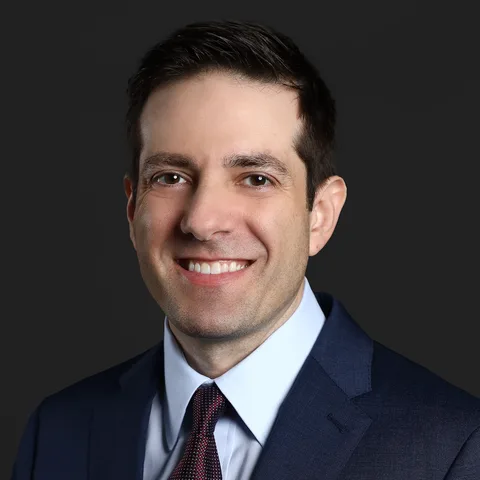
Dr. Roca is an OB/GYN at Atrius Health, a large multispecialty group, and sees patients at its Davis Square office in Somerville and in Medford. He lists perimenopause and menopause care among his clinical interests, along with pregnancy care, fibroids and minimally invasive gynecologic surgery. Atrius OB/GYNs manage menopause symptoms and talk through menopausal hormone therapy. Harder cases can be referred to the group's Menopause Consultation Service, which is mostly virtual. Atrius says some specialty care may be limited to patients who have an Atrius primary care provider, so setting one up first can help. He speaks English, Spanish and French.
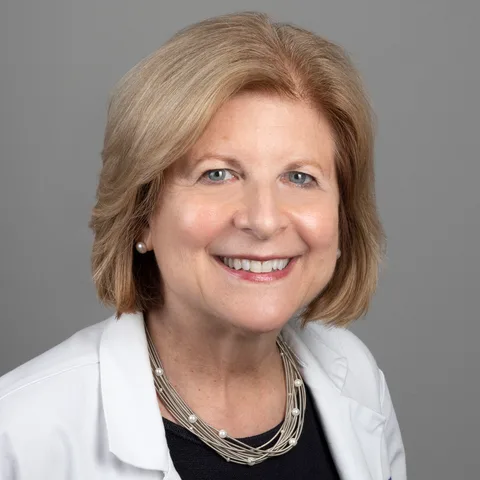
Dr. Fleming runs a small gynecology office in Wellesley with one nurse practitioner, and menopause care is a central part of the practice. She prescribes estrogen, with progesterone for women who still have a uterus, and uses non-hormonal prescriptions for hot flashes when hormones are not a good fit. For vaginal dryness and painful sex she also offers the Juliet vaginal laser in the office, including for women with a history of breast cancer. Her site is frank about supplements and says she does not recommend black cohosh. Visits are in person or by video, and new patients booking a menopause consult online are currently scheduled with her nurse practitioner. She came to medicine after a first career as a financial analyst.
Dr. Connolly is an obstetrician-gynecologist at New England OB-GYN Associates, a large group practice in Chestnut Hill that delivers babies and also sees women through menopause. Menopause care sits alongside routine gynecology, and the practice lists Menopause Society certified providers for it. Most gynecology visits are in the office, and a video visit happens only when the provider decides it fits. Dr. Connolly has practiced since 1998 and teaches as a clinical instructor at Harvard Medical School. The practice partners with FamilyWell, whose mental health team now sees patients going through menopause and works directly with the OB-GYN. Patients new to the Mass General Brigham system register with its patient service center before requesting a first appointment.
Dr. Pope is Chief of Obstetrics and Gynecology at Southcoast Health and one of the gynecologists on its Menopause and Wellness Program team. The program calls itself the first in its region built around midlife and menopause care. It puts gynecology alongside heart care, weight loss, bone health, endocrinology, psychiatry, sex therapy and pelvic floor physical therapy, so patients can be referred within one team. He sees patients at the program's Wareham office and at the Southcoast OB/GYN office in New Bedford. He also teaches obstetrics and gynecology at Brown and lists menopause among his clinical interests. Visits go through Southcoast Health's usual insurance billing and MyChart patient portal.