178 practitioners have an office in Massachusetts, and 64 more can see patients here by telehealth. 165 of them are certified by the Menopause Society, and the most are in Boston, Chestnut Hill and Worcester.
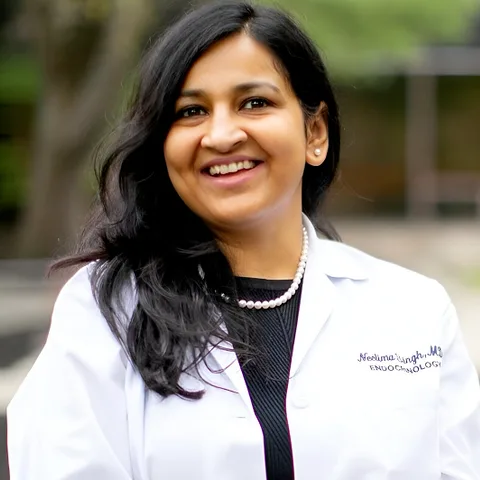
EndoHarmony is Dr. Singh's solo direct-care endocrinology practice, run on a membership or fee-for-service basis with a deliberately small panel. She caps it at roughly 300 patients rather than the 3,000 of a traditional clinic. Menopause care sits inside a broader endocrine practice, so menopause management with hormone replacement therapy runs alongside thyroid disease, osteoporosis and bone density screening, PCOS, lipid disorders, diabetes and medically supervised weight management. Most visits are virtual, with in-person days on Fridays at the Westborough office and Thursdays by appointment at a second Natick location. New patients start with a short video meet-and-greet before registering, and members get sixty to a hundred and twenty minute appointments, unlimited secure messaging and round-the-clock outreach for urgent concerns.
Dr. B runs a small concierge practice in Hingham that sees women and men, with a particular focus on women in midlife. She trained in internal medicine at the Cleveland Clinic and then did a women's health fellowship there, which is where she started working with perimenopausal and menopausal women. Members pay a yearly fee that covers unlimited visits, appointments of 30 to 90 minutes, and round the clock messaging, email or phone access to her directly. Menopause care is offered as a specialty consult focused on symptoms and hormones. She stresses prevention and shared decision making, and women over 40 fill in a breast cancer risk assessment before they are seen. The practice is at capacity right now, so new members start with a free meet and greet and join a waitlist.
Olive Tree Medical is a small concierge practice in Wellesley run by two women physicians who keep the panel to a few hundred patients. Dr. Walkey is a primary care internist who is also board certified in lifestyle medicine, and she became a Menopause Society Certified Practitioner in 2024 to focus on women's health in midlife. Membership covers a long annual exam and a schedule of follow-up visits, with a lot of care happening by phone, text, email and video in between. Health coaching, nutrition consults, fitness testing and stress management are folded into membership rather than billed on their own. Walkey was diagnosed with breast cancer in 2020 and says it pushed her toward the prevention and lifestyle work she now does with patients. New members start with a free in-person meet and greet, and places are limited, so the practice adds people to a waiting list once it fills.
New England Medicine is a small direct primary care practice in Wellesley Hills run by Dr. Leland Hull, an internist who sees adults 18 and older. Patients pay a yearly membership instead of having visits billed to insurance, which buys longer visits when needed, virtual care and a way to reach her between appointments. Menopause care is part of her everyday primary care rather than a separate hormone clinic, so she can also be your regular doctor. Before opening the practice she spent years in academic medicine and research at Massachusetts General Hospital and Harvard, much of it on preventive genetics. New patients start with a short video meet and greet before deciding whether to join.
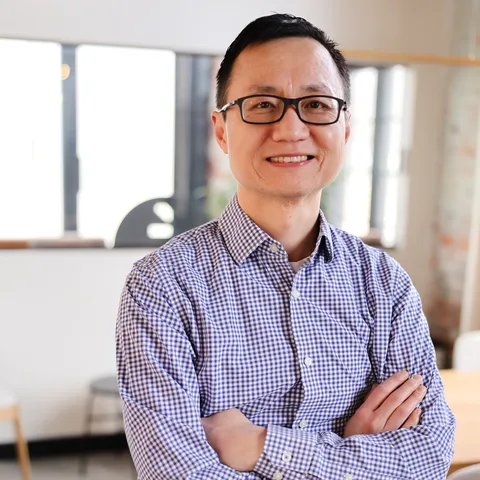
Dr. Zhang is an internist who runs a direct primary care practice in East Providence with one other physician. Each doctor caps the panel at 300 patients, so visits run 30 to 60 minutes and members can reach him by phone, text or video. He trained in urology before moving to internal medicine, and he is also board certified in lifestyle medicine. His menopause care is part of general adult primary care, with a strong lean toward nutrition and plant-based eating. He can do ultrasound right in the office, and virtual visits are available.
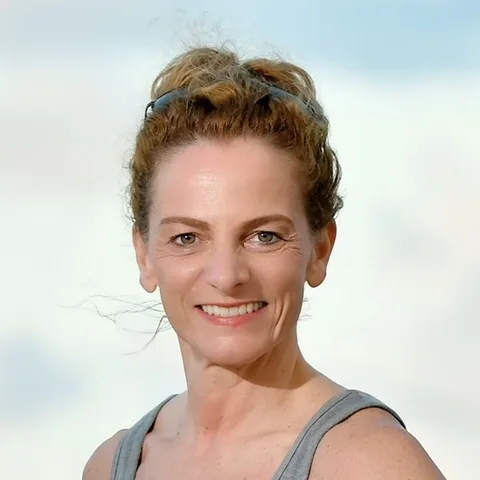
Dr. DiGirolamo is a reproductive endocrinologist who spent a decade as a fertility specialist at Boston IVF before opening this virtual practice. She sees women from their first periods through menopause, with a focus on active women and athletes, and she manages perimenopause, menopause and hormone therapy. Care starts with a 50-minute Zoom consultation after an intake questionnaire, followed by shorter video follow-ups. Visits are video only, and a medical visit is only possible if you are calling in from a state where she is licensed. She is also a CrossFit trainer and nutrition coach, and she builds care on exercise and nutrition first, adding medication as needed. She does not provide primary care and recommends you keep your own primary care doctor.
Diana Kumar is a board certified OB-GYN who co-founded Gliss Wellness, a virtual practice built around perimenopause and menopause. All care happens by video and secure messaging, so there is no office to visit. A menopause visit runs about 30 minutes and ends with a plan and prescriptions for an initial three month period, followed by a check-in visit before refills continue for the rest of the year. She prescribes hormone therapy when it fits, can order labs and scans, and sends prescriptions to the patient's own pharmacy. She also sees women for weight counseling and for urgent gynecology problems handled through a short written form. Her stated areas of interest are PCOS, sexual dysfunction, bone health and longevity medicine.
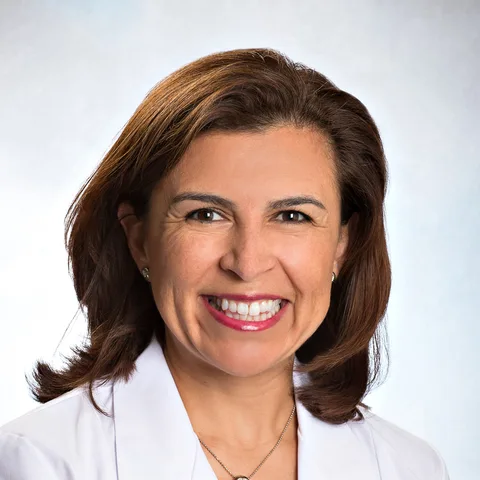
Dr. Kolbas is a general OB-GYN at New England OB-GYN in Chestnut Hill, a large group practice affiliated with Brigham and Women's Hospital. She is one of the practice's certified menopause providers, and the practice evaluates and manages menopause as part of its gynecology care. Most gynecology visits happen in the office, and a provider can choose to do some visits by video. She speaks Spanish as well as English and has taught at Harvard Medical School since 2002. New patients have to register with the Mass General Brigham system before they request an appointment.
Newton-Wellesley OB/GYN is a long-running obstetrics and gynecology group with offices in Newton, Wellesley and Walpole, and it is affiliated with Newton-Wellesley Hospital. Dr. Erisson joined in 2019 after training in Israel and New York and teaching at Northwell for three years. She still does obstetrics and minimally invasive surgery, so menopause care here sits inside a regular gynecology practice rather than a standalone menopause clinic. The practice describes ordinary prescription menopause care, including hormone therapy, vaginal estrogen cream and low dose antidepressants, and says nothing about compounded hormones or pellets. Appointments run through an online request form where you can ask for her by name, and the office keeps same day slots for patients who are having problems. Lab work and ultrasound are done on site and messaging goes through the patient portal.
Dr. Robinson works at a Beth Israel Lahey Health primary care office in Waltham that takes patients of all ages. She leads the practice's menopause group visits, a monthly evening session you can attend in Waltham or join online instead. The sessions go through what the evidence says about menopause and cover both hormonal and non-hormonal treatment options, plus nutrition and exercise. You sign up for one by contacting the practice nurse rather than booking online. Because this is a general primary care office, she also looks after the rest of a patient's health, including long-term conditions like diabetes and high blood pressure.
Jenesis Women's Health is a small Hopkinton practice focused on perimenopause and menopause, led by Dr. Braley with a physician assistant co-founder. Dr. Braley is an internist who worked in hospital care and medical education before opening the practice. Care starts with an hour-long first visit, ideally in person, followed by half-hour check-ins in the office or by video for women anywhere in Massachusetts. She prescribes estrogen, progesterone and testosterone when they fit, and favors FDA-approved products such as bioidentical estradiol and micronized progesterone. Heart risk and bone health are checked as part of deciding on hormone therapy.
Dr. Carol runs a small concierge practice for women in perimenopause and menopause, and she is going through midlife herself. She spent about 20 years as an emergency physician before turning to menopause care. Care starts with a free 30-minute video call. After that comes a package of two long visits, each 60 to 90 minutes, and you can message her between and after them. Visits can be at her Manhattan office, by video, or at your home or workplace. The visits look at symptom treatment along with bone, heart and breast cancer risk. She does not replace your own doctors, so you still need a primary care doctor and a gynecologist for exams and mammograms.
Jackie Stone, MD sees women entirely by telehealth, in a practice she runs alone. She is board certified in obstetrics and gynecology and in obesity medicine, and treats perimenopause, menopause and primary ovarian insufficiency alongside PCOS, genitourinary symptoms, sexual wellness, and skin and hair changes. First visits run a full hour and cover past records, labs and a treatment plan. Ongoing care is by monthly membership or visit by visit, with direct messaging for members.
Dr. Roca is an OB/GYN at Atrius Health, a large multispecialty group, and sees patients at its Davis Square office in Somerville and in Medford. He lists perimenopause and menopause care among his clinical interests, along with pregnancy care, fibroids and minimally invasive gynecologic surgery. Atrius OB/GYNs manage menopause symptoms and talk through menopausal hormone therapy. Harder cases can be referred to the group's Menopause Consultation Service, which is mostly virtual. Atrius says some specialty care may be limited to patients who have an Atrius primary care provider, so setting one up first can help. He speaks English, Spanish and French.
Dr. Fleming runs a small gynecology office in Wellesley with one nurse practitioner, and menopause care is a central part of the practice. She prescribes estrogen, with progesterone for women who still have a uterus, and uses non-hormonal prescriptions for hot flashes when hormones are not a good fit. For vaginal dryness and painful sex she also offers the Juliet vaginal laser in the office, including for women with a history of breast cancer. Her site is frank about supplements and says she does not recommend black cohosh. Visits are in person or by video, and new patients booking a menopause consult online are currently scheduled with her nurse practitioner. She came to medicine after a first career as a financial analyst.
Dr. Boutwell runs a small independent practice in Lexington for women over 40, combining internal medicine, lifestyle medicine and menopause care. Instead of a monthly fee you buy a block of her time, and emails, record reviews and care coordination all count toward it along with visits. Care starts with a long annual assessment and then moves to quarterly check-ins with one-month and three-month action plans. She can be your main doctor or work alongside a primary care doctor you want to keep. She spent more than 20 years as a hospital physician at MGH and Newton-Wellesley and can guide you through an ER visit or hospital stay. She also runs a separate ten-month Healthspan Program open to women outside Massachusetts, and new patients start with a short video meet and greet.
Dr. Kunkel is a gynecologist who runs her own membership practice for women's health inside Direct Doctors, a physician-only direct care group in East Greenwich. She spent seven and a half years as a general OB/GYN before building a practice around midlife women, and she also holds board certification in obesity medicine. New patients start with a one-time consult of up to an hour, then join her monthly membership, which is required for hormone therapy. Members can reach her directly by text, email and phone. She also treats primary ovarian insufficiency and handles in-office gynecology such as biopsies and IUDs. She began her working life in theater before switching to medicine.
Gliss Wellness is a virtual-only OB/GYN practice Dr. Walsh co-founded with a second board-certified OB/GYN, and menopause care is its main focus. Care starts with a 30-minute video consultation about your symptoms, and if hormone therapy suits you, you leave with prescriptions for the first three months. A follow-up at three months keeps refills going for the rest of the year, and refills in between happen by message through the patient portal. There is no membership, and you fill prescriptions at your own pharmacy. The doctors can't examine you in person but can order labs and other tests. Dr. Walsh's own interests include pelvic pain, endometriosis, fibroids and weight loss, and a free 15-minute call lets you meet the team before booking.
Dr. Connolly is an obstetrician-gynecologist at New England OB-GYN Associates, a large group practice in Chestnut Hill that delivers babies and also sees women through menopause. Menopause care sits alongside routine gynecology, and the practice lists Menopause Society certified providers for it. Most gynecology visits are in the office, and a video visit happens only when the provider decides it fits. Dr. Connolly has practiced since 1998 and teaches as a clinical instructor at Harvard Medical School. The practice partners with FamilyWell, whose mental health team now sees patients going through menopause and works directly with the OB-GYN. Patients new to the Mass General Brigham system register with its patient service center before requesting a first appointment.
Dr. Wax is a family physician who runs a small direct primary care practice in York with a nurse practitioner who is also Menopause Society certified. Menopause care works as its own program, so you do not need to join the primary care practice to get it. It starts with a long first visit covering your symptoms, history and goals, and you leave with a plan for hormone or non-hormone treatment. The next six months are a membership with three follow-up visits, labs and unlimited messaging while the dose gets adjusted. After that you can stay on a lighter maintenance plan or be handed back to your own doctor or gynecologist with a written summary. Patients reach the team by text rather than through a phone tree.
Dr. Pope is Chief of Obstetrics and Gynecology at Southcoast Health and one of the gynecologists on its Menopause and Wellness Program team. The program calls itself the first in its region built around midlife and menopause care. It puts gynecology alongside heart care, weight loss, bone health, endocrinology, psychiatry, sex therapy and pelvic floor physical therapy, so patients can be referred within one team. He sees patients at the program's Wareham office and at the Southcoast OB/GYN office in New Bedford. He also teaches obstetrics and gynecology at Brown and lists menopause among his clinical interests. Visits go through Southcoast Health's usual insurance billing and MyChart patient portal.