98 practitioners have an office in Maryland, and 106 more can see patients here by telehealth. 132 of them are certified by the Menopause Society, and the most are in Bethesda, Rockville and Frederick.
Takes Aetna, Blue Cross Blue Shield +1 · from $58/mo
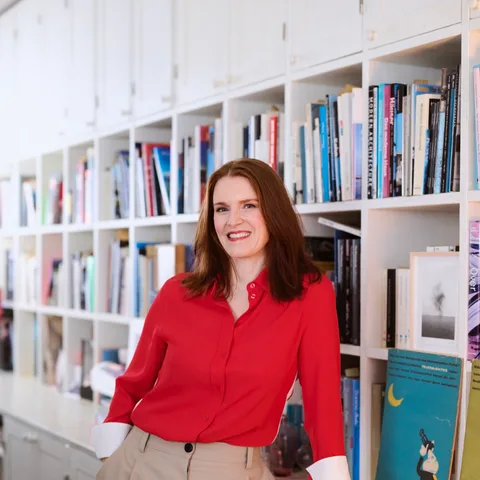
Dr. Enzmann is a gynecologist who left hospital practice in 2026 and now offers two kinds of care. At her Glen Burnie office she sees insurance-based gynecology patients on Friday mornings, including menopause assessments, HRT decisions and in-person care for vulvar and vaginal problems like lichen sclerosus and recurrent BV. Her private-pay functional medicine side runs mostly by video and starts with a paid discovery call, followed by lab-heavy programs with a set block of consults. She can prescribe hormones only for women located in Maryland and works with women elsewhere as a health coach who cannot prescribe. She prefers FDA-approved body-identical hormones over custom compounded ones and explains why on her site. She trained in Germany and speaks English, German and Spanish.
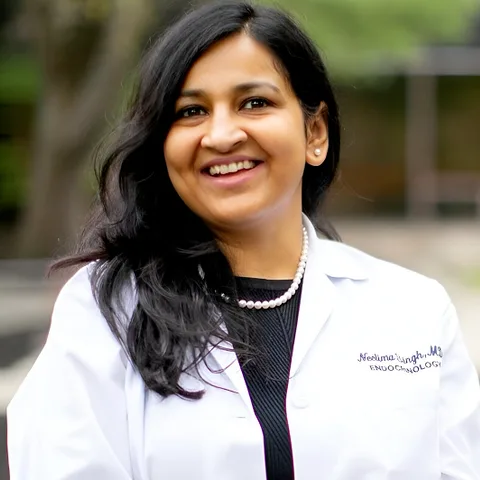
EndoHarmony is Dr. Singh's solo direct-care endocrinology practice, run on a membership or fee-for-service basis with a deliberately small panel. She caps it at roughly 300 patients rather than the 3,000 of a traditional clinic. Menopause care sits inside a broader endocrine practice, so menopause management with hormone replacement therapy runs alongside thyroid disease, osteoporosis and bone density screening, PCOS, lipid disorders, diabetes and medically supervised weight management. Most visits are virtual, with in-person days on Fridays at the Westborough office and Thursdays by appointment at a second Natick location. New patients start with a short video meet-and-greet before registering, and members get sixty to a hundred and twenty minute appointments, unlimited secure messaging and round-the-clock outreach for urgent concerns.
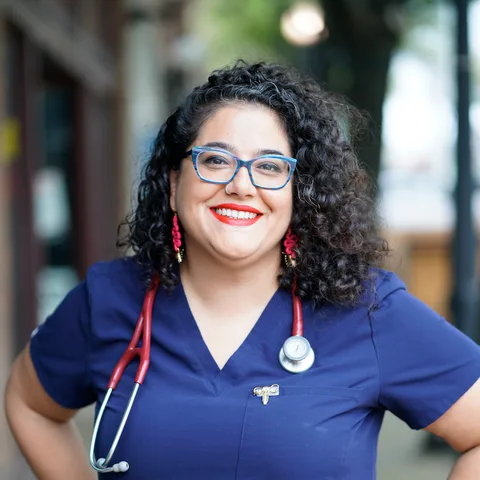
Dr. Moayedi is a Dallas OB/GYN who specializes in complex family planning and runs her own small practice. Her perimenopause and menopause care happens entirely by video, and she reviews your history and explains the science behind the treatment plan. Between visits you can text her directly with questions. Most patients need one or two follow-up visits to adjust doses, then a yearly visit to keep refills going. Prescriptions go to whatever pharmacy you choose. The practice doesn't take insurance, but it works with nonprofit funds to help Texas patients cover visit costs.
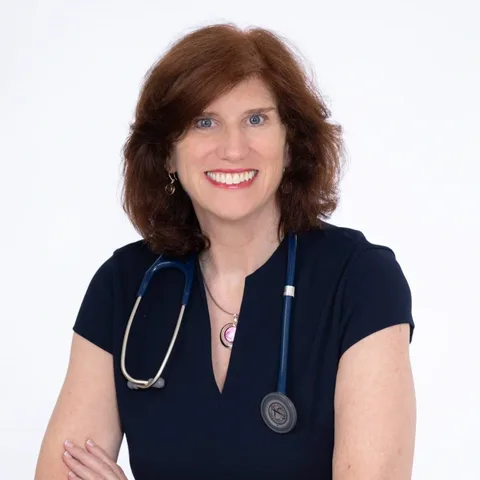
Dr. West is an internist who runs a small concierge primary care practice in Fairfax with a strong focus on women's health. Members get unlimited unrushed visits and can reach her directly by cell phone or text, with telehealth visits when appropriate. Her menopause and perimenopause care is only offered to members, not as a one-off consultation. She is a certified clinical densitometrist who has read thousands of bone density scans, and she once directed the Inova Women's Comprehensive Health Center. The practice has paused new members and even its waitlist for now, but you can sign up for updates on when it reopens.
Diana Kumar is a board certified OB-GYN who co-founded Gliss Wellness, a virtual practice built around perimenopause and menopause. All care happens by video and secure messaging, so there is no office to visit. A menopause visit runs about 30 minutes and ends with a plan and prescriptions for an initial three month period, followed by a check-in visit before refills continue for the rest of the year. She prescribes hormone therapy when it fits, can order labs and scans, and sends prescriptions to the patient's own pharmacy. She also sees women for weight counseling and for urgent gynecology problems handled through a short written form. Her stated areas of interest are PCOS, sexual dysfunction, bone health and longevity medicine.
Dr. Garavente runs a small solo menopause practice with offices in Timonium and Ellicott City, each open one day a week by appointment. She started it in 2018 after going through menopause symptoms herself, and she worked as an orthopedic physical therapist before medical school. She sees women in perimenopause and well beyond it, and says women over 60 are one of her favorite groups to treat. Hormone options include estrogen, progesterone and testosterone as creams, patches, pills or pellets, along with non-hormonal choices and GLP-1 weight care. She does not do well-woman exams, so you will need your own gynecologist for routine screening.
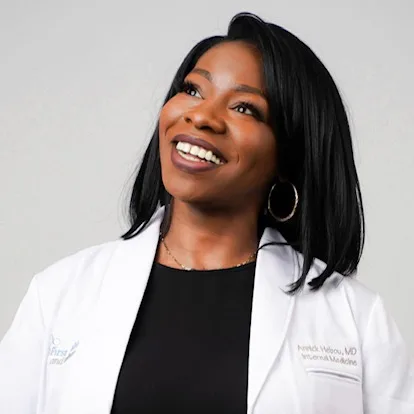
Dr. Wang is an internist who spent about 20 years in primary care and is also board certified in obesity medicine. She now sees women in perimenopause and menopause by video only, as an affiliate clinician of Dr. Heather Hirsch's Collaborative membership. Care runs through that membership, which has a one-year minimum and covers visits and messages with no charge per visit, plus group Q&As and coaching sessions. Her approach puts a lot of weight on nutrition, metabolic health and mindset alongside medical treatment. She asks patients to keep their own primary care doctor and gynecologist for hands-on care, since she does not see anyone in person.
Dr. Carol runs a small concierge practice for women in perimenopause and menopause, and she is going through midlife herself. She spent about 20 years as an emergency physician before turning to menopause care. Care starts with a free 30-minute video call. After that comes a package of two long visits, each 60 to 90 minutes, and you can message her between and after them. Visits can be at her Manhattan office, by video, or at your home or workplace. The visits look at symptom treatment along with bone, heart and breast cancer risk. She does not replace your own doctors, so you still need a primary care doctor and a gynecologist for exams and mammograms.
Capital Women's Care DC is a group OB-GYN practice near Foggy Bottom, and Dr. Bajaj is the managing partner of the Washington office. She spent nearly two decades doing both obstetrics and gynecology, then stopped obstetrics in 2022 to practice gynecology only, with perimenopause and menopause as her focus. She says she wants to close the knowledge gap around hormone replacement therapy, and she writes publicly about women's health on a site of her own. You book online or by phone, and appointments can be in person or by video. Alongside menopause care the office does in-office procedures and minimally invasive gyn surgery, so a woman who needs both can stay in one place. Worth knowing is that the practice says an annual well-woman visit with the doctor of your choice usually takes one to three months to get.
Dr. Tunson runs a virtual longevity medicine practice and spent about 14 years as an emergency physician before starting it. Women who want to focus only on hormones can buy a hormone package with labs, two hour-long visits and prescription management when it's indicated, or book a single hormone consultation. She also offers a test that estimates ovarian age and when menopause is likely to arrive. Her wider program is a multi-year plan built on extensive labs, genetics and imaging, and it is meant to sit alongside your regular primary care doctor rather than replace it. The practice is cash only and has opted out of Medicare, though Medicare patients are welcome to pay privately.
CaliberMD is Dr. Belardo's own virtual practice for women in midlife, and she treats menopause symptoms and weight together instead of in separate appointments. She is certified in both obesity medicine and menopause care, and she writes openly about her own perimenopause and weight changes. Care runs as a six-month membership that starts with a 60-minute first visit and a nutrition planning session, then moves to monthly video follow-ups with portal messaging in between. She prescribes menopausal hormone therapy when it fits and also works with women who would rather not take medication. The practice does not do primary care, so you need to keep your own primary care doctor. A free Meet and Greet call is available before you sign up.
Dr. Holt runs a small private-pay practice for women, mostly by telehealth with in-person visits in Manhattan. Every new patient starts with a paid assessment that includes a long intake visit, an extended lab panel and a second visit to go over the results. Hormone care for perimenopause and menopause then runs as a three-month program or a monthly membership with a monthly physician visit and portal messaging. She is board certified in preventive medicine and lifestyle medicine and also trained in functional medicine. Her site puts unusual weight on the nervous system, and names breathwork, somatic trauma work and faith as part of care. Her blog describes adjusting estrogen and progesterone slowly and changing the form or timing when a woman reacts badly at first.
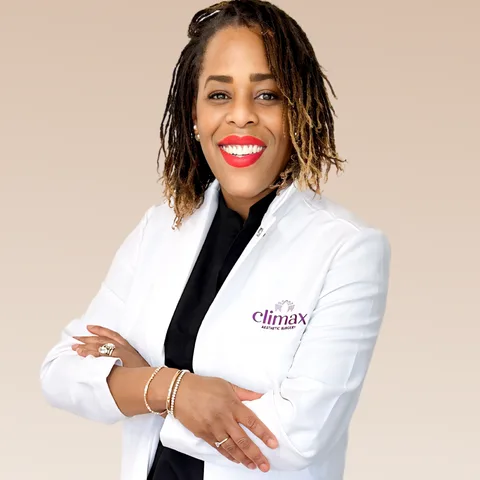
Dr. Ojo-Carons founded Climax Aesthetic Surgery, a sexual health and cosmetic gynecology practice with offices in Virginia Beach, Columbia in Maryland, and New York. She is a gynecologist who also trained in cosmetic gynecologic surgery, so much of the practice centers on sexual function, urinary leakage and vaginal dryness alongside hormone therapy. Hormone care starts with a symptom review and lab testing, and she prescribes bioidentical hormones, estrogen, progesterone, testosterone and pellets. Pellet therapy is sold as a yearlong membership that covers the insertions and lab work. New patients usually begin with a discovery call, and virtual consultations can be booked online. The practice treats men as well as women and also offers injectables and other aesthetic work.
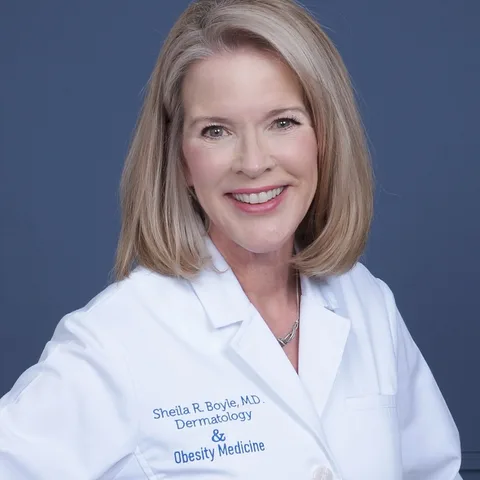
A solo direct-pay practice in Lone Tree whose stated scope is dermatology, cosmetic procedures and medically supervised weight management. The physician is board certified in dermatology and obesity medicine. Every initial visit is by video, with in-person follow-ups by appointment, and the practice does not bill insurance. Hormone replacement therapy is named only as one reason for a new-patient visit on the fee schedule, and no hormone or menopause care is described anywhere else on the site.
IntimMedicine Specialists is a small Washington DC practice that Dr. Simon founded and still runs as medical director, with two physician assistants who have worked with him since the 1990s. He treats women across the whole reproductive span, and the midlife side of the practice covers menopause and perimenopause, low testosterone, bone loss, sexual pain and sexual function after cancer. His approach to hormones is to balance estrogen, progesterone and testosterone, and the practice says most women can use hormone therapy with few risks. For testosterone he will use gels, injections or pellets, and he says he does not treat on lab values alone. Visits happen in the M Street office or by video, and virtual appointments are offered on Saturday mornings as well as weekdays. New patients submit a form or call and the office rings back to finish booking, and because the practice runs its own clinical trials some patients are offered a place in a study.
Gliss Wellness is a virtual-only OB/GYN practice Dr. Walsh co-founded with a second board-certified OB/GYN, and menopause care is its main focus. Care starts with a 30-minute video consultation about your symptoms, and if hormone therapy suits you, you leave with prescriptions for the first three months. A follow-up at three months keeps refills going for the rest of the year, and refills in between happen by message through the patient portal. There is no membership, and you fill prescriptions at your own pharmacy. The doctors can't examine you in person but can order labs and other tests. Dr. Walsh's own interests include pelvic pain, endometriosis, fibroids and weight loss, and a free 15-minute call lets you meet the team before booking.
Horton works in a four-office OB-GYN group affiliated with Anne Arundel Medical Center, and her bio lists the Pasadena, Annapolis and Waugh Chapel offices. She joined in January 2023 after several years in academic medicine, training residents and medical students at Temple and then at Johns Hopkins, and she added her menopause certification after that. Hormone replacement, perimenopause and menopause are among her listed interests, along with osteoporosis, colposcopy and minimally invasive surgery, so midlife care here sits inside ordinary gynecology rather than a separate menopause program. The practice says all of its providers take gynecologic patients, and a new patient fills out a secure online GYN packet at least 72 business hours before the visit or the appointment is canceled. Messaging, refills and appointment requests run through the MyChart portal once you are an established patient. She also speaks Spanish, which she studied on a course in Guatemala while she was in medical school.
Dr. Dombo is a board-certified OB-GYN who is going through the menopausal transition herself. She says starting hormone therapy and changing her nutrition and supplements took her from exhaustion and poor sleep back to enjoying life, and that is why she does this work. She trained in the early 2000s, when hormone therapy was widely feared, and now calls it the gold standard for symptom relief. The first visit runs 60 minutes and covers medical and gynecologic history, medications, nutrition and exercise, then a personal treatment plan. The visit also lists a nutritionist assessment, an exercise plan and mindset coaching, and follow-ups run 25 minutes. She writes publicly about why menopause hits Black women harder and how often they face barriers to care.
Elizabeth Swenson is a board certified obstetrician gynecologist certified by the Menopause Society. Her listing points to Gennev, a national telehealth menopause service that bills insurance and also publishes self pay rates. Gennev does not name her anywhere. Its Our Providers page lists thirty six doctors and she is not among them, the site search returns no result for her, and no bio page exists for her while other clinicians' bios load normally. No other current practice could be found for her.