39 practitioners have an office in Maine, and 63 more can see patients here by telehealth. 68 of them are certified by the Menopause Society, and the most are in Portland, Scarborough and Freeport.
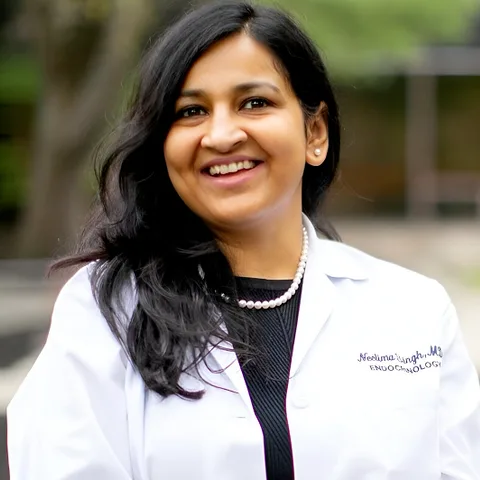
EndoHarmony is Dr. Singh's solo direct-care endocrinology practice, run on a membership or fee-for-service basis with a deliberately small panel. She caps it at roughly 300 patients rather than the 3,000 of a traditional clinic. Menopause care sits inside a broader endocrine practice, so menopause management with hormone replacement therapy runs alongside thyroid disease, osteoporosis and bone density screening, PCOS, lipid disorders, diabetes and medically supervised weight management. Most visits are virtual, with in-person days on Fridays at the Westborough office and Thursdays by appointment at a second Natick location. New patients start with a short video meet-and-greet before registering, and members get sixty to a hundred and twenty minute appointments, unlimited secure messaging and round-the-clock outreach for urgent concerns.
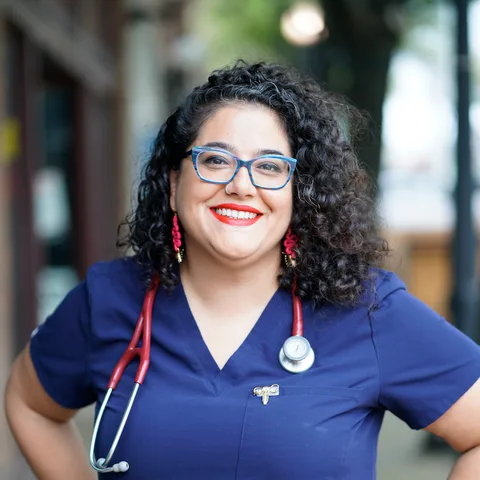
Dr. Moayedi is a Dallas OB/GYN who specializes in complex family planning and runs her own small practice. Her perimenopause and menopause care happens entirely by video, and she reviews your history and explains the science behind the treatment plan. Between visits you can text her directly with questions. Most patients need one or two follow-up visits to adjust doses, then a yearly visit to keep refills going. Prescriptions go to whatever pharmacy you choose. The practice doesn't take insurance, but it works with nonprofit funds to help Texas patients cover visit costs.
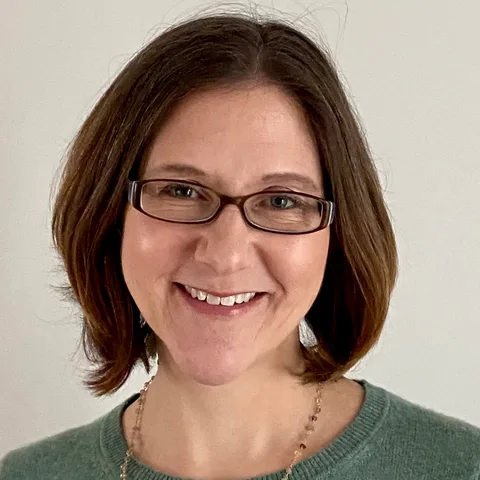
Olive Tree Medical is a small concierge practice in Wellesley run by two women physicians who keep the panel to a few hundred patients. Dr. Walkey is a primary care internist who is also board certified in lifestyle medicine, and she became a Menopause Society Certified Practitioner in 2024 to focus on women's health in midlife. Membership covers a long annual exam and a schedule of follow-up visits, with a lot of care happening by phone, text, email and video in between. Health coaching, nutrition consults, fitness testing and stress management are folded into membership rather than billed on their own. Walkey was diagnosed with breast cancer in 2020 and says it pushed her toward the prevention and lifestyle work she now does with patients. New members start with a free in-person meet and greet, and places are limited, so the practice adds people to a waiting list once it fills.
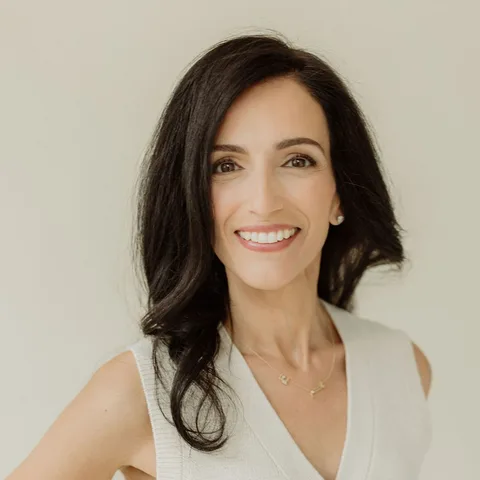
Diana Kumar is a board certified OB-GYN who co-founded Gliss Wellness, a virtual practice built around perimenopause and menopause. All care happens by video and secure messaging, so there is no office to visit. A menopause visit runs about 30 minutes and ends with a plan and prescriptions for an initial three month period, followed by a check-in visit before refills continue for the rest of the year. She prescribes hormone therapy when it fits, can order labs and scans, and sends prescriptions to the patient's own pharmacy. She also sees women for weight counseling and for urgent gynecology problems handled through a short written form. Her stated areas of interest are PCOS, sexual dysfunction, bone health and longevity medicine.
Dr. Noor is a family physician who spent years in primary care, hospice and elderly care before her own perimenopause, which she first mistook for long COVID, led her into menopause medicine. Her Exeter practice is cash-pay and built around yearlong memberships, with a registered dietitian and a mindfulness coach on the team alongside her. Bone health is a particular focus, and an in-house DEXA scanner checks the spine, both hips and a forearm along with a trabecular bone score. She practices evidence-based hormone therapy and says plainly that she does not offer hormone balancing or hormone supplements. The practice does not do general primary care outside its top concierge tier. New memberships and new patient consultations are paused for now, and new patients join a waitlist.
Dr. Seed runs her menopause care through a separate cash-pay service called Empowered Menopause, alongside the direct primary care practice she founded in Bar Harbor in 2015. New patients start with a 45-minute one-on-one menopause consult, in the office or by video, which comes with three months of direct messaging and can be credited toward her ongoing Empowered Menopause Care Plan. She is not taking new primary care members herself, so she works alongside your own primary care provider. Her patient materials favor FDA-approved estradiol and progesterone over custom-compounded hormones. She also runs a monthly group series on menopause topics with recorded sessions, and she served in the Peace Corps in Côte d'Ivoire before medical school.
A solo family medicine direct primary care practice where the physician is the only provider, caring for patients of every age from newborns to seniors. A flat monthly membership covers unlimited scheduled office, phone or video visits, after-hours phone access for urgent problems, a self-scheduling portal and secure messaging, with in-house labs at wholesale prices. Menopause work is described as perimenopause and menopause assessment leading to local or systemic hormone therapy alongside integrative support. The practice also offers medical acupuncture and personalized yoga delivered by the physician, and will see patients at the office, a workplace or at home.
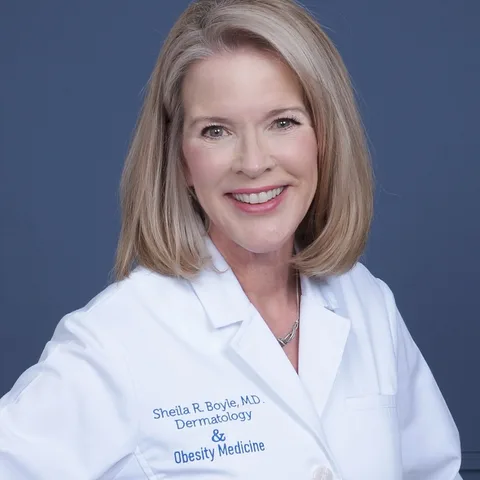
A solo direct-pay practice in Lone Tree whose stated scope is dermatology, cosmetic procedures and medically supervised weight management. The physician is board certified in dermatology and obesity medicine. Every initial visit is by video, with in-person follow-ups by appointment, and the practice does not bill insurance. Hormone replacement therapy is named only as one reason for a new-patient visit on the fee schedule, and no hormone or menopause care is described anywhere else on the site.
Gliss Wellness is a virtual-only OB/GYN practice Dr. Walsh co-founded with a second board-certified OB/GYN, and menopause care is its main focus. Care starts with a 30-minute video consultation about your symptoms, and if hormone therapy suits you, you leave with prescriptions for the first three months. A follow-up at three months keeps refills going for the rest of the year, and refills in between happen by message through the patient portal. There is no membership, and you fill prescriptions at your own pharmacy. The doctors can't examine you in person but can order labs and other tests. Dr. Walsh's own interests include pelvic pain, endometriosis, fibroids and weight loss, and a free 15-minute call lets you meet the team before booking.
Dr. Dombo is a board-certified OB-GYN who is going through the menopausal transition herself. She says starting hormone therapy and changing her nutrition and supplements took her from exhaustion and poor sleep back to enjoying life, and that is why she does this work. She trained in the early 2000s, when hormone therapy was widely feared, and now calls it the gold standard for symptom relief. The first visit runs 60 minutes and covers medical and gynecologic history, medications, nutrition and exercise, then a personal treatment plan. The visit also lists a nutritionist assessment, an exercise plan and mindset coaching, and follow-ups run 25 minutes. She writes publicly about why menopause hits Black women harder and how often they face barriers to care.
Dr. Wax is a family physician who runs a small direct primary care practice in York with a nurse practitioner who is also Menopause Society certified. Menopause care works as its own program, so you do not need to join the primary care practice to get it. It starts with a long first visit covering your symptoms, history and goals, and you leave with a plan for hormone or non-hormone treatment. The next six months are a membership with three follow-up visits, labs and unlimited messaging while the dose gets adjusted. After that you can stay on a lighter maintenance plan or be handed back to your own doctor or gynecologist with a written summary. Patients reach the team by text rather than through a phone tree.
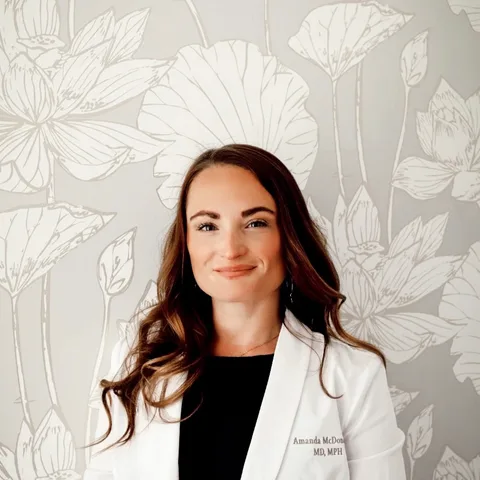
She is one of about fifteen clinicians at MaineHealth's Congress Street office in Portland, a hospital department that also houses maternal fetal medicine and used to be called MMP Women's Health. She sees patients at MaineHealth's Bramhall Street OB/GYN clinic on the same Portland campus as well. MaineHealth lists perimenopause and menopause treatment among the gynecology care these offices provide, so a menopause visit here sits inside general OB/GYN care rather than a separate menopause program. She finished her residency at Maine Medical Center and then went back for a public health degree at Harvard, and she now also covers MaineHealth's Pen Bay and Waldo hospitals up the coast. Visits are arranged by calling the office on weekdays, and MaineHealth patients use the MyChart portal for messages and bills. MaineHealth publishes no bio for her and says nothing about how she uses hormones, so her own approach is not described on the site.
Luke Roberts is an obstetrician and gynecologist in the MaineHealth group, which runs offices across Maine. He sees patients at the group's Portland office on Bramhall Street, listed as his primary office, and at its Scarborough office. The practice covers routine gynecology exams, preventive screening, birth control and sexual health, pregnancy and birth, and menopause and healthy aging. MaineHealth's menopause pages name both of the offices he works from and describe care for hot flashes, sleep trouble, mood changes and vaginal dryness. For hormone therapy the group describes estrogen, progesterone or a combination, weighs the risks with each patient, and advises the lowest effective dose. Bone loss after menopause is treated as part of the same care, and visits, messages and test results run through the MyChart patient portal.