Menopause Society Certified Practitioners in Maine
39 practitioners have an office in Maine, and 63 more can see patients here by telehealth. 68 of them are certified by the Menopause Society, and the most are in Portland, Scarborough and Freeport.
Treehouse Family Medicine is a small direct primary care office in York that Pamela Lord-Voshell runs with a family physician. Menopause care is set up as its own program, so a woman can come just for that without joining the primary care membership. It starts with a long first visit to go over symptoms, history and goals and settle on a hormone or non-hormone plan, then a six month stretch of follow-up visits, labs and unlimited messaging while the plan gets adjusted. After that she either stays on for lighter ongoing support or they write up her plan and hand her care back to her own doctor or gynecologist. Lord-Voshell spent seventeen years in primary care before shifting her focus to women's health, and she says she is going through perimenopause herself. Visits run thirty to ninety minutes and there is no waiting room.
EndoHarmony is Dr. Singh's solo direct-care endocrinology practice, run on a membership or fee-for-service basis with a deliberately small panel. She caps it at roughly 300 patients rather than the 3,000 of a traditional clinic. Menopause care sits inside a broader endocrine practice, so menopause management with hormone replacement therapy runs alongside thyroid disease, osteoporosis and bone density screening, PCOS, lipid disorders, diabetes and medically supervised weight management. Most visits are virtual, with in-person days on Fridays at the Westborough office and Thursdays by appointment at a second Natick location. New patients start with a short video meet-and-greet before registering, and members get sixty to a hundred and twenty minute appointments, unlimited secure messaging and round-the-clock outreach for urgent concerns.
Heidi Biegel is a nurse-midwife who runs a telehealth-only menopause practice for women in California and Maine. Care starts with a free 15-minute video call, then a first visit of up to 90 minutes after you fill out a detailed health questionnaire. A shorter follow-up goes over your lab results and sets a written treatment plan, which can include bioidentical hormone therapy alongside diet, exercise and supplement advice. She trained in integrative and functional medicine but calls herself a skeptic who wants to see the evidence and avoids piling on expensive tests and supplements. She works alongside your own doctors, so you still need a primary care provider or gynecologist for pap smears and exams. She also runs a separate weight loss program for midlife women that can include medication.
Menopositive is a small telemedicine practice run by one menopause-certified nurse practitioner for women in perimenopause and menopause. Care starts with an hour-long video consult that goes through your medical and family history, screenings, medications and supplements, and your goals. Follow-ups are half-hour visits. She offers both hormonal and non-hormonal treatment and brings functional and lifestyle medicine into the plan, with a longer functional medicine track for people with chronic conditions who want closer follow-up. She also runs monthly group sessions where women can learn about the menopause stages and ask questions together.
Vicki Kirby runs a small nurse practitioner practice in Bedford focused on women in perimenopause and menopause. She spent more than 25 years in family medicine before building this practice around midlife hormone care. The first visit is an hour long and goes through your history, labs, symptoms and goals, and then you come back for follow-ups. Long visits are the point here, so there is time to talk through the risks and benefits of hormone therapy. She sees patients in person in Bedford or by video anywhere in New Hampshire and Maine. She also co-hosts the Faded to Fabulous podcast about midlife health.
Dr. Moayedi is a Dallas OB/GYN who specializes in complex family planning and runs her own small practice. Her perimenopause and menopause care happens entirely by video, and she reviews your history and explains the science behind the treatment plan. Between visits you can text her directly with questions. Most patients need one or two follow-up visits to adjust doses, then a yearly visit to keep refills going. Prescriptions go to whatever pharmacy you choose. The practice doesn't take insurance, but it works with nonprofit funds to help Texas patients cover visit costs.
Casey Norton is a nurse practitioner at Midi Health, a virtual clinic that focuses on perimenopause and menopause. She has worked in women's health for about ten years and says she chose the field after seeing how often women's concerns were brushed aside. Visits happen by video, starting with a half-hour first visit and shorter check-ins to adjust the plan. She offers both hormone and non-hormone treatment and follows Midi's research-based protocols, with labs when needed. She talks about the isolation many women feel in midlife and puts real weight on telling them they are not alone. You can book with her directly from her bio, though choosing her may mean fewer open times than booking any Midi clinician.
Prévant Health is Erin Phamvan's own virtual practice, and every visit happens by video. It runs as a 12-month membership with a long first visit, quarterly follow-ups, and texting with Erin between visits. Menopause care is built around detailed lab work and shared decisions about hormones, alongside thyroid, heart and metabolic care. She is also trained in an Alzheimer's prevention program and folds brain-health risk into her plans. Although the mailing address is in Nashville, the practice currently sees patients only in a set of other states, and Tennessee is not one of them. You keep your own primary care provider for in-person exams and urgent needs.
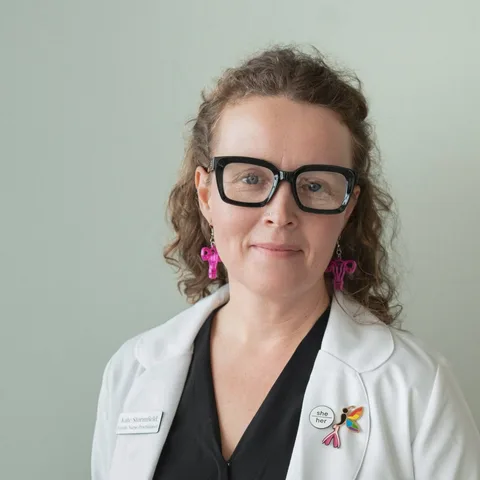
Kate Stormfield runs Monarch West as a one-person telehealth practice with a deliberately small panel of patients. She treats perimenopause and menopause with estrogen, progesterone, testosterone and non-hormonal options, and also provides gender-affirming hormone care and sexual health services. She spent more than ten years at Planned Parenthood in Vermont, where she helped grow its telehealth services. New patients start with a longer video visit. Follow-ups usually come at one month after starting hormones and then every few months in the first year. Testosterone can only be prescribed to patients in Oregon. She sees women aged about 35 to 65 and expects you to keep your own primary care provider.
Olive Tree Medical is a small concierge practice in Wellesley run by two women physicians who keep the panel to a few hundred patients. Dr. Walkey is a primary care internist who is also board certified in lifestyle medicine, and she became a Menopause Society Certified Practitioner in 2024 to focus on women's health in midlife. Membership covers a long annual exam and a schedule of follow-up visits, with a lot of care happening by phone, text, email and video in between. Health coaching, nutrition consults, fitness testing and stress management are folded into membership rather than billed on their own. Walkey was diagnosed with breast cancer in 2020 and says it pushed her toward the prevention and lifestyle work she now does with patients. New members start with a free in-person meet and greet, and places are limited, so the practice adds people to a waiting list once it fills.
Diana Kumar is a board certified OB-GYN who co-founded Gliss Wellness, a virtual practice built around perimenopause and menopause. All care happens by video and secure messaging, so there is no office to visit. A menopause visit runs about 30 minutes and ends with a plan and prescriptions for an initial three month period, followed by a check-in visit before refills continue for the rest of the year. She prescribes hormone therapy when it fits, can order labs and scans, and sends prescriptions to the patient's own pharmacy. She also sees women for weight counseling and for urgent gynecology problems handled through a short written form. Her stated areas of interest are PCOS, sexual dysfunction, bone health and longevity medicine.
Dr. Noor is a family physician who spent years in primary care, hospice and elderly care before her own perimenopause, which she first mistook for long COVID, led her into menopause medicine. Her Exeter practice is cash-pay and built around yearlong memberships, with a registered dietitian and a mindfulness coach on the team alongside her. Bone health is a particular focus, and an in-house DEXA scanner checks the spine, both hips and a forearm along with a trabecular bone score. She practices evidence-based hormone therapy and says plainly that she does not offer hormone balancing or hormone supplements. The practice does not do general primary care outside its top concierge tier. New memberships and new patient consultations are paused for now, and new patients join a waitlist.
Jamie Wendt sees patients through Midi Health, a women's health practice that works only by video. She started in 2008 as a labor and delivery nurse and spent about a decade there before qualifying as a nurse practitioner in 2019, and she has worked in women's health throughout. About three years ago she shifted her focus to midlife and menopause care, which she calls the most meaningful work of her career. A first visit runs 30 minutes and return visits run 15, and care plans draw on FDA-approved hormone therapy, non-hormone prescriptions, labs and supplements. She writes about spending a year with one patient finding the right mix of hormone therapy and medication after a history of severe postpartum depression. If you need a physical exam or imaging, Midi refers you to someone local and keeps managing the rest by video.
Dr. Seed runs her menopause care through a separate cash-pay service called Empowered Menopause, alongside the direct primary care practice she founded in Bar Harbor in 2015. New patients start with a 45-minute one-on-one menopause consult, in the office or by video, which comes with three months of direct messaging and can be credited toward her ongoing Empowered Menopause Care Plan. She is not taking new primary care members herself, so she works alongside your own primary care provider. Her patient materials favor FDA-approved estradiol and progesterone over custom-compounded hormones. She also runs a monthly group series on menopause topics with recorded sessions, and she served in the Peace Corps in Côte d'Ivoire before medical school.
A solo family medicine direct primary care practice where the physician is the only provider, caring for patients of every age from newborns to seniors. A flat monthly membership covers unlimited scheduled office, phone or video visits, after-hours phone access for urgent problems, a self-scheduling portal and secure messaging, with in-house labs at wholesale prices. Menopause work is described as perimenopause and menopause assessment leading to local or systemic hormone therapy alongside integrative support. The practice also offers medical acupuncture and personalized yoga delivered by the physician, and will see patients at the office, a workplace or at home.
Christine Hart Kress runs her own small menopause practice as a women's health nurse practitioner. New patients start with a short virtual menopause diagnostic call booked online. Visits are by video, and the only appointment she offers online is virtual. She has a doctorate in nursing and a long background in nursing leadership as well as clinical care.
Amy Caldwell is the hormone therapy specialist at Always Friday Medical Aesthetics, a Hallowell med spa where she runs separate women's and men's hormone therapy tracks alongside a team of aesthetic providers. Women's care opens with a 60-minute consultation reviewing medical history and symptoms, targeted blood work when indicated, and education on the phases of perimenopause and menopause, FDA-approved treatments and the pros and cons of hormonal versus non-hormonal options. Telemedicine visits are available. She coordinates with a patient's existing providers when appropriate, and also offers urgent care and weight-loss injections to her own established patient panel. Her hormone training came through a prescribing and management course for hormone therapy, and she continues to practice hospital medicine and per diem emergency medicine.
Penny Wortman is a certified nurse midwife who runs Mosaic Integrative Wellness, a small practice in Topsham with visits in person or by video. She cares for women, trans and nonbinary patients, and she is certified in gender-affirming menopause care. Menopause care starts with a long first visit that goes over symptoms, history and past treatments, and the plan may include lifestyle changes, natural options or hormone therapy. She also sees patients for pelvic pain, PCOS, endometriosis, sexual health, weight and annual gyn exams. She has more than 25 years in obstetrics, gynecology and primary care, and says she follows Health at Every Size principles. Her office is inside a hair salon in Topsham.
Therapy for Midlife is Dr. Rashkis's solo virtual practice, and every session runs over video. She works with women moving through perimenopause and menopause, and she also sees men in midlife and couples. Care is talk therapy only, and the FAQ says the practice does not prescribe medication, though she will discuss a referral to a prescribing physician and can speak with your own doctor if you give written permission. For menopause she uses cognitive behavioral therapy for the distress that comes with hot flashes and CBT for insomnia for sleep trouble, alongside acceptance and commitment therapy and emotionally focused therapy. Sessions are 50 minutes, usually weekly at first and then spaced further apart, and she says most clients need five to fifteen of them. She is a lifelong competitive athlete who says she went through her own midlife upheaval, which is what led her to start the practice.
Dana Johnson is a registered nurse who spent about 20 years in the ICU before founding Qavah Functional Wellness, a telehealth-only practice. She started it after her own Long COVID turned into autoimmune and gut problems and then a hard menopause transition. Hormone therapy is offered to Alabama residents only, while the lab and gut health services also reach a few other southern states. Each hormone plan starts with lab work and a consultation, and bioidentical hormones come as creams, gels, pills, troches or injections. Prescriptions are written by the practice's licensed providers rather than by Dana, who is a nurse. New patients start with an online consultation request, and the team calls back within one business day.
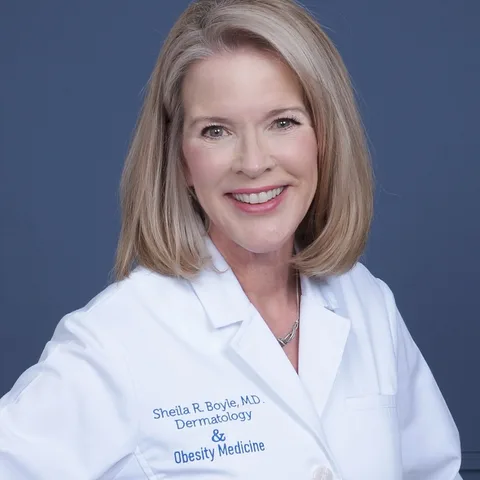
A solo direct-pay practice in Lone Tree whose stated scope is dermatology, cosmetic procedures and medically supervised weight management. The physician is board certified in dermatology and obesity medicine. Every initial visit is by video, with in-person follow-ups by appointment, and the practice does not bill insurance. Hormone replacement therapy is named only as one reason for a new-patient visit on the fee schedule, and no hormone or menopause care is described anywhere else on the site.
Gliss Wellness is a virtual-only OB/GYN practice Dr. Walsh co-founded with a second board-certified OB/GYN, and menopause care is its main focus. Care starts with a 30-minute video consultation about your symptoms, and if hormone therapy suits you, you leave with prescriptions for the first three months. A follow-up at three months keeps refills going for the rest of the year, and refills in between happen by message through the patient portal. There is no membership, and you fill prescriptions at your own pharmacy. The doctors can't examine you in person but can order labs and other tests. Dr. Walsh's own interests include pelvic pain, endometriosis, fibroids and weight loss, and a free 15-minute call lets you meet the team before booking.
Dr. Dombo is a board-certified OB-GYN who is going through the menopausal transition herself. She says starting hormone therapy and changing her nutrition and supplements took her from exhaustion and poor sleep back to enjoying life, and that is why she does this work. She trained in the early 2000s, when hormone therapy was widely feared, and now calls it the gold standard for symptom relief. The first visit runs 60 minutes and covers medical and gynecologic history, medications, nutrition and exercise, then a personal treatment plan. The visit also lists a nutritionist assessment, an exercise plan and mindset coaching, and follow-ups run 25 minutes. She writes publicly about why menopause hits Black women harder and how often they face barriers to care.
Lori Pigeon runs this small Canton practice for women and men in midlife, after nearly 30 years as a nurse practitioner in traditional medicine. She started it after her own late 40s, when the avid cyclist who rode 100 miles at a time found her energy gone and struggled to get answers. Every new patient starts with a long consult, and she recommends the simplest level of care that fits, from a hormone plan on its own up to a coached program. She prescribes bioidentical estrogen and progesterone and considers testosterone for some women, mainly for low desire. Weight loss with GLP-1 medication is a big part of the practice, and she is openly skeptical of peptides and supplement hype. Visits are in person or by video, including for patients in Maine, and new patients currently join a waitlist.