Menopause Society Certified Practitioners in Michigan
192 practitioners have an office in Michigan, and 76 more can see patients here by telehealth. 194 of them are certified by the Menopause Society, and the most are in Grand Rapids, Ann Arbor and Holland.
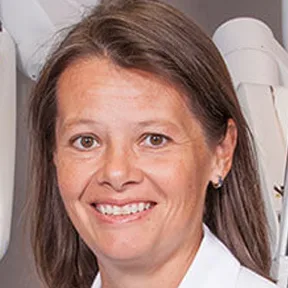
Concierge Medicine of Westlake is Dr. Fiffick's own practice. She keeps the patient panel small and runs it on annual memberships rather than billing insurance. The women's health membership covers non-obstetric care through midlife, with perimenopause and menopause symptom management alongside bone health, cardiovascular risk and urogenital health, and it includes hormone prescription management when she judges it appropriate. Members get 30 or 60 minute visits, same or next day openings, and her direct phone, text and email, and virtual visits are offered as a supplement with prior approval when an exam is not needed. She came to women's health through family medicine after being told early on that the only route was OB-GYN, then spent two years in the Cleveland Clinic's Specialized Women's Health fellowship. As an osteopathic physician she also does hands-on manipulative treatment, which patients can buy as its own membership or one visit at a time.
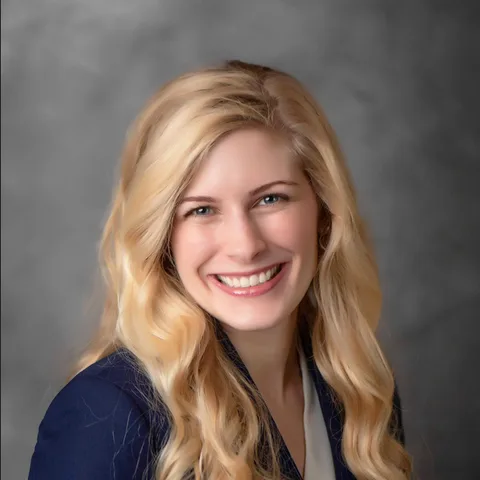
Gliss Wellness is a virtual-only OB/GYN practice Dr. Walsh co-founded with a second board-certified OB/GYN, and menopause care is its main focus. Care starts with a 30-minute video consultation about your symptoms, and if hormone therapy suits you, you leave with prescriptions for the first three months. A follow-up at three months keeps refills going for the rest of the year, and refills in between happen by message through the patient portal. There is no membership, and you fill prescriptions at your own pharmacy. The doctors can't examine you in person but can order labs and other tests. Dr. Walsh's own interests include pelvic pain, endometriosis, fibroids and weight loss, and a free 15-minute call lets you meet the team before booking.
Takes Aetna, Blue Cross Blue Shield +4 · first visit $150
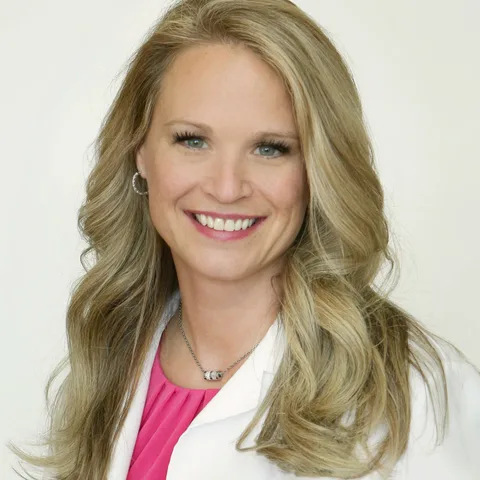
Kelly Perisin is a nurse practitioner at MyMenopauseRx, a video-only practice that treats nothing but perimenopause and menopause. It was started by a Chicago-area gynecologist and bills insurance like a regular office. Visits take about 30 minutes on Zoom, and you can book the same clinician every time and message the care team between visits. Kelly came to menopause care from weight management and urgent care, and she draws on that when helping women with midlife weight gain. The practice prescribes FDA-approved estradiol and progesterone sent to your own pharmacy, and it prescribes testosterone directly only for patients in Illinois. It is meant to work alongside your own primary care doctor, who still handles anything that needs a physical exam.
Takes Aetna, Blue Cross Blue Shield +2 · first visit $250
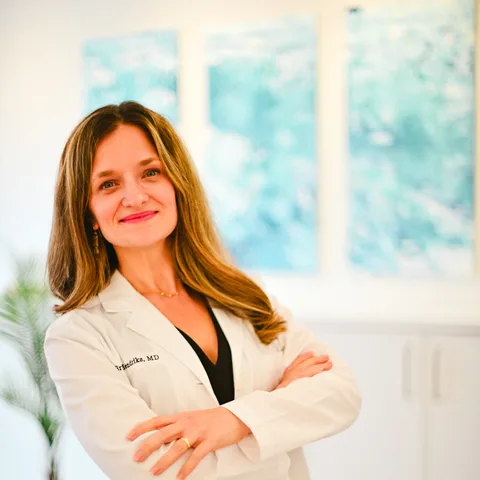
Jennifer Soper is a women's health nurse practitioner who sees patients by video through Midi Health, a national virtual menopause practice. She spent 25 years as a labor and delivery nurse before becoming a nurse practitioner. She says estrogen therapy changed her own life when hot flashes started at 50, and that is why she moved into menopause care. Visits are billed to insurance or paid per visit, with no subscription. You can ask for her by name through the Book a Visit with Me link on her Midi page, though that can mean fewer open times than booking with any clinician.
Dr. Kim runs a small general gynecology office in Saginaw where menopause management sits alongside routine exams, contraception and gynecologic surgery. Her site says she handles every service herself, from pap smears to menopause treatment, so you see the doctor rather than being handed off. She also treats osteoporosis, from screening through to treatment. The office has in-house vaginal laser treatment for dryness, painful sex and leaking after menopause, mostly run by her nurse practitioner, who started out in urology. Visits are in person only and booked by phone. The office is closed on Fridays and keeps a short lunchtime slot for people who can't come in during the workday.
Dr. Bianchi is an OB-GYN at the Marshfield Medical Center clinics in Iron Mountain, in Michigan's Upper Peninsula. Menopause care is one of the types of care her profile lists, next to pregnancy and general gynecology, so menopause visits sit inside a broad OB-GYN practice rather than a separate menopause clinic. Her bio says she manages menopausal symptoms and also treats abnormal uterine bleeding, sexual health concerns and pelvic organ prolapse. The women's health department she works in names hormone therapy and bone density screening as part of its menopause care. She describes her approach as listening to the concern, doing her best to find an explanation, and then offering evidence-based options. She trained in osteopathic medicine and did her residency in Michigan, and she is raising three children with her husband, a captain in the Air Force.
Dr. Marcotte is an OB/GYN at a large women's health group in West Bloomfield whose physicians all provide menopause care. Her own focus is minimally invasive gynecologic surgery, including vaginal and laparoscopic hysterectomy and repair of bladder leakage and pelvic prolapse. That makes her a good fit for women whose menopause symptoms come with bleeding, prolapse or incontinence problems that may need a procedure. The practice treats menopause with hormone therapy, estrogen therapy and non-hormonal prescriptions. Before joining the center she trained resident physicians in Cincinnati. Care is in person at the West Maple Road office, which says it is always accepting new patients.
Alexis Phillips is a family nurse practitioner at Okemos OB/GYN, one of twelve obstetrics and gynecology offices run by University of Michigan Health-Sparrow. She is the only nurse practitioner on the Okemos team, and the other providers listed there are physicians who also work at the system's other OB/GYN offices. Care is in person at the single Okemos office, which is open weekdays. New patients start by downloading the office's own paperwork packet and calling to be scheduled, because the site has no online booking. Visits are billed to insurance, and the system publishes the plans it takes rather than what a visit costs. Her page says she became a nurse practitioner because the human body fascinates her, and she mentions yoga, crocheting and her French bulldog Winston.
Dr. Moore is a family physician at Munson Healthcare's Frankfort Medical Group, the system's family medicine office in Frankfort, on the same Park Avenue site as Paul Oliver Memorial Hospital. She sees patients of every age from newborns to older adults, and menopause care is one of the two interests her Munson profile names. Before medicine she worked in Anchorage, Alaska as a geophysicist reading seismic data, then moved back to Michigan for medical school. She finished family medicine residency in 2025, so she is early in practice. Care runs through a hospital system that bills insurance, so this is ordinary family-medicine office care rather than a separate menopause program. New patients book by calling the office, and once you are established you can book in person or video visits online.
Abby Brown is a nurse practitioner in the obstetrics and gynecology clinics at University of Michigan Health, and she sees patients at the Brighton health center as well as two Ann Arbor sites. She trained in both nurse midwifery and family practice, and she cares for women across the span of adult life, from contraception and low risk obstetrics through menopause. She is also one of the nurse practitioners in the health system's vulvar diseases clinic, which treats skin conditions of the vulva such as lichen sclerosus along with precancerous changes. A new patient there gets a long first appointment covering nursing education, a clinical exam and a sexual health visit, and a return visit is often with a different member of the team on purpose. Referrals to that clinic are heavy enough that it no longer takes routine vulvodynia cases and sends them to a separate clinic in the system. Visits can be in person or by video, and a video visit means being physically in Michigan on the day.
Dr. Dombo is a board-certified OB-GYN who is going through the menopausal transition herself. She says starting hormone therapy and changing her nutrition and supplements took her from exhaustion and poor sleep back to enjoying life, and that is why she does this work. She trained in the early 2000s, when hormone therapy was widely feared, and now calls it the gold standard for symptom relief. The first visit runs 60 minutes and covers medical and gynecologic history, medications, nutrition and exercise, then a personal treatment plan. The visit also lists a nutritionist assessment, an exercise plan and mindset coaching, and follow-ups run 25 minutes. She writes publicly about why menopause hits Black women harder and how often they face barriers to care.
Elizabeth Swenson is a board certified obstetrician gynecologist certified by the Menopause Society. Her listing points to Gennev, a national telehealth menopause service that bills insurance and also publishes self pay rates. Gennev does not name her anywhere. Its Our Providers page lists thirty six doctors and she is not among them, the site search returns no result for her, and no bio page exists for her while other clinicians' bios load normally. No other current practice could be found for her.