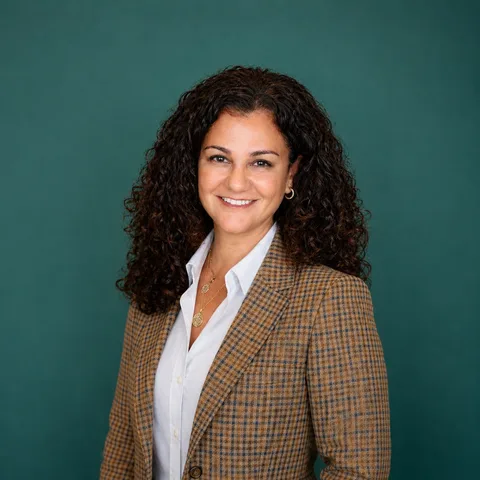
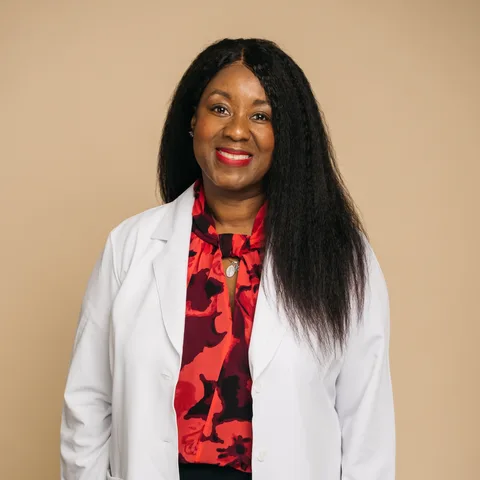
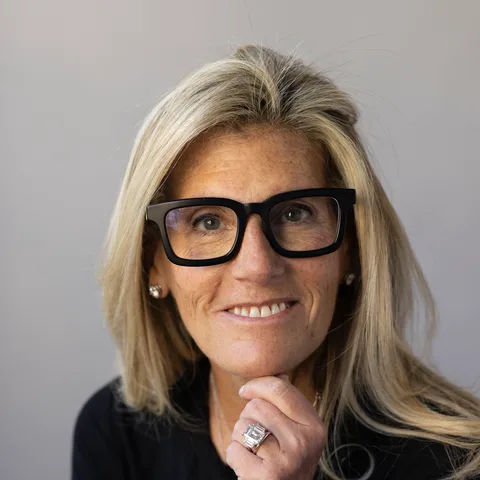
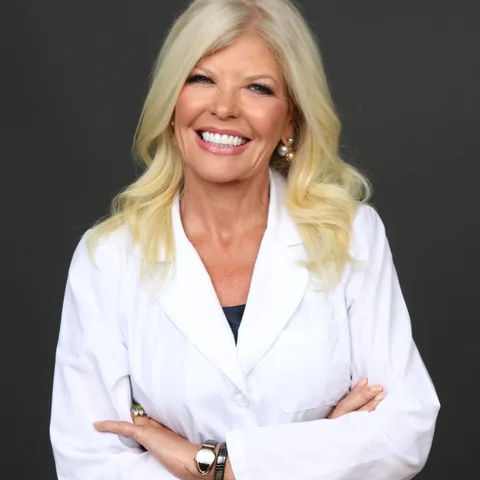
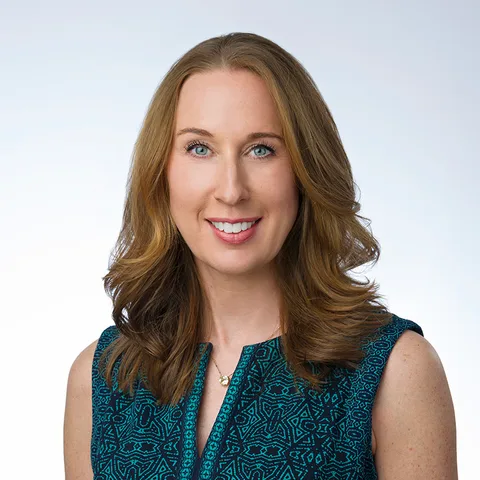
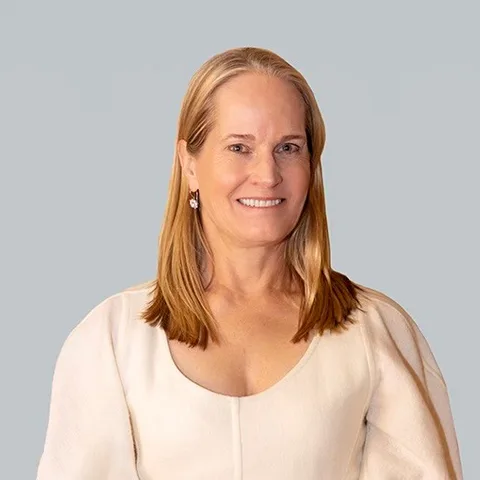
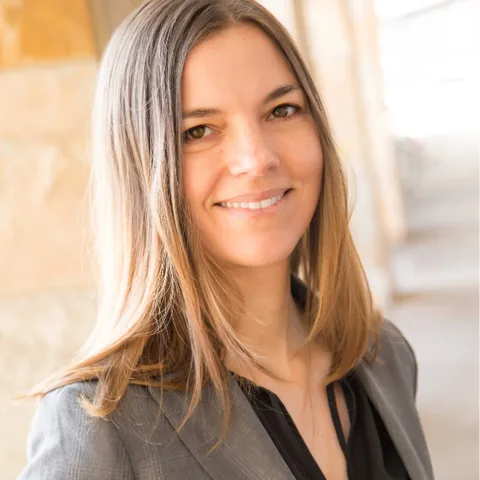
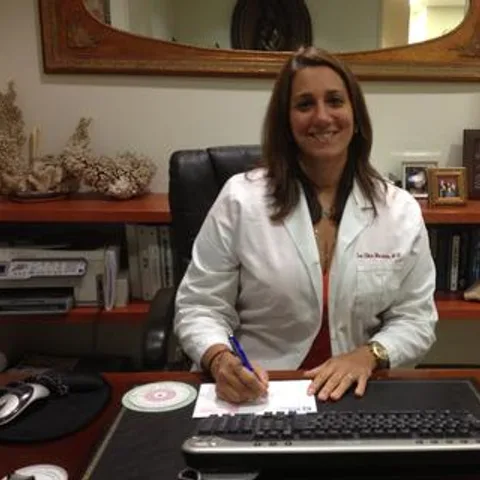
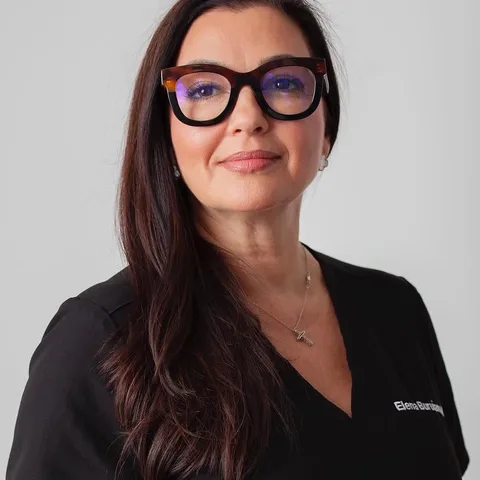
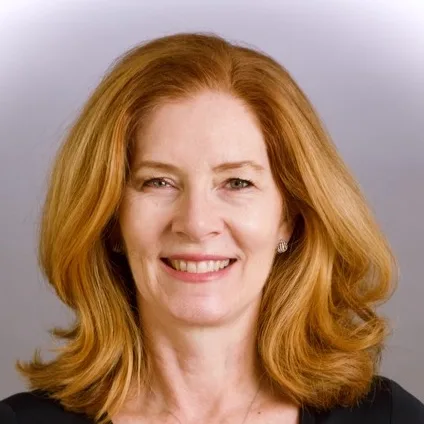
Dr. Carol runs a small concierge practice for women in perimenopause and menopause, and she is going through midlife herself. She spent about 20 years as an emergency physician before turning to menopause care. Care starts with a free 30-minute video call. After that comes a package of two long visits, each 60 to 90 minutes, and you can message her between and after them. Visits can be at her Manhattan office, by video, or at your home or workplace. The visits look at symptom treatment along with bone, heart and breast cancer risk. She does not replace your own doctors, so you still need a primary care doctor and a gynecologist for exams and mammograms.
A concierge integrative and functional internal medicine practice in Manhattan for adults with chronic conditions and midlife health, led by a board-certified internist who is also a Menopause Society Certified Practitioner. Care is sold as twelve-month packages pairing physician visits with an integrative health advisor. The first assessment is a 90-minute consultation plus an advisor visit, and New York patients are encouraged to come in for a brief exam. Consultations are by video, with unlimited portal messaging and calls answered within one to two business days.
Dr. Holt runs a small private-pay practice for women, mostly by telehealth with in-person visits in Manhattan. Every new patient starts with a paid assessment that includes a long intake visit, an extended lab panel and a second visit to go over the results. Hormone care for perimenopause and menopause then runs as a three-month program or a monthly membership with a monthly physician visit and portal messaging. She is board certified in preventive medicine and lifestyle medicine and also trained in functional medicine. Her site puts unusual weight on the nervous system, and names breathwork, somatic trauma work and faith as part of care. Her blog describes adjusting estrogen and progesterone slowly and changing the form or timing when a woman reacts badly at first.
Dr. Latte-Naor is an internist who spent eight years on the integrative medicine service at Memorial Sloan Kettering. Much of her practice is women going through menopause during or after cancer treatment. First visits run about an hour, and she suggests coming to the Upper East Side office for that one, with video visits available for patients in New York, New Jersey or Pennsylvania. Alongside hormone therapy she uses sleep-focused behavioral therapy, mindfulness and hypnosis. She gives frank, evidence-based advice on herbs and supplements, sells none herself, and passes any supplement discount on to patients. You can book a single consultation or ongoing care, and her office sends an intake packet once you schedule.
Dr. Dweck is a gynecologist who sees menopause patients at Well by Messer, a multi-specialty metabolic and wellness practice on the Upper East Side of Manhattan. She moved there after 29 years in practice in Westchester County. At the practice she focuses on gynecology, menopause and sexual health, including hormone therapy, painful sex, low libido and vaginal changes after menopause. She also has training in medical sex therapy, which is unusual for a menopause doctor. New patients request an appointment through an online form, and the office calls back within a day to confirm it. Outside the clinic she is chief medical officer of Bonafide, a company that makes non-drug menopause products.
Dr. Eden is a gynecologist with a solo private practice in Midtown East, where she sees women from adolescence through menopause and beyond. For menopause care she starts with a physical exam and a review of your history, then builds a plan that can include hormone therapy and lifestyle changes. She also does the MonaLisa Touch vaginal laser in her office and offers it as an alternative or add-on to hormones for dryness, painful sex and mild leaking. She treats lichen sclerosus and other vulvar skin conditions, which many menopause clinicians don't. She says she spends a lot of time with each patient, and she is a keen believer in yoga and other complementary therapies.
Mulberry OBGYN is a solo practice on Centre Street in Lower Manhattan, started by Dr. Nyein so that patients see the same physician at every visit. Perimenopause and menopause are the center of the practice, alongside sexual health, surgical gynecology and a concierge pregnancy program. He begins with a long history of cycles and symptoms rather than a single blood test, and uses labs and imaging only where they add something. For hormones he favors regulated FDA-approved preparations and advises against compounded protocols and pellets, and he will consider testosterone only for diagnosed low desire. Because he is also a minimally invasive and robotic surgeon, he can work up abnormal bleeding in his own office with ultrasound, endometrial sampling or hysteroscopy. He is an osteopathic physician who offers hands-on osteopathic manipulative treatment to some patients, and he is the next generation of a family that has cared for women in New York for more than fifty years.
Kostant is one of several gynecologists at Carnegie Women's Health, the gynecology office of a high risk pregnancy group called Maternal Fetal Medicine Associates on the Upper East Side. Her own page says she handles annual exams, pregnancy planning and perimenopausal and menopausal symptoms, and that she does office and outpatient surgery herself. The practice describes menopause care as starting with blood work to check hormone levels, then choosing between hormone therapy with estrogen and progesterone or a low dose antidepressant. Carnegie also does BioTE hormone pellets, but the site names two other doctors with that service rather than her. Visits are requested through a form on the site, and you pick either the office or a Zoom appointment when you fill it in. Because the group's main business is high risk obstetrics, midlife care sits in the same office as genetic cancer screening and a nutritionist.
Dr. Goodstein is a gynecologist at Carnegie Hill OB/GYN, a small group of women doctors on the Upper East Side. She sees patients from their teens through menopause and lists hormone therapy and irregular bleeding among her areas of expertise. She is also trained in CO2 laser treatment of the vulva and vagina. The first visit is unhurried, with a full history and a sit-down talk with the doctor after the exam. She has been in practice since 2000 and still delivers babies at Mount Sinai.