141 practitioners have an office in Georgia, and 71 more can see patients here by telehealth. 129 of them are certified by the Menopause Society, and the most are in Atlanta, Marietta and Decatur.
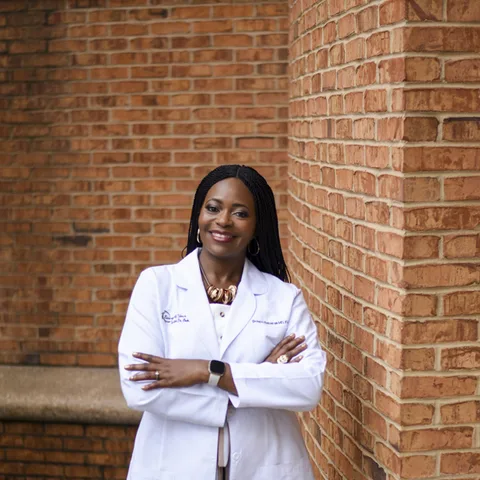
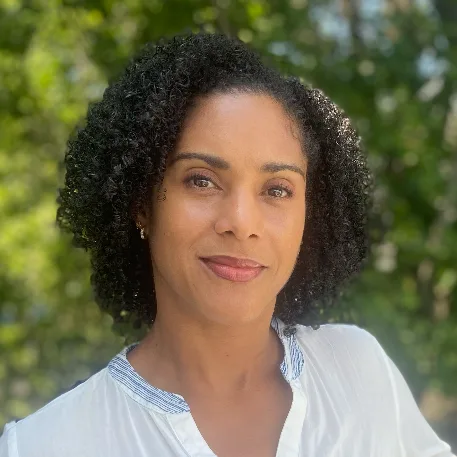
Dr. Babalola runs a solo membership practice in Marietta where patients pay a monthly fee that covers office visits with no copays, and new members commit to at least three months. She taught family medicine at Morehouse School of Medicine for more than 15 years and finished as a professor before opening this practice in 2023. Menopause care starts with food, sleep, stress and movement, and she will talk through hormone therapy and its risks and benefits when it fits. She is also board certified in obesity and lifestyle medicine, so weight change around menopause is treated as part of the same problem and she prescribes weight medication when it is warranted. She caps her panel at about 500 to 600 patients and answers texts and emails herself instead of routing them to staff. The office is open Thursday and Friday and she works virtually the other days, and anyone can book a free meet and greet before deciding to join.
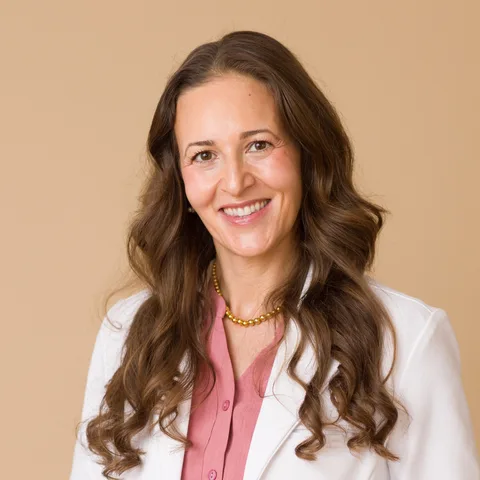
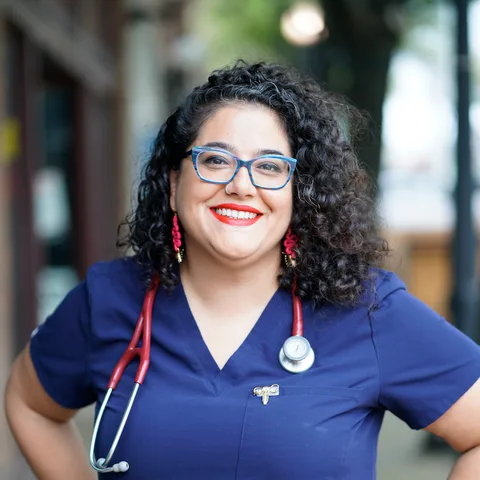
Dr. Casiano is a gynecologist who left traditional practice after more than a decade to open a small direct-pay office in Marietta. She sees every patient herself, with no nurse practitioners or physician assistants, and first visits run a full hour. Women in perimenopause or menopause can book single visits or a year-long hormone program that covers planning, dose changes and monitoring. You need one in-person visit to start, and some follow-ups can then be done by video. She is also board certified in obesity medicine and uses an InBody body composition scan for metabolic and weight care. The practice also offers a limited ongoing membership with portal messaging and labs included.
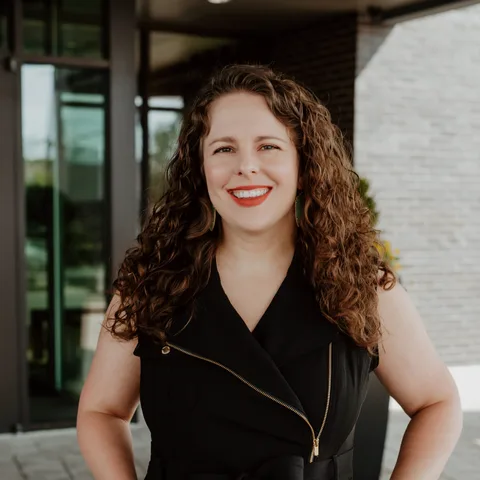
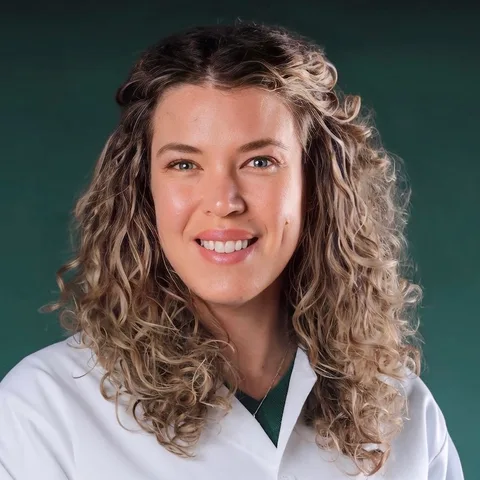
Dr. Dziuba is a family physician and co-founder of Foundation Direct Family Care, a direct primary care office in Dalton that does not take insurance. She runs the practice's hormone therapy service herself, and it has its own plan separate from the full primary care membership. The first visit covers a full consultation, starting labs and the first month of care. After that she adjusts treatment with unlimited office or video visits and texts her directly. For menopause she works with estrogen, progesterone and testosterone, and the in-house pharmacy stocks non-controlled hormone medications at a discount. She is proficient in Spanish, and the practice keeps a waitlist for new members that it says usually clears in four to six weeks.
Takes Aetna, Blue Cross Blue Shield +4 · first visit $150
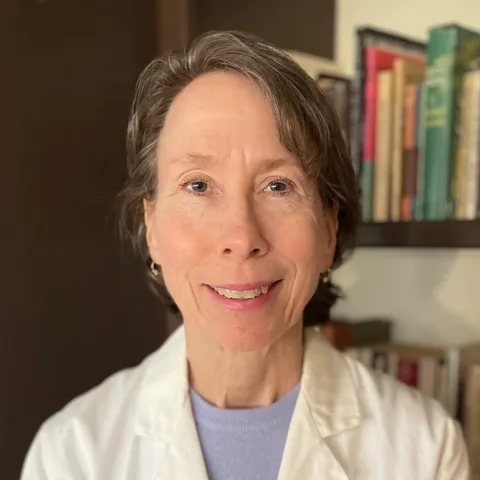
MyMenopauseRx is a virtual menopause practice founded by a gynecologist, and Krantz is one of about a dozen clinicians a patient can pick from. Visits are video appointments of about thirty minutes, and most patients come back every eight to twelve weeks until their symptoms settle. She prescribes FDA-approved estradiol and progesterone rather than compounded hormones, and the practice is clear that it works alongside a patient's own primary care doctor rather than replacing it. Testosterone is written only for patients located in Illinois, and everyone else gets the prescription from their own doctor while the practice manages the dosing. Krantz has practiced for more than thirty years in university, HMO, community health and telehealth settings, and she completed the integrative medicine fellowship at the University of Arizona with training in medical acupuncture. She works from Oregon and says she has aged alongside her patients, which is how menopause care became her emphasis.
Dr. Garnica runs a small online practice that treats only menopause, with virtual visits for women who live in Virginia or Georgia. Care starts with a package made up of a 60 minute first visit and two 30 minute follow ups, and patients can message her through the platform chat between visits. She prescribes hormone therapy or other options through shared decision making, and orders labs or imaging only when needed. She works alongside your regular doctor, so you need your own primary care provider to be seen. She is fluent in Spanish and sees patients in either language without an interpreter. She says her interest comes from watching her mother go through an early and difficult menopause, and she opens each visit with a minute of focused breathing with a bell.
Dr. Moayedi is a Dallas OB/GYN who specializes in complex family planning and runs her own small practice. Her perimenopause and menopause care happens entirely by video, and she reviews your history and explains the science behind the treatment plan. Between visits you can text her directly with questions. Most patients need one or two follow-up visits to adjust doses, then a yearly visit to keep refills going. Prescriptions go to whatever pharmacy you choose. The practice doesn't take insurance, but it works with nonprofit funds to help Texas patients cover visit costs.
Dr. Bernardy is a family physician who runs a direct primary care practice in south Charlotte with one other doctor. Membership covers unlimited office visits of 30 to 60 minutes, direct messaging, and phone or video visits, with same-day or next-day appointments. Menopause care sits inside her general women's health work alongside Pap smears, pelvic exams and birth control. She spent years as national medical director for an employer-based primary care company and taught residents at the University of Colorado. The office has its own pharmacy with medicines at wholesale prices and a physician-supervised weight program. You can book a free video meet and greet with her before joining.
Diana Kumar is a board certified OB-GYN who co-founded Gliss Wellness, a virtual practice built around perimenopause and menopause. All care happens by video and secure messaging, so there is no office to visit. A menopause visit runs about 30 minutes and ends with a plan and prescriptions for an initial three month period, followed by a check-in visit before refills continue for the rest of the year. She prescribes hormone therapy when it fits, can order labs and scans, and sends prescriptions to the patient's own pharmacy. She also sees women for weight counseling and for urgent gynecology problems handled through a short written form. Her stated areas of interest are PCOS, sexual dysfunction, bone health and longevity medicine.
ThriveWellMD is a telehealth practice run by Dr. Nicole Perrotte, an internal medicine physician with added training in lifestyle and obesity medicine who is also a certified health coach. Care starts with a two-part video assessment, with a 60-minute intake, a full lab panel and then a second 60-minute visit to go over the results and a written plan. Patients then move into monthly phases for hormones, metabolism and weight, or sexual health, with app messaging between visits. The hormone phase includes bioidentical hormone therapy made by outside compounding pharmacies. She built the practice after her own burnout, fatigue and weight gain, and it does not replace a primary care doctor.
A physician-owned direct primary care practice and med spa in East Point, built around Black women's health while welcoming all patients from age 12. New patients begin with a standalone physical that includes annual labs and a body composition scan, then choose a monthly plan giving six visits a year, unlimited telehealth and direct text, phone and portal access to the physician. Menopause and perimenopause care is one of six service areas and includes hormone therapy, alongside gynecology, chronic disease management and physician-guided weight care. The higher tier bundles a monthly aesthetic treatment for melanin-rich skin into the membership.
MOOV El Dorado Hills is a physician-run longevity and aesthetics studio, one of nine MOOV locations. Dr. Braxley spent her career in emergency medicine before moving into longevity work, and she says her own health experience is what pushed her to change direction. Her focus is women, and she puts hormone therapy together with weight loss and everyday lifestyle changes. New patients usually start with a short virtual consult that works out which labs to run, and the plan is built from those results. The studio also does skin treatments, heart risk testing and GLP-1 weight programs, so hormone care sits alongside a lot of other services rather than being the whole practice. She is finishing board certification in obesity medicine in late 2026.
Dr. Carol runs a small concierge practice for women in perimenopause and menopause, and she is going through midlife herself. She spent about 20 years as an emergency physician before turning to menopause care. Care starts with a free 30-minute video call. After that comes a package of two long visits, each 60 to 90 minutes, and you can message her between and after them. Visits can be at her Manhattan office, by video, or at your home or workplace. The visits look at symptom treatment along with bone, heart and breast cancer risk. She does not replace your own doctors, so you still need a primary care doctor and a gynecologist for exams and mammograms.
Faubion is an internist at Mayo Clinic in Jacksonville and sees patients through its Women's Health Specialty Clinic. She founded and directs the Mayo Clinic Center for Women's Health, and every condition listed on her own clinical page is a menopause or female sexual health one, so midlife care is the whole of her practice. The clinic runs two routes for a new patient, a menopause consultation that covers natural, surgical and cancer treatment induced menopause as well as primary ovarian insufficiency, and a sexual health consultation for low libido and painful sex. Her page says she helps women work through hormone therapy and understand their options. Appointments go through Mayo's central request process, which in most cases needs no referral, and established patients message her team through the Mayo patient portal. She also practices at Mayo's Rochester campus, and away from work she grows orchids and cooks.
Jackie Stone, MD sees women entirely by telehealth, in a practice she runs alone. She is board certified in obstetrics and gynecology and in obesity medicine, and treats perimenopause, menopause and primary ovarian insufficiency alongside PCOS, genitourinary symptoms, sexual wellness, and skin and hair changes. First visits run a full hour and cover past records, labs and a treatment plan. Ongoing care is by monthly membership or visit by visit, with direct messaging for members.
Dr. Vogel runs an independent pain practice in Marietta, and menopause care is one part of a wider practice built around pelvic, sexual and nerve pain. He opened one of Georgia's first stand-alone menopause clinics in 1997 and has written about bioidentical hormones. His women's health care includes hormone therapy, other medications and herbal options. For women who can't use hormones and haven't found relief elsewhere, he offers stellate ganglion blocks for hot flashes. He also treats vulvodynia, pelvic floor pain and low sexual desire, and patients can refer themselves. Visits are in person, with telehealth consults when travel is hard.
A private-pay, physician-led lifestyle medicine practice in Buckhead focused on women over 40 in perimenopause and menopause, which also treats men for testosterone and metabolic concerns. Every new client starts with the same intake, a broad lab panel, body composition analysis, an hour with the physician and a written plan, before any treatment is recommended. Ongoing care runs as invitation-based programs for hormone optimization or weight, plus a maintenance membership with quarterly visits. Hormones are offered as creams, oral, vaginal, injections and pellets. It is not a primary care practice and refers out for mammograms, cervical screening and other diagnostic work.
The Women's Center is a gynecology and urogynecology practice with offices in Conyers and Stockbridge, and Dr. Gordon started it in 2003. It is not an obstetrics practice, so no one's appointment gets bumped for a delivery, and the office keeps a no double booking policy. A menopause visit begins with your history, an exam and bloodwork to check hormone levels. The practice prescribes FDA-approved estrogen and progesterone as pills, creams or in-office injections. It also offers compounded bioidentical creams and pellets placed under the skin, plus non-hormonal options such as clonidine for hot flashes. Her own focus is heavy periods and incontinence, and she was one of the first physicians in the country to be board certified in urogynecology.
Dr. Sweeney is a gynecologist at Piedmont OB-GYN, a group practice of women's doctors on Collier Road near Piedmont Atlanta Hospital. She lists menopause care and sexual wellness among her main interests, along with fibroids and minimally invasive surgery. She spent years with Kaiser Permanente Georgia before joining this practice. The practice offers hormone therapy by vaginal, oral or skin routes and schedules regular follow-up visits to check how treatment is working. Care is in the office, and the practice bills insurance for visits.
Dr. Bernstein runs a small self-pay practice in Frisco devoted only to menopause, perimenopause and midlife sexual health. She spent more than 25 years as an OB/GYN in Summit and Eagle counties before opening it. Care starts with a free 15 minute phone call, then either a single one-hour visit or a six-month plan with monthly follow-ups and unlimited portal messaging, in person or by video. She often prescribes bioidentical hormones but will not use pellets because the dose cannot be adjusted, and she offers non-hormonal options for women who can't or won't take hormones. Sexual health is a real focus, with a separate consultation for painful sex, low libido and vaginal or urinary symptoms. She works alongside your regular gynecologist rather than replacing it, so Pap tests and mammograms stay with them.
A solo direct-pay practice in Lone Tree whose stated scope is dermatology, cosmetic procedures and medically supervised weight management. The physician is board certified in dermatology and obesity medicine. Every initial visit is by video, with in-person follow-ups by appointment, and the practice does not bill insurance. Hormone replacement therapy is named only as one reason for a new-patient visit on the fee schedule, and no hormone or menopause care is described anywhere else on the site.
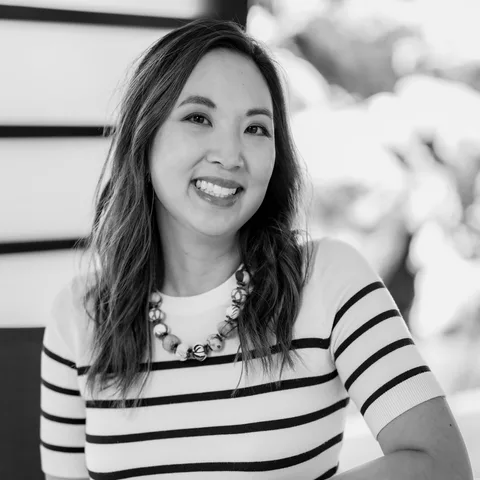
Gliss Wellness is a virtual-only OB/GYN practice Dr. Walsh co-founded with a second board-certified OB/GYN, and menopause care is its main focus. Care starts with a 30-minute video consultation about your symptoms, and if hormone therapy suits you, you leave with prescriptions for the first three months. A follow-up at three months keeps refills going for the rest of the year, and refills in between happen by message through the patient portal. There is no membership, and you fill prescriptions at your own pharmacy. The doctors can't examine you in person but can order labs and other tests. Dr. Walsh's own interests include pelvic pain, endometriosis, fibroids and weight loss, and a free 15-minute call lets you meet the team before booking.
Dr. White is an OB/GYN with Wellstar who sees patients at the group's Douglasville office and has been with the system since 2016. Menopause is the one condition her Wellstar profile lists as a focus. New patients can book a perimenopause or menopause visit online through MyChart, and a video visit is one of the options. She trained at Morehouse School of Medicine and is affiliated with Wellstar Douglas and Wellstar Cobb hospitals. Patient reviews often say she listens closely and walks through results and options step by step.
Dr. Sunkireddy is a family doctor who also holds board certifications in obesity and lifestyle medicine, and she runs menopause care herself at her own practice in Cumming. The first visit is a long conversation about symptoms, cycle changes and overall health, with hormone testing if it is needed. From there she builds a plan that may use hormone therapy, non-hormonal medication or lifestyle changes, and she weighs the risks before prescribing. She pays particular attention to midlife weight gain, and a dietitian and health coach work alongside her. Follow-ups can be done by video, and the same office also handles primary care and urgent visits.
Dr. Dombo is a board-certified OB-GYN who is going through the menopausal transition herself. She says starting hormone therapy and changing her nutrition and supplements took her from exhaustion and poor sleep back to enjoying life, and that is why she does this work. She trained in the early 2000s, when hormone therapy was widely feared, and now calls it the gold standard for symptom relief. The first visit runs 60 minutes and covers medical and gynecologic history, medications, nutrition and exercise, then a personal treatment plan. The visit also lists a nutritionist assessment, an exercise plan and mindset coaching, and follow-ups run 25 minutes. She writes publicly about why menopause hits Black women harder and how often they face barriers to care.