233 practitioners have an office in Illinois, and 88 more can see patients here by telehealth. 212 of them are certified by the Menopause Society, and the most are in Chicago, Lake Forest and Elmhurst.
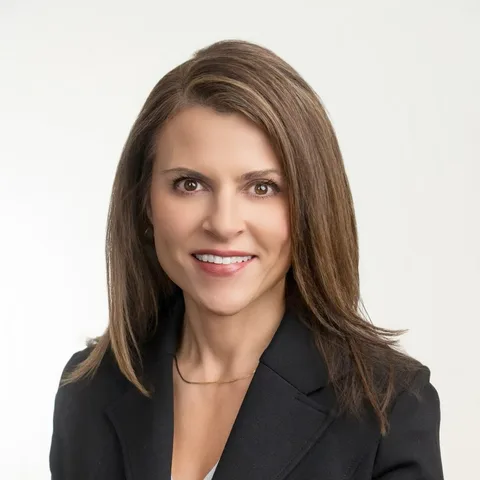
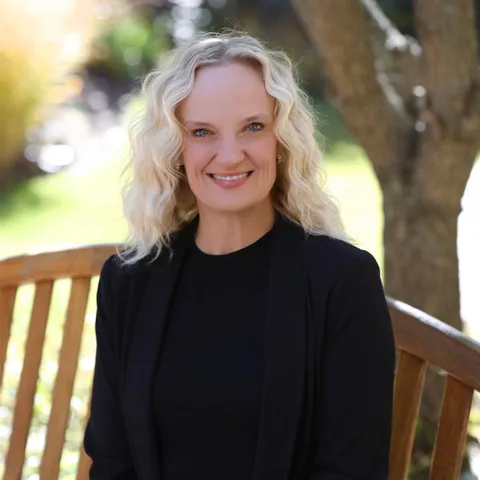
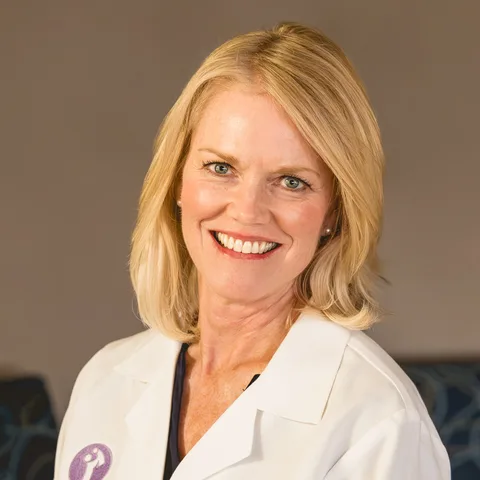
Kristen Loose is the menopause specialist at Dr. Gina Mantor's medical spa and weight clinic in Westerville, where the rest of the practice focuses on aesthetics and weight loss. She treats perimenopause and menopause with standard hormone therapy, and offers non-hormonal prescriptions and lifestyle advice to women who can't or would rather not take hormones. The first consultation is free and happens by video. After that she sees patients in the office on Wednesdays and Saturdays or by appointment. She follows Menopause Society guidance closely and writes on the clinic's site that soy and black cohosh don't hold up for hot flashes.
Dr. Barthel practices at Midwest Center for Women's HealthCare, a large Illinois OB/GYN group with offices across the Chicago suburbs. She still does full obstetric care and robotic gynecologic surgery, with hundreds of robotic cases since 2007 and a focus on minimally invasive hysterectomy. Menopause is a newer part of her work, and she became a Menopause Society certified practitioner in 2026. The practice treats perimenopausal and menopausal symptoms and offers hormone replacement therapy, and menopause visits can be done by video as well as in the office. She sees patients at the Elgin and South Elgin offices and delivers at a hospital in Elgin. She speaks openly about having both of her daughters through IVF, which shapes how she cares for patients dealing with infertility.
A women's health nurse practitioner in a seven-provider OB-GYN group that has served southern Illinois since 1983, with offices in Herrin and Carbondale. Her listed clinical interests include menopause and menstrual and hormonal disorders alongside obstetrics, contraception and preventive care, so menopause is one part of a full-scope practice rather than its focus. The group describes menopause care as hormone replacement therapy, lifestyle counselling and non-hormonal treatment, and offers video and phone visits, with menopause counselling among the visits it considers suitable for telemedicine.
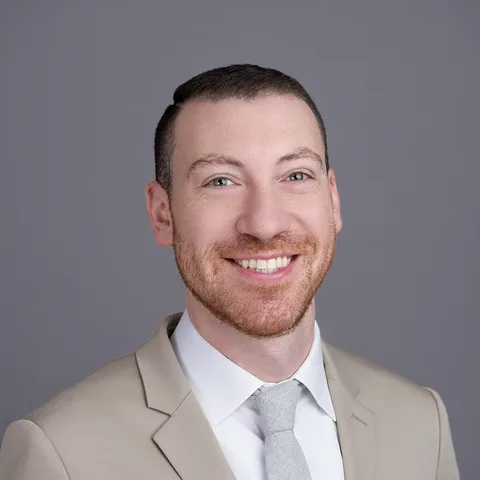
Dr. Solotke is a general OB-GYN in a six-doctor private group at Northwestern in downtown Chicago, and menopause is one part of a broad practice that also includes pregnancy, contraception and surgery. Visits are in person near Northwestern Memorial, and video visits are offered when the doctor thinks one is appropriate. He describes his approach as shared decision making built on education and honest conversation. He has worked in LGBTQ+ health since 2016 and provides gender-affirming hormone therapy. He also does minimally invasive and robotic surgery, which helps if bleeding or fibroids come up alongside menopause.
Therapy for Midlife is Dr. Rashkis's solo virtual practice, and every session runs over video. She works with women moving through perimenopause and menopause, and she also sees men in midlife and couples. Care is talk therapy only, and the FAQ says the practice does not prescribe medication, though she will discuss a referral to a prescribing physician and can speak with your own doctor if you give written permission. For menopause she uses cognitive behavioral therapy for the distress that comes with hot flashes and CBT for insomnia for sleep trouble, alongside acceptance and commitment therapy and emotionally focused therapy. Sessions are 50 minutes, usually weekly at first and then spaced further apart, and she says most clients need five to fifteen of them. She is a lifelong competitive athlete who says she went through her own midlife upheaval, which is what led her to start the practice.
Dr. Hertel runs a virtual-only practice focused on perimenopause, menopause and midlife care, with every visit held inside a secure patient portal. She is a family physician going through the menopause transition herself, and says that experience is what drew her to this work. She prescribes FDA-approved hormone therapy sent to your local pharmacy and does not use estrogen or testosterone pellets. The practice also offers medication-supported weight care and help with low libido and painful sex. It does not do Pap smears, pelvic exams or primary care, so you keep your own doctor and gynecologist for screenings. New patients start with a free 15-minute discovery call, and people outside her licensed states can book an educational visit that ends with a written plan but no prescriptions.
Optiml is a new practice in Winter Park run by Amber Braithwaite, a nurse practitioner, and it opens in December 2026. It will offer hormone therapy, metabolic care and what it calls healthspan medicine, aimed at people who were told their labs were normal but still don't feel right. Until it opens, the only way in is a waitlist form on its website, and the practice says it will contact people as places open up. Its full website, including prices and details of how care works, is not live yet.
Annie August runs a small cash-pay practice in St. Charles focused on perimenopause, menopause, thyroid and weight for midlife women, with video visits for women anywhere in Illinois. Care starts with a short paid Clarity Visit, then a two-part Foundations consultation with a broad lab panel included and a written six-month plan. Women who go ahead join a six-month program for hormone therapy, prescription oversight and portal messaging, then a lower-cost maintenance plan with visits every three months. She prescribes bioidentical hormones and offers compounded options, and GLP-1 medication is available in the weight program. She writes openly about her own early-40s crash, a Hashimoto's diagnosis and losing 50 pounds on hormone therapy. She cannot see anyone on Medicare, even as a paying patient.
Duet Family Health is Dr. Schroeder's solo direct primary care practice in Chicago, which she opened in 2024 after Village Medical closed its Illinois offices. Women can come for menopause care on its own and pay per visit, or join the membership and get menopause care along with the rest of their primary care. The first visit has to be in person, and after that much of the care runs by video, phone and portal message, with menopause follow-ups every three to six months. She prescribes hormonal and non-hormonal treatment but will not prescribe compounded hormones, and she says checking hormone levels is usually not useful in perimenopause. Her first fifteen years were at a community health center, where she delivered babies and trained family medicine residents. New patients start with a free video meet and greet, and people 65 and over join a waitlist.
Takes Aetna, Blue Cross Blue Shield +4 · first visit $150
Kelly Perisin is a nurse practitioner at MyMenopauseRx, a video-only practice that treats nothing but perimenopause and menopause. It was started by a Chicago-area gynecologist and bills insurance like a regular office. Visits take about 30 minutes on Zoom, and you can book the same clinician every time and message the care team between visits. Kelly came to menopause care from weight management and urgent care, and she draws on that when helping women with midlife weight gain. The practice prescribes FDA-approved estradiol and progesterone sent to your own pharmacy, and it prescribes testosterone directly only for patients in Illinois. It is meant to work alongside your own primary care doctor, who still handles anything that needs a physical exam.
Gliss Wellness is a virtual-only OB/GYN practice Dr. Walsh co-founded with a second board-certified OB/GYN, and menopause care is its main focus. Care starts with a 30-minute video consultation about your symptoms, and if hormone therapy suits you, you leave with prescriptions for the first three months. A follow-up at three months keeps refills going for the rest of the year, and refills in between happen by message through the patient portal. There is no membership, and you fill prescriptions at your own pharmacy. The doctors can't examine you in person but can order labs and other tests. Dr. Walsh's own interests include pelvic pain, endometriosis, fibroids and weight loss, and a free 15-minute call lets you meet the team before booking.
Dr. Schultz co-founded this small concierge internal medicine practice in Westmont with Dr. Cindy Lagone. It is a primary care practice for adults, and menopause care sits within her general internal medicine work. Her main clinical interests are cholesterol, blood pressure and heart disease risk, and she also works in obesity medicine. An annual membership covers visits, virtual care and messaging with your doctor. Panels are kept small, so new patients start with a meet and greet and may join a waitlist when her panel is full. The practice says plainly that it is not integrative or functional medicine, and it keeps close ties to Northwestern Medicine for specialist referrals and hospital care.
Attune is a small practice run by two nurse-midwives who treat perimenopause and menopause, plus routine gynecology. Kiyomi moved from full-scope midwifery into menopause care and also sees women for pelvic and sexual health concerns. New patients get a one-hour first visit, with a follow-up about six to eight weeks after starting treatment and then check-ins every few months to once a year. They prescribe FDA-approved bioidentical estradiol and progesterone, low-dose testosterone for low libido, and non-hormonal options, and will use a compounding pharmacy if you prefer. They don't test hormone levels to adjust estrogen, and testosterone needs an in-person start with baseline labs. The Wicker Park office is inside a massage therapy suite up a flight of stairs with no elevator, and video visits are open to anyone in Illinois.
Dr. Murauski directs the hormone and longevity programs at Case Integrative Health, a multi-provider integrative practice with offices in Chicago's West Loop and Hinsdale. He trained in biomedical engineering before medicine and describes his approach as looking at how the body's systems work together. Care starts with a discovery call with a patient coordinator, then an hour-long first consult and a follow-up four to six weeks later to go over labs and set the full plan. Seeing him directly means joining his Engineering Wellness membership, which has limited spots and a waitlist. Patients who don't join are seen by the program's physician assistants, who work under his oversight. Follow-up visits can be in person or remote.
Dr. Tran is an internist who co-runs the CGH Menopause and Sexual Health Clinic with Dr. Marcia Jones, a family physician who is also Menopause Society certified. The clinic is on the upper level of CGH's downtown Sterling office and works by appointment, in person or by video. Sexual health is as much the point here as hot flashes. The reasons the clinic lists for coming in include painful sex, low libido and recurrent urinary tract infections. Tran also belongs to the International Society for the Study of Women's Sexual Health. She and Jones have taken questions from the community in public Facebook Live sessions for the hospital, one on the stages of menopause and one on sex and intimacy in midlife.
Mercedes Deal founded Rêver Wellness, a private-pay clinic in Coral Gables that blends hormone care with skin treatments and weight care. Hormone therapy there is only available through a paid membership, and the tiers that include it also cover follow-up visits and lab work. Care starts with baseline labs and a first visit of about two hours, then labs are repeated every three months while the plan is adjusted. She prescribes bioidentical estradiol, progesterone and testosterone for women in perimenopause and menopause. She is a family nurse practitioner with extra training in functional medicine and peptide therapy, and the clinic also runs a thyroid and adrenal workup. New patients start with an intake questionnaire and a member of the team replies within a day or two.
Dr. Dombo is a board-certified OB-GYN who is going through the menopausal transition herself. She says starting hormone therapy and changing her nutrition and supplements took her from exhaustion and poor sleep back to enjoying life, and that is why she does this work. She trained in the early 2000s, when hormone therapy was widely feared, and now calls it the gold standard for symptom relief. The first visit runs 60 minutes and covers medical and gynecologic history, medications, nutrition and exercise, then a personal treatment plan. The visit also lists a nutritionist assessment, an exercise plan and mindset coaching, and follow-ups run 25 minutes. She writes publicly about why menopause hits Black women harder and how often they face barriers to care.
Elizabeth Swenson is a board certified obstetrician gynecologist certified by the Menopause Society. Her listing points to Gennev, a national telehealth menopause service that bills insurance and also publishes self pay rates. Gennev does not name her anywhere. Its Our Providers page lists thirty six doctors and she is not among them, the site search returns no result for her, and no bio page exists for her while other clinicians' bios load normally. No other current practice could be found for her.