98 practitioners have an office in Maryland, and 106 more can see patients here by telehealth. 132 of them are certified by the Menopause Society, and the most are in Bethesda, Rockville and Frederick.
Dana Johnson is a registered nurse who spent about 20 years in the ICU before founding Qavah Functional Wellness, a telehealth-only practice. She started it after her own Long COVID turned into autoimmune and gut problems and then a hard menopause transition. Hormone therapy is offered to Alabama residents only, while the lab and gut health services also reach a few other southern states. Each hormone plan starts with lab work and a consultation, and bioidentical hormones come as creams, gels, pills, troches or injections. Prescriptions are written by the practice's licensed providers rather than by Dana, who is a nurse. New patients start with an online consultation request, and the team calls back within one business day.
A nurse-practitioner-owned primary care and wellness practice in Fairfax, founded in 2012, with a second nurse practitioner and a small clinical team. Hormone care is aimed at midlife women from perimenopause through menopause and begins with testing, in-office blood work plus saliva or urine panels, before a plan that may combine nutrition, lifestyle work, herbal remedies, bioidentical topicals or hormone pellets. It sits inside a full primary care and women's health practice covering gynecological exams, contraception, urinary incontinence, thyroid disease and medical weight management, with visits in person or by video.
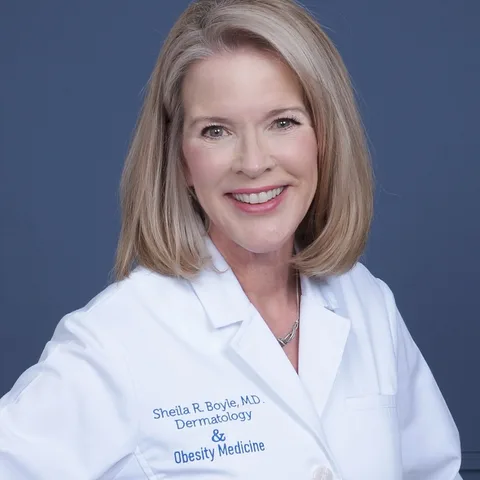
A solo direct-pay practice in Lone Tree whose stated scope is dermatology, cosmetic procedures and medically supervised weight management. The physician is board certified in dermatology and obesity medicine. Every initial visit is by video, with in-person follow-ups by appointment, and the practice does not bill insurance. Hormone replacement therapy is named only as one reason for a new-patient visit on the fee schedule, and no hormone or menopause care is described anywhere else on the site.
Caitlin Givens is one of two providers at Takoma Park Gynecology, a small woman-owned gynecology practice run by nurse-midwives. The practice covers care from adolescence through menopause and beyond, and it does no pregnancy care. A new patient can book with her online, either as a full new patient visit with an exam or as a menopause consultation that is a conversation only. She prescribes FDA-approved hormone therapy, including estrogen, progesterone and testosterone, and uses compounded hormones only when a manufactured product is unavailable or a poor fit. Beyond menopause she works in sexual medicine and chronic vulvar conditions, and the practice also handles bone health and prescription weight management. Her interest in women's health began as a Peace Corps volunteer in northern Senegal, and she teaches nurse-midwifery and women's health students at Georgetown.
IntimMedicine Specialists is a small Washington DC practice that Dr. Simon founded and still runs as medical director, with two physician assistants who have worked with him since the 1990s. He treats women across the whole reproductive span, and the midlife side of the practice covers menopause and perimenopause, low testosterone, bone loss, sexual pain and sexual function after cancer. His approach to hormones is to balance estrogen, progesterone and testosterone, and the practice says most women can use hormone therapy with few risks. For testosterone he will use gels, injections or pellets, and he says he does not treat on lab values alone. Visits happen in the M Street office or by video, and virtual appointments are offered on Saturday mornings as well as weekdays. New patients submit a form or call and the office rings back to finish booking, and because the practice runs its own clinical trials some patients are offered a place in a study.
Gliss Wellness is a virtual-only OB/GYN practice Dr. Walsh co-founded with a second board-certified OB/GYN, and menopause care is its main focus. Care starts with a 30-minute video consultation about your symptoms, and if hormone therapy suits you, you leave with prescriptions for the first three months. A follow-up at three months keeps refills going for the rest of the year, and refills in between happen by message through the patient portal. There is no membership, and you fill prescriptions at your own pharmacy. The doctors can't examine you in person but can order labs and other tests. Dr. Walsh's own interests include pelvic pain, endometriosis, fibroids and weight loss, and a free 15-minute call lets you meet the team before booking.
Dr. Dombo is a board-certified OB-GYN who is going through the menopausal transition herself. She says starting hormone therapy and changing her nutrition and supplements took her from exhaustion and poor sleep back to enjoying life, and that is why she does this work. She trained in the early 2000s, when hormone therapy was widely feared, and now calls it the gold standard for symptom relief. The first visit runs 60 minutes and covers medical and gynecologic history, medications, nutrition and exercise, then a personal treatment plan. The visit also lists a nutritionist assessment, an exercise plan and mindset coaching, and follow-ups run 25 minutes. She writes publicly about why menopause hits Black women harder and how often they face barriers to care.
ANOVUL is a Pittsburgh practice where Kelley DeFilippis sees only women in perimenopause, menopause and the years after. Care starts with a free 15-minute call, then a 90-minute new patient visit, with hour-long follow-ups in the office or by video. She prescribes FDA-approved bioidentical hormones, usually estradiol through the skin with oral micronized progesterone, and her site explains why she does not use pellets. She came to this work through her own perimenopause symptoms after finding her training had barely covered it. Beyond symptom relief she watches heart, bone and metabolic health, and the practice works alongside a pelvic floor therapist.
Glow Health is a solo virtual practice run by Andrea Martin, DNP, CRNP, WHNP, MSCP, for women in Pennsylvania, New Jersey, Maryland and Delaware. Care begins with a lab review built around each patient's results, then continues as a six-month menopause program or an ongoing membership, with direct messaging between visits. She also treats pelvic pain and pelvic floor problems, runs a metabolic program for weight, and prescribes vaginal estradiol through a short online intake for women who need only that.
Elizabeth Swenson is a board certified obstetrician gynecologist certified by the Menopause Society. Her listing points to Gennev, a national telehealth menopause service that bills insurance and also publishes self pay rates. Gennev does not name her anywhere. Its Our Providers page lists thirty six doctors and she is not among them, the site search returns no result for her, and no bio page exists for her while other clinicians' bios load normally. No other current practice could be found for her.