Telehealth Menopause Specialists in North Carolina
191 practitioners have an office in North Carolina, and 58 more can see patients here by telehealth. 171 of them are certified by the Menopause Society, and the most are in Charlotte, Raleigh and Durham.
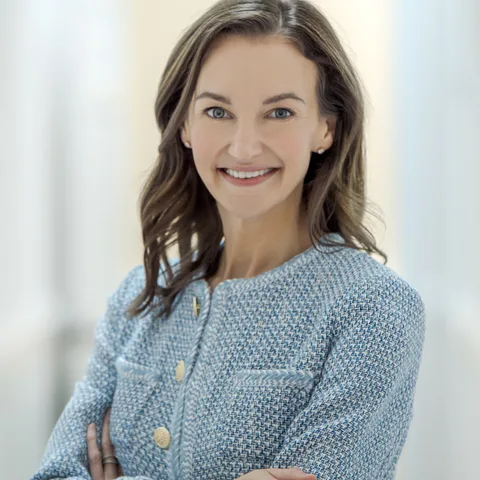
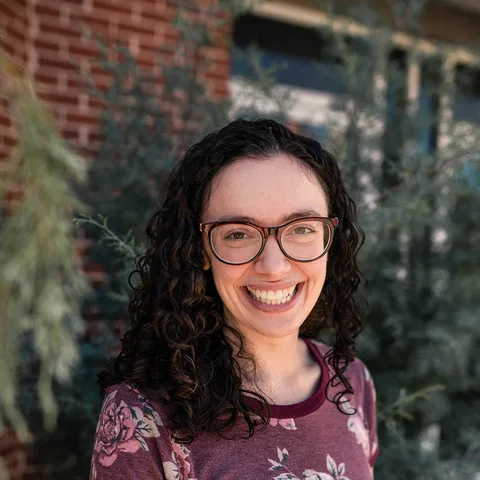
Helia Health is a small menopause practice in Cornelius that Dr. Haddad founded, and she also sees patients across North Carolina by video. Care runs on an annual membership. New patients start with a nurse visit and then a 60-minute consultation, and after that they can message the team between visits. She prescribes FDA-approved hormone therapy and non-hormonal options, but she does not use hormone pellets or injectable hormones. The practice takes on complex cases, including women with a history of breast or gynecologic cancer, BRCA carriers, early or surgical menopause, and conditions like POTS. It does not do annual gyn exams, so you keep your own gynecologist for breast and pelvic exams. It is currently accepting a small number of new patients.
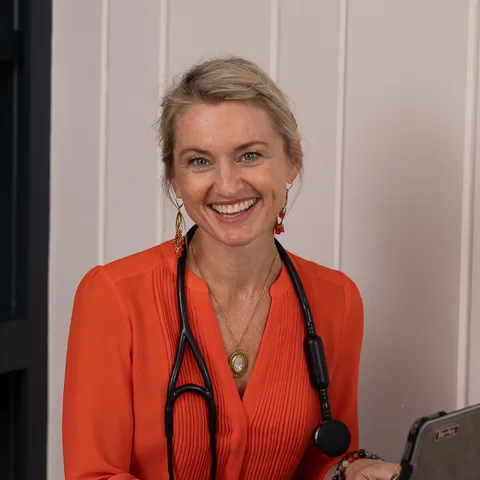
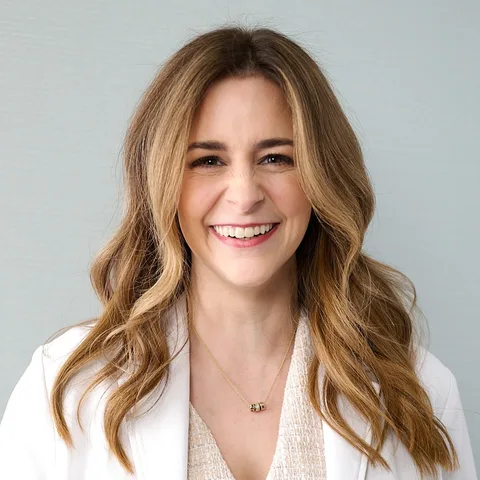
Dr. Anna runs a small cash-pay practice for women in midlife up to age 64, and she still works nights as a hospital physician. Care starts with a long first visit in person in Asheville or by video, after she has reviewed detailed intake forms and a broad blood panel covering hormones, thyroid, heart and metabolic health. After that you can pay for follow-ups one at a time or join a yearly package that adds messaging and a full year of hormone prescription management. She prescribes FDA-approved hormone therapy that you pick up at your usual pharmacy, and she writes openly about being on hormone therapy herself. New patients currently join a waitlist and are brought on each month as space opens. The practice cannot take anyone who is eligible for Medicare.
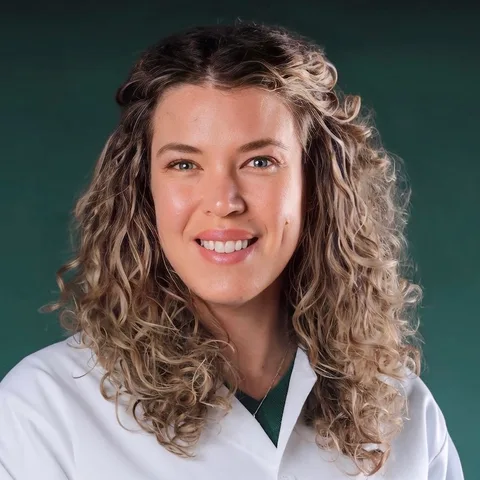
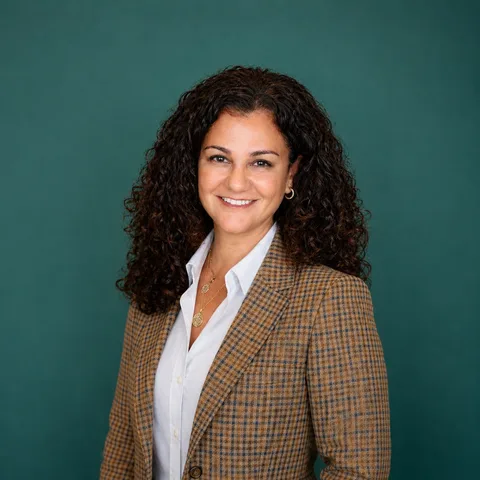
Dr. Bernardy is a family physician who runs a direct primary care practice in south Charlotte with one other doctor. Membership covers unlimited office visits of 30 to 60 minutes, direct messaging, and phone or video visits, with same-day or next-day appointments. Menopause care sits inside her general women's health work alongside Pap smears, pelvic exams and birth control. She spent years as national medical director for an employer-based primary care company and taught residents at the University of Colorado. The office has its own pharmacy with medicines at wholesale prices and a physician-supervised weight program. You can book a free video meet and greet with her before joining.
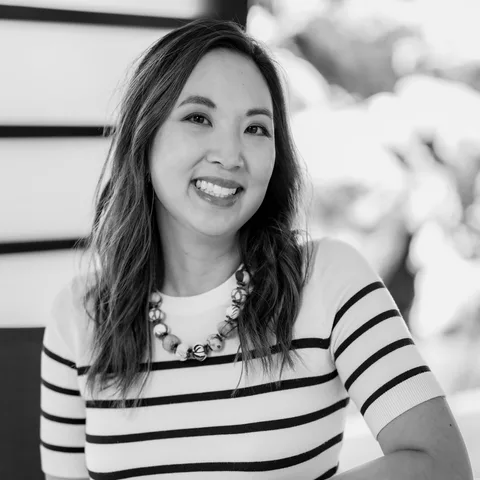
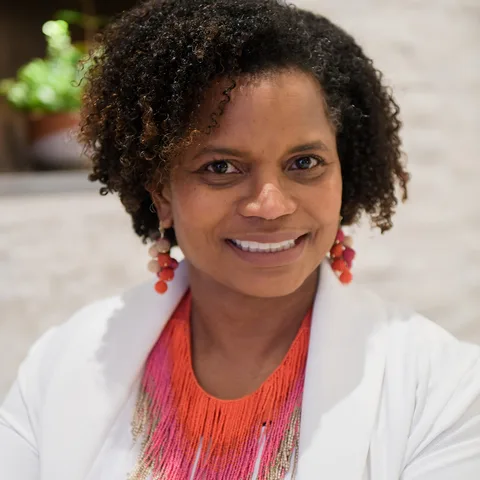
Diana Kumar is a board certified OB-GYN who co-founded Gliss Wellness, a virtual practice built around perimenopause and menopause. All care happens by video and secure messaging, so there is no office to visit. A menopause visit runs about 30 minutes and ends with a plan and prescriptions for an initial three month period, followed by a check-in visit before refills continue for the rest of the year. She prescribes hormone therapy when it fits, can order labs and scans, and sends prescriptions to the patient's own pharmacy. She also sees women for weight counseling and for urgent gynecology problems handled through a short written form. Her stated areas of interest are PCOS, sexual dysfunction, bone health and longevity medicine.
Kristina Gardner is a family nurse practitioner at Access Internal Medicine, a small concierge primary care practice in Wilmington that she shares with a physician assistant. Hormone evaluation and therapy are part of her women's health care, and she offers video visits as well as office appointments. Patients pay a yearly membership on top of their regular insurance. Each clinician caps their panel at about 500 people, so visits run longer and same or next day appointments are usually possible. She spent about 15 years focused on diabetes care and is also a diabetes educator. The practice takes a functional medicine approach and will see members in the hospital or at home when needed.
Dr. Cook is an internist at Elite Medicine, a small concierge primary care practice serving the Raleigh-Durham-Chapel Hill area. She has a special interest in women's health and completed extra training in perimenopause and menopause management. She is also a verified practitioner of the International Society for the Study of Women's Sexual Health. Every new patient starts with a two-hour first visit, and members can reach their doctor directly by email or text. Visits happen by video or in person, often at your home or office. The practice keeps its patient numbers low and starts a waiting list once spots fill, and prospective patients can book a free video call first.
Simone Medical is a small clinic in Matthews run by Lindsay Simone, a family nurse practitioner who trained through the BHRT Training Academy in bioidentical hormones and functional medicine. She writes on the site that she went through hormone imbalance and weight gain herself, and says that is what pushed her toward functional medicine. Care starts with lab testing and a talk through your symptoms and history, then runs as a three month hormone program with video visits and messaging in between. Hormones come as creams, gels, patches or tablets, and prescriptions go through the clinic's own network of compounding pharmacies rather than your local drugstore. She also runs weight loss and wellness coaching programs, and patients can combine those with hormone care. Visits are in person or by video, but you have to be physically in North Carolina for each one.
Concierge Medicine of Chapel Hill is Dr. Repine's solo membership primary care practice, which opened in April 2026 for adults, families and midlife patients, with the panel size deliberately kept small. A family physician and Menopause Society Certified Practitioner, she pairs primary care with women's health, covering birth control, perimenopause and postmenopause care, hormone replacement therapy, lifestyle medicine and mental health. She is trained in osteopathic manipulative treatment, which she uses for pain and tension when appropriate. Members get unlimited extended visits plus 24/7 direct messaging, phone and email access to her. Virtual visits are offered only as a supplement to in-person care and need prior approval. Point-of-care testing and minor procedures, including IUD and Nexplanon insertion and removal, joint and trigger point injections and skin biopsies, are done in the office rather than referred out.
Rachel Picher is a certified nurse midwife at Harris Women's Care, a hospital-affiliated women's health group with offices in Sylva and Franklin. The group lists menopausal care, premenopausal symptoms and hormone replacement among its services. She also delivers babies and does routine gynecology, so menopause is one part of a broad practice. Her profile shows open appointment slots that new patients can book online. Visits are billed to insurance, and the group has a sliding fee discount for people who qualify by income.
The Eastover Clinic is Dr. Emily McLean's solo, direct-pay dermatology practice in Charlotte, built around long visits booked by length rather than insurance codes. Medical and cosmetic dermatology are the core, with a lifestyle-medicine line for midlife women covering hormonal acne, hair thinning and the skin changes of perimenopause and menopause. Hormone therapy and FDA-approved weight medication are prescribed when medically appropriate, and those conversations are steered to the hour-long signature consultation. She coordinates with a patient's primary care physician, OB-GYN or endocrinologist. The practice sees men, women and children of all ages, so midlife women are a focus rather than the whole panel, and virtual visits are available to patients physically located in North Carolina.
Dr. Carol runs a small concierge practice for women in perimenopause and menopause, and she is going through midlife herself. She spent about 20 years as an emergency physician before turning to menopause care. Care starts with a free 30-minute video call. After that comes a package of two long visits, each 60 to 90 minutes, and you can message her between and after them. Visits can be at her Manhattan office, by video, or at your home or workplace. The visits look at symptom treatment along with bone, heart and breast cancer risk. She does not replace your own doctors, so you still need a primary care doctor and a gynecologist for exams and mammograms.
ThriveWellMD is a telehealth practice run by Dr. Nicole Perrotte, an internal medicine physician with added training in lifestyle and obesity medicine who is also a certified health coach. Care starts with a two-part video assessment, with a 60-minute intake, a full lab panel and then a second 60-minute visit to go over the results and a written plan. Patients then move into monthly phases for hormones, metabolism and weight, or sexual health, with app messaging between visits. The hormone phase includes bioidentical hormone therapy made by outside compounding pharmacies. She built the practice after her own burnout, fatigue and weight gain, and it does not replace a primary care doctor.
Dr. Wang is an internist who spent about 20 years in primary care and is also board certified in obesity medicine. She now sees women in perimenopause and menopause by video only, as an affiliate clinician of Dr. Heather Hirsch's Collaborative membership. Care runs through that membership, which has a one-year minimum and covers visits and messages with no charge per visit, plus group Q&As and coaching sessions. Her approach puts a lot of weight on nutrition, metabolic health and mindset alongside medical treatment. She asks patients to keep their own primary care doctor and gynecologist for hands-on care, since she does not see anyone in person.
Jackie Stone, MD sees women entirely by telehealth, in a practice she runs alone. She is board certified in obstetrics and gynecology and in obesity medicine, and treats perimenopause, menopause and primary ovarian insufficiency alongside PCOS, genitourinary symptoms, sexual wellness, and skin and hair changes. First visits run a full hour and cover past records, labs and a treatment plan. Ongoing care is by monthly membership or visit by visit, with direct messaging for members.
Peter Salib is an OB/GYN at Novant Health Southeast OB/GYN in Matthews, and he is one of the clinicians on Novant Health Virtual Menopause Wellness. That service runs by video and covers perimenopause through postmenopause, with hormone therapy among the treatments it offers. It also handles sleep problems, sexual health and bone loss, and it can connect you to Novant cardiology if heart health is a worry. If you need labs, imaging or an in person exam, your care team arranges it at a Novant location. The rest of his practice is general gynecology, including minimally invasive and robotic surgery and obstetric ultrasound. He says the patient relationships are what drew him to the field, and he sees patients in English, Arabic or Spanish.
Dr. Graham is an OBGYN who runs a small, deliberately limited virtual practice for women in perimenopause and menopause. Care starts with a free phone call to see if it's a good fit. After that you choose a single in-depth evaluation or a six- or twelve-month program with regular visits, coaching and messaging between appointments. When hormones are right for you she prescribes FDA-approved bioidentical options such as pills, patches and vaginal estrogen, and she also uses non-hormonal treatments. Plans lean heavily on strength training, nutrition and detailed lab testing alongside medication. She does not do Pap smears or breast exams, so you keep your own primary care doctor for those.
Lindsay Lyall is the only clinician at this small aesthetics and wellness practice in Jefferson. Alongside cosmetic treatments she prescribes menopause hormone therapy as patches, gels, pills, vaginal products or pellets, and also treats thyroid problems and offers medical weight loss. Hormone care starts with a paid consultation that includes labs, followed by visits every 12 weeks or pellet insertions about every four months.
A four-provider obstetrics and gynecology practice serving the Lake Norman area, covering obstetrics, gynecologic surgery and women's primary care alongside a menopause service line, with a hospital affiliation nearby. Dr. Guida's own focus is minimally invasive robotic surgery for hysterectomy, fibroids and endometriosis. The practice's menopause material describes FDA-approved systemic and vaginal hormone therapy plus non-hormonal options, and cautions against custom-compounded hormones. A sister practice at the same address handles aesthetics and physician-supervised weight management.
Therapy for Midlife is Dr. Rashkis's solo virtual practice, and every session runs over video. She works with women moving through perimenopause and menopause, and she also sees men in midlife and couples. Care is talk therapy only, and the FAQ says the practice does not prescribe medication, though she will discuss a referral to a prescribing physician and can speak with your own doctor if you give written permission. For menopause she uses cognitive behavioral therapy for the distress that comes with hot flashes and CBT for insomnia for sleep trouble, alongside acceptance and commitment therapy and emotionally focused therapy. Sessions are 50 minutes, usually weekly at first and then spaced further apart, and she says most clients need five to fifteen of them. She is a lifelong competitive athlete who says she went through her own midlife upheaval, which is what led her to start the practice.
Dana Johnson is a registered nurse who spent about 20 years in the ICU before founding Qavah Functional Wellness, a telehealth-only practice. She started it after her own Long COVID turned into autoimmune and gut problems and then a hard menopause transition. Hormone therapy is offered to Alabama residents only, while the lab and gut health services also reach a few other southern states. Each hormone plan starts with lab work and a consultation, and bioidentical hormones come as creams, gels, pills, troches or injections. Prescriptions are written by the practice's licensed providers rather than by Dana, who is a nurse. New patients start with an online consultation request, and the team calls back within one business day.
Sabia Health is Dr. DeVries's solo direct primary care practice in Durham, built for women roughly 40 to 64 who are going through perimenopause and menopause. She provides all the care herself, in the office, by video, or by phone and text, and she sees patients in English and Spanish. Membership covers a yearly exam and care plan, unlimited visits, direct messaging with her, and cheaper labs, imaging and Pap smears. You do not have to join to be seen. There is a standalone perimenopause and menopause consult that covers symptoms, a hormone plan, and bone, heart and metabolic risk, and it comes with three months of medication and dose adjustments by text or phone. She spent two decades in community health centers, Medicaid managed care and health system leadership before opening this practice, and she also provides gender-affirming hormone therapy.
Dr. Adamchak runs a small direct primary care practice in Ellicottville, the town she grew up in. Menopausal hormone therapy is part of the membership along with the rest of her family medicine care. Members get same or next day visits in person or by video, long appointments, and can text, call or email her directly. She trained and practiced as an Army family physician, including time in Germany and a deployment to Afghanistan, and still serves in the Army Reserves. New enrollments are paused for now, with a contact list for openings in 2027. She can't take anyone on Medicare or eligible for it at this time.
Gliss Wellness is a virtual-only OB/GYN practice Dr. Walsh co-founded with a second board-certified OB/GYN, and menopause care is its main focus. Care starts with a 30-minute video consultation about your symptoms, and if hormone therapy suits you, you leave with prescriptions for the first three months. A follow-up at three months keeps refills going for the rest of the year, and refills in between happen by message through the patient portal. There is no membership, and you fill prescriptions at your own pharmacy. The doctors can't examine you in person but can order labs and other tests. Dr. Walsh's own interests include pelvic pain, endometriosis, fibroids and weight loss, and a free 15-minute call lets you meet the team before booking.
Dr. Little is one of three OB/GYNs at Atrium Health's One Health OB/GYN office in Cornelius. She also sees patients at the group's Mooresville office, and both take new patients through online booking. The office handles general gynecology and obstetrics, and its own service list names menopausal care and hormone testing. Her stated focus is adolescent gynecology, infertility and obstetrics, and her bio says she loves helping women from pregnancy through menopause. Her father was an OB/GYN, and she says she never expected to follow him until she found the work in medical school. This is ordinary health-system gynecology rather than a dedicated menopause program, so care runs through Atrium's own scheduling and billing.