181 practitioners have an office in Ohio, and 84 more can see patients here by telehealth. 192 of them are certified by the Menopause Society, and the most are in Cincinnati, Columbus and Cleveland.
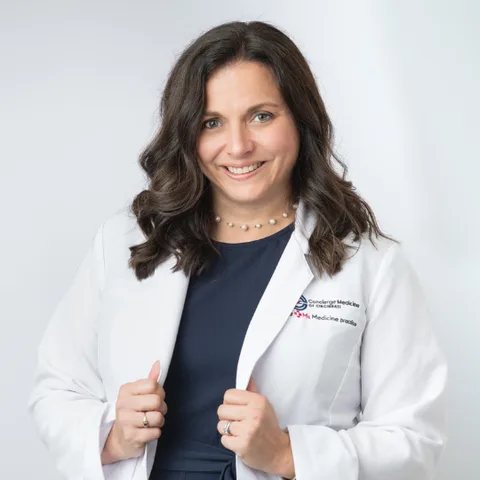
Dr. Neff runs a small concierge primary care practice in Mason where menopause and perimenopause care is part of the membership rather than a separate program. She trained in both internal medicine and pediatrics and spent years as a hospital doctor before moving into primary care at a women's center. She prescribes hormone therapy when it is safe after reviewing personal and family history, and also offers non-hormonal routes for women who can't or don't want to take hormones. Sexual health, bone strength and weight are handled in the same place as the rest of your care. You can text, call or video her directly between visits. A free 20 minute meet and greet comes first, and when her panel is full new patients join a waitlist.
Dr. Kappa is an internist at the Kenwood office of Concierge Medicine of Cincinnati. She works as a full primary care doctor who also manages perimenopause and menopause. Patients join through a yearly concierge membership that covers office visits, direct phone and email access to her, and virtual visits when an exam isn't needed. The practice does not file insurance claims for visits. She spent years in academic and community primary care before adding menopause certification, so hormone care sits in the same visits as blood pressure, diabetes and cholesterol. New patients start with a free call with a membership consultant.
Dr. Peiffer is a family physician who opened her own small concierge practice in Fairlawn after years in Akron-area primary care. Members get unlimited unhurried visits, same or next day appointments, and can text, call or email her directly. She manages perimenopause and menopause symptoms with both hormonal and non-hormonal options as part of ordinary membership. Women who don't want a full membership can book a one-time long consultation about hormone therapy, with an optional follow-up visit. She keeps her panel small and cares for whole families, so a midlife patient can have the same doctor as her spouse and teens. Virtual visits are possible but she prefers in-person care and approves video visits case by case.
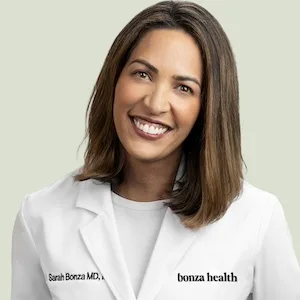
Dr. Bonza is a family physician who runs a small menopause and perimenopause practice in Upper Arlington, seeing women in person or by video. Care starts with a broad lab panel ordered before you meet, then a 50-minute visit to go through the results and build a plan. The one consultation fee covers a full year of follow-up, including text access to her through a patient portal, repeat labs and medication changes. She prescribes FDA-approved hormone therapy and also treats with testosterone, thyroid support and weight medication for women who qualify. She came to this work after her own symptoms in her 40s were brushed off by other doctors. She does not act as a primary care doctor, so you keep your own for everything else.
Dr. Bazán runs a deliberately small gynecology practice in Columbus for women in perimenopause and menopause, and you see her at every visit. Care starts with a long virtual consultation and continues through a membership with visits by video, phone or in the office. Patients can message her directly between visits. She prescribes menopause hormone therapy when it fits and also offers nonhormonal options, with attention to heart, bone and breast risk. She does not order the DUTCH urine test and relies on standard blood testing instead. Virtual visits are open to women anywhere in Ohio, and the office handles exams and in-person gynecologic care.
Dr. DiGirolamo is a reproductive endocrinologist who spent a decade as a fertility specialist at Boston IVF before opening this virtual practice. She sees women from their first periods through menopause, with a focus on active women and athletes, and she manages perimenopause, menopause and hormone therapy. Care starts with a 50-minute Zoom consultation after an intake questionnaire, followed by shorter video follow-ups. Visits are video only, and a medical visit is only possible if you are calling in from a state where she is licensed. She is also a CrossFit trainer and nutrition coach, and she builds care on exercise and nutrition first, adding medication as needed. She does not provide primary care and recommends you keep your own primary care doctor.
Takes Aetna, Blue Cross Blue Shield +4 · first visit $150
MyMenopauseRx is a virtual menopause practice founded by a gynecologist, and Krantz is one of about a dozen clinicians a patient can pick from. Visits are video appointments of about thirty minutes, and most patients come back every eight to twelve weeks until their symptoms settle. She prescribes FDA-approved estradiol and progesterone rather than compounded hormones, and the practice is clear that it works alongside a patient's own primary care doctor rather than replacing it. Testosterone is written only for patients located in Illinois, and everyone else gets the prescription from their own doctor while the practice manages the dosing. Krantz has practiced for more than thirty years in university, HMO, community health and telehealth settings, and she completed the integrative medicine fellowship at the University of Arizona with training in medical acupuncture. She works from Oregon and says she has aged alongside her patients, which is how menopause care became her emphasis.
Dr. Romero is a family physician who runs a small direct primary care practice with offices in Estero and Naples. Menopause care comes two ways. Members get hormone care as part of their ongoing primary care, and anyone else can buy a ShineWell program, from a single 90-minute consult up to a six-month plan with five visits and texting. She prescribes FDA-approved estrogen, progesterone and testosterone, and she also sees women with hormone symptoms during or after cancer treatment. The longer programs include a body composition scan and orders for a bone density scan, heart calcium score and mammogram if you are due. She grew up in Puerto Rico and sees patients in English and Spanish.
Dr. Bernardy is a family physician who runs a direct primary care practice in south Charlotte with one other doctor. Membership covers unlimited office visits of 30 to 60 minutes, direct messaging, and phone or video visits, with same-day or next-day appointments. Menopause care sits inside her general women's health work alongside Pap smears, pelvic exams and birth control. She spent years as national medical director for an employer-based primary care company and taught residents at the University of Colorado. The office has its own pharmacy with medicines at wholesale prices and a physician-supervised weight program. You can book a free video meet and greet with her before joining.
Dr. Allison runs a small telemedicine practice for women in perimenopause and menopause. She spent 14 years as an emergency physician before moving into midlife women's care. She prescribes FDA approved hormone therapy and testosterone, and offers non-hormonal medicines for women who can't or won't take hormones. New patients fill out long history forms first, then have a 75 minute first visit and a short check-in two weeks later. She also covers bone health, breast cancer risk and prevention planning. She does not replace your primary care doctor or gynecologist, and she expects you to keep them.
Diana Kumar is a board certified OB-GYN who co-founded Gliss Wellness, a virtual practice built around perimenopause and menopause. All care happens by video and secure messaging, so there is no office to visit. A menopause visit runs about 30 minutes and ends with a plan and prescriptions for an initial three month period, followed by a check-in visit before refills continue for the rest of the year. She prescribes hormone therapy when it fits, can order labs and scans, and sends prescriptions to the patient's own pharmacy. She also sees women for weight counseling and for urgent gynecology problems handled through a short written form. Her stated areas of interest are PCOS, sexual dysfunction, bone health and longevity medicine.
Dr. Lemin is one of seven physicians at Atrium OB/GYN, a long-running gynecology and obstetrics group in Canton. She lists midlife women's health, including perimenopause and menopause, as a particular interest alongside minimally invasive gynecologic surgery. She is also board certified in obesity medicine, which is unusual for a gynecologist and useful for women whose weight shifts in midlife. Visits are in person at the practice's office, which also has its own ultrasound, lab and mammography services on site. Menopause concerns are billed as an office visit rather than folded into an annual exam, so it helps to book them as their own appointment.
Northwest Ob/Gyn is a group practice in Hilliard with seven doctors and a nurse practitioner, and it does a lot of obstetrics alongside gynecology. Dr. Miller is the only Menopause Society Certified Practitioner there, and her own bio says she specializes in preventive health care for women and gynecology. The practice lists menopause education and hormone replacement therapy among its gynecology services. Care is in person at the one Hilliard office and visits are by appointment only, with no walk ins. New patients bring or enter their paperwork through the online portal before the first visit, and the same portal is where patients request appointments, get results and message their doctor afterward. She trained at Vanderbilt and was in private practice there before joining Northwest.
Jackie Stone, MD sees women entirely by telehealth, in a practice she runs alone. She is board certified in obstetrics and gynecology and in obesity medicine, and treats perimenopause, menopause and primary ovarian insufficiency alongside PCOS, genitourinary symptoms, sexual wellness, and skin and hair changes. First visits run a full hour and cover past records, labs and a treatment plan. Ongoing care is by monthly membership or visit by visit, with direct messaging for members.
Dr. Ward is a board-certified internist who sees adults at the Kenwood office of Concierge Medicine of Cincinnati, a membership practice with several menopause-certified clinicians. She spent about 20 years in Cincinnati primary care before joining, and she also holds a PhD in immunology and did cancer research early in her career. Her own bio puts weight on preventive care, cancer survivorship and long-term conditions like diabetes and high blood pressure, and she recently earned her menopause certification. As a member you have her as your primary care doctor, with longer visits, direct phone and email access, urgent visits within a day and video visits when they make sense. Her menopause care comes inside that membership, and she is not one of the clinicians who offer the practice's one-off menopause consults. New patients start with a free call with a membership consultant.
Dr. Fermann is a gynecologist with UC Health, the University of Cincinnati academic health system, and sees adults at its West Chester South medical office. Her own profile lists menopause, perimenopause and hot flashes among her clinical interests, alongside general gynecology. She also names primary ovarian insufficiency, pelvic pain and vulvar pain, which makes her a sensible choice for women with early menopause or painful sex. Care runs through a large hospital system that bills insurance, so this is regular office gynecology and not a stand-alone menopause program. New patients book by calling the office. She also teaches as volunteer faculty at the UC College of Medicine.
Dr. Hertel runs a virtual-only practice focused on perimenopause, menopause and midlife care, with every visit held inside a secure patient portal. She is a family physician going through the menopause transition herself, and says that experience is what drew her to this work. She prescribes FDA-approved hormone therapy sent to your local pharmacy and does not use estrogen or testosterone pellets. The practice also offers medication-supported weight care and help with low libido and painful sex. It does not do Pap smears, pelvic exams or primary care, so you keep your own doctor and gynecologist for screenings. New patients start with a free 15-minute discovery call, and people outside her licensed states can book an educational visit that ends with a written plan but no prescriptions.
Dr. Bernstein runs a small self-pay practice in Frisco devoted only to menopause, perimenopause and midlife sexual health. She spent more than 25 years as an OB/GYN in Summit and Eagle counties before opening it. Care starts with a free 15 minute phone call, then either a single one-hour visit or a six-month plan with monthly follow-ups and unlimited portal messaging, in person or by video. She often prescribes bioidentical hormones but will not use pellets because the dose cannot be adjusted, and she offers non-hormonal options for women who can't or won't take hormones. Sexual health is a real focus, with a separate consultation for painful sex, low libido and vaginal or urinary symptoms. She works alongside your regular gynecologist rather than replacing it, so Pap tests and mammograms stay with them.
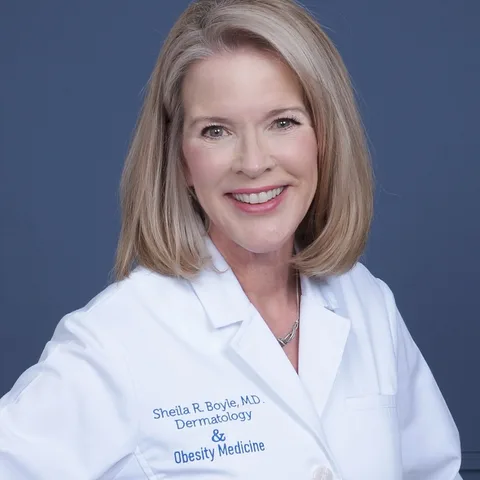
A solo direct-pay practice in Lone Tree whose stated scope is dermatology, cosmetic procedures and medically supervised weight management. The physician is board certified in dermatology and obesity medicine. Every initial visit is by video, with in-person follow-ups by appointment, and the practice does not bill insurance. Hormone replacement therapy is named only as one reason for a new-patient visit on the fee schedule, and no hormone or menopause care is described anywhere else on the site.
Concierge Medicine of Westlake is Dr. Fiffick's own practice. She keeps the patient panel small and runs it on annual memberships rather than billing insurance. The women's health membership covers non-obstetric care through midlife, with perimenopause and menopause symptom management alongside bone health, cardiovascular risk and urogenital health, and it includes hormone prescription management when she judges it appropriate. Members get 30 or 60 minute visits, same or next day openings, and her direct phone, text and email, and virtual visits are offered as a supplement with prior approval when an exam is not needed. She came to women's health through family medicine after being told early on that the only route was OB-GYN, then spent two years in the Cleveland Clinic's Specialized Women's Health fellowship. As an osteopathic physician she also does hands-on manipulative treatment, which patients can buy as its own membership or one visit at a time.
IntimMedicine Specialists is a small Washington DC practice that Dr. Simon founded and still runs as medical director, with two physician assistants who have worked with him since the 1990s. He treats women across the whole reproductive span, and the midlife side of the practice covers menopause and perimenopause, low testosterone, bone loss, sexual pain and sexual function after cancer. His approach to hormones is to balance estrogen, progesterone and testosterone, and the practice says most women can use hormone therapy with few risks. For testosterone he will use gels, injections or pellets, and he says he does not treat on lab values alone. Visits happen in the M Street office or by video, and virtual appointments are offered on Saturday mornings as well as weekdays. New patients submit a form or call and the office rings back to finish booking, and because the practice runs its own clinical trials some patients are offered a place in a study.
Gliss Wellness is a virtual-only OB/GYN practice Dr. Walsh co-founded with a second board-certified OB/GYN, and menopause care is its main focus. Care starts with a 30-minute video consultation about your symptoms, and if hormone therapy suits you, you leave with prescriptions for the first three months. A follow-up at three months keeps refills going for the rest of the year, and refills in between happen by message through the patient portal. There is no membership, and you fill prescriptions at your own pharmacy. The doctors can't examine you in person but can order labs and other tests. Dr. Walsh's own interests include pelvic pain, endometriosis, fibroids and weight loss, and a free 15-minute call lets you meet the team before booking.
Far Hills OB/GYN is a seven-physician group with two offices on Far Hills Avenue in Washington Township, south of Dayton. The practice runs pregnancy care and general gynecology side by side, and its service list includes menopausal evaluation and treatment along with counseling on hormone options. Kennebeck joined the group in 2005, after medical school at the Uniformed Services University and a residency based at Travis Air Force Base in California. Care is in person, with the practice's own lab for blood draws and ultrasound done in the office, and new patients fill in registration and history forms before a first visit. For vaginal and urinary changes after menopause the office offers the MonaLisa Touch laser, done over three sessions with a yearly maintenance treatment. Patients quoted on the practice's own site mention seeing her for ten years or more.
Dr. Dombo is a board-certified OB-GYN who is going through the menopausal transition herself. She says starting hormone therapy and changing her nutrition and supplements took her from exhaustion and poor sleep back to enjoying life, and that is why she does this work. She trained in the early 2000s, when hormone therapy was widely feared, and now calls it the gold standard for symptom relief. The first visit runs 60 minutes and covers medical and gynecologic history, medications, nutrition and exercise, then a personal treatment plan. The visit also lists a nutritionist assessment, an exercise plan and mindset coaching, and follow-ups run 25 minutes. She writes publicly about why menopause hits Black women harder and how often they face barriers to care.