Menopause Society Certified Practitioners in Tennessee
74 practitioners have an office in Tennessee, and 64 more can see patients here by telehealth. 92 of them are certified by the Menopause Society, and the most are in Memphis, Nashville and Chattanooga.
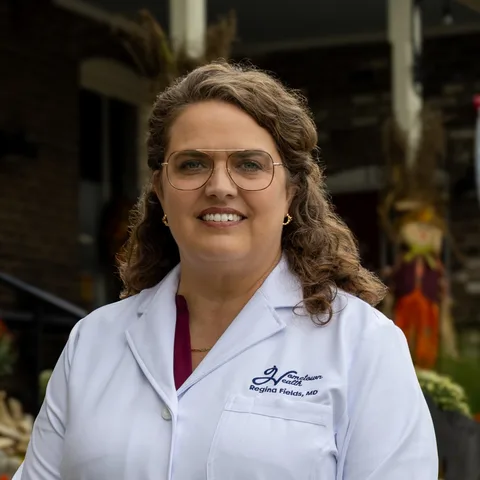
Hometown Health is a solo direct primary care practice in Jefferson City, Tennessee, where Regina Fields is the only provider. She is a board-certified family physician who spent nearly a decade in hospital medicine before training in obesity medicine, menopause care, and functional and lifestyle medicine. Membership is tiered, with a primary care plan, a separate wellness plan covering hormone replacement and medical weight loss management, and a combined plan. Hormone therapy is also offered to non-members on a pay-as-you-go basis. Hormone care begins with bloodwork and a detailed symptom review, and the practice provides bioidentical hormone therapy and testosterone therapy to women alongside nutrition and lifestyle plans. Visits are in office or by telemedicine, and members can reach the provider by phone and text.
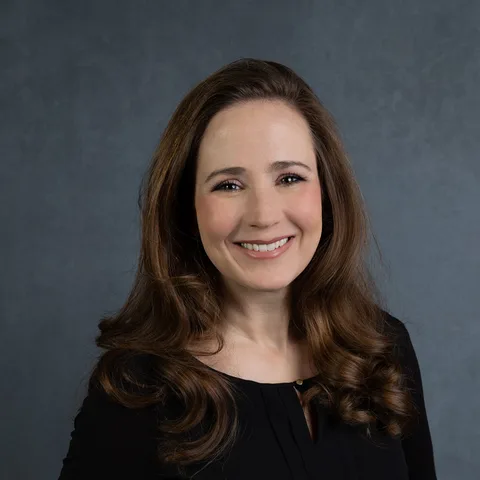
Concierge Medicine of Minnesota is a membership practice in Apple Valley where Dr. Westmoreland is the only doctor. One annual fee covers office visits, video and phone appointments, and direct messaging with her, and she guarantees same or next-day scheduling. New patients start with a free meet and greet, then sign a membership agreement, and the staff gathers their old records before the first full exam. Menopause and perimenopause care is her own work, and she treats hormone therapy as one option to weigh against a patient's history rather than something she starts by default. The practice says it does not use compounded medications, citing thin scientific backing and possible risks. Women who would rather not join can pay for a single two-hour consultation with her instead, and members can have her come to the house for an extra fee.
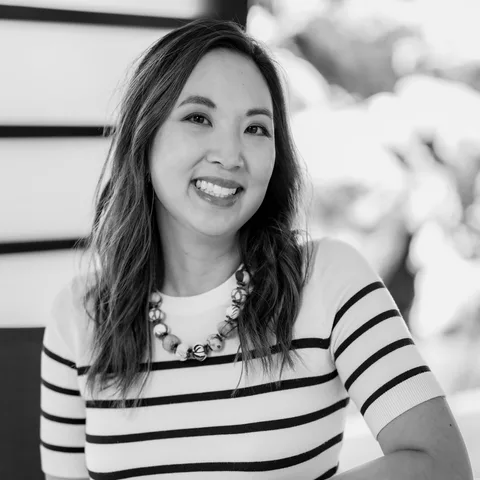
Diana Kumar is a board certified OB-GYN who co-founded Gliss Wellness, a virtual practice built around perimenopause and menopause. All care happens by video and secure messaging, so there is no office to visit. A menopause visit runs about 30 minutes and ends with a plan and prescriptions for an initial three month period, followed by a check-in visit before refills continue for the rest of the year. She prescribes hormone therapy when it fits, can order labs and scans, and sends prescriptions to the patient's own pharmacy. She also sees women for weight counseling and for urgent gynecology problems handled through a short written form. Her stated areas of interest are PCOS, sexual dysfunction, bone health and longevity medicine.
Family medicine · DNP, APRN, FNP-C, CNE, CNECL, CME, CSWS, MSCP
Lakeland, TN · In person & virtual
Self-pay · first visit $199
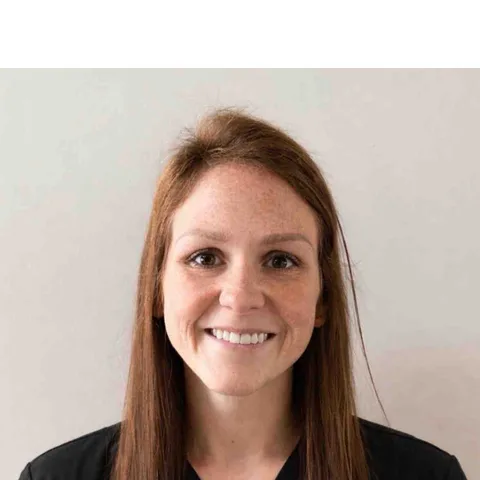
Lori Stepp is a family nurse practitioner at Lakefront Wellness, a clinic in Lakeland that pairs hormone therapy with IV hydration, weight management and aesthetics. Her own focus there is hormones, weight, nutrition and vitamins. Hormone care starts with a short intake visit, then lab work and a longer visit to go over the results and set a bioidentical hormone plan. Follow-ups come every three to six months with repeat labs and refills. She came to this work after her own symptoms were brushed off as normal, and she has taught women's health as a nursing professor. The clinic sees patients in person by appointment and books online.
Dr. Carol runs a small concierge practice for women in perimenopause and menopause, and she is going through midlife herself. She spent about 20 years as an emergency physician before turning to menopause care. Care starts with a free 30-minute video call. After that comes a package of two long visits, each 60 to 90 minutes, and you can message her between and after them. Visits can be at her Manhattan office, by video, or at your home or workplace. The visits look at symptom treatment along with bone, heart and breast cancer risk. She does not replace your own doctors, so you still need a primary care doctor and a gynecologist for exams and mammograms.
Jackie Stone, MD sees women entirely by telehealth, in a practice she runs alone. She is board certified in obstetrics and gynecology and in obesity medicine, and treats perimenopause, menopause and primary ovarian insufficiency alongside PCOS, genitourinary symptoms, sexual wellness, and skin and hair changes. First visits run a full hour and cover past records, labs and a treatment plan. Ongoing care is by monthly membership or visit by visit, with direct messaging for members.
Therapy for Midlife is Dr. Rashkis's solo virtual practice, and every session runs over video. She works with women moving through perimenopause and menopause, and she also sees men in midlife and couples. Care is talk therapy only, and the FAQ says the practice does not prescribe medication, though she will discuss a referral to a prescribing physician and can speak with your own doctor if you give written permission. For menopause she uses cognitive behavioral therapy for the distress that comes with hot flashes and CBT for insomnia for sleep trouble, alongside acceptance and commitment therapy and emotionally focused therapy. Sessions are 50 minutes, usually weekly at first and then spaced further apart, and she says most clients need five to fifteen of them. She is a lifelong competitive athlete who says she went through her own midlife upheaval, which is what led her to start the practice.
Dana Johnson is a registered nurse who spent about 20 years in the ICU before founding Qavah Functional Wellness, a telehealth-only practice. She started it after her own Long COVID turned into autoimmune and gut problems and then a hard menopause transition. Hormone therapy is offered to Alabama residents only, while the lab and gut health services also reach a few other southern states. Each hormone plan starts with lab work and a consultation, and bioidentical hormones come as creams, gels, pills, troches or injections. Prescriptions are written by the practice's licensed providers rather than by Dana, who is a nurse. New patients start with an online consultation request, and the team calls back within one business day.
Dr. Bernstein runs a small self-pay practice in Frisco devoted only to menopause, perimenopause and midlife sexual health. She spent more than 25 years as an OB/GYN in Summit and Eagle counties before opening it. Care starts with a free 15 minute phone call, then either a single one-hour visit or a six-month plan with monthly follow-ups and unlimited portal messaging, in person or by video. She often prescribes bioidentical hormones but will not use pellets because the dose cannot be adjusted, and she offers non-hormonal options for women who can't or won't take hormones. Sexual health is a real focus, with a separate consultation for painful sex, low libido and vaginal or urinary symptoms. She works alongside your regular gynecologist rather than replacing it, so Pap tests and mammograms stay with them.
A solo direct-pay practice in Lone Tree whose stated scope is dermatology, cosmetic procedures and medically supervised weight management. The physician is board certified in dermatology and obesity medicine. Every initial visit is by video, with in-person follow-ups by appointment, and the practice does not bill insurance. Hormone replacement therapy is named only as one reason for a new-patient visit on the fee schedule, and no hormone or menopause care is described anywhere else on the site.
Lotus Center for Women is a Chattanooga practice run by women nurse practitioners that focuses on women over 40. Lauren Barlew owns the practice. The team treats perimenopause and menopause along with sexual health problems like low desire, painful sex, vulvodynia and interstitial cystitis. Hormone therapy is offered, and there are non-hormonal options for women who can't or don't want to take hormones. Well-woman exams are only for patients already being seen for midlife care, never at the first visit. Lauren herself currently sees only established patients, and new patients are booked with the other nurse practitioners.
IntimMedicine Specialists is a small Washington DC practice that Dr. Simon founded and still runs as medical director, with two physician assistants who have worked with him since the 1990s. He treats women across the whole reproductive span, and the midlife side of the practice covers menopause and perimenopause, low testosterone, bone loss, sexual pain and sexual function after cancer. His approach to hormones is to balance estrogen, progesterone and testosterone, and the practice says most women can use hormone therapy with few risks. For testosterone he will use gels, injections or pellets, and he says he does not treat on lab values alone. Visits happen in the M Street office or by video, and virtual appointments are offered on Saturday mornings as well as weekdays. New patients submit a form or call and the office rings back to finish booking, and because the practice runs its own clinical trials some patients are offered a place in a study.
Gliss Wellness is a virtual-only OB/GYN practice Dr. Walsh co-founded with a second board-certified OB/GYN, and menopause care is its main focus. Care starts with a 30-minute video consultation about your symptoms, and if hormone therapy suits you, you leave with prescriptions for the first three months. A follow-up at three months keeps refills going for the rest of the year, and refills in between happen by message through the patient portal. There is no membership, and you fill prescriptions at your own pharmacy. The doctors can't examine you in person but can order labs and other tests. Dr. Walsh's own interests include pelvic pain, endometriosis, fibroids and weight loss, and a free 15-minute call lets you meet the team before booking.
Amy Molder is a women's health nurse practitioner in the OB/GYN department at Murfreesboro Medical Clinic, a large multi specialty group that has been caring for Rutherford County for more than 60 years. She sees patients at the main Garrison Drive campus, and she is the only provider the department lists with Menopause Society certification. Her own bio says her special interest is caring for women through the perimenopausal and menopausal years. The department runs a Menopause Center that books 30 and 15 minute visits and prescribes menopause hormone therapy, plus help for sleep, mood changes and hot flashes. The Menopause Center also works on weight changes that come with menopause, and its patient handout covers injectable weight loss medication and how to manage the nausea and constipation that follow. She trained in female sexual health in 2009 and is a member of the International Society for the Study of Women's Sexual Health, and the department's gynecology list includes low sex drive and pain with intercourse.
Amanda Needham is a women's health nurse practitioner at Vanderbilt's Columbia women's health office, and she also sees patients at the Lawrenceburg location. Her care runs through Vanderbilt's gynecology service, which treats menopause and hormone disorders and offers hormone replacement therapy. Her own listed focus is general gynecology, annual exams and menstrual cycle problems, and she carries a share of the office's obstetric work. She trained as a nurse practitioner at Vanderbilt's own school of nursing in 2000 and added a certification in electronic fetal monitoring in 2016. New patients can book her online through the Vanderbilt patient portal. Vanderbilt publishes her patient survey comments in full, praise and complaints alike, so you can read how other women found her before you book.
Dr. Dombo is a board-certified OB-GYN who is going through the menopausal transition herself. She says starting hormone therapy and changing her nutrition and supplements took her from exhaustion and poor sleep back to enjoying life, and that is why she does this work. She trained in the early 2000s, when hormone therapy was widely feared, and now calls it the gold standard for symptom relief. The first visit runs 60 minutes and covers medical and gynecologic history, medications, nutrition and exercise, then a personal treatment plan. The visit also lists a nutritionist assessment, an exercise plan and mindset coaching, and follow-ups run 25 minutes. She writes publicly about why menopause hits Black women harder and how often they face barriers to care.
The Sexual Health Institute is a small private clinic in Brentwood that Brooke Faught opened in July 2025. She is the practice's only provider. Her focus is menopause management alongside sexual health, vulvar and vaginal problems and urogynecologic conditions. Before this she spent nearly twenty years running the Women's Institute for Sexual Health in Nashville, a practice she founded in 2005, and that subspecialty background shapes how she works. Care is in person at the Brentwood office and by appointment only. Her website is a single page, so it does not say which treatments she prescribes, what visits cost or how to book other than by calling.
Galen OB/GYN East is the obstetrics and gynecology side of Galen Medical Group, a large Chattanooga physician group, and McLelland is one of more than twenty providers at the Gunbarrel Road office. She has practiced there since 1998 and still does obstetrics and gynecologic surgery, so midlife care is one part of a wide practice rather than all of it. Galen is the one that puts her forward on menopause, and she went on a local podcast to talk through the physical and hormonal changes of midlife, writes a Substack on women's health, and has a book due out in 2026. In recent years she has trained in functional medicine through the Institute for Functional Medicine, and she writes that she would rather start with lifestyle change than go straight to a prescription when that will do. Her provider page also lists a long shelf of patient handouts she uses, on hormonal symptoms, osteoporosis and gut health. Visits are in person at the Gunbarrel Road office, and the group arranges video appointments by phone.