341 practitioners have an office in Texas, and 107 more can see patients here by telehealth. 285 of them are certified by the Menopause Society, and the most are in Houston, Austin and Dallas.
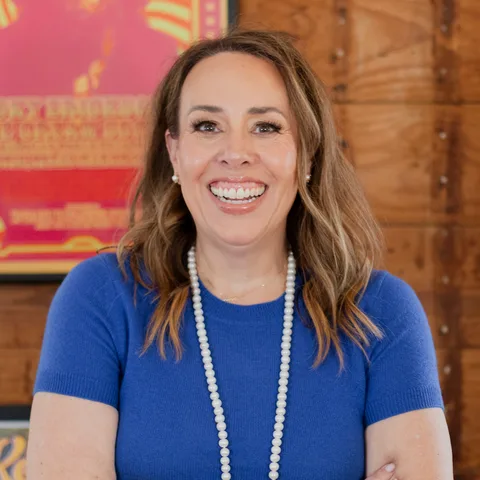
Diana Kumar is a board certified OB-GYN who co-founded Gliss Wellness, a virtual practice built around perimenopause and menopause. All care happens by video and secure messaging, so there is no office to visit. A menopause visit runs about 30 minutes and ends with a plan and prescriptions for an initial three month period, followed by a check-in visit before refills continue for the rest of the year. She prescribes hormone therapy when it fits, can order labs and scans, and sends prescriptions to the patient's own pharmacy. She also sees women for weight counseling and for urgent gynecology problems handled through a short written form. Her stated areas of interest are PCOS, sexual dysfunction, bone health and longevity medicine.
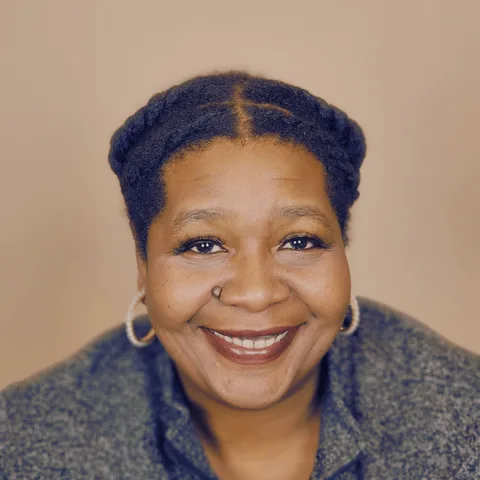
Nefertari McClarity is a family nurse practitioner who runs a small virtual clinic for women in perimenopause and menopause. All visits are by video. Care starts with a long first visit and labs, then a second visit to go over results and set a plan. She prescribes hormone therapy including testosterone, offers non-hormonal options and GLP-1 medication for weight, and puts a lot of weight on gut health, with stool and SIBO testing available.
Dr. Moyers runs her own concierge gynecology practice in Fort Worth, built around perimenopause, menopause and sexual health. Most patients join a yearly membership that covers an annual physical plus eight more visits and direct access to her by phone and email, and pay-per-visit appointments are also available for those not ready to commit. She prescribes estrogen and progesterone in several forms and offers testosterone for low desire, along with in-office treatments like MonaLisa Touch laser and pelvic floor Botox. Sexual health is half of her focus and she also does osteopathic manipulation, so painful sex and pelvic pain get real attention here. Follow-ups can be done by video for patients in Texas and West Virginia, but exams and procedures happen at the Fort Worth office. The practice suggests women over 50 keep a separate primary care doctor.
A solo direct primary care practice in New Braunfels where menopause and perimenopause care sits inside general family medicine. The physician holds the Menopause Society Certified Practitioner credential and also sees children and chronic disease. A flat monthly membership covers unlimited visits in person or by video, same and next-day appointments, and direct messaging by text, phone or email. The menopause first visit is an unhurried history, with labs ordered only where they would help, since the practice treats perimenopause as a clinical diagnosis rather than a lab one, and says openly that hormones are not the answer to everything.
Natalie Bachynsky founded Houston County Family Medical Clinic in Crockett in 2020 and still sees patients there. It is a rural family practice caring for infants, children and adults. Menopause care is part of its women's health service, which offers both hormonal and non-hormonal treatment for symptoms like hot flashes and insomnia. The clinic bills insurance and welcomes walk-ins, and new patients can print a registration packet from the website before their first visit. Before moving to East Texas she spent ten years caring for women and infants in the Texas Medical Center and taught nursing at UTMB for seven years.
Dr. Wilson runs HerCare, a clinic for women only inside Amarillo Medical Specialists. She sees women 18 and up for primary care and pays particular attention to menopause management, bone health and family planning. She spent seven years directing a women's health and sex and gender differences center at Texas Tech and still teaches medical students about menopause. Visits lean on explaining the evidence behind each treatment option, and patients often leave with low-cost health habits as homework. New patients fill out an online pre-registration form, and staff then call to book a visit at the Westgate Parkway office.
A solo direct primary care family practice in San Antonio seeing women, men and children for wellness visits, chronic conditions and same-day problems, whose physician is a Menopause Society Certified Practitioner. Members pay monthly instead of using insurance and get direct access by phone, text or video alongside same or next-day appointments in person or by telehealth. Labs are drawn in house at negotiated cash prices, with discounted imaging and body composition scanning through local partners. The practice's stated position is that symptoms rather than hormone levels should guide diagnosis, so routine hormone testing is not usually needed.
Viva Wellness Co. is Liliana Damron's solo telehealth practice, so the first visit and the follow-ups are with her. She covers perimenopause and menopause, testosterone, medical weight management and minor sick visits, all by video. Her starting point is history and goals, and she orders labs when a test can answer a question rather than running a hormone panel on everyone. She will not prescribe hormone therapy as a weight-loss treatment and says midlife weight change needs its own evaluation. Compounded hormones are an option only when an FDA-approved product cannot meet a documented need, and the site repeats that compounded drugs are not FDA-approved. She came to this after years in geriatric care, which she says made her want people to ask these questions earlier.
Dr. Sims is a Houston OB-GYN who runs a perimenopause and menopause clinic inside her own practice. Most visits happen by video, and established patients can also be seen at her central Houston office. New patients start with a virtual visit that opens with a short group orientation and then moves to private time with her. She mixes standard hormone therapy with functional medicine, herbs and Ayurveda, and she also treats low testosterone in women and runs a medical weight loss program. She writes openly about her own autoimmune illness and losing 70 pounds, which is what pushed her toward this style of care. Her main practice bills insurance, and women outside her network can join a separate self-pay program built around labs and education modules.
Dr. Bartos is an OB/GYN who runs a small practice in Frisco built almost entirely around women in midlife. From November 16, 2026 it becomes a membership practice. One annual fee covers an intake and wellness exam plus up to 11 more visits a year, in the office or by video, with messaging and same or next day visits for urgent problems. She prescribes estrogen, progesterone and testosterone, and also offers pellets and GLP-1 weight care. She also handles a good share of primary care like thyroid, blood pressure and cholesterol, and you always see her rather than a rotating provider. Places are limited, so there will be a waitlist once they fill.
A solo, fully virtual membership practice for midlife women across Texas, run by a physician board certified in family, obesity and lifestyle medicine who is also a Menopause Society Certified Practitioner. The membership covers an hour-long first consultation, seven follow-ups a year, secure messaging between visits, prescription management and lab interpretation, while medication, labs and imaging are billed separately. Hormone therapy is offered but not part of every plan, with non-hormonal options discussed instead. The practice declines to use hormone pellets, citing unpredictable dosing. Care is given in English and Spanish, and the physician describes herself as working alongside a patient's existing doctors rather than replacing them.
Dr. Limosnero runs a small integrative gynecology practice in Carrollton that she opened in 2015 after about 11 years in general OB/GYN practice. She treats perimenopause and menopause with prescription hormone therapy, including bioidentical hormones that can add testosterone or DHEA, alongside herbs, nutrition and mind-body work. New patient visits are long, up to 90 minutes, and go through your history, lifestyle and symptoms before a plan is made. She trained in integrative medicine through the University of Arizona program and has also studied acupuncture and trained as a yoga teacher. For vaginal dryness and bladder leakage after menopause she offers MonaLisa Touch laser treatment as a hormone-free option. For now the office shares space with her husband's dental practice, so patients come in through Suite 100.
Emily Hicks is a family nurse practitioner at a small concierge primary care practice in Rollingwood, just outside Austin. She has been a nurse for over 17 years and says perimenopause and menopause are her main focus. The practice keeps its patient list to a few hundred people, so visits run long and members can reach the team directly after hours. Hormone options on offer include estrogen patches, vaginal estrogen, micronized progesterone and topical testosterone, and the practice also does bone health checks and breast cancer risk screening. New patients start with a free consultation, which can be in person or by video. Members keep their regular insurance or Medicare, which still covers visits and tests.
Dr. Carol runs a small concierge practice for women in perimenopause and menopause, and she is going through midlife herself. She spent about 20 years as an emergency physician before turning to menopause care. Care starts with a free 30-minute video call. After that comes a package of two long visits, each 60 to 90 minutes, and you can message her between and after them. Visits can be at her Manhattan office, by video, or at your home or workplace. The visits look at symptom treatment along with bone, heart and breast cancer risk. She does not replace your own doctors, so you still need a primary care doctor and a gynecologist for exams and mammograms.
ThriveWellMD is a telehealth practice run by Dr. Nicole Perrotte, an internal medicine physician with added training in lifestyle and obesity medicine who is also a certified health coach. Care starts with a two-part video assessment, with a 60-minute intake, a full lab panel and then a second 60-minute visit to go over the results and a written plan. Patients then move into monthly phases for hormones, metabolism and weight, or sexual health, with app messaging between visits. The hormone phase includes bioidentical hormone therapy made by outside compounding pharmacies. She built the practice after her own burnout, fatigue and weight gain, and it does not replace a primary care doctor.
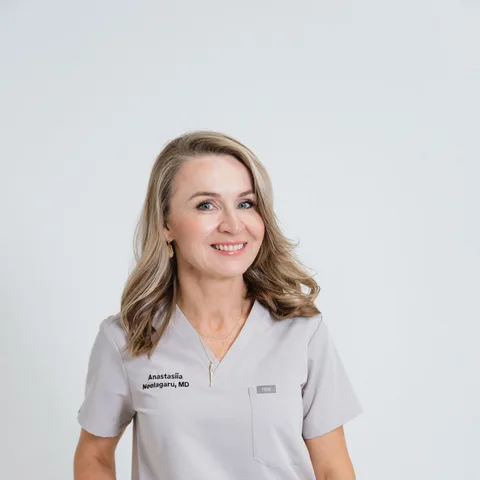
Dr. Neelagaru runs a virtual-only specialty clinic for menopause and sexual medicine. She no longer provides primary care, so patients keep their own doctor for routine care, physicals and pelvic exams. New patients start with a free video strategy call, and care runs through 60-minute video visits or her four-month Flourish Method program with labs and monthly follow-ups. She prescribes FDA-approved bioidentical estrogen, progesterone and testosterone, plus vaginal estrogen and non-hormonal options, and she does not place pellets but helps women move off them. Sexual health is at the center of her practice, and she also sees male partners for erectile dysfunction and low testosterone. She is perimenopausal herself and says her own hormonal changes shaped how she practices.
Jenn Kosova is a physician assistant with a long emergency medicine background who now runs a concierge functional medicine practice. She treats both women and men for hormone changes, including perimenopause and menopause, using bioidentical hormones. New patients start with a discovery call and then a consultation built around a large lab panel, and ongoing care runs through a membership with direct messaging. Visits can be by telehealth, in the Los Angeles or Dallas office, or at home.
Jackie Stone, MD sees women entirely by telehealth, in a practice she runs alone. She is board certified in obstetrics and gynecology and in obesity medicine, and treats perimenopause, menopause and primary ovarian insufficiency alongside PCOS, genitourinary symptoms, sexual wellness, and skin and hair changes. First visits run a full hour and cover past records, labs and a treatment plan. Ongoing care is by monthly membership or visit by visit, with direct messaging for members.
Dr. Chalasani is an Austin OB/GYN who has run a private practice for more than 25 years. The PausetiveMD website is for her in-person menopause seminars, not for her clinic. At a seminar a small group of women spends a morning with her going over hormone science, symptoms and hormonal and non-hormonal treatment options, and each woman leaves with a written list of options. She says she is 58 and has been through most menopause symptoms herself. The site does not say how to become her patient.
A psychiatry practice built around reproductive and women's mental health across the lifespan, from puberty through menopause, alongside general adult psychiatric care for anxiety, depression, ADHD, obsessive-compulsive disorder, bipolar disorder and trauma. Care is given in person in Austin or by video in Texas and California, on an insurance-based model with a small team of a psychiatrist, a physician assistant and two psychiatric nurse practitioners. Menopause work is framed psychiatrically. She judges where a patient is in her hormonal transition and weighing menopausal hormone therapy, antidepressants or both, with nutrition, supplement and sleep guidance alongside. The founder holds a perinatal mental health certification and further training in perimenopausal mental health.
Therapy for Midlife is Dr. Rashkis's solo virtual practice, and every session runs over video. She works with women moving through perimenopause and menopause, and she also sees men in midlife and couples. Care is talk therapy only, and the FAQ says the practice does not prescribe medication, though she will discuss a referral to a prescribing physician and can speak with your own doctor if you give written permission. For menopause she uses cognitive behavioral therapy for the distress that comes with hot flashes and CBT for insomnia for sleep trouble, alongside acceptance and commitment therapy and emotionally focused therapy. Sessions are 50 minutes, usually weekly at first and then spaced further apart, and she says most clients need five to fifteen of them. She is a lifelong competitive athlete who says she went through her own midlife upheaval, which is what led her to start the practice.
Dr. Vogel runs an independent pain practice in Marietta, and menopause care is one part of a wider practice built around pelvic, sexual and nerve pain. He opened one of Georgia's first stand-alone menopause clinics in 1997 and has written about bioidentical hormones. His women's health care includes hormone therapy, other medications and herbal options. For women who can't use hormones and haven't found relief elsewhere, he offers stellate ganglion blocks for hot flashes. He also treats vulvodynia, pelvic floor pain and low sexual desire, and patients can refer themselves. Visits are in person, with telehealth consults when travel is hard.
A private-pay, physician-led lifestyle medicine practice in Buckhead focused on women over 40 in perimenopause and menopause, which also treats men for testosterone and metabolic concerns. Every new client starts with the same intake, a broad lab panel, body composition analysis, an hour with the physician and a written plan, before any treatment is recommended. Ongoing care runs as invitation-based programs for hormone optimization or weight, plus a maintenance membership with quarterly visits. Hormones are offered as creams, oral, vaginal, injections and pellets. It is not a primary care practice and refers out for mammograms, cervical screening and other diagnostic work.
Dana Johnson is a registered nurse who spent about 20 years in the ICU before founding Qavah Functional Wellness, a telehealth-only practice. She started it after her own Long COVID turned into autoimmune and gut problems and then a hard menopause transition. Hormone therapy is offered to Alabama residents only, while the lab and gut health services also reach a few other southern states. Each hormone plan starts with lab work and a consultation, and bioidentical hormones come as creams, gels, pills, troches or injections. Prescriptions are written by the practice's licensed providers rather than by Dana, who is a nurse. New patients start with an online consultation request, and the team calls back within one business day.