187 practitioners have an office in Washington, and 111 more can see patients here by telehealth. 192 of them are certified by the Menopause Society, and the most are in Seattle, Vancouver and Olympia.
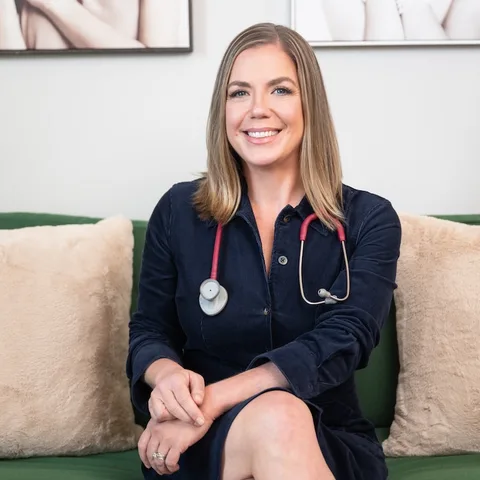
Dr. Patil-Sisodia runs a direct care practice in Redmond built around a single physician, for women moving through perimenopause and menopause. She trained in internal medicine and endocrinology and is also board certified in obesity medicine, so hormones, metabolism and weight sit with one doctor instead of three. New patients start with a 60 minute consultation that reviews their history, outside records and labs, and that fee covers 30 days of portal follow up for results and treatment changes. She prescribes hormone therapy where it fits and pairs it with nutrition and movement plans, keeping an eye on bone and heart health over the long run. She also offers a standalone second opinion visit that ends in a written report for the patient and their referring doctor, with no prescriptions or lab orders attached. Visits are in the Redmond office or by video for patients physically located in Washington or California, and the practice does not bill insurance.
MauveMD is a small practice run by Dr. Scanlon that sees only women in perimenopause and menopause. Visits run longer than a usual gynecology appointment and happen in her Bellingham office or by video. She prescribes FDA-approved estrogen, progesterone and testosterone and uses compounded hormones only when no approved option exists. She does not offer pellets. She also runs a non-hormonal track for breast cancer survivors and can coordinate with your oncology team. This is consult care that does not replace your primary care doctor, and new patients often wait four weeks or more, with a waitlist for earlier openings.
Dr. Strand spent years as a full-time emergency physician before opening this direct-pay clinic in Lacey in 2021. The practice treats men and women, and menopause care sits alongside testosterone therapy, weight loss and thyroid care. Care starts with a paid evaluation that bundles Labcorp lab work with a 60 to 90 minute visit, then moves to a month-to-month membership with unlimited messaging. Hormone plans can combine estradiol, progesterone, testosterone and DHEA, and medications are passed through at pharmacy cost. Visits happen in the Lacey office or by video anywhere in Washington, and most follow-ups are by video. The practice does not see anyone on Medicare, so women 65 and older cannot join.
Ashley Winter is a urologist and sexual medicine specialist at Dr. Rachel Rubin's practice, seeing patients in Pasadena inside a pelvic physical therapy center. She treats perimenopause and menopause with hormone therapy and prescribes testosterone for women as well as men. She speaks out often for vaginal estrogen to protect the urinary tract, so she is a strong fit when recurrent UTIs, dryness or painful sex are part of the picture. New patient visits run an hour and a half to two hours, and follow-ups can be done by video. New patients join an interest list first, and the wait for her Los Angeles area schedule is shorter than for the practice's Maryland office. The practice prescribes FDA-approved treatments unless no approved option exists.
Takes Aetna, Blue Cross Blue Shield +4 · first visit $150
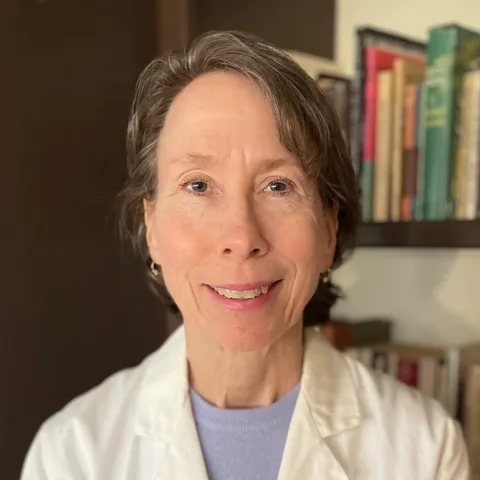
MyMenopauseRx is a virtual menopause practice founded by a gynecologist, and Krantz is one of about a dozen clinicians a patient can pick from. Visits are video appointments of about thirty minutes, and most patients come back every eight to twelve weeks until their symptoms settle. She prescribes FDA-approved estradiol and progesterone rather than compounded hormones, and the practice is clear that it works alongside a patient's own primary care doctor rather than replacing it. Testosterone is written only for patients located in Illinois, and everyone else gets the prescription from their own doctor while the practice manages the dosing. Krantz has practiced for more than thirty years in university, HMO, community health and telehealth settings, and she completed the integrative medicine fellowship at the University of Arizona with training in medical acupuncture. She works from Oregon and says she has aged alongside her patients, which is how menopause care became her emphasis.
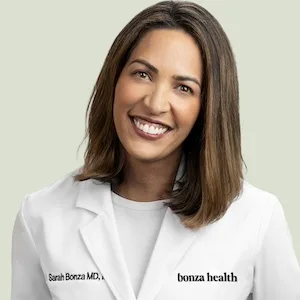
Dr. Bonza is a family physician who runs a small menopause and perimenopause practice in Upper Arlington, seeing women in person or by video. Care starts with a broad lab panel ordered before you meet, then a 50-minute visit to go through the results and build a plan. The one consultation fee covers a full year of follow-up, including text access to her through a patient portal, repeat labs and medication changes. She prescribes FDA-approved hormone therapy and also treats with testosterone, thyroid support and weight medication for women who qualify. She came to this work after her own symptoms in her 40s were brushed off by other doctors. She does not act as a primary care doctor, so you keep your own for everything else.
Dr. Moayedi is a Dallas OB/GYN who specializes in complex family planning and runs her own small practice. Her perimenopause and menopause care happens entirely by video, and she reviews your history and explains the science behind the treatment plan. Between visits you can text her directly with questions. Most patients need one or two follow-up visits to adjust doses, then a yearly visit to keep refills going. Prescriptions go to whatever pharmacy you choose. The practice doesn't take insurance, but it works with nonprofit funds to help Texas patients cover visit costs.
Dr. Allison runs a small telemedicine practice for women in perimenopause and menopause. She spent 14 years as an emergency physician before moving into midlife women's care. She prescribes FDA approved hormone therapy and testosterone, and offers non-hormonal medicines for women who can't or won't take hormones. New patients fill out long history forms first, then have a 75 minute first visit and a short check-in two weeks later. She also covers bone health, breast cancer risk and prevention planning. She does not replace your primary care doctor or gynecologist, and she expects you to keep them.
Diana Kumar is a board certified OB-GYN who co-founded Gliss Wellness, a virtual practice built around perimenopause and menopause. All care happens by video and secure messaging, so there is no office to visit. A menopause visit runs about 30 minutes and ends with a plan and prescriptions for an initial three month period, followed by a check-in visit before refills continue for the rest of the year. She prescribes hormone therapy when it fits, can order labs and scans, and sends prescriptions to the patient's own pharmacy. She also sees women for weight counseling and for urgent gynecology problems handled through a short written form. Her stated areas of interest are PCOS, sexual dysfunction, bone health and longevity medicine.
Dr. Towolawi runs a direct primary care practice in Shoreline, but her primary care panel is full, so new menopause patients see her through a separate telehealth service. Visits are by video for women in the states she covers. Care starts with an hour-long first visit, and shorter follow-ups are booked as needed. She prescribes hormone therapy when it fits and pairs it with lifestyle medicine coaching on nutrition and supplements, with secure messaging between visits. She is also board certified in lifestyle medicine. She is perimenopausal herself and speaks openly about women, especially women of color, being dismissed when they raise their symptoms.
Dr. Tunson runs a virtual longevity medicine practice and spent about 14 years as an emergency physician before starting it. Women who want to focus only on hormones can buy a hormone package with labs, two hour-long visits and prescription management when it's indicated, or book a single hormone consultation. She also offers a test that estimates ovarian age and when menopause is likely to arrive. Her wider program is a multi-year plan built on extensive labs, genetics and imaging, and it is meant to sit alongside your regular primary care doctor rather than replace it. The practice is cash only and has opted out of Medicare, though Medicare patients are welcome to pay privately.
Jessica Yearwood spent nearly 20 years in community emergency medicine around Tacoma before opening this small menopause and midlife practice in Gig Harbor. She writes openly about going through perimenopause herself and about losing her mother to cancer young, and says both shaped how she runs visits. The practice is consultative, so she will not take over primary care or gynecology and expects patients to keep those clinicians for screenings and chronic conditions. First visits run 75 minutes, she reads your intake forms and existing labs beforehand, and she starts treatment at that visit when it fits. She prescribes estrogen, progesterone and testosterone, reaches for FDA approved products first, and will consider compounded hormones when there is a reason to. After that you can do a single consult, book follow-ups as needed, or buy a 12 month package that bundles visits with secure messaging, either in the Gig Harbor office or by video anywhere in Washington.
Dr. Carol runs a small concierge practice for women in perimenopause and menopause, and she is going through midlife herself. She spent about 20 years as an emergency physician before turning to menopause care. Care starts with a free 30-minute video call. After that comes a package of two long visits, each 60 to 90 minutes, and you can message her between and after them. Visits can be at her Manhattan office, by video, or at your home or workplace. The visits look at symptom treatment along with bone, heart and breast cancer risk. She does not replace your own doctors, so you still need a primary care doctor and a gynecologist for exams and mammograms.
ThriveWellMD is a telehealth practice run by Dr. Nicole Perrotte, an internal medicine physician with added training in lifestyle and obesity medicine who is also a certified health coach. Care starts with a two-part video assessment, with a 60-minute intake, a full lab panel and then a second 60-minute visit to go over the results and a written plan. Patients then move into monthly phases for hormones, metabolism and weight, or sexual health, with app messaging between visits. The hormone phase includes bioidentical hormone therapy made by outside compounding pharmacies. She built the practice after her own burnout, fatigue and weight gain, and it does not replace a primary care doctor.
Dr. O'Sullivan is a family physician who runs a video-only menopause practice for women in Oregon and Washington. Care comes as a six-month program with a 60-minute first visit and four 30-minute follow-ups, paid monthly, with no extra charge for messaging. After that you can add another six months or come back once a year, and anyone on testosterone must have a video visit and labs every six months. She mostly prescribes FDA-approved hormones and uses compounded ones only for a medical reason. She sees many breast cancer survivors and will work with their oncology team. You still need your own primary care doctor or gynecologist, and she also co-hosts the menopause podcast The Dusty Muffins.
Dr. Bernstein runs a small self-pay practice in Frisco devoted only to menopause, perimenopause and midlife sexual health. She spent more than 25 years as an OB/GYN in Summit and Eagle counties before opening it. Care starts with a free 15 minute phone call, then either a single one-hour visit or a six-month plan with monthly follow-ups and unlimited portal messaging, in person or by video. She often prescribes bioidentical hormones but will not use pellets because the dose cannot be adjusted, and she offers non-hormonal options for women who can't or won't take hormones. Sexual health is a real focus, with a separate consultation for painful sex, low libido and vaginal or urinary symptoms. She works alongside your regular gynecologist rather than replacing it, so Pap tests and mammograms stay with them.
A solo direct-pay practice in Lone Tree whose stated scope is dermatology, cosmetic procedures and medically supervised weight management. The physician is board certified in dermatology and obesity medicine. Every initial visit is by video, with in-person follow-ups by appointment, and the practice does not bill insurance. Hormone replacement therapy is named only as one reason for a new-patient visit on the fee schedule, and no hormone or menopause care is described anywhere else on the site.
Dr. Steinberg spent more than two decades as a Seattle area gynecologist before leaving her previous practice in 2024 to open her own, centered on hormones, perimenopause and menopause. She does not work with insurance, which she says lets her give each patient more of her time. New patients start with an hour-long visit, by video or in person at an office in Bothell, and shorter follow-ups come after labs or starting treatment. Patients who would rather not pay per visit can choose one yearly fee that covers all visits. She also looks after bone health, heart disease prevention and bladder problems, but no longer does surgery and refers out for it.
A physician-led longevity and performance practice based in Seattle, where the practitioner is medical director. Care begins with an in-person day in the Seattle area for baseline diagnostics, covering over a hundred biomarkers, body composition, cardiorespiratory fitness, continuous glucose monitoring, genomics and multi-cancer screening. It then moves to quarterly labs and structured medical reviews, with follow-ups virtual or in person. A women's track is described for perimenopause, menopause and after, with hormone and metabolic diagnostics and ongoing telehealth support, and physicians provide prescriptions and referrals as clinically appropriate.
Concierge Medicine of Westlake is Dr. Fiffick's own practice. She keeps the patient panel small and runs it on annual memberships rather than billing insurance. The women's health membership covers non-obstetric care through midlife, with perimenopause and menopause symptom management alongside bone health, cardiovascular risk and urogenital health, and it includes hormone prescription management when she judges it appropriate. Members get 30 or 60 minute visits, same or next day openings, and her direct phone, text and email, and virtual visits are offered as a supplement with prior approval when an exam is not needed. She came to women's health through family medicine after being told early on that the only route was OB-GYN, then spent two years in the Cleveland Clinic's Specialized Women's Health fellowship. As an osteopathic physician she also does hands-on manipulative treatment, which patients can buy as its own membership or one visit at a time.
Gliss Wellness is a virtual-only OB/GYN practice Dr. Walsh co-founded with a second board-certified OB/GYN, and menopause care is its main focus. Care starts with a 30-minute video consultation about your symptoms, and if hormone therapy suits you, you leave with prescriptions for the first three months. A follow-up at three months keeps refills going for the rest of the year, and refills in between happen by message through the patient portal. There is no membership, and you fill prescriptions at your own pharmacy. The doctors can't examine you in person but can order labs and other tests. Dr. Walsh's own interests include pelvic pain, endometriosis, fibroids and weight loss, and a free 15-minute call lets you meet the team before booking.
Cascade Functional Medicine is the Vancouver practice her father started in 1988, and she joined it in 2008 as his youngest daughter. She leads the functional medicine side, where hormone problems get worked up alongside gut health, micronutrient status and metabolism rather than on their own. Hormone testing here leans on dried urine panels instead of blood, because she wants to see cortisol across the whole day and how estrogen is broken down. When hormones are indicated she has them made by sterile compounding pharmacies, and she runs a supervised weight loss program that tracks body composition so patients on GLP-1 medication keep their muscle. The same office also does aesthetics, FAA flight physicals and immigration exams, so it is a small general practice rather than a menopause-only clinic. Refills need an office visit, the office will not take refill requests from a pharmacy, and a card is kept on file for late cancellations.
Dr. Dombo is a board-certified OB-GYN who is going through the menopausal transition herself. She says starting hormone therapy and changing her nutrition and supplements took her from exhaustion and poor sleep back to enjoying life, and that is why she does this work. She trained in the early 2000s, when hormone therapy was widely feared, and now calls it the gold standard for symptom relief. The first visit runs 60 minutes and covers medical and gynecologic history, medications, nutrition and exercise, then a personal treatment plan. The visit also lists a nutritionist assessment, an exercise plan and mindset coaching, and follow-ups run 25 minutes. She writes publicly about why menopause hits Black women harder and how often they face barriers to care.
Takes Aetna, Blue Cross Blue Shield +2 · $230 per visit
Dr. Farook is a family physician who started this small Edmonds primary care practice in 2023 with a physician assistant. She sees patients of all ages and names women's health and menopause among the areas she cares most about. She is also board certified in obesity medicine and certified in psychiatry and addiction medicine, which is an unusual mix for a family doctor. The practice bills insurance, offers telehealth and same-day visits, and does procedures like IUD insertion and endometrial biopsy in the office. The site has no separate menopause program, so this care happens through regular office visits.