516 practitioners have an office in California, and 125 more can see patients here by telehealth. 388 of them are certified by the Menopause Society, and the most are in San Francisco, Newport Beach and San Diego.
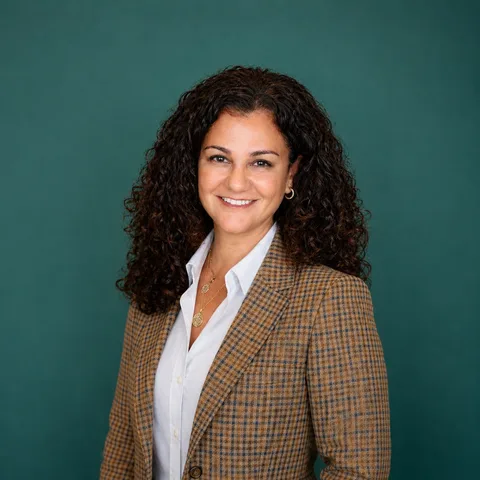
Radiant Women's Health is a small concierge practice in Menlo Park where Dr. Kassis is the gynecologist. Care runs on a membership, so the fee covers her visits and members can call, text or email her directly. New members start with a free consultation, then a long intake visit with lab work, then ongoing appointments in the office or by video. She trained in obstetrics and gynecology at Stanford and later spent eight years at a county hospital doing high volume surgery and obstetrics. When she joined Palo Alto Medical Foundation in 2019 she trained under a longtime menopause specialist who handed over her practice on retiring, and she began having perimenopause symptoms herself around the same time. She has taken extra coursework on hormone therapy for breast cancer survivors, and the practice keeps a dietitian and a pelvic floor physical therapist in house.
Dr. Eilber is a urogynecologist and pelvic surgeon who runs a small membership practice in Beverly Hills, with menopause care as one part of it. She suits women whose midlife symptoms include leaking, urgency, recurrent UTIs, prolapse or painful sex, because she treats the bladder and pelvic floor side herself. She prescribes hormone therapy and non-hormonal options, and checks bone health with density screening in the office. Membership starts with a long annual exam and covers up to five follow-up visits a year, in person or by video. Up to three energy-based vaginal treatments such as Morpheus8V are included each year. New patients start with a call with a membership advisor.
Dr. Lane is a urogynecologist who leads gynecology and menopause care at The Practice Healthcare, a Beverly Hills practice best known for plastic surgery and a medspa. Bladder leaks, prolapse and painful sex are at the center of her work, and she treats them alongside hot flashes and other menopause symptoms. She prescribes standard and bioidentical hormone therapy and vaginal estrogen, and testosterone for low libido when it is indicated. For women who have had cancer, she gives hormone guidance when the usual options are off the table and works with their oncology team. Care starts with a consultation that reviews your history and goals, and surgery is rarely her first recommendation.
Sharon Orrange is a primary care internist with Keck Signature Care, the concierge medicine program of Keck Medicine of USC, and she sees patients at its Beverly Hills office. Menopause hormone therapy is one of her research subjects, along with GLP-1 drugs, prediabetes and metabolic syndrome. Care splits between annual wellness visits, which cover screening and risk counseling, and primary care visits for chronic conditions and immediate problems. She is a diplomate of the American Board of Obesity Medicine, so weight and metabolic health sit inside her everyday practice rather than in a separate program. The Beverly Hills office keeps weekday daytime hours and offers telehealth appointments. She also studies telemedicine in primary care and how drug prices affect whether patients keep taking their medicines, which is an unusual thing for a working primary care doctor to spend time on.
Dr. Oberman co-directs UCLA Health's Comprehensive Menopause Program, where she leads its education work, and she also keeps a general obstetrics and gynecology practice at the Westwood OBGYN office. New patients fill out a health questionnaire before the first visit that takes 30 to 45 minutes and is due a week ahead, so the consultation itself can go straight to symptoms and treatment. The first visit also screens bone, breast, cognition, heart, mood, sleep and genitourinary health, and anything needing a specialist is handed to another UCLA clinician rather than managed in the menopause clinic. Hormone therapy is offered alongside non-hormonal options such as gabapentin and fezolinetant, and the program schedules a yearly health assessment after that. Outside menopause she has a particular interest in women planning a trial of labor after a cesarean, and she was the lead gynecologist on UCLA trials using estriol in multiple sclerosis.
Beth Servaites runs a small solo menopause practice on the Palos Verdes Peninsula for women in perimenopause and menopause. She spent years as a nurse in emergency departments and ICUs, and says watching women's symptoms get brushed off there is what led her to menopause care. New patients start with a detailed intake covering history, symptoms, medications and labs, followed by regular follow-up visits. She prescribes estrogen and progesterone, adds testosterone where it fits, and walks through both bioidentical and conventional options. Her style centers on explaining the research, including its limits, and leaving the final choice to the patient.
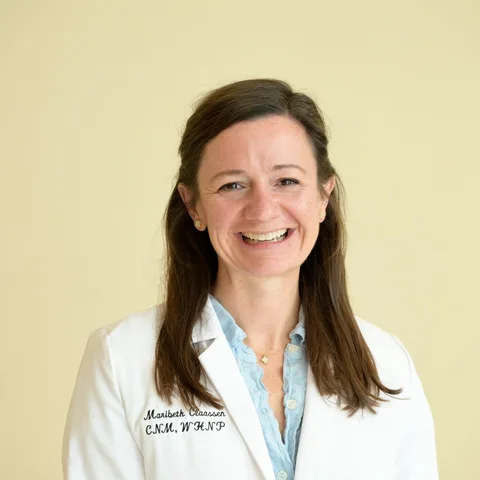
A three-provider Ob/Gyn clinic in Santa Barbara, part of Cottage Medical Group. Care runs from pregnancy and birth through gynecology, and the clinic names individualized menopause care as something its whole team is trained in. Her own bio on the clinic page says she is a certified menopause specialist too, so the menopause work is hers and not only a colleague's. She goes by Maribeth on the clinic site rather than Mary, which is worth knowing before you call. She came to midwifery from the NICU and has been attending births for about 15 years. Visits are booked by phone during weekday office hours, and the clinic says all of its providers are taking new patients.
Dr. Semby is a naturopathic doctor who works mostly with midlife women and with women worried about their long-term brain health, including those with dementia in the family. She came to medicine in her 40s after a career in finance, and she went through menopause and breast cancer herself. She says hormone therapy is one part of menopause care and not the whole of it, and she treats it as an individual decision. She is open to discussing hormones for women whose history makes the decision harder, such as breast cancer or heart disease. Care runs as a six-month program with eight physician visits and direct messaging between visits, or as a one-time baseline assessment with labs. She sees patients at her Carlsbad office or by video.
Dr. Harris is a gynecologist who runs a small concierge-style practice in Newport Beach centered on bioidentical hormones. She is a strong believer in hormone pellets and has used them for more than twenty years, though she also offers other bioidentical options. Care starts with a one-on-one consultation and hormone testing. The practice also runs a weight program built around GLP-1 medication alongside hormone balance. It treats men as well as women and offers aesthetic and PRP procedures, so hormones are one part of a wider anti-aging menu.
Dr. Harris is a gynecologist who has cared for women in the Inland Empire since 1990 and opened this practice in 2015 after years in large multi-specialty groups. She left that setting because visits felt rushed, and her own practice is built around longer first visits where she listens and explains. Hormone care leans heavily on bioidentical options. She uses SottoPelle pellets placed in the office and also prescribes creams, troches, suppositories and vaginal treatments. Your first hormone visit is in person in Corona, and qualifying follow-ups can be done by video. She also sees hormone patients and places pellets at a smaller satellite office in Indian Wells, and she treats men's hormones too.
Dr. Gill runs a physician-led practice in Lodi that combines primary care, integrative medicine and a large aesthetic menu. She sees women in perimenopause and menopause and prescribes and monitors hormone therapy, including estrogen, progesterone and testosterone. Hormones come as creams, gels and patches, and she also places hormone pellets in the office. She often looks at hormones, metabolism and skin together, and many patients come to her for a second or third opinion. The office also offers vaginal laser treatment and medically supervised weight loss for women who want help with those alongside hormones.
Sarah Shealy is a nurse-midwife who runs a small telehealth-only menopause practice for women in California and Utah. The first visit runs 90 minutes and later visits are usually an hour, and she expects most women to need three or four full visits to settle on a hormone plan. Anyone who continues on hormone therapy must join her membership, which includes messaging between visits. She prescribes standard and compounded hormone therapy, including testosterone, and often sees women who were refused hormones elsewhere or who want to come off pellets. It is a consulting practice, so you keep your own primary care provider. New patients currently join a waitlist by email or through the booking link.
Dr. Fandel runs a small naturopathic office in Pacifica focused on women in perimenopause and menopause. Care starts with a long new patient visit and blood work, and follow ups can be in the office or over Zoom. She prescribes bioidentical estrogen, progesterone and testosterone and sees patients often early on to adjust the dose. Her plans usually pair hormones with herbs, supplements and diet changes, and she also treats thyroid problems and prescribes weight loss medication. A large part of the practice is aesthetics, including PRP, microneedling and hair restoration. You can book a free 15 minute phone call before committing to a visit.
Dr. Tracy is a naturopathic doctor who has focused on perimenopause and menopause for about twenty years. She sees patients only by video. She can prescribe hormone therapy only for women living in California. Care is sold as a six-month program with monthly one-on-one visits and messaging, or a shorter lab-and-plan option for women who want to carry it out on their own. She starts with labs, nutrition, supplements and herbs, and says hormones are not the starting point. When she does prescribe, she uses FDA-regulated bioidentical hormones at the lowest effective dose, prefers patches and creams over pills, and brings up hormone therapy at the second visit when labs are reviewed.
Pamela Neff is an OB/GYN at T.H.E. Health and Wellness Centers, a federally funded community clinic group with five health centers around south Los Angeles that has been seeing patients since 1974. The clinic takes people regardless of ability to pay or immigration status, and its own pages cover gynecology, family planning and prenatal care rather than menopause. Her menopause practice is published through Gennev, a virtual menopause service where she sees California, New Jersey and Pennsylvania patients by video. She names perimenopause, menopause, premature ovarian insufficiency and breast cancer risk or survivorship among what she handles. Before Los Angeles she practiced nearly twenty years in Philadelphia, doing minimally invasive surgery and training OB/GYN residents. She says she listens first to what a patient has already been through with health care, then works out a plan with her.
Dr. Pravdin is an OB-GYN who sees women in perimenopause and menopause. She also treats sexual health concerns such as low desire, painful sex and vaginismus. Visits are in person at a clinic in Redwood City or online for patients who live in California. Treatment can include hormonal and non-hormonal options, supplements, diet and lifestyle changes, and cognitive behavioral therapy. She schedules regular follow-ups and adjusts the plan as needed. She is fluent in Russian and conversant in French and Spanish.
Gina Woods is an endocrinologist at UC San Diego Health and directs the system's osteoporosis program. UC San Diego Health lists her among the specialists in its menopause health program, where her named role is bone health. Her own provider page names that program next to osteoporosis and metabolic bone disease. Bone is the center of her practice, so the midlife patient she sees most is one worried about fracture risk or a falling bone density score. She works out of the Perlman Medical Offices in La Jolla, and care runs the way it does at any large academic system, with new patients registering before a first visit and messages and records going through the patient portal. She teaches as well, as associate program director of the endocrinology fellowship and medical director of UC San Diego's bone densitometry course for other clinicians.
Michelle Dahle runs a small solo menopause practice in Palos Verdes Estates and also sees patients by video. Care starts with a consultation covering history, lifestyle and symptoms, then a follow-up three to six weeks later to adjust treatment, then a yearly check-in that looks at bone and heart health. She prescribes estrogen and progesterone in several forms, low-dose testosterone for low libido, and non-hormonal medicines for women who can't or don't want to use hormones. Her site argues that age alone shouldn't rule out hormone therapy after 60. She also offers an estriol face cream for midlife skin changes. Her background before nursing was a psychology degree, and she says that shapes how she thinks about mood and menopause.
Ann Boss sees women in perimenopause and menopause at an office in Torrance and by video. Care comes as three yearly programs that differ mainly in how often you see her, from four visits a year with ongoing messaging to two visits with limited messaging. She prescribes hormone therapy and testosterone, and she also manages GLP-1 medication for weight. She specifically helps women move off hormone pellets onto FDA-approved hormone therapy. Her video visits run through the Heather Hirsch Collaborative, and she teaches seasonal Menopause 101 classes through Torrance Memorial. New patients start with the booking form on her site, and a scheduler follows up.
Fair Oaks Women's Health is an eight-physician OB-GYN group in the Huntington Pavilion beside Huntington Hospital, and it became part of Huntington Health and Cedars-Sinai in 2023. Jick is its medical director. He joined in 1989 and ran it as the solo doctor before it grew into today's group, and he is the only clinician the team page tags as a Menopause Society Certified Practitioner. Hormone consultations are arranged by calling the office and can be done by video or in person. He also performs the Valayza vaginal laser for dryness and painful sex after menopause, which the practice lists under his name. New gynecology patients print a forms packet and send it back ahead of the first visit, and the practice keeps a menopause resources page he writes in his own voice.
Wendy Ronco is a nurse practitioner at a large primary care practice in Exton, and her work there now centers mostly on menopause care. To see her you have to be a patient of the practice with one of its clinicians as your primary care provider. New patients can enroll with the practice and then book with her. She sees patients in the office and also does menopause visits by video on Tuesdays and Wednesdays, for patients who are in Pennsylvania at the time. She has spent her whole career in women's health and obstetrics and also handles gynecology such as Pap smears and IUDs. The practice's clinicians also run a free on-demand video series on menopause.
Dr. Carol runs a small concierge practice for women in perimenopause and menopause, and she is going through midlife herself. She spent about 20 years as an emergency physician before turning to menopause care. Care starts with a free 30-minute video call. After that comes a package of two long visits, each 60 to 90 minutes, and you can message her between and after them. Visits can be at her Manhattan office, by video, or at your home or workplace. The visits look at symptom treatment along with bone, heart and breast cancer risk. She does not replace your own doctors, so you still need a primary care doctor and a gynecologist for exams and mammograms.
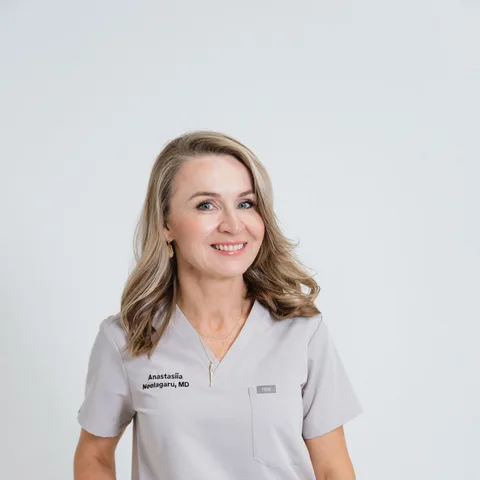
Dr. Neelagaru runs a virtual-only specialty clinic for menopause and sexual medicine. She no longer provides primary care, so patients keep their own doctor for routine care, physicals and pelvic exams. New patients start with a free video strategy call, and care runs through 60-minute video visits or her four-month Flourish Method program with labs and monthly follow-ups. She prescribes FDA-approved bioidentical estrogen, progesterone and testosterone, plus vaginal estrogen and non-hormonal options, and she does not place pellets but helps women move off them. Sexual health is at the center of her practice, and she also sees male partners for erectile dysfunction and low testosterone. She is perimenopausal herself and says her own hormonal changes shaped how she practices.
Concierge primary care for adults around Incline Village and North Lake Tahoe, run by a single internist who is a Menopause Society Certified Practitioner with a stated focus on women's health and menopause. A flat monthly membership covers unlimited office visits, direct messaging with the physician, annual exams and virtual visits, with home visits and same or next-day access also offered. Non-members can book a one-off urgent care visit or a paid introductory visit credited toward joining.