80 practitioners have an office in Missouri, and 56 more can see patients here by telehealth. 87 of them are certified by the Menopause Society, and the most are in Saint Louis, Kansas City and Chesterfield.
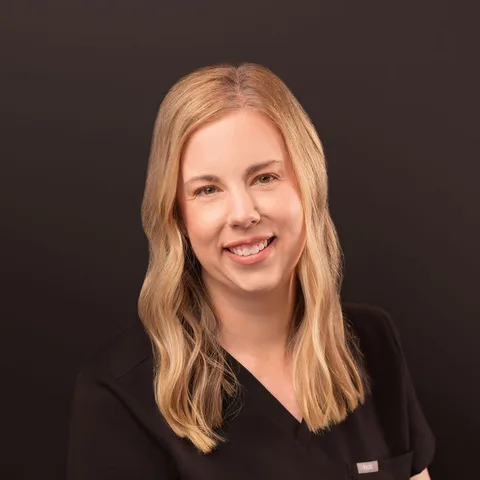
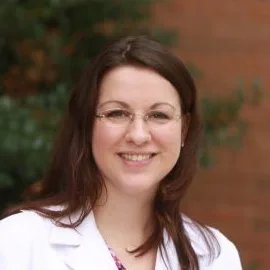
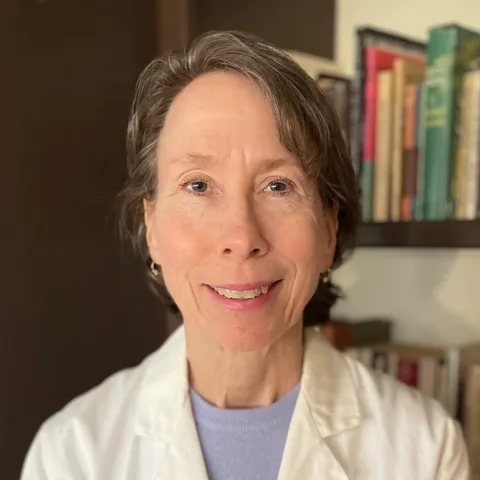
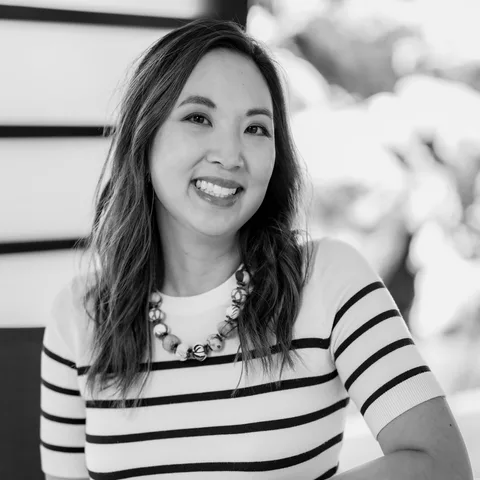
Curated Medicine is a small direct-pay family medicine practice in Columbia, and Dr. Calhoun is the only clinician. Perimenopause and menopause care sits alongside general primary care and a real focus on POTS and dysautonomia, which she lives with herself. Scheduled visits happen by secure video and are open only to patients who are in Missouri at the time of the visit. Members can message her between visits, and new patients can start with a free discovery call. Before opening the practice she spent more than a decade on the family medicine faculty at the University of Missouri.
Internal medicine · MD, MBA, FACP, MSCP, DipABOM, DipACLM
Accepting new patients
Saint Louis, MO · In person & virtual
Self-pay · first visit $100
Vitality Medical and Wellness Consulting is a concierge practice in west St. Louis County where Dr. Loden Tiffany works with two nurse practitioners and board-certified health coaches. Care runs on membership, and you start with a video consultation with her to see whether the practice is a fit before picking a plan. The practice says it limits how many patients it takes so visits can run long. Every membership is built around a yearly assessment she designed, with an ECG, body composition and resting metabolic rate testing, grip strength, labs and a one-on-one strategy session with her. She came to menopause care from internal medicine rather than gynecology and says that is the advantage, since she is watching cholesterol, glucose, thyroid and heart risk while she treats hormone symptoms. For perimenopause she starts with hormone testing and will prescribe hormone therapy when it fits, and members get virtual visits and direct messaging.
Takes Aetna, Blue Cross Blue Shield +4 · first visit $150
MyMenopauseRx is a virtual menopause practice founded by a gynecologist, and Krantz is one of about a dozen clinicians a patient can pick from. Visits are video appointments of about thirty minutes, and most patients come back every eight to twelve weeks until their symptoms settle. She prescribes FDA-approved estradiol and progesterone rather than compounded hormones, and the practice is clear that it works alongside a patient's own primary care doctor rather than replacing it. Testosterone is written only for patients located in Illinois, and everyone else gets the prescription from their own doctor while the practice manages the dosing. Krantz has practiced for more than thirty years in university, HMO, community health and telehealth settings, and she completed the integrative medicine fellowship at the University of Arizona with training in medical acupuncture. She works from Oregon and says she has aged alongside her patients, which is how menopause care became her emphasis.
Diana Kumar is a board certified OB-GYN who co-founded Gliss Wellness, a virtual practice built around perimenopause and menopause. All care happens by video and secure messaging, so there is no office to visit. A menopause visit runs about 30 minutes and ends with a plan and prescriptions for an initial three month period, followed by a check-in visit before refills continue for the rest of the year. She prescribes hormone therapy when it fits, can order labs and scans, and sends prescriptions to the patient's own pharmacy. She also sees women for weight counseling and for urgent gynecology problems handled through a short written form. Her stated areas of interest are PCOS, sexual dysfunction, bone health and longevity medicine.
A boutique gynecology practice in Springfield led by a board-certified gynecologist who is a Menopause Society Certified Practitioner, serving women across the lifespan with a stated focus on perimenopause, menopause and hormone therapy, plus sexual health, adolescent gynecology, infertility and postpartum care. Patients either join a monthly membership or pay per visit, with check-ins by office visit, video, phone, text or email and in-office procedures including ultrasound, colposcopy, endometrial biopsy, IUD placement and pessary fitting. The practice's patient writing is evidence-focused and cautions about high-dose testosterone, pellets and unregulated compounded products.
Kim Heifner runs a small virtual menopause practice and handles her own patient panel with no assistants. She spent 26 years in acute care, much of it in emergency medicine, before her own perimenopause pushed her into menopause care. Care is a concierge membership with a six-month minimum. It starts with an hour-long first visit and a follow-up about a month later to go over labs, then regular check-ins while doses are adjusted and quarterly visits once things are stable, with direct messaging in between. She pays close attention to heart and bone risk and also treats vaginal dryness, low desire and urinary leakage with hormonal and non-hormonal options. Women outside Missouri and Iowa can book a one-time education consult with her, but it comes without prescriptions.
Tonic Health Co. is a small virtual practice run by Tyler Johnson, who sees patients by video at home. The perimenopause and menopause visit covers problems like hot flashes, vaginal dryness and weight gain, and it comes with three months of prescriptions. After that, patients come back every three months for follow-up visits and refills. Weight loss care is included for existing hormone patients at no extra charge. Evening and weekend appointments are available, and a free 15 minute phone call lets you check whether it's a good fit. The practice also offers gender affirming care and says everyone is welcome.
Dr. Carol runs a small concierge practice for women in perimenopause and menopause, and she is going through midlife herself. She spent about 20 years as an emergency physician before turning to menopause care. Care starts with a free 30-minute video call. After that comes a package of two long visits, each 60 to 90 minutes, and you can message her between and after them. Visits can be at her Manhattan office, by video, or at your home or workplace. The visits look at symptom treatment along with bone, heart and breast cancer risk. She does not replace your own doctors, so you still need a primary care doctor and a gynecologist for exams and mammograms.
Dr. Towolawi runs a direct primary care practice in Shoreline, but her primary care panel is full, so new menopause patients see her through a separate telehealth service. Visits are by video for women in the states she covers. Care starts with an hour-long first visit, and shorter follow-ups are booked as needed. She prescribes hormone therapy when it fits and pairs it with lifestyle medicine coaching on nutrition and supplements, with secure messaging between visits. She is also board certified in lifestyle medicine. She is perimenopausal herself and speaks openly about women, especially women of color, being dismissed when they raise their symptoms.
Jackie Stone, MD sees women entirely by telehealth, in a practice she runs alone. She is board certified in obstetrics and gynecology and in obesity medicine, and treats perimenopause, menopause and primary ovarian insufficiency alongside PCOS, genitourinary symptoms, sexual wellness, and skin and hair changes. First visits run a full hour and cover past records, labs and a treatment plan. Ongoing care is by monthly membership or visit by visit, with direct messaging for members.
Kristen Loose is the menopause specialist at Dr. Gina Mantor's medical spa and weight clinic in Westerville, where the rest of the practice focuses on aesthetics and weight loss. She treats perimenopause and menopause with standard hormone therapy, and offers non-hormonal prescriptions and lifestyle advice to women who can't or would rather not take hormones. The first consultation is free and happens by video. After that she sees patients in the office on Wednesdays and Saturdays or by appointment. She follows Menopause Society guidance closely and writes on the clinic's site that soy and black cohosh don't hold up for hot flashes.
Tiffani Hughson is a certified nurse midwife at Maiden Lane Medical, a large multi-specialty practice in lower Manhattan. Her practice profile lists her as a telemedicine provider, so visits with her are virtual for patients in New York. She trained in full-scope obstetrics and gynecology and now focuses on perimenopause, menopause and women's sexual health. She manages hormone therapy alongside routine gynecologic care. The practice offers oral and transdermal hormone therapy, vaginal estrogen and DHEA, and non-hormonal medicines. Visits are booked online through the practice's 24/7 telemedicine scheduler.
Dr. Green runs a gynecology-only practice in the Northland of Kansas City, so her clinic days are never cut short by deliveries. She treats perimenopause and menopause with FDA-approved hormone therapy, including bioidentical options, and offers non-hormonal medicines for women who can't or don't want to take hormones. You can bring up hormone therapy at your first visit, but a Pap smear or pelvic exam is booked as a separate visit because of how insurance covers it. She also runs menopause group visits where you are welcome to bring a friend, and follow-ups and lab reviews can happen by video. She is a gynecologic surgeon too, so the same doctor can manage fibroids or a hysterectomy if it comes to that.
Therapy for Midlife is Dr. Rashkis's solo virtual practice, and every session runs over video. She works with women moving through perimenopause and menopause, and she also sees men in midlife and couples. Care is talk therapy only, and the FAQ says the practice does not prescribe medication, though she will discuss a referral to a prescribing physician and can speak with your own doctor if you give written permission. For menopause she uses cognitive behavioral therapy for the distress that comes with hot flashes and CBT for insomnia for sleep trouble, alongside acceptance and commitment therapy and emotionally focused therapy. Sessions are 50 minutes, usually weekly at first and then spaced further apart, and she says most clients need five to fifteen of them. She is a lifelong competitive athlete who says she went through her own midlife upheaval, which is what led her to start the practice.
Dana Johnson is a registered nurse who spent about 20 years in the ICU before founding Qavah Functional Wellness, a telehealth-only practice. She started it after her own Long COVID turned into autoimmune and gut problems and then a hard menopause transition. Hormone therapy is offered to Alabama residents only, while the lab and gut health services also reach a few other southern states. Each hormone plan starts with lab work and a consultation, and bioidentical hormones come as creams, gels, pills, troches or injections. Prescriptions are written by the practice's licensed providers rather than by Dana, who is a nurse. New patients start with an online consultation request, and the team calls back within one business day.
Hot Springs National Park, AR · In person & virtual
Self-pay · from $150/mo
Dr. Rice is a general and trauma surgeon who started this separate practice for women in perimenopause and menopause. She prescribes bioidentical hormones and also coaches patients on lifestyle. New patients start with a long first consultation, in person in Hot Springs or by video, and then have follow-up visits. Patients can message her through an app portal, and she runs a monthly group video call.
Amanda Metz works out of the O'Fallon office of Simply Wurth It, a nurse practitioner owned clinic with four locations around St. Louis. Her corner of the practice is women's health, and she came to it after nineteen years in the field and a doctorate from the University of Missouri St. Louis. New patients start with a free fifteen minute call with one of the clinic's nurses, who takes a history and matches them to a provider, and after that they book straight into her calendar. Hormone care here leans on Biote pellets, testosterone injections and peptide add ons, with hormone and thyroid panels run in house and prescriptions filled at the clinic's own pharmacy. Follow ups, lab reviews and medication changes can all be done by video anywhere in Missouri. The O'Fallon office is tucked inside a beauty and wellbeing studio and also offers pelvic floor strengthening sessions.
Dr. Long runs a newly opened direct primary care practice in Laguna Niguel. He is a board-certified family doctor with a fellowship in integrative medicine, so menopause care is one part of what he does for adults rather than the whole practice. Hormone therapy evaluation and ongoing dose changes come with the monthly membership, with no separate charge for those visits. He keeps his patient list small and says visits run 45 to 60 minutes, and members call or text him directly instead of going through a front desk. He is fluent in English and Spanish and has training in addiction medicine.
Gliss Wellness is a virtual-only OB/GYN practice Dr. Walsh co-founded with a second board-certified OB/GYN, and menopause care is its main focus. Care starts with a 30-minute video consultation about your symptoms, and if hormone therapy suits you, you leave with prescriptions for the first three months. A follow-up at three months keeps refills going for the rest of the year, and refills in between happen by message through the patient portal. There is no membership, and you fill prescriptions at your own pharmacy. The doctors can't examine you in person but can order labs and other tests. Dr. Walsh's own interests include pelvic pain, endometriosis, fibroids and weight loss, and a free 15-minute call lets you meet the team before booking.
Carrie Wieneke Broghammer is a general obstetrician gynecologist at The University of Kansas Health System, where she chairs the OB/GYN department. The department runs a midlife program called Menopause, Intimacy and Midlife Transition, and its menopause care includes hormone therapy. Her own profile describes the breadth of obstetrics and gynecology rather than a menopause-only practice. She came to KU in 2008 and started its minimally invasive gynecology program, so gynecologic surgery is a real part of her work. Her bio says she wants patients to understand their options and play a part in their own care, and she sees teens, adults and adults over 65. Visits are at two locations on the Kansas City campus, video visits are available, and a new patient starts by sending an appointment request and waiting for a scheduler to call back.