181 practitioners have an office in Ohio, and 84 more can see patients here by telehealth. 192 of them are certified by the Menopause Society, and the most are in Cincinnati, Columbus and Cleveland.
Dana Johnson is a registered nurse who spent about 20 years in the ICU before founding Qavah Functional Wellness, a telehealth-only practice. She started it after her own Long COVID turned into autoimmune and gut problems and then a hard menopause transition. Hormone therapy is offered to Alabama residents only, while the lab and gut health services also reach a few other southern states. Each hormone plan starts with lab work and a consultation, and bioidentical hormones come as creams, gels, pills, troches or injections. Prescriptions are written by the practice's licensed providers rather than by Dana, who is a nurse. New patients start with an online consultation request, and the team calls back within one business day.
Dr. Hertel runs a virtual-only practice focused on perimenopause, menopause and midlife care, with every visit held inside a secure patient portal. She is a family physician going through the menopause transition herself, and says that experience is what drew her to this work. She prescribes FDA-approved hormone therapy sent to your local pharmacy and does not use estrogen or testosterone pellets. The practice also offers medication-supported weight care and help with low libido and painful sex. It does not do Pap smears, pelvic exams or primary care, so you keep your own doctor and gynecologist for screenings. New patients start with a free 15-minute discovery call, and people outside her licensed states can book an educational visit that ends with a written plan but no prescriptions.
Optiml is a new practice in Winter Park run by Amber Braithwaite, a nurse practitioner, and it opens in December 2026. It will offer hormone therapy, metabolic care and what it calls healthspan medicine, aimed at people who were told their labs were normal but still don't feel right. Until it opens, the only way in is a waitlist form on its website, and the practice says it will contact people as places open up. Its full website, including prices and details of how care works, is not live yet.
Dr. Bernstein runs a small self-pay practice in Frisco devoted only to menopause, perimenopause and midlife sexual health. She spent more than 25 years as an OB/GYN in Summit and Eagle counties before opening it. Care starts with a free 15 minute phone call, then either a single one-hour visit or a six-month plan with monthly follow-ups and unlimited portal messaging, in person or by video. She often prescribes bioidentical hormones but will not use pellets because the dose cannot be adjusted, and she offers non-hormonal options for women who can't or won't take hormones. Sexual health is a real focus, with a separate consultation for painful sex, low libido and vaginal or urinary symptoms. She works alongside your regular gynecologist rather than replacing it, so Pap tests and mammograms stay with them.
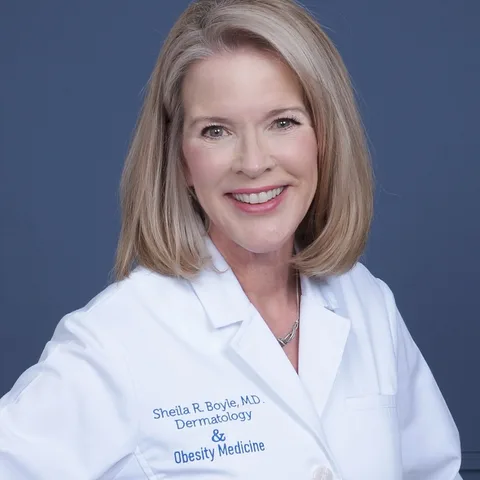
A solo direct-pay practice in Lone Tree whose stated scope is dermatology, cosmetic procedures and medically supervised weight management. The physician is board certified in dermatology and obesity medicine. Every initial visit is by video, with in-person follow-ups by appointment, and the practice does not bill insurance. Hormone replacement therapy is named only as one reason for a new-patient visit on the fee schedule, and no hormone or menopause care is described anywhere else on the site.
Concierge Medicine of Westlake is Dr. Fiffick's own practice. She keeps the patient panel small and runs it on annual memberships rather than billing insurance. The women's health membership covers non-obstetric care through midlife, with perimenopause and menopause symptom management alongside bone health, cardiovascular risk and urogenital health, and it includes hormone prescription management when she judges it appropriate. Members get 30 or 60 minute visits, same or next day openings, and her direct phone, text and email, and virtual visits are offered as a supplement with prior approval when an exam is not needed. She came to women's health through family medicine after being told early on that the only route was OB-GYN, then spent two years in the Cleveland Clinic's Specialized Women's Health fellowship. As an osteopathic physician she also does hands-on manipulative treatment, which patients can buy as its own membership or one visit at a time.
IntimMedicine Specialists is a small Washington DC practice that Dr. Simon founded and still runs as medical director, with two physician assistants who have worked with him since the 1990s. He treats women across the whole reproductive span, and the midlife side of the practice covers menopause and perimenopause, low testosterone, bone loss, sexual pain and sexual function after cancer. His approach to hormones is to balance estrogen, progesterone and testosterone, and the practice says most women can use hormone therapy with few risks. For testosterone he will use gels, injections or pellets, and he says he does not treat on lab values alone. Visits happen in the M Street office or by video, and virtual appointments are offered on Saturday mornings as well as weekdays. New patients submit a form or call and the office rings back to finish booking, and because the practice runs its own clinical trials some patients are offered a place in a study.
Gliss Wellness is a virtual-only OB/GYN practice Dr. Walsh co-founded with a second board-certified OB/GYN, and menopause care is its main focus. Care starts with a 30-minute video consultation about your symptoms, and if hormone therapy suits you, you leave with prescriptions for the first three months. A follow-up at three months keeps refills going for the rest of the year, and refills in between happen by message through the patient portal. There is no membership, and you fill prescriptions at your own pharmacy. The doctors can't examine you in person but can order labs and other tests. Dr. Walsh's own interests include pelvic pain, endometriosis, fibroids and weight loss, and a free 15-minute call lets you meet the team before booking.
Takes Aetna, Blue Cross Blue Shield +2 · first visit $250
Jennifer Soper is a women's health nurse practitioner who sees patients by video through Midi Health, a national virtual menopause practice. She spent 25 years as a labor and delivery nurse before becoming a nurse practitioner. She says estrogen therapy changed her own life when hot flashes started at 50, and that is why she moved into menopause care. Visits are billed to insurance or paid per visit, with no subscription. You can ask for her by name through the Book a Visit with Me link on her Midi page, though that can mean fewer open times than booking with any clinician.
Stephanie Hawkins sees patients through Midi Health, a national virtual clinic for perimenopause and menopause. Every visit is by video, and Midi's site names her on its clinician list with her own bio. She has been a nurse since 1992 and a nurse practitioner since 1996, and she is certified in both family practice and women's health. She became a Certified Menopause Practitioner because she saw midlife as one of the hardest stretches in women's lives. Midi starts with a half-hour first visit and books short follow-ups as often as needed. Care plans can include hormone and non-hormone prescriptions, labs, and weight medication, and video visits have to happen while you are in your home state.
Far Hills OB/GYN is a seven-physician group with two offices on Far Hills Avenue in Washington Township, south of Dayton. The practice runs pregnancy care and general gynecology side by side, and its service list includes menopausal evaluation and treatment along with counseling on hormone options. Kennebeck joined the group in 2005, after medical school at the Uniformed Services University and a residency based at Travis Air Force Base in California. Care is in person, with the practice's own lab for blood draws and ultrasound done in the office, and new patients fill in registration and history forms before a first visit. For vaginal and urinary changes after menopause the office offers the MonaLisa Touch laser, done over three sessions with a yearly maintenance treatment. Patients quoted on the practice's own site mention seeing her for ten years or more.
Dr. Dombo is a board-certified OB-GYN who is going through the menopausal transition herself. She says starting hormone therapy and changing her nutrition and supplements took her from exhaustion and poor sleep back to enjoying life, and that is why she does this work. She trained in the early 2000s, when hormone therapy was widely feared, and now calls it the gold standard for symptom relief. The first visit runs 60 minutes and covers medical and gynecologic history, medications, nutrition and exercise, then a personal treatment plan. The visit also lists a nutritionist assessment, an exercise plan and mindset coaching, and follow-ups run 25 minutes. She writes publicly about why menopause hits Black women harder and how often they face barriers to care.
Rhonda Gottmann is a women's health nurse practitioner certified by the Menopause Society. Her listing points to Midi Health, a virtual menopause clinic that sees patients by video only and refers out for anything needing an in person exam. Her registry record lists five Midi locations across New York, Kentucky, Florida, Ohio and Arizona, all sharing the company's single phone line. Midi does not currently name her anywhere on its site. Her bio page there returns a not found error and she is absent from the clinician directory, and no other current practice could be found for her.