187 practitioners have an office in Washington, and 111 more can see patients here by telehealth. 192 of them are certified by the Menopause Society, and the most are in Seattle, Vancouver and Olympia.
Women's health · ARNP, CNM, WHNP-BC, IBCLC, MSCP, MSN
Accepting new patients
Mount Vernon, WA · In person & virtual
Membership
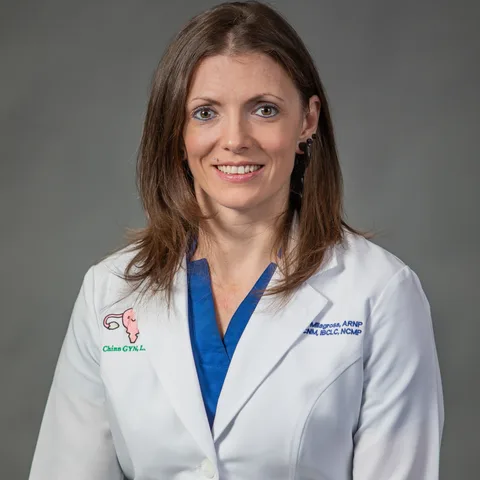
Morghan Milagrosa is a women's health nurse practitioner and nurse midwife at Chinn GYN, a small all-female practice in Mount Vernon run with gynecologic surgeon Dr. Melissa Chinn. She treats menopause as part of whole-body primary and gynecologic care, prescribing hormone therapy in many forms and adjusting the dose over follow-up visits. New patients start with a single exploratory visit to meet her, and ongoing medical care then requires the practice's concierge membership. The practice does not bill insurance, but it gives patients the paperwork to seek reimbursement themselves. Her bio says she also focuses on obesity, disordered eating and substance use, and she has taught in university programs in three states. Video visits are available for some appointments, and established patients can reach a provider after hours.
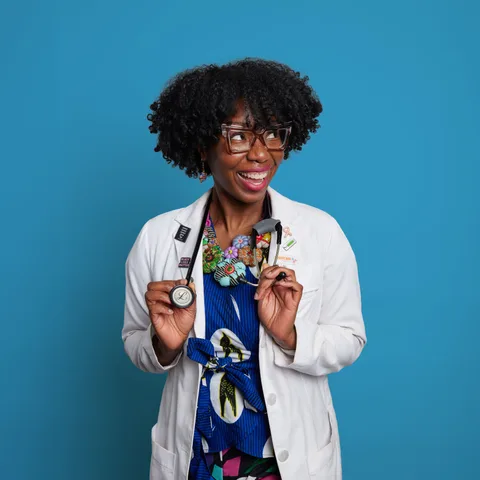
Dr. Towolawi runs a direct primary care practice in Shoreline, but her primary care panel is full, so new menopause patients see her through a separate telehealth service. Visits are by video for women in the states she covers. Care starts with an hour-long first visit, and shorter follow-ups are booked as needed. She prescribes hormone therapy when it fits and pairs it with lifestyle medicine coaching on nutrition and supplements, with secure messaging between visits. She is also board certified in lifestyle medicine. She is perimenopausal herself and speaks openly about women, especially women of color, being dismissed when they raise their symptoms.
Dr. Parker is a naturopathic physician in Bellevue who has focused on hormone therapy for women in perimenopause and menopause for about ten years. Many women come to her for a second or third opinion on a hormone plan that isn't working. She prescribes bioidentical hormones with a strong preference for FDA-approved products, and she won't use pellets but does help women recovering from pellets given elsewhere. Her visits happen by video for patients in Washington, and new patients stop by the clinic so staff can take vitals and body composition, with in-person visits also offered in Friday Harbor. She is not a primary care doctor and wants every patient to keep one. New patients currently join a waitlist, with openings listed for spring 2027.
Dr. Tunson runs a virtual longevity medicine practice and spent about 14 years as an emergency physician before starting it. Women who want to focus only on hormones can buy a hormone package with labs, two hour-long visits and prescription management when it's indicated, or book a single hormone consultation. She also offers a test that estimates ovarian age and when menopause is likely to arrive. Her wider program is a multi-year plan built on extensive labs, genetics and imaging, and it is meant to sit alongside your regular primary care doctor rather than replace it. The practice is cash only and has opted out of Medicare, though Medicare patients are welcome to pay privately.
Jessica Yearwood spent nearly 20 years in community emergency medicine around Tacoma before opening this small menopause and midlife practice in Gig Harbor. She writes openly about going through perimenopause herself and about losing her mother to cancer young, and says both shaped how she runs visits. The practice is consultative, so she will not take over primary care or gynecology and expects patients to keep those clinicians for screenings and chronic conditions. First visits run 75 minutes, she reads your intake forms and existing labs beforehand, and she starts treatment at that visit when it fits. She prescribes estrogen, progesterone and testosterone, reaches for FDA approved products first, and will consider compounded hormones when there is a reason to. After that you can do a single consult, book follow-ups as needed, or buy a 12 month package that bundles visits with secure messaging, either in the Gig Harbor office or by video anywhere in Washington.
Suzette Widdison Iverson is a physician assistant who runs her own practice for women in midlife, with menopause care and medical weight loss as its two main services. First visits run up to an hour, and she orders labs first when they would help. She prefers FDA-approved bioidentical hormones, uses compounded formulas only in select cases, and does not use pellets. Visits are by telehealth in Washington and Utah, with in-person visits at her office in downtown Gig Harbor.
Takes Blue Cross Blue Shield, Cigna +1 · from $29/mo
Dr. McManus is a naturopathic physician at Health Moves, a clinic of several naturopathic doctors in Woodinville. Her stated focus is women's health, perimenopause and menopause, and hormone management. She also works with Hashimoto's and other autoimmune thyroid problems, which often show up alongside midlife symptoms. New patients can book an hour-long first visit online, either at the office or by video. The clinic bills insurance for visits and adds a small administrative fee that covers messaging with the care team between appointments. The clinic website calls her Tina, while the booking calendar lists her as Christine.
Lumina is a West Seattle clinic that mixes vascular care, lasers and skin work with a menopause program. Stacy sees menopause patients virtually and starts everyone with a short free phone call before the paid intake, which covers two or three visits, a full history and symptom review, and referrals for labs and diagnostic testing. That intake ends with a hormone therapy plan, and later follow ups by video or phone are included at no extra charge. She has been a labor and delivery nurse at a Washington hospital since 2005 and says her own perimenopause is what pushed her into midlife care. She is a registered nurse rather than a prescriber, and the clinic owner, a nurse practitioner, is the other certified menopause provider on the team. The menopause page spends most of its space arguing that the early reading of the Women's Health Initiative was wrong and that hormone therapy works best started early.
Kate Behning runs a solo gynecology practice in downtown Seattle that she opened after leaving a healthcare corporation over its limits on abortion care. She has held Menopause Society certification since 2013 and follows its guidance closely, so she prescribes standard hormone therapy but not compounded hormones or pellets. Visits happen in her office or virtually by video, phone or portal message. She is not a primary care provider and asks patients to keep one for non-gynecologic care and routine screening labs. A longer menopause consultation can be added to an annual exam but is billed as a separate visit. She describes her style as plain explanations with no upselling of trendy hormone treatments.
A solo women's health nurse practitioner practice in Vancouver seeing patients across Washington and Oregon, with particular depth in perimenopause and menopause, sexual medicine and vulvar dermatology. Care runs on a monthly membership with a three-month minimum. The first visit lasts 90 minutes and can be in person or virtual, later visits run an hour, and you can message her in between. The practice is notably consent-forward about examinations, asking for verbal consent at each step and offering a chaperone, a partial exam or none at all, and does in-office microscopy and vulvar biopsy.
Dr. Hanan founded Prevail Wellness Center and is both a naturopathic physician and an acupuncturist, so some patients get acupuncture as part of their care. The clinic centers on perimenopause and menopause, and it also treats thyroid problems and midlife weight change. The first visit is a long conversation about symptoms and history, with labs ordered only when they will help, and you leave with a clear plan. She prefers FDA approved hormones and uses a compounding pharmacy when a patient needs a dose or form those products don't offer. Before opening the clinic she worked as a primary care doctor in integrative clinics. New patients can book online, and visits can be done by video for anyone living in Washington or Oregon.
Nefertari McClarity is a family nurse practitioner who runs a small virtual clinic for women in perimenopause and menopause. All visits are by video. Care starts with a long first visit and labs, then a second visit to go over results and set a plan. She prescribes hormone therapy including testosterone, offers non-hormonal options and GLP-1 medication for weight, and puts a lot of weight on gut health, with stool and SIBO testing available.
Dr. Carol runs a small concierge practice for women in perimenopause and menopause, and she is going through midlife herself. She spent about 20 years as an emergency physician before turning to menopause care. Care starts with a free 30-minute video call. After that comes a package of two long visits, each 60 to 90 minutes, and you can message her between and after them. Visits can be at her Manhattan office, by video, or at your home or workplace. The visits look at symptom treatment along with bone, heart and breast cancer risk. She does not replace your own doctors, so you still need a primary care doctor and a gynecologist for exams and mammograms.
ThriveWellMD is a telehealth practice run by Dr. Nicole Perrotte, an internal medicine physician with added training in lifestyle and obesity medicine who is also a certified health coach. Care starts with a two-part video assessment, with a 60-minute intake, a full lab panel and then a second 60-minute visit to go over the results and a written plan. Patients then move into monthly phases for hormones, metabolism and weight, or sexual health, with app messaging between visits. The hormone phase includes bioidentical hormone therapy made by outside compounding pharmacies. She built the practice after her own burnout, fatigue and weight gain, and it does not replace a primary care doctor.
A virtual women's specialty care platform for complex hormonal, metabolic and gynecological conditions, where menopause and perimenopause sit alongside PCOS, endometriosis, thyroid disease, fibroids and primary ovarian insufficiency. Each patient is assigned one medical provider, either an obstetrician-gynecologist, an endocrinologist or a women's health nurse practitioner, plus a registered dietitian, and stays with both. Care starts with a 30-minute medical visit and a 45-minute nutrition visit, broad hormonal and metabolic labs, then check-ins every week or two. Prescribing is optional and patient-directed, covering transdermal and oral estradiol, micronized progesterone, a non-hormonal drug for hot flashes, weight medication and thyroid replacement, and a separate arm ships custom-compounded medication to patients.
Midlife Wellness is a small virtual practice that only treats women in perimenopause and menopause, plus those with premature ovarian insufficiency. Stacy is one of its two nurse practitioners and spent more than ten years in intensive care before moving into internal medicine and then reproductive health. Care starts with an hour-long new patient visit, and shorter follow-ups are used to adjust treatment over time. The practice prescribes FDA-approved hormones only, testosterone gel among them, and follows Menopause Society guidelines. It also treats midlife hair loss and offers non-hormonal prescriptions for women who can't or don't want to take hormones. The founders started it after feeling rushed and brushed off at their own doctors' offices.
Dr. Fandel runs a small naturopathic office in Pacifica focused on women in perimenopause and menopause. Care starts with a long new patient visit and blood work, and follow ups can be in the office or over Zoom. She prescribes bioidentical estrogen, progesterone and testosterone and sees patients often early on to adjust the dose. Her plans usually pair hormones with herbs, supplements and diet changes, and she also treats thyroid problems and prescribes weight loss medication. A large part of the practice is aesthetics, including PRP, microneedling and hair restoration. You can book a free 15 minute phone call before committing to a visit.
Kristen Loose is the menopause specialist at Dr. Gina Mantor's medical spa and weight clinic in Westerville, where the rest of the practice focuses on aesthetics and weight loss. She treats perimenopause and menopause with standard hormone therapy, and offers non-hormonal prescriptions and lifestyle advice to women who can't or would rather not take hormones. The first consultation is free and happens by video. After that she sees patients in the office on Wednesdays and Saturdays or by appointment. She follows Menopause Society guidance closely and writes on the clinic's site that soy and black cohosh don't hold up for hot flashes.
Takes Aetna, Blue Cross Blue Shield +2 · from $58/mo
Kristen Santana is the women's health nurse practitioner at Functional Medicine of Idaho, a clinic with locations in Boise, Meridian and Eagle. She works out of the Boise clinic and lists menopause care as a main focus. The clinic combines functional medicine with conventional care. Patients can book women's health visits themselves online, and virtual visits are open to new patients in several western states.
Dana Johnson is a registered nurse who spent about 20 years in the ICU before founding Qavah Functional Wellness, a telehealth-only practice. She started it after her own Long COVID turned into autoimmune and gut problems and then a hard menopause transition. Hormone therapy is offered to Alabama residents only, while the lab and gut health services also reach a few other southern states. Each hormone plan starts with lab work and a consultation, and bioidentical hormones come as creams, gels, pills, troches or injections. Prescriptions are written by the practice's licensed providers rather than by Dana, who is a nurse. New patients start with an online consultation request, and the team calls back within one business day.
Dr. O'Sullivan is a family physician who runs a video-only menopause practice for women in Oregon and Washington. Care comes as a six-month program with a 60-minute first visit and four 30-minute follow-ups, paid monthly, with no extra charge for messaging. After that you can add another six months or come back once a year, and anyone on testosterone must have a video visit and labs every six months. She mostly prescribes FDA-approved hormones and uses compounded ones only for a medical reason. She sees many breast cancer survivors and will work with their oncology team. You still need your own primary care doctor or gynecologist, and she also co-hosts the menopause podcast The Dusty Muffins.
Dr. Bernstein runs a small self-pay practice in Frisco devoted only to menopause, perimenopause and midlife sexual health. She spent more than 25 years as an OB/GYN in Summit and Eagle counties before opening it. Care starts with a free 15 minute phone call, then either a single one-hour visit or a six-month plan with monthly follow-ups and unlimited portal messaging, in person or by video. She often prescribes bioidentical hormones but will not use pellets because the dose cannot be adjusted, and she offers non-hormonal options for women who can't or won't take hormones. Sexual health is a real focus, with a separate consultation for painful sex, low libido and vaginal or urinary symptoms. She works alongside your regular gynecologist rather than replacing it, so Pap tests and mammograms stay with them.
A solo direct-pay practice in Lone Tree whose stated scope is dermatology, cosmetic procedures and medically supervised weight management. The physician is board certified in dermatology and obesity medicine. Every initial visit is by video, with in-person follow-ups by appointment, and the practice does not bill insurance. Hormone replacement therapy is named only as one reason for a new-patient visit on the fee schedule, and no hormone or menopause care is described anywhere else on the site.
Dr. Steinberg spent more than two decades as a Seattle area gynecologist before leaving her previous practice in 2024 to open her own, centered on hormones, perimenopause and menopause. She does not work with insurance, which she says lets her give each patient more of her time. New patients start with an hour-long visit, by video or in person at an office in Bothell, and shorter follow-ups come after labs or starting treatment. Patients who would rather not pay per visit can choose one yearly fee that covers all visits. She also looks after bone health, heart disease prevention and bladder problems, but no longer does surgery and refers out for it.