Menopause Society Certified Practitioners in Colorado
161 practitioners have an office in Colorado, and 120 more can see patients here by telehealth. 186 of them are certified by the Menopause Society, and the most are in Denver, Aurora and Boulder.
Afton Williamson is a psychiatric and family nurse practitioner and clinical director at Bloom Mental Health, a psychiatry practice in Littleton. She has a stated interest in perimenopause and menopause, using FDA-approved hormone therapy, non-hormonal options and supplements. Her other focus is women's mental health, including PMDD and perinatal mood disorders. New patients start by calling or booking a call with the front desk, then have a one-hour intake in person or by video.
A solo nurse-practitioner practice for women in perimenopause and menopause, covering sexual health, metabolic and weight care, bone health and cardiovascular risk. Men are seen for weight management only. Care runs on a direct-pay membership after a 75-minute first visit, with 45-minute follow-ups as often as needed, direct messaging, lab ordering and interpretation including bone density scans, and prescriptions sent to the patient's chosen pharmacy. Visits are in person in Boulder or by video anywhere in Colorado. The practice prescribes bioidentical and generic FDA-approved hormones with occasional compounding, and declines to use pellets because the dose cannot be adjusted once inserted.
Dr. Price is a gynecologist at Boulder Women's Care, the hospital-run OB/GYN group at Boulder Community Health. She is the one doctor the hospital lists specifically for menopause care, and she also delivers babies and handles general gynecology. Menopause treatment there can include lifestyle changes, non-hormonal options and individualized hormone therapy. She sees patients in Boulder and at a second office in Erie. New patients can book online through the hospital's portal, which starts them with an annual gynecology visit. Patient reviews mention that she takes time to work through whether hormone therapy is a good fit.
Dr. Swanson is a family physician who runs a small membership menopause practice in Lafayette, and you see her at every visit. Care starts with a 90-minute first visit in the office or by video, then follow-ups every few months while hormones are adjusted. She starts with FDA-approved bioidentical hormones and turns to a compounding pharmacy only when the cost, dose or form doesn't suit. She prescribes testosterone and works with oncologists to offer hormone therapy to women who have had breast or ovarian cancer. Medical questions are handled at visits rather than by email. New patients are currently booking about six weeks out.
OlaVida is a solo hormone and metabolic health practice founded by Jess Asherin, PA-C after fifteen years in urologic care, sexual medicine, hormone therapy and chronic pelvic pain. Care runs as a membership. It starts with an in-person intake covering an extended lab panel and a body-composition scan, then medical follow-ups plus one-on-one virtual coaching whose frequency rises with the tier, on a six-month initial commitment. Enrollment is capped at fifty founding members ahead of a downtown Littleton clinic opening in the fall of 2026, so follow-ups and coaching are virtual for now while intake visits are done in person. A separate online membership is education and community only and explicitly carries no prescribing or provider-patient relationship.
Nefertari McClarity is a family nurse practitioner who runs a small virtual clinic for women in perimenopause and menopause. All visits are by video. Care starts with a long first visit and labs, then a second visit to go over results and set a plan. She prescribes hormone therapy including testosterone, offers non-hormonal options and GLP-1 medication for weight, and puts a lot of weight on gut health, with stool and SIBO testing available.
A solo direct primary care practice in New Braunfels where menopause and perimenopause care sits inside general family medicine. The physician holds the Menopause Society Certified Practitioner credential and also sees children and chronic disease. A flat monthly membership covers unlimited visits in person or by video, same and next-day appointments, and direct messaging by text, phone or email. The menopause first visit is an unhurried history, with labs ordered only where they would help, since the practice treats perimenopause as a clinical diagnosis rather than a lab one, and says openly that hormones are not the answer to everything.
Dr. Carol runs a small concierge practice for women in perimenopause and menopause, and she is going through midlife herself. She spent about 20 years as an emergency physician before turning to menopause care. Care starts with a free 30-minute video call. After that comes a package of two long visits, each 60 to 90 minutes, and you can message her between and after them. Visits can be at her Manhattan office, by video, or at your home or workplace. The visits look at symptom treatment along with bone, heart and breast cancer risk. She does not replace your own doctors, so you still need a primary care doctor and a gynecologist for exams and mammograms.
Christine Hart Kress runs her own small menopause practice as a women's health nurse practitioner. New patients start with a short virtual menopause diagnostic call booked online. Visits are by video, and the only appointment she offers online is virtual. She has a doctorate in nursing and a long background in nursing leadership as well as clinical care.
A virtual women's specialty care platform for complex hormonal, metabolic and gynecological conditions, where menopause and perimenopause sit alongside PCOS, endometriosis, thyroid disease, fibroids and primary ovarian insufficiency. Each patient is assigned one medical provider, either an obstetrician-gynecologist, an endocrinologist or a women's health nurse practitioner, plus a registered dietitian, and stays with both. Care starts with a 30-minute medical visit and a 45-minute nutrition visit, broad hormonal and metabolic labs, then check-ins every week or two. Prescribing is optional and patient-directed, covering transdermal and oral estradiol, micronized progesterone, a non-hormonal drug for hot flashes, weight medication and thyroid replacement, and a separate arm ships custom-compounded medication to patients.
Midlife Wellness is a small virtual practice that only treats women in perimenopause and menopause, plus those with premature ovarian insufficiency. Stacy is one of its two nurse practitioners and spent more than ten years in intensive care before moving into internal medicine and then reproductive health. Care starts with an hour-long new patient visit, and shorter follow-ups are used to adjust treatment over time. The practice prescribes FDA-approved hormones only, testosterone gel among them, and follows Menopause Society guidelines. It also treats midlife hair loss and offers non-hormonal prescriptions for women who can't or don't want to take hormones. The founders started it after feeling rushed and brushed off at their own doctors' offices.
Dr. Tunson runs a virtual longevity medicine practice and spent about 14 years as an emergency physician before starting it. Women who want to focus only on hormones can buy a hormone package with labs, two hour-long visits and prescription management when it's indicated, or book a single hormone consultation. She also offers a test that estimates ovarian age and when menopause is likely to arrive. Her wider program is a multi-year plan built on extensive labs, genetics and imaging, and it is meant to sit alongside your regular primary care doctor rather than replace it. The practice is cash only and has opted out of Medicare, though Medicare patients are welcome to pay privately.
Jackie Stone, MD sees women entirely by telehealth, in a practice she runs alone. She is board certified in obstetrics and gynecology and in obesity medicine, and treats perimenopause, menopause and primary ovarian insufficiency alongside PCOS, genitourinary symptoms, sexual wellness, and skin and hair changes. First visits run a full hour and cover past records, labs and a treatment plan. Ongoing care is by monthly membership or visit by visit, with direct messaging for members.
Dr. Semby is a naturopathic doctor who works mostly with midlife women and with women worried about their long-term brain health, including those with dementia in the family. She came to medicine in her 40s after a career in finance, and she went through menopause and breast cancer herself. She says hormone therapy is one part of menopause care and not the whole of it, and she treats it as an individual decision. She is open to discussing hormones for women whose history makes the decision harder, such as breast cancer or heart disease. Care runs as a six-month program with eight physician visits and direct messaging between visits, or as a one-time baseline assessment with labs. She sees patients at her Carlsbad office or by video.
Kristen Loose is the menopause specialist at Dr. Gina Mantor's medical spa and weight clinic in Westerville, where the rest of the practice focuses on aesthetics and weight loss. She treats perimenopause and menopause with standard hormone therapy, and offers non-hormonal prescriptions and lifestyle advice to women who can't or would rather not take hormones. The first consultation is free and happens by video. After that she sees patients in the office on Wednesdays and Saturdays or by appointment. She follows Menopause Society guidance closely and writes on the clinic's site that soy and black cohosh don't hold up for hot flashes.
A solo nurse-practitioner practice for women in perimenopause and menopause, also covering fatigue, weight changes, sexual health and bone health. Care begins with a free 15-minute video meeting, then a 60-minute first visit preceded by an intake covering menstrual, contraceptive, pregnancy and menopause history. Visits are by telehealth with in-person options around Broomfield, Burlington and Denver. Ongoing care runs as a monthly membership with 30-minute follow-ups, lab interpretation, prescription management and access between visits. She prescribes FDA-approved hormone therapy sent to a local pharmacy, works alongside a patient's own doctor, and holds certifications in hormone therapy after breast and gynecologic cancer.
A physician-founded med spa and wellness practice in Steamboat Springs treating women and men, where hormone care means bioidentical pellet therapy alongside aesthetics, intravenous therapy, medical weight loss and regenerative treatments. Hormone care runs as an in-office pathway. It starts with an evaluation and history, then a blood panel and a plan, then pellet insertion, and ends with repeat labs and a symptom review. Estrogen and testosterone pellets are both named, and candidates are described as women in perimenopause or menopause and men with low testosterone. Intimate health symptoms are addressed with in-office devices and platelet-rich plasma rather than prescription vaginal therapy.
Colleen Grady is a nurse practitioner and chief of operations at Rocky Mountain Regenerative Medicine, a Boulder longevity and regenerative-medicine clinic, where she works clinically with women in perimenopause and menopause and is one of two providers running Thrive, the practice's women's hormone program. Thrive is deliberately narrow. The practice states it focuses only on female hormone health and is not primary care or a whole-body health-optimization plan, and it runs pay-as-you-go rather than on the clinic's annual memberships. Care begins with a full lab panel and a 90-minute lab-review visit that produces a written therapy plan, with follow-ups in person or by telemedicine and a free online education series. Hormone protocols are lab-guided and use bioidentical estrogen, progesterone and testosterone in both FDA-approved and compounded formulations.
Dr. Bernstein runs a small self-pay practice in Frisco devoted only to menopause, perimenopause and midlife sexual health. She spent more than 25 years as an OB/GYN in Summit and Eagle counties before opening it. Care starts with a free 15 minute phone call, then either a single one-hour visit or a six-month plan with monthly follow-ups and unlimited portal messaging, in person or by video. She often prescribes bioidentical hormones but will not use pellets because the dose cannot be adjusted, and she offers non-hormonal options for women who can't or won't take hormones. Sexual health is a real focus, with a separate consultation for painful sex, low libido and vaginal or urinary symptoms. She works alongside your regular gynecologist rather than replacing it, so Pap tests and mammograms stay with them.
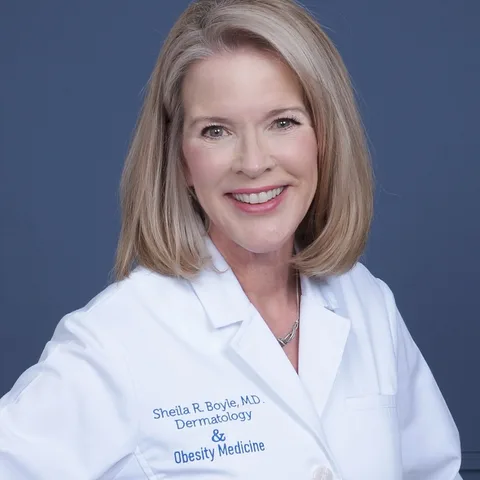
A solo direct-pay practice in Lone Tree whose stated scope is dermatology, cosmetic procedures and medically supervised weight management. The physician is board certified in dermatology and obesity medicine. Every initial visit is by video, with in-person follow-ups by appointment, and the practice does not bill insurance. Hormone replacement therapy is named only as one reason for a new-patient visit on the fee schedule, and no hormone or menopause care is described anywhere else on the site.
Therapy for Midlife is Dr. Rashkis's solo virtual practice, and every session runs over video. She works with women moving through perimenopause and menopause, and she also sees men in midlife and couples. Care is talk therapy only, and the FAQ says the practice does not prescribe medication, though she will discuss a referral to a prescribing physician and can speak with your own doctor if you give written permission. For menopause she uses cognitive behavioral therapy for the distress that comes with hot flashes and CBT for insomnia for sleep trouble, alongside acceptance and commitment therapy and emotionally focused therapy. Sessions are 50 minutes, usually weekly at first and then spaced further apart, and she says most clients need five to fifteen of them. She is a lifelong competitive athlete who says she went through her own midlife upheaval, which is what led her to start the practice.
Dana Johnson is a registered nurse who spent about 20 years in the ICU before founding Qavah Functional Wellness, a telehealth-only practice. She started it after her own Long COVID turned into autoimmune and gut problems and then a hard menopause transition. Hormone therapy is offered to Alabama residents only, while the lab and gut health services also reach a few other southern states. Each hormone plan starts with lab work and a consultation, and bioidentical hormones come as creams, gels, pills, troches or injections. Prescriptions are written by the practice's licensed providers rather than by Dana, who is a nurse. New patients start with an online consultation request, and the team calls back within one business day.
Angela Jones handles menopause and hormone care at Phase II Center for Women's Health, a gynecology and pelvic health clinic in Millcreek run by an all-female team. The clinic does no obstetrics, so appointments are not bumped for deliveries. Before moving into women's health she worked in emergency medicine and critical care. She prescribes both bioidentical and conventional hormone therapy, offers non-hormonal options, and keeps an eye on bone and heart health after menopause. She also covers routine gynecology like annual exams and contraception, and a gynecologic surgeon in the same office sees bladder and prolapse problems. The clinic bills insurance, and visits are booked by phone.
Dr. Malcolm runs a telehealth-only menopause practice and sees women in perimenopause and menopause by video. Care starts with a free 15-minute discovery call, then a full consultation and a membership that runs for six or twelve months. She prescribes hormone therapy when it fits and will also prescribe GLP-1 medication for weight as one part of a wider plan. Besides being an OB-GYN, she is a certified fitness and nutrition coach, and strength training to keep muscle is a big part of how she works. She often starts treatment based on symptoms and health history rather than hormone blood tests.