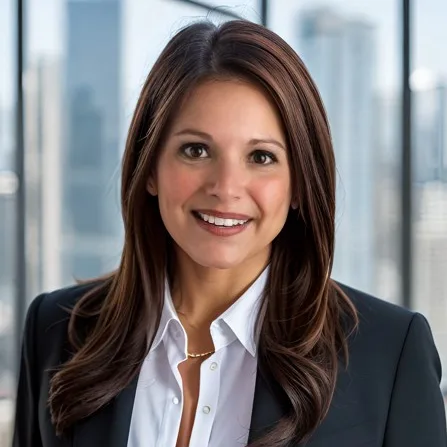
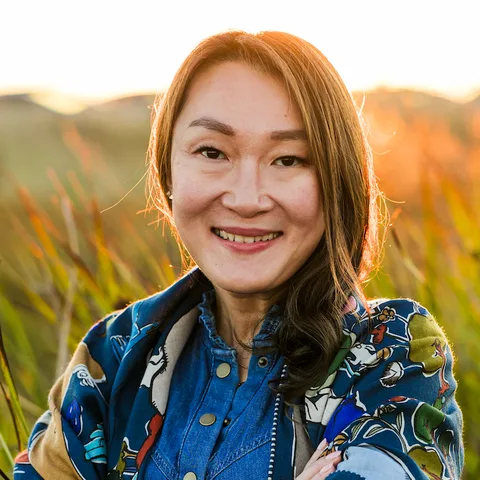
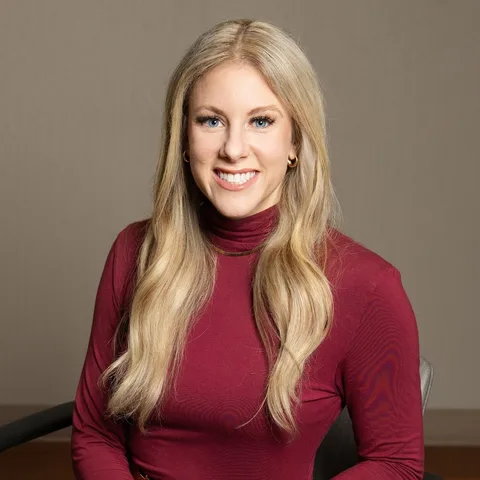
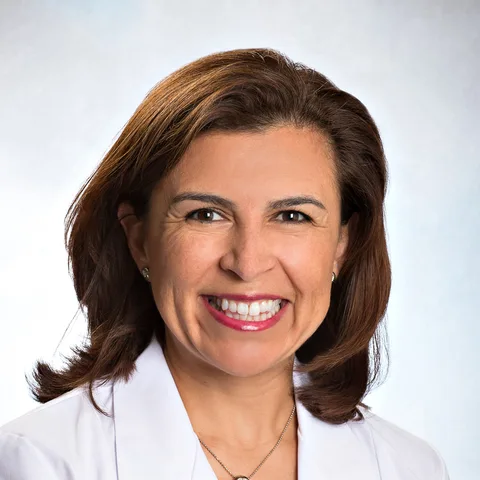
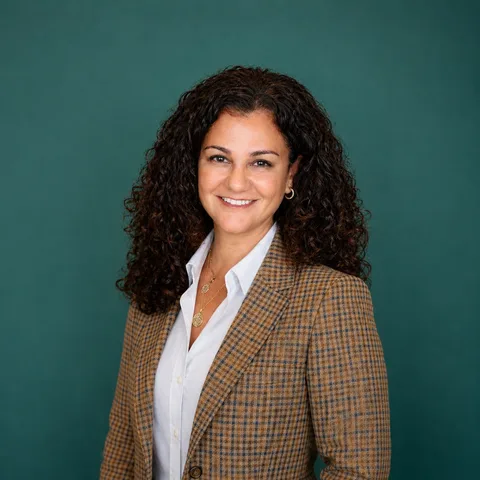
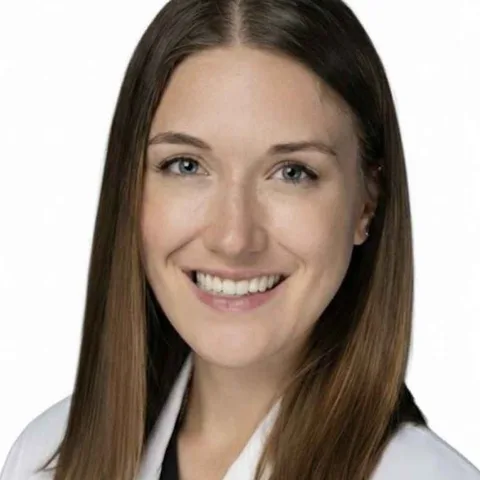
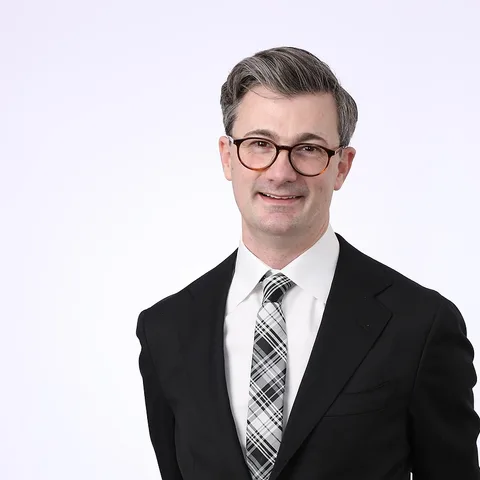
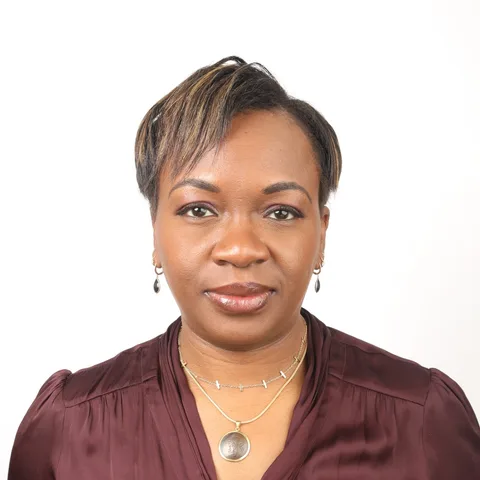
Kristina Gardner is a family nurse practitioner at Access Internal Medicine, a small concierge primary care practice in Wilmington that she shares with a physician assistant. Hormone evaluation and therapy are part of her women's health care, and she offers video visits as well as office appointments. Patients pay a yearly membership on top of their regular insurance. Each clinician caps their panel at about 500 people, so visits run longer and same or next day appointments are usually possible. She spent about 15 years focused on diabetes care and is also a diabetes educator. The practice takes a functional medicine approach and will see members in the hospital or at home when needed.
Dr. Hoang runs a small solo gynecology practice in San Jose and has cared for women in the South Bay for more than twelve years. Her menopause program starts with a long first conversation about symptoms, health history, hormones and lifestyle. She offers hormone therapy when it fits, along with non-hormonal medicines, supplements and help with sleep and stress. She is also board certified in obesity medicine, so weight gain and metabolic health in midlife get real attention, and she runs a separate physician-led weight program that can include GLP-1 medicines. Patients can reach the office by phone or text between visits, and same-day or same-week appointments are often available. Many long-time patients first saw her for routine gynecology or pregnancy care.
Women's Care OBGYN is a group obstetrics and gynecology practice with offices in Shawnee Mission and Overland Park. Dr. Howe is a board certified OBGYN whose listed focus areas are hormone replacement therapy, robotic gynecologic surgery and obstetrics. Menopause care here runs as part of ordinary gynecology, so a visit looks like a normal appointment with your own doctor rather than a separate hormone program. For symptoms they describe hormone therapy and also non-hormonal medications such as SSRIs and SNRIs. New patients can book a new patient gynecology appointment online, though the scheduler carries a notice that it is still under development and asks you to call if your provider or appointment type is missing. Dr. Howe grew up in Lebanon, Missouri and finished her residency in Omaha in 2019 before joining the group.
Dr. Kolbas is a general OB-GYN at New England OB-GYN in Chestnut Hill, a large group practice affiliated with Brigham and Women's Hospital. She is one of the practice's certified menopause providers, and the practice evaluates and manages menopause as part of its gynecology care. Most gynecology visits happen in the office, and a provider can choose to do some visits by video. She speaks Spanish as well as English and has taught at Harvard Medical School since 2002. New patients have to register with the Mass General Brigham system before they request an appointment.
Dr. Weisenfeld is a board-certified internist with rheumatology training who runs a small private-pay practice only for perimenopause and menopause. She sees patients in person in Westport and by video across Connecticut and New York. The first visit is a 50-minute consultation, and she pays particular attention to bone health. She also sees women with a history of breast cancer, and a free discovery call is offered before booking.
Adams directs Stanford's menopause program and sees patients at the gynecology clinic in Palo Alto. The program offers in person consults, video consults, and video group visits. She is board certified in both obstetrics and gynecology and in lifestyle medicine, so diet, exercise and sleep come up alongside hormone therapy. Before Stanford she spent 14 years as residency program director at OHSU in Oregon, where she also ran the menopause and sexual medicine program. She hosts the program's podcast and gave a TEDx talk called Sleep, Sex, and Menopausal Zest. The program writes to its patients about practical problems like the estradiol patch shortage.
Dr. Schmehil is an OB-GYN at Associated Physicians, a multi-specialty practice in Madison that also has pediatrics, adult medicine and behavioral health. She has practiced there since 2011 and lists herself as a certified menopause provider. Her work covers obstetrics, gynecologic procedures and annual exams. Patients use the MyChart portal.
Balanced Wellness is a small Tulsa office where Jessi Brewer is the only clinician, so she is the one you see at every visit. Her services run past routine primary care and include hormone balance and hormone replacement therapy, weight management, and help with mood problems including PMS. She came to nursing through nutrition, having finished a nutrition degree before her nursing training, and that background shows in how the practice works. Micronutrient testing and food sensitivity testing are part of what she offers, and she keeps an online dispensary of the supplements she recommends. New patients can book a first appointment through the online scheduler linked from her site. Between visits you can send her team a message through the patient portal. Her services list names hormone replacement therapy, though the site does not describe menopause care in any detail.
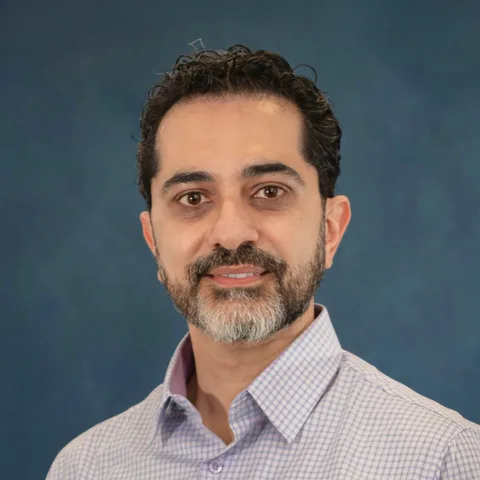
A solo direct primary care practice in New Braunfels where menopause and perimenopause care sits inside general family medicine. The physician holds the Menopause Society Certified Practitioner credential and also sees children and chronic disease. A flat monthly membership covers unlimited visits in person or by video, same and next-day appointments, and direct messaging by text, phone or email. The menopause first visit is an unhurried history, with labs ordered only where they would help, since the practice treats perimenopause as a clinical diagnosis rather than a lab one, and says openly that hormones are not the answer to everything.
Dr. Troutman runs a small insurance-free practice in Camp Hill for women in perimenopause and menopause, and many of her patients also want help with midlife weight gain. Care starts with a free 15-minute video meet and greet, then a 60-minute first visit, then a fixed-length program of four or six months with follow-up visits and optional monthly group sessions led by her. She prescribes only FDA-approved estrogen, progesterone and testosterone. She does not use pellets or compounded weight-loss drugs. She has a separate track for women who were told they can't take hormones, such as breast cancer survivors or women with a clotting history. She works as a consultant alongside your primary care doctor rather than replacing one, and you can see her in person or entirely by video.
Dr. Garavente runs a small solo menopause practice with offices in Timonium and Ellicott City, each open one day a week by appointment. She started it in 2018 after going through menopause symptoms herself, and she worked as an orthopedic physical therapist before medical school. She sees women in perimenopause and well beyond it, and says women over 60 are one of her favorite groups to treat. Hormone options include estrogen, progesterone and testosterone as creams, patches, pills or pellets, along with non-hormonal choices and GLP-1 weight care. She does not do well-woman exams, so you will need your own gynecologist for routine screening.
A boutique gynecology practice in Springfield led by a board-certified gynecologist who is a Menopause Society Certified Practitioner, serving women across the lifespan with a stated focus on perimenopause, menopause and hormone therapy, plus sexual health, adolescent gynecology, infertility and postpartum care. Patients either join a monthly membership or pay per visit, with check-ins by office visit, video, phone, text or email and in-office procedures including ultrasound, colposcopy, endometrial biopsy, IUD placement and pessary fitting. The practice's patient writing is evidence-focused and cautions about high-dose testosterone, pellets and unregulated compounded products.
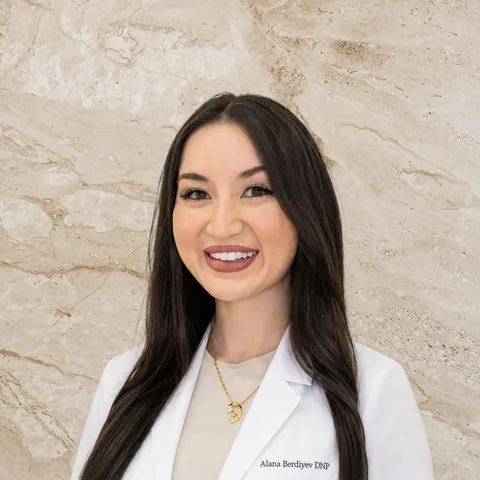
Alana Berdiyev founded this Camas clinic and personally manages every hormone patient, while an RN colleague handles most of the cosmetic work. She trained in hospital surgical and oncology care before opening the practice, and she treats perimenopause and menopause with bioidentical hormones, testosterone and testosterone pellets. Every plan starts with a full hormone, thyroid and metabolic panel, and nothing is prescribed before the results are back. Follow-up labs guide dose changes, and patients need to be seen in the office at least once a year to stay on her care. Unusually for a hormone clinic, it bills insurance for hormone visits and labs. She also offers laser and PRP treatment for vaginal dryness and stress incontinence, plus pessary fittings.
Dr. Carol runs a small concierge practice for women in perimenopause and menopause, and she is going through midlife herself. She spent about 20 years as an emergency physician before turning to menopause care. Care starts with a free 30-minute video call. After that comes a package of two long visits, each 60 to 90 minutes, and you can message her between and after them. Visits can be at her Manhattan office, by video, or at your home or workplace. The visits look at symptom treatment along with bone, heart and breast cancer risk. She does not replace your own doctors, so you still need a primary care doctor and a gynecologist for exams and mammograms.
Natalie Bachynsky founded Houston County Family Medical Clinic in Crockett in 2020 and still sees patients there. It is a rural family practice caring for infants, children and adults. Menopause care is part of its women's health service, which offers both hormonal and non-hormonal treatment for symptoms like hot flashes and insomnia. The clinic bills insurance and welcomes walk-ins, and new patients can print a registration packet from the website before their first visit. Before moving to East Texas she spent ten years caring for women and infants in the Texas Medical Center and taught nursing at UTMB for seven years.
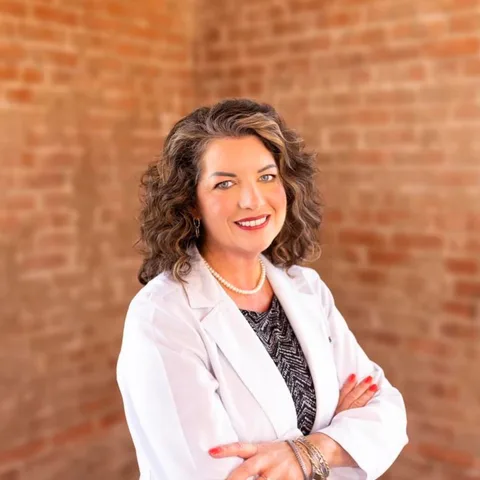
Rose MD Aesthetics is a physician-run med spa in Troy where hormone care sits alongside lasers, injectables and medical weight loss. Dr. Mahmood is the medical director and a certified Biote provider, and he treats menopause in women and andropause in men. Care starts with a consultation and full bloodwork rather than a prescription, and the doctors read hormone levels next to thyroid and metabolic markers before anything is prescribed. Hormones are compounded to each prescription and given as pellets placed under the skin near the hip, or as creams, patches and capsules, with follow-up labs to fine tune the dose. The practice runs a women's wellness and intimate health program that includes a laser treatment for stress urinary incontinence, always performed by one of the physicians. He says his own struggle with weight after residency is what turned him toward this kind of medicine.
ThriveWellMD is a telehealth practice run by Dr. Nicole Perrotte, an internal medicine physician with added training in lifestyle and obesity medicine who is also a certified health coach. Care starts with a two-part video assessment, with a 60-minute intake, a full lab panel and then a second 60-minute visit to go over the results and a written plan. Patients then move into monthly phases for hormones, metabolism and weight, or sexual health, with app messaging between visits. The hormone phase includes bioidentical hormone therapy made by outside compounding pharmacies. She built the practice after her own burnout, fatigue and weight gain, and it does not replace a primary care doctor.
Dr. Zimmerman is a board-certified internist with a small private practice in Bay Head, where she sees adults for primary care as well as menopause. She uses bioidentical hormones when hormone therapy is a good fit and prescribes non-hormonal options when it is not. Before recommending anything she goes through your medical and family history, with close attention to osteoporosis, breast cancer and heart disease risk. She worked as a psychiatric social worker before medicine and still manages psychiatric medication, so she can treat mood and anxiety alongside hormones. She books longer visits than most offices on purpose. New patients request a visit through an online form, and staff confirm it by phone.
Khaki Hazzlerigg is a family nurse practitioner at a primary care clinic in Soldotna that sees patients of all ages. Her own focus is women's health, from the teen years through perimenopause and menopause. Along with hormone and menopause care she does well-woman exams, IUD and implant placement, colposcopies and early pregnancy care. That means a woman can have her menopause care and routine gynecology handled in the same office. She grew up in South Louisiana and has recently started seeing patients in Alaska. New patients start with a visit of about an hour that goes through their full medical history.
Faubion is an internist at Mayo Clinic in Jacksonville and sees patients through its Women's Health Specialty Clinic. She founded and directs the Mayo Clinic Center for Women's Health, and every condition listed on her own clinical page is a menopause or female sexual health one, so midlife care is the whole of her practice. The clinic runs two routes for a new patient, a menopause consultation that covers natural, surgical and cancer treatment induced menopause as well as primary ovarian insufficiency, and a sexual health consultation for low libido and painful sex. Her page says she helps women work through hormone therapy and understand their options. Appointments go through Mayo's central request process, which in most cases needs no referral, and established patients message her team through the Mayo patient portal. She also practices at Mayo's Rochester campus, and away from work she grows orchids and cooks.
Dr. Cook is an internist at Elite Medicine, a small concierge primary care practice serving the Raleigh-Durham-Chapel Hill area. She has a special interest in women's health and completed extra training in perimenopause and menopause management. She is also a verified practitioner of the International Society for the Study of Women's Sexual Health. Every new patient starts with a two-hour first visit, and members can reach their doctor directly by email or text. Visits happen by video or in person, often at your home or office. The practice keeps its patient numbers low and starts a waiting list once spots fill, and prospective patients can book a free video call first.
Progressive Care for Women is a small downtown Chicago gynecology practice of three doctors that has been open for more than twenty years, and Dr. King is one of them. He returned to Chicago after practicing on the east coast and also works with the staff at a Northwestern hospital. Menopause is one of the practice's listed services and its page covers estrogen, estrogen with progestin, vaginal estrogen, and non-hormonal choices such as low dose antidepressants or clonidine for hot flashes. His own stated interests are LGBTQ+ care, cervical dysplasia, contraception, and treating abnormal bleeding with minimally invasive methods. Existing patients self schedule through the online portal and new patients call the office. The office bills insurance and keeps a card on file to charge whatever your plan leaves you to pay.
Vero Women's Care is a hybrid concierge practice in Vero Beach that Crawford co-founded with Dr. Lindsey Bruce in January 2023. Members pay a fee for longer visits, same-day or next-day appointments and direct access to a physician by cell phone, text or email, and the practice still bills insurance for standard services. Crawford is one of the two gynecologists, and both she and Bruce are certified menopause practitioners, so menopause care is a stated part of what the practice does rather than a sideline. She also became a diplomate in obesity medicine in 2025 and works on how weight and metabolic health connect to gynecologic and hormonal care. There is a second way in for women who are not members, a traditional insurance-based referral for acute gynecologic problems that a woman's own doctor sends over. The panel is deliberately small, and joining starts with a call or an email rather than online booking.
A menopause and perimenopause practice run out of a direct primary care office in Orange, with visits in person or by video. Care is a multi-year membership whose check-ins thin out as symptoms settle, every two months in the first year and every six months from the third, with extra visits in between at no added cost. The practice is deliberately a specialized addition rather than a replacement, and asks patients to keep their own primary care doctor and gynecologist. A separate one-off consultation is available for women who want an assessment and a written summary to take to their own physician, and it excludes prescribing.