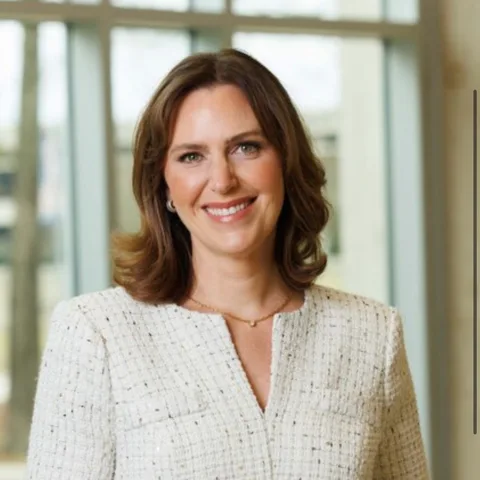
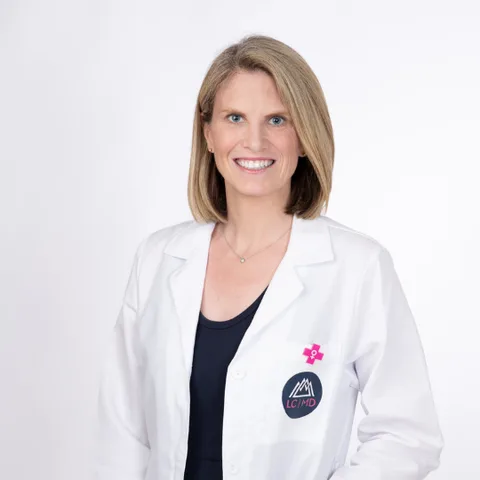
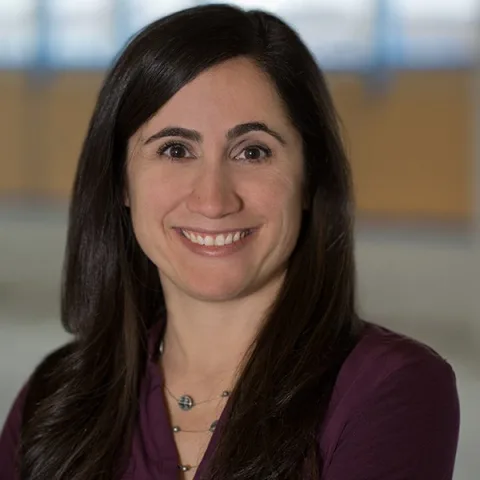
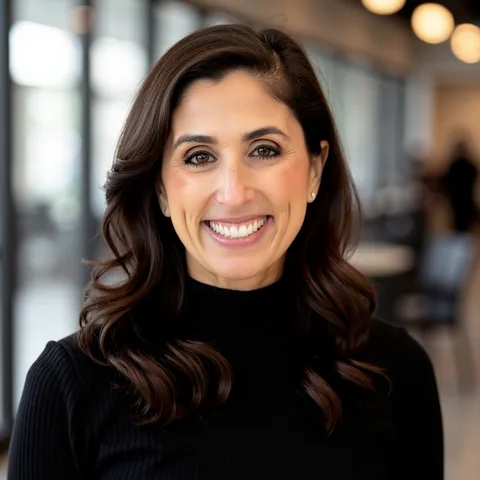
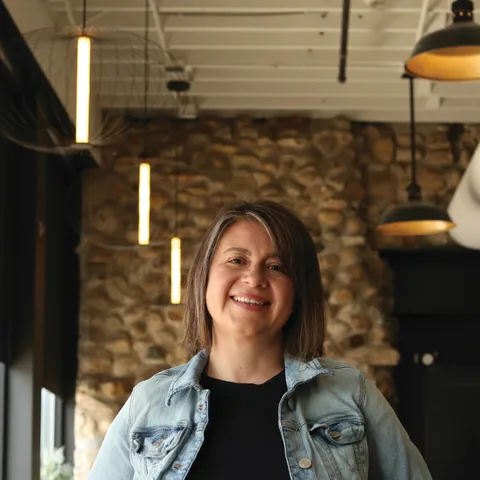
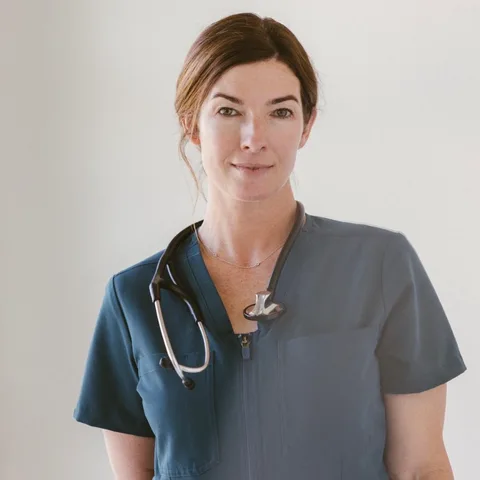
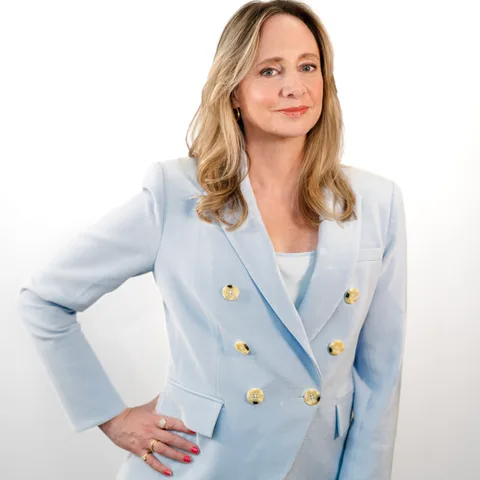
Femme Executive Health is a women-only concierge practice in Baton Rouge run by Dr. Kate Freeman, a family physician. Patients pay a yearly membership for primary care with longer visits and secure messaging, and insurance is still billed for covered visits and tests. She manages perimenopause, menopause and hormone therapy as part of that care. Anyone thinking of joining can book a free in-person visit to meet her first.
Dr. Cassidy runs a small concierge family medicine practice in Cherry Creek that cares for whole households, from children to adults. She keeps a limited patient list so visits run 30 to 60 minutes, and members can message her directly and get same-day or next-day appointments. New menopause patients usually start with a long first visit and labs, then a results review and a check-in over the first month. When hormones fit, she tends to use estradiol through the skin with progesterone, and she also offers non-hormonal medicines for hot flashes. She writes a lot about perimenopause being brushed off as stress, and her care is built around connecting symptoms over time. Prospective patients can book a free meet and greet before joining.
Tina Remillard is a physician assistant at OutPsych, a psychiatry group, and her menopause work centers on the mood, anxiety and focus problems that shifting hormones can bring. She can prescribe hormone therapy, psychiatric medication or both, and folds hormone treatment into psychiatric care when it helps. Care starts with a long evaluation of 75 to 90 minutes, and once things settle, hormone follow-ups come every three to six months. All visits are by video. She spent about twenty years in primary care and her whole career in LGBTQ+ communities, and she also treats ADHD and PMDD. She sees adults only, and new patients start with a free short consult.
Dr. Bone is a New Orleans native and OB-GYN who left traditional practice to run a small membership practice in Metairie. She keeps her panel small so visits are long, and members can reach her directly by cell phone and email. The membership covers gynecology and menopause care, including hormone therapy, plus everyday problems like flu, strep or a UTI. It does not cover ongoing management of conditions like diabetes or heart disease, so she works alongside your primary care doctor for those. Most visits are in the office, and video visits are offered only case by case with approval first. Prospective members can book a free meet and greet call before joining.
Kelly Tull runs a small solo practice in East Longmeadow focused on women in midlife, with visits in her office or by video for Massachusetts residents. Every new patient starts with a free 15-minute discovery call, followed by an unhurried hour-long intake. She prescribes estrogen and progesterone when appropriate and considers testosterone in select cases after talking through the evidence. She says perimenopause is mostly a clinical diagnosis and only orders labs when they would change the plan. She is also a certified sexuality counselor, so pain with sex, low desire and vaginal and urinary symptoms get real attention here. Patients who prefer not to do video can choose secure messaging instead.
Good Energy is a two-midwife gynecology practice in downtown Batavia, and Sarah is the menopause half of it. She covers perimenopause, menopause and primary ovarian insufficiency, and will use hormone therapy, non-hormonal medication or lifestyle changes depending on what a woman wants. Visits run 30 to 60 minutes, and you can pay per visit or join a membership that bundles an annual visit, a problem visit and a few short follow-ups. Care is in person in Batavia two days a week or by video anywhere in Illinois. Before co-founding this practice she was clinical director of a midwifery group and saw patients virtually for Tia, a women's health primary care company. Trauma-informed care is the guiding idea here, so nothing happens in an exam without being explained first, and the practice keeps a few reduced-rate appointments open each month where you pick the rate yourself with no income paperwork.
Christina Kitchen runs a small self-pay practice in Jackson, working out of Expansion Health, and has cared for women's sexual and hormonal health for more than twenty years. She has a dedicated hour-long perimenopause and menopause consult that covers hormone and non-hormone treatments and plans labs as needed. Sexual health is a big part of her work. She has separate visits for low libido and pain with sex, and those visits also look at whether perimenopause is involved. Visits are deliberately long, and she also sees women for gynecologic exams, PCOS and metabolic health. An optional concierge membership adds same-day or next-day access for patients who want it.
Dr. Aguilera-Ruiz is a naturopathic doctor whose clinical focus is women's health, including perimenopause and menopause. Care is mostly virtual across California, with an office visit in Sacramento if you live nearby. The first visit is 40 minutes, and a treatment plan follows once your labs are reviewed. After that you can book single visits or join a membership with unlimited visits and messaging. She can prescribe hormone therapy, but she does not prescribe testosterone or DHEA. Her own long struggle with chronic mono at college, and a clinic that offered only antidepressants, is why she chose naturopathic medicine. She asks patients to keep a primary care doctor or OB-GYN for exams and imaging.
Dr. McKenzie is a naturopathic physician running a solo primary care practice in Kirkland, with menopause and sexual health at its center. She treats menopause symptoms with hormone therapy taken by mouth, through the skin or vaginally, and also prescribes testosterone for women after checking blood levels first. She is also a certified sex counselor, so painful sex, low desire and pelvic floor problems get as much attention as hot flashes. New patients are seen in the office for a full intake, and video visits are used afterward for lab reviews and medication check-ins. The practice runs a program on sex and intimacy after cancer and offers vaginal laser treatment for dryness after menopause.
MauveMD is a small practice run by Dr. Scanlon that sees only women in perimenopause and menopause. Visits run longer than a usual gynecology appointment and happen in her Bellingham office or by video. She prescribes FDA-approved estrogen, progesterone and testosterone and uses compounded hormones only when no approved option exists. She does not offer pellets. She also runs a non-hormonal track for breast cancer survivors and can coordinate with your oncology team. This is consult care that does not replace your primary care doctor, and new patients often wait four weeks or more, with a waitlist for earlier openings.
Dr. Dziuba is a family physician and co-founder of Foundation Direct Family Care, a direct primary care office in Dalton that does not take insurance. She runs the practice's hormone therapy service herself, and it has its own plan separate from the full primary care membership. The first visit covers a full consultation, starting labs and the first month of care. After that she adjusts treatment with unlimited office or video visits and texts her directly. For menopause she works with estrogen, progesterone and testosterone, and the in-house pharmacy stocks non-controlled hormone medications at a discount. She is proficient in Spanish, and the practice keeps a waitlist for new members that it says usually clears in four to six weeks.
Dr. Pauley is a pediatric endocrinologist who opened this direct-pay practice in 2023. Much of the clinic is growth and puberty care for children, and she also sees adults, so the menopause side is one part of a broad endocrine practice. Women come for perimenopause and menopause care that includes hormone therapy, and the practice also treats thyroid problems and runs a medically supervised weight program. The practice does not bill insurance for visits. New patients fill out an online request form, then the office calls to set up a one hour first visit. Some follow-ups are done by video. The menopause page names her nurse practitioner, Jennifer Delgado, as the clinician to work with, so a new patient may see either of them.
Dr. Ayoub is an endocrinologist with her own small practice in Redondo Beach, and she also sees patients by telehealth anywhere in California. For hormone therapy she prescribes estrogen and progesterone, adds testosterone when it fits, and uses FDA-approved bioidentical products. She also offers non-hormonal options for women who would rather not take hormones. First visits take a full hour and follow-ups take half an hour, and you can message her directly between visits. Because she is an endocrinologist, she treats thyroid disease, bone loss and weight alongside menopause, including GLP-1 medication. She says she works especially with patients who were told their labs were normal while their symptoms went on.
Yinka Sokunbi is a certified nurse midwife who runs a small cash-pay women's health practice with offices in McKinney and Frisco. Most menopause care happens by video for Texas residents, with labs ordered to a nearby lab and prescriptions sent to your pharmacy. She prescribes FDA-approved hormone therapy and also compounded formulations, and plans ahead for bone health with referrals for bone density scans. New patients fill out intake questionnaires before the first visit, and the final fee is set after she reviews them. She started the practice after growing frustrated with how little time insurance-driven clinics allowed with patients. She trained in nursing and midwifery in the United Kingdom and now also teaches at Thomas Jefferson University.
Dr. Jordens runs a small practice for women in midlife and is also board certified in obesity medicine, so weight and metabolic health come up alongside hormones. The first visit is a full hour, follow-ups run 45 minutes, and ongoing care is a six-month membership with messaging through a patient portal. She prescribes estrogen, progesterone and sometimes testosterone in standard forms like patches, gels and pills. She treats vaginal estrogen as first-line for dryness and offers non-hormonal options like fezolinetant for women who can't or don't want to take hormones. She says there is no set age limit for staying on hormone therapy and reviews the plan each year. This is specialty care, not a replacement for your primary care doctor, and there is a free discovery call before you book.
Dr. Allison runs a small telemedicine practice for women in perimenopause and menopause. She spent 14 years as an emergency physician before moving into midlife women's care. She prescribes FDA approved hormone therapy and testosterone, and offers non-hormonal medicines for women who can't or won't take hormones. New patients fill out long history forms first, then have a 75 minute first visit and a short check-in two weeks later. She also covers bone health, breast cancer risk and prevention planning. She does not replace your primary care doctor or gynecologist, and she expects you to keep them.
Dr. Menn is an OB/GYN who sees menopause patients only by video, and only women living in New York, Connecticut, Vermont or Florida. She survived breast cancer more than 20 years ago, went through premature menopause herself and carries a BRCA mutation. A lot of her practice is breast cancer survivors and BRCA carriers who want help with menopause symptoms and hormone questions. The first visit is an hour long. It covers your history and a risk check for heart, breast and bone health, and ends with a written plan that may include hormone therapy, vaginal hormones or non-hormonal medicine. New patients email the office first and are then told which visit to book. She works alongside your own gynecologist or oncologist rather than replacing them.
Dr. Strand spent years as a full-time emergency physician before opening this direct-pay clinic in Lacey in 2021. The practice treats men and women, and menopause care sits alongside testosterone therapy, weight loss and thyroid care. Care starts with a paid evaluation that bundles Labcorp lab work with a 60 to 90 minute visit, then moves to a month-to-month membership with unlimited messaging. Hormone plans can combine estradiol, progesterone, testosterone and DHEA, and medications are passed through at pharmacy cost. Visits happen in the Lacey office or by video anywhere in Washington, and most follow-ups are by video. The practice does not see anyone on Medicare, so women 65 and older cannot join.
Dr. Caravelli is a family medicine physician who runs a small telehealth practice for women in perimenopause and menopause anywhere in Illinois. Care starts with an hour-long first visit, then labs, then a second visit to go over results and build a plan. Anyone who wants ongoing prescriptions, including hormone therapy, joins a monthly membership with quarterly visits and direct messaging with her. She also treats weight and metabolic changes and prescribes GLP-1 medications when they fit. Before starting the practice she was a regional medical director for a national healthcare company, and she teaches as an adjunct clinical professor at the osteopathic school where she trained. She is clear that she is not a primary care doctor, so patients keep their own physician for everything else.
Stephanie Martinez runs Prime Optimal Health, a small practice in the Belton and Temple area of Central Texas. She sees women by telehealth in Texas, Colorado, Montana and New Mexico, and offers some in-person care locally. New patients can start with a free discovery call, then a 45 to 60 minute midlife consultation. You can stop at an assessment and plan, or choose a short program or a 90-day program that starts hormone therapy and follows up as you adjust, and established patients can move to a monthly membership. She came to menopause care from urgent care, where she kept meeting tired, struggling patients who had been told their labs looked normal.
Olive Tree Medical is a small concierge practice in Wellesley run by two women physicians who keep the panel to a few hundred patients. Dr. Walkey is a primary care internist who is also board certified in lifestyle medicine, and she became a Menopause Society Certified Practitioner in 2024 to focus on women's health in midlife. Membership covers a long annual exam and a schedule of follow-up visits, with a lot of care happening by phone, text, email and video in between. Health coaching, nutrition consults, fitness testing and stress management are folded into membership rather than billed on their own. Walkey was diagnosed with breast cancer in 2020 and says it pushed her toward the prevention and lifestyle work she now does with patients. New members start with a free in-person meet and greet, and places are limited, so the practice adds people to a waiting list once it fills.
Marea MD is a solo, membership-based family medicine practice in central and east San Diego run by Dr. Joyce Ildesa, who pairs primary care with menopause and perimenopause care. Members get thirty to sixty minute visits, direct text, call and email access to the physician, same or next-day response for urgent concerns, and discounted cash-pay labs, with the panel deliberately kept small. Menopause care sticks to evidence-based and FDA-approved treatment. She prescribes hormone therapy when appropriate plus non-hormonal options, and explicitly does not routinely use compounded bioidentical formulations. Menopause care is integrated with bone, cardiovascular and metabolic screening, and new patients start with a free fifteen-minute introductory video call.
Marissa runs a solo cash-pay telehealth practice based in Santa Fe and sees women from their mid-30s onward for perimenopause and menopause care anywhere in New Mexico. Care starts with an hour-long first visit and then shorter follow-ups every few months until treatment is stable, with portal messaging in between. She mostly prescribes FDA-approved bioidentical estradiol and progesterone that any local pharmacy can fill, and says most women will not need a compounding pharmacy. She does not order a standard lab panel for everyone and often decides on hormones from symptoms and history alone. She wants mammograms up to date before hormone therapy starts, and she also prescribes testosterone for low desire and non-hormonal options when hormones are not a fit.
Misra Wellness is a virtual-first membership practice led by Dr. Misra, with an office in Los Angeles and visits for patients in California and New York. There is no online calendar. A new patient starts with a free 15-minute call to see if it is a good fit, then a first consult. Menopause and hormone care sits inside the main primary care membership, so the same visits and direct messaging also cover thyroid, weight and other midlife concerns. She offers hormone therapy when it is clinically appropriate after an evaluation. She writes about perimenopause mood swings and a wired, on-edge feeling as hormonal changes and not simply stress, and she offers a 90-minute visit for symptoms that overlap. Current members get priority, so a new patient may wait for an opening.