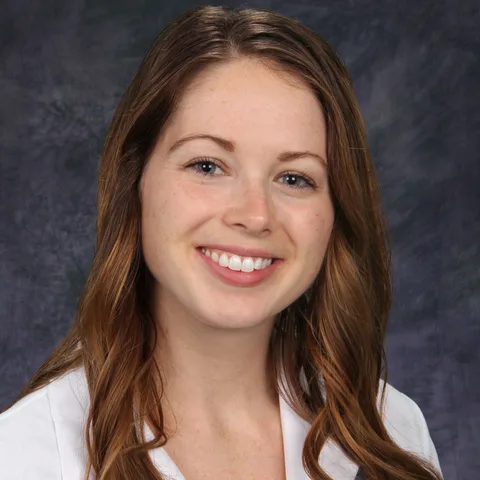
Krueger is an OB/GYN at Essentia Health's 32nd Avenue Clinic in Fargo, which sits in the same building as the health system's Fargo hospital. She joined in July 2025, after medical school in Minnesota and an obstetrics and gynecology residency in Rochester, New York. She still does obstetrics and gynecologic surgery alongside office gynecology, and she has said she likes following patients from adolescence through to what she calls the mid-life menopause era. Her own list of conditions treated names menopause and hormonal imbalance, along with pelvic pain and bladder problems. The gynecology department handles menopause symptoms from premenopause through postmenopause, and hormone replacement therapy is one of the treatments it uses. This is health-system care, so visits are billed to insurance and booked by phone or through the patient portal, and her page says new patients are welcome.
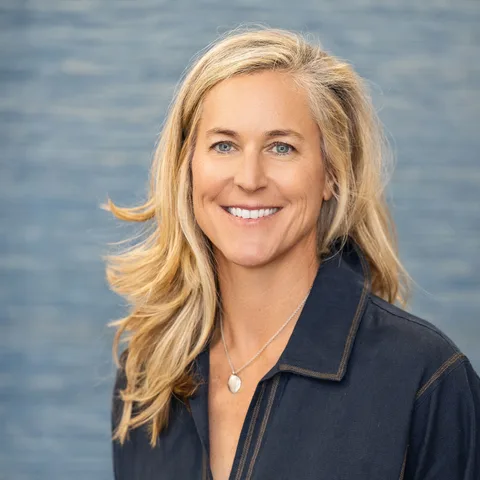
Vero Women's Care is a hybrid concierge practice that Bruce co-founded with Kristy Crawford in January 2023, run by an all-female team covering gynecology, primary care, pelvic floor therapy and nutrition in one office. Members pay a fee for longer visits, same-day or next-day appointments and 24/7 access to a physician by phone, text or email, and the practice still bills insurance for the care itself. Bruce and Crawford are both Menopause Society Certified Practitioners, and the practice names expert menopause care among what membership includes. Bruce trained on the da Vinci robotic surgical system in 2008 and takes on complex gynecologic conditions that would otherwise mean more invasive surgery, and she won the AAGL Minimally Invasive Surgeon of the Year award during her residency at Yale New Haven. She is also a member of the Sexual Medicine Society of North America. The patient panel is kept small, so joining starts with a call or an email rather than online booking.
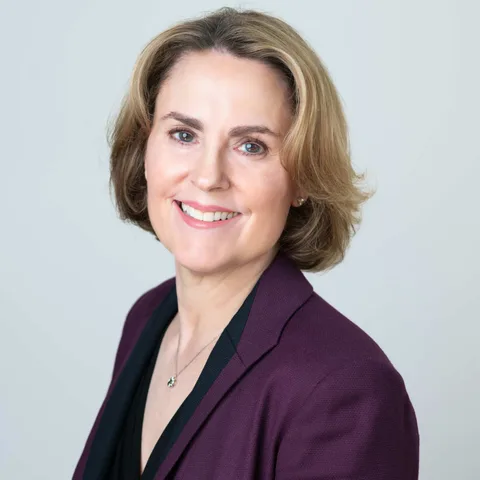
Dr. Ward is a board-certified internist who sees adults at the Kenwood office of Concierge Medicine of Cincinnati, a membership practice with several menopause-certified clinicians. She spent about 20 years in Cincinnati primary care before joining, and she also holds a PhD in immunology and did cancer research early in her career. Her own bio puts weight on preventive care, cancer survivorship and long-term conditions like diabetes and high blood pressure, and she recently earned her menopause certification. As a member you have her as your primary care doctor, with longer visits, direct phone and email access, urgent visits within a day and video visits when they make sense. Her menopause care comes inside that membership, and she is not one of the clinicians who offer the practice's one-off menopause consults. New patients start with a free call with a membership consultant.
A solo nurse-practitioner-led wellness practice in Pearl River treating women and men for hormonal imbalance, with bioidentical hormone replacement as a core service alongside medical weight loss, functional medicine and aesthetics. Women's care covers menopausal symptoms including hot flashes, night sweats, mood changes, sleep, vaginal dryness, low libido, weight and bone health, and delivery routes include oral, topical, injection, patch and pellet therapy. Booking runs through an online scheduler offering in-person and virtual visits for new patients and follow-ups, with follow-ups built around reviewing hormone labs. The site also hosts a menopause symptom questionnaire and a supplement dispensary.
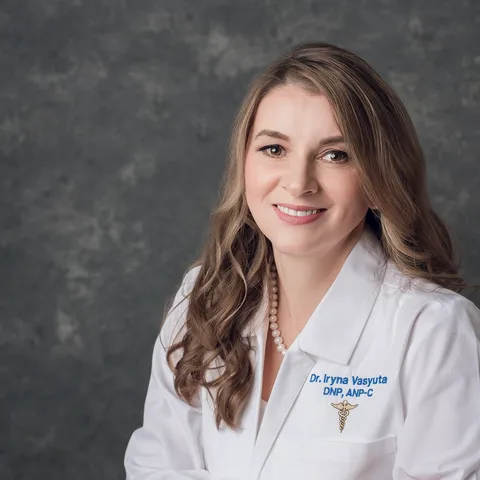
Deborah Coupland is a family nurse practitioner at MaxHealth's Manatee Ave W clinic in Bradenton, part of a large primary care group. She sees adults and seniors, including Medicare patients, and lists women's health and menopause among her clinical interests alongside chronic conditions like diabetes and thyroid disease. Visits are in person or by telehealth, and appointments are booked through the group's online scheduling. She also speaks Polish, Russian and Ukrainian.
Ashley Romero Parich is a physician assistant at Acadiana Women's Health Group, an OB/GYN practice in Lafayette with nine physicians and four advanced practice providers. She grew up in nearby Abbeville, has worked in OB/GYN since 2007, and joined this group in 2016. She sees women of all ages, and her own listed care runs from prenatal visits and annual exams to contraception, osteoporosis screening and treatment, and hormone replacement therapy. What sets her apart in a general OB/GYN office is her hormone training, since she is a certified women's hormone therapy specialist and a member of The Menopause Society. Visits are in person at the Ambassador Caffery office, although the practice offers telemedicine appointments by request. New patients download the practice forms and send them back two days before the first visit.
Dr. Moreno-Jackson is the medical director and only listed physician at a small boutique OB/GYN practice in Kendall. She grew up in Puerto Rico and says she went into medicine because women there were not always listened to. The practice covers gynecology and obstetrics, and she delivers babies at Baptist Hospital of Miami. Menopause and hormone management are listed among the gynecology services alongside pelvic pain, incontinence and heavy or irregular periods. The site is also written in Spanish, and the practice offers same-day and short-notice appointments plus an on-site lab and ultrasound.
Sparrow Medicine is Dr. Mescon's naturopathic practice in Bozeman, where a medical assistant and a health coach share the follow-up work with her. She lists hormone replacement therapy and the perimenopause and menopause transition as what she treats, along with complex thyroid and stubborn digestive problems, and as a Montana licensed naturopathic doctor she prescribes medication herself when she thinks it is the right tool. First visits run 90 minutes and are usually in person, labs come back for a follow-up two to six weeks later, and visits after that can be done by phone or video. She consults for the lab behind the DUTCH hormone test and mentors other functional medicine providers who run hormone practices. She is clear that she is not a primary care provider, so you keep your own regular doctor and she refers out for things like cancer care or around the clock coverage. New patients are booking about two months out and start by calling the front desk.
Dr. Jen Cicilian is a naturopathic physician and acupuncturist who has been treating patients for close to two decades and runs a small office in Lake Oswego. Her practice centers on hormone health, metabolic health and aging well, and she sees men as well as women. For menopause she uses menopausal and bioidentical hormone therapy alongside acupuncture, botanical medicine, lab evaluation and nutrition, so prescribing and hands-on treatment happen in the same practice. Her own consent form says she is licensed to prescribe controlled substances but does so only to a very limited degree and will not prescribe opioids. She works in person and by video with patients in Oregon, and state rules mean a new patient has to be seen in person before she can diagnose, order tests or prescribe, so a first video visit with someone she has not met is a consult only. Intake and consent forms arrive through her patient portal once you schedule, and she prefers portal messages over direct email.
Dr. Heavens is a family physician who runs a primary care practice in Tempe through the MDVIP membership model. Members get same or next day appointments and can reach him around the clock. His menopause care centers on Biote hormone pellets, and the practice also does routine gynecology, weight loss medication and cosmetic injectables. New insurance patients are asked to name him as their primary care doctor with their insurer before the first visit.
Barb Dehn is a women's health nurse practitioner who is also an author, speaker and media health expert. Her own website is mostly health articles, books, consulting and press, and it does not describe a clinic she runs or a way to become her patient. It says she practices with El Camino Women's Medical Group in Mountain View. That group lists menopausal symptoms among its gynecology services, but it does not list her among its current providers. She is also Vice President of Women's Health at Peppy Health, a digital care app offered through employers.
Therapy for Midlife is Dr. Rashkis's solo virtual practice, and every session runs over video. She works with women moving through perimenopause and menopause, and she also sees men in midlife and couples. Care is talk therapy only, and the FAQ says the practice does not prescribe medication, though she will discuss a referral to a prescribing physician and can speak with your own doctor if you give written permission. For menopause she uses cognitive behavioral therapy for the distress that comes with hot flashes and CBT for insomnia for sleep trouble, alongside acceptance and commitment therapy and emotionally focused therapy. Sessions are 50 minutes, usually weekly at first and then spaced further apart, and she says most clients need five to fifteen of them. She is a lifelong competitive athlete who says she went through her own midlife upheaval, which is what led her to start the practice.
A solo nurse-practitioner practice for women in perimenopause and menopause, also covering fatigue, weight changes, sexual health and bone health. Care begins with a free 15-minute video meeting, then a 60-minute first visit preceded by an intake covering menstrual, contraceptive, pregnancy and menopause history. Visits are by telehealth with in-person options around Broomfield, Burlington and Denver. Ongoing care runs as a monthly membership with 30-minute follow-ups, lab interpretation, prescription management and access between visits. She prescribes FDA-approved hormone therapy sent to a local pharmacy, works alongside a patient's own doctor, and holds certifications in hormone therapy after breast and gynecologic cancer.
Dr. Melvin is a naturopathic physician at Meliora Clinic, a small integrative primary care practice in Southeast Portland that also offers acupuncture and bodywork. Her focus is women's health, menopause care, sexual and reproductive health, and primary care. She prescribes menopausal hormone therapy alongside conventional medications, botanicals and lifestyle changes. She trained in a three-year residency in integrative women's health and family medicine, where she did gynecologic procedures and managed perimenopause and menopause. She also teaches gynecology to naturopathic students, and her care is LGBTQIA+ affirming.
Dr. Vogel runs an independent pain practice in Marietta, and menopause care is one part of a wider practice built around pelvic, sexual and nerve pain. He opened one of Georgia's first stand-alone menopause clinics in 1997 and has written about bioidentical hormones. His women's health care includes hormone therapy, other medications and herbal options. For women who can't use hormones and haven't found relief elsewhere, he offers stellate ganglion blocks for hot flashes. He also treats vulvodynia, pelvic floor pain and low sexual desire, and patients can refer themselves. Visits are in person, with telehealth consults when travel is hard.
A women's health nurse practitioner in a seven-provider OB-GYN group that has served southern Illinois since 1983, with offices in Herrin and Carbondale. Her listed clinical interests include menopause and menstrual and hormonal disorders alongside obstetrics, contraception and preventive care, so menopause is one part of a full-scope practice rather than its focus. The group describes menopause care as hormone replacement therapy, lifestyle counselling and non-hormonal treatment, and offers video and phone visits, with menopause counselling among the visits it considers suitable for telemedicine.
A private-pay, physician-led lifestyle medicine practice in Buckhead focused on women over 40 in perimenopause and menopause, which also treats men for testosterone and metabolic concerns. Every new client starts with the same intake, a broad lab panel, body composition analysis, an hour with the physician and a written plan, before any treatment is recommended. Ongoing care runs as invitation-based programs for hormone optimization or weight, plus a maintenance membership with quarterly visits. Hormones are offered as creams, oral, vaginal, injections and pellets. It is not a primary care practice and refers out for mammograms, cervical screening and other diagnostic work.
Dr. Solotke is a general OB-GYN in a six-doctor private group at Northwestern in downtown Chicago, and menopause is one part of a broad practice that also includes pregnancy, contraception and surgery. Visits are in person near Northwestern Memorial, and video visits are offered when the doctor thinks one is appropriate. He describes his approach as shared decision making built on education and honest conversation. He has worked in LGBTQ+ health since 2016 and provides gender-affirming hormone therapy. He also does minimally invasive and robotic surgery, which helps if bleeding or fibroids come up alongside menopause.
Randi Adams is a family nurse practitioner at the Cumming office of Nore Women's Health, a group of women's health clinics around metro Atlanta. Before focusing on midlife care she worked in emergency medicine, labor and delivery, and breast surgical oncology. The practice uses bioidentical hormones, including compounded pellets placed under the skin in a short office visit, and may start with troches or creams while finding the right dose. It also treats menopausal weight gain with GLP-1 medication and offers an in-office vaginal laser for dryness and some urinary symptoms. New patients request an appointment by text, phone or the website form.
Dr. Green runs a gynecology-only practice in the Northland of Kansas City, so her clinic days are never cut short by deliveries. She treats perimenopause and menopause with FDA-approved hormone therapy, including bioidentical options, and offers non-hormonal medicines for women who can't or don't want to take hormones. You can bring up hormone therapy at your first visit, but a Pap smear or pelvic exam is booked as a separate visit because of how insurance covers it. She also runs menopause group visits where you are welcome to bring a friend, and follow-ups and lab reviews can happen by video. She is a gynecologic surgeon too, so the same doctor can manage fibroids or a hysterectomy if it comes to that.
Dr. Chalasani is an Austin OB/GYN who has run a private practice for more than 25 years. The PausetiveMD website is for her in-person menopause seminars, not for her clinic. At a seminar a small group of women spends a morning with her going over hormone science, symptoms and hormonal and non-hormonal treatment options, and each woman leaves with a written list of options. She says she is 58 and has been through most menopause symptoms herself. The site does not say how to become her patient.
Dr. Graham is an OBGYN who runs a small, deliberately limited virtual practice for women in perimenopause and menopause. Care starts with a free phone call to see if it's a good fit. After that you choose a single in-depth evaluation or a six- or twelve-month program with regular visits, coaching and messaging between appointments. When hormones are right for you she prescribes FDA-approved bioidentical options such as pills, patches and vaginal estrogen, and she also uses non-hormonal treatments. Plans lean heavily on strength training, nutrition and detailed lab testing alongside medication. She does not do Pap smears or breast exams, so you keep your own primary care doctor for those.
Dr. Wood Thum is a urologist who also trained in female pelvic medicine and reconstructive surgery. She sees women in Sioux Falls for prolapse, urinary incontinence and fistulas. Her own page says she also does hormone therapy evaluation and management, which is unusual for a urologist. That makes her a good fit if menopause shows up as bladder or pelvic floor trouble. She works in a large urology group with offices across South Dakota, Minnesota and Iowa, and she teaches at the Sanford USD medical school.
Kaelie Salisbury is a physician assistant at Clinic for Women, a large OB-GYN practice with offices in Huntsville and Madison. She grew up in Huntsville, started practicing there in 2022 and joined the clinic in 2024. The practice covers gynecology and pregnancy care, and menopause visits fit within that general women's health setting. Its menopause page describes estrogen and progesterone therapy as well as non-hormonal options like low-dose antidepressants for hot flashes. There is an on-site lab that needs no appointment, but the clinic does not do mammograms, so you book those directly with an imaging center.