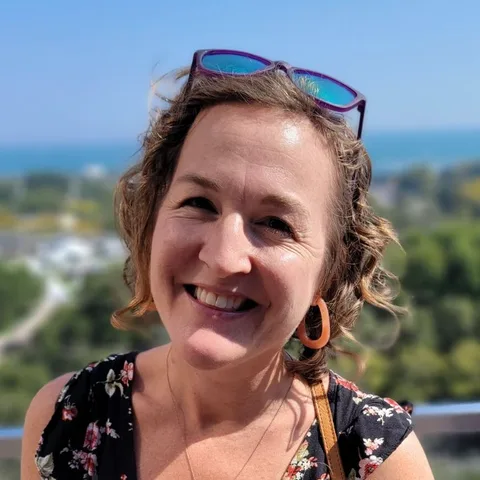
Pam Jones is a nurse practitioner at Aventa Specialized Women's Care, a large OB/GYN practice in Dothan that also delivers babies and does gynecologic surgery. She joined in March 2026 and says menopause is her particular interest, with a focus on women going through perimenopause and menopause. She started out in 1997 as a labor and delivery nurse and has spent her whole career caring for women. Menopause visits here are ordinary office visits billed to insurance. The office sits next to Flowers Hospital, so many patients book a mammogram or bone density scan on the same day as their annual visit. The practice is taking new patients and has online scheduling.
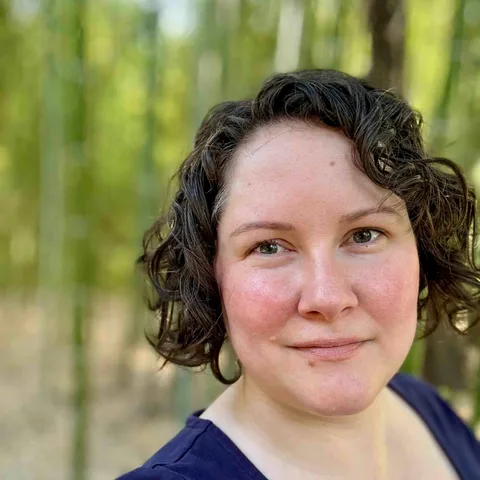
Dr. Roca is an OB/GYN at Atrius Health, a large multispecialty group, and sees patients at its Davis Square office in Somerville and in Medford. He lists perimenopause and menopause care among his clinical interests, along with pregnancy care, fibroids and minimally invasive gynecologic surgery. Atrius OB/GYNs manage menopause symptoms and talk through menopausal hormone therapy. Harder cases can be referred to the group's Menopause Consultation Service, which is mostly virtual. Atrius says some specialty care may be limited to patients who have an Atrius primary care provider, so setting one up first can help. He speaks English, Spanish and French.
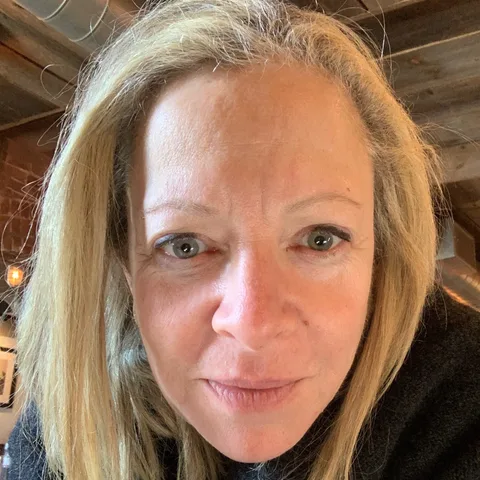
Dr. Fermann is a gynecologist with UC Health, the University of Cincinnati academic health system, and sees adults at its West Chester South medical office. Her own profile lists menopause, perimenopause and hot flashes among her clinical interests, alongside general gynecology. She also names primary ovarian insufficiency, pelvic pain and vulvar pain, which makes her a sensible choice for women with early menopause or painful sex. Care runs through a large hospital system that bills insurance, so this is regular office gynecology and not a stand-alone menopause program. New patients book by calling the office. She also teaches as volunteer faculty at the UC College of Medicine.
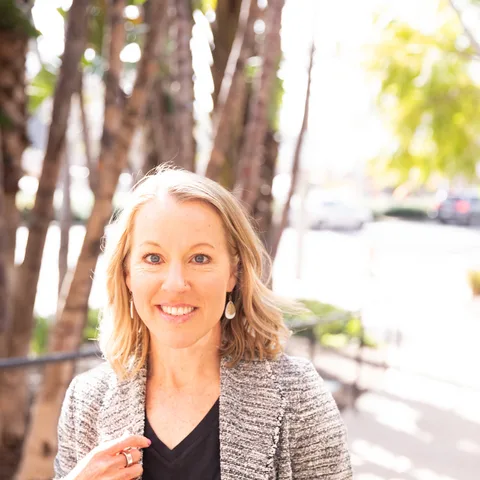
Dr. Fleming runs a small gynecology office in Wellesley with one nurse practitioner, and menopause care is a central part of the practice. She prescribes estrogen, with progesterone for women who still have a uterus, and uses non-hormonal prescriptions for hot flashes when hormones are not a good fit. For vaginal dryness and painful sex she also offers the Juliet vaginal laser in the office, including for women with a history of breast cancer. Her site is frank about supplements and says she does not recommend black cohosh. Visits are in person or by video, and new patients booking a menopause consult online are currently scheduled with her nurse practitioner. She came to medicine after a first career as a financial analyst.
Andrea Driggs is a women's health nurse practitioner at Valley Women's Health, a large OB/GYN group with offices across Utah. She sees patients at the group's Provo Physician's Plaza office, and the practice offers both in-office and telehealth visits. Menopause care there is part of regular gynecology, and the practice lists hormone replacement therapy among its menopause services along with incontinence and prolapse care. She has worked as a labor and delivery nurse at Utah Valley Regional Medical Center since 1997 and as a nurse practitioner since 2012. She speaks English and Spanish.
John Robinson is a naturopathic doctor who co-founded The Hormone Zone in Scottsdale, and the practice treats women through perimenopause and menopause alongside men's hormone care. Hormones are given as pellets, creams, patches, pills or injections, and the pellets are compounded so the dose and mix can be set for each patient. Getting started means a short phone call with a member of the medical team first, who answers questions and books the office visit. The first visit adds in house testing such as body composition, resting metabolic rate, a thyroid reflex reading and an EKG, and you leave with a written plan that gets revised at follow ups. Robinson came into medicine through massage therapy and Chinese medicine, co-founded a herbal medicine and acupuncture school in Phoenix, and wrote a book about thyroid care. For bone loss after menopause the practice uses a radiation free ultrasound bone scan through a partner rather than a standard DEXA, along with blood markers of bone turnover.
Framework Health is a small concierge primary care practice, and menopause care is part of the general membership rather than a separate program. Devan sees patients alongside Dr. Meserve, and both are Menopause Society certified. Her style leans integrative, with nutrition, sleep, exercise and supplements next to medication, and she tries to keep prescriptions to a minimum where she can. Hormone therapy uses bioidentical estrogen and progesterone, and thyroid support is part of it. Visits happen in the Fashion Island office or by video. New patients can start with a free 15 minute call or a meet and greet with Devan.
Olea Women's Health is a solo telehealth practice founded by Agnes Simone, DO, a board-certified psychiatrist, for women in California. She combines psychiatric care with menopausal hormone therapy, prescribing estrogen, progesterone and testosterone where indicated, and treats the mood, anxiety, sleep and cognitive symptoms that arrive with midlife. She works alongside a patient's own OB-GYN or primary care doctor, and does not perform vaginal exams or procedures.
An independent obstetrics and gynecology group in Madison of seven physicians and two nurse practitioners, caring for women from adolescence through after menopause, with peri- and post-menopausal management among its stated clinical areas. Dr. Yanke is a Menopause Society Certified Practitioner whose own focus is obstetrics, contraception, abnormal bleeding and minimally invasive surgery, so menopause care happens within a general gynecology visit rather than as a separate program. The group takes most major insurance including Medicare and Wisconsin Medicaid, and offers video visits to established patients within the state. An in-house family medicine nurse practitioner handles weight, mental health and chronic conditions for patients already established with the practice.
Sarah Bay is a nurse midwife in St. Joseph Hospital's OB/GYN and midwifery group, with offices in Nashua and Milford. She sees women from their teens through pregnancy and on into midlife. She became a certified menopause specialist in 2024 and treats hormone symptoms with a mix of lifestyle changes and hormone adjustments. She works as part of a team with the practice's OB/GYN physicians. She also has a real interest in mental health around birth and runs a weekly in-person postpartum mothers' group. Appointments are made by phone through the practice.
Dana Johnson is a registered nurse who spent about 20 years in the ICU before founding Qavah Functional Wellness, a telehealth-only practice. She started it after her own Long COVID turned into autoimmune and gut problems and then a hard menopause transition. Hormone therapy is offered to Alabama residents only, while the lab and gut health services also reach a few other southern states. Each hormone plan starts with lab work and a consultation, and bioidentical hormones come as creams, gels, pills, troches or injections. Prescriptions are written by the practice's licensed providers rather than by Dana, who is a nurse. New patients start with an online consultation request, and the team calls back within one business day.
Caran Hayes is a physician assistant at Aspirational Health, an independent primary care practice in Mars, north of Pittsburgh. The practice's women's hormone health page is built around her, and she sees women through perimenopause and menopause. First visits run about an hour, with follow-up care and portal messages between visits. She can also be your primary care provider.
A solo membership telehealth practice for patients in California and Nevada, and she limits her work to three areas, which are perimenopause and menopause hormonal health, medical weight management, and lifestyle medicine. It states plainly that it does not replace primary, urgent or emergency care. Visits begin with a 60-minute evaluation followed by ongoing follow-up and direct access to the physician between appointments, with labs ordered to outside facilities and billed separately. Members in one Northern California city who have had at least three telehealth visits can buy a 90-minute home visit.
BreAnne Huss is the only provider in the women's health service at North Idaho Dermatology, a skin, plastic surgery and spa group in Coeur d'Alene. She started as a labor and delivery nurse in 2003 and later taught in Georgetown's nurse midwife program. Her focus is perimenopause, menopause and the care of women over 50, and she has hormone therapy training through the Heather Hirsch Academy. The service also does annual gynecology exams, birth control, PCOS and lichen sclerosus care, and same-day visits for vaginitis. The group's online scheduler did not list her, so booking with her likely means calling the office.
A solo naturopathic practice for midlife women dealing with perimenopause, menopause, fatigue, stress and burnout, which states plainly that it does not provide primary care. Care runs as a sequence of a free 15-minute call, a new patient intake, a second visit where the plan and lab results are reviewed, then at least two follow-ups, after which visits are quarterly or as needed. Treatment combines prescribed thyroid medication and bioidentical hormone therapy, meaning topical estrogen and oral progesterone, with functional and specialty lab testing, herbal medicine and supplementation, gut health work and mindset coaching using breathwork and biofeedback. The practice does not place pellets or prescribe testosterone.
Virginia Heart is a large Northern Virginia cardiology group and Dr. Riggs works in its sleep center rather than on the cardiology side. She handles insomnia, sleep apnea, restless legs, narcolepsy and vasomotor symptoms, and she is board certified in sleep medicine as well as pulmonary and critical care. Her stated special interest is women's sleep health during the menopause transition and around pregnancy. Nothing on the site says she prescribes hormone therapy, so the care she lists is sleep focused. New patients call the main scheduling line and fill in health history and registration forms ahead of the first visit, and the office files insurance claims for you. Before returning to Virginia she worked as a critical care attending in Brooklyn and Manhattan intensive care units at the height of the COVID pandemic.
Amy Caldwell is the hormone therapy specialist at Always Friday Medical Aesthetics, a Hallowell med spa where she runs separate women's and men's hormone therapy tracks alongside a team of aesthetic providers. Women's care opens with a 60-minute consultation reviewing medical history and symptoms, targeted blood work when indicated, and education on the phases of perimenopause and menopause, FDA-approved treatments and the pros and cons of hormonal versus non-hormonal options. Telemedicine visits are available. She coordinates with a patient's existing providers when appropriate, and also offers urgent care and weight-loss injections to her own established patient panel. Her hormone training came through a prescribing and management course for hormone therapy, and she continues to practice hospital medicine and per diem emergency medicine.
Dr. Lemley is a naturopathic physician who has practiced in Bozeman since 1999 and says about three quarters of his patients are women seeking hormone care. He has held the Menopause Society's certification since the mid 2000s. New patients get a first visit of 1.5 to 2 hours covering full history, lab orders and questions. He prescribes only bioidentical hormones, including estradiol, estriol, progesterone, DHEA and testosterone, and often starts with diet, herbs and supplements when symptoms are milder. He also manages premature and early menopause and treats men for andropause at the same clinic.
The Women's Center is a gynecology and urogynecology practice with offices in Conyers and Stockbridge, and Dr. Gordon started it in 2003. It is not an obstetrics practice, so no one's appointment gets bumped for a delivery, and the office keeps a no double booking policy. A menopause visit begins with your history, an exam and bloodwork to check hormone levels. The practice prescribes FDA-approved estrogen and progesterone as pills, creams or in-office injections. It also offers compounded bioidentical creams and pellets placed under the skin, plus non-hormonal options such as clonidine for hot flashes. Her own focus is heavy periods and incontinence, and she was one of the first physicians in the country to be board certified in urogynecology.
Dr. Dweck is a gynecologist who sees menopause patients at Well by Messer, a multi-specialty metabolic and wellness practice on the Upper East Side of Manhattan. She moved there after 29 years in practice in Westchester County. At the practice she focuses on gynecology, menopause and sexual health, including hormone therapy, painful sex, low libido and vaginal changes after menopause. She also has training in medical sex therapy, which is unusual for a menopause doctor. New patients request an appointment through an online form, and the office calls back within a day to confirm it. Outside the clinic she is chief medical officer of Bonafide, a company that makes non-drug menopause products.
Katy Wehrmann is a certified nurse midwife with Endeavor Health Medical Group, seeing patients at offices in Oak Park and Elmhurst. She has worked in women's health since 2005 and as a midwife since 2013, covering pregnancy and birth, postpartum care, family planning, annual exams and midlife care. Her midlife visits are for women whose perimenopause or menopause changes have become disruptive, and she works through the options with each patient rather than handing down a plan. She trained in FDA-approved hormone therapy for perimenopause and menopause through the Heather Hirsch Academy, and compares hormone therapy with non-hormonal choices when she counsels. New patients can book a visit online through her provider page at the health system or through the patient portal. She describes her care as a partnership and says her aim is for patients to feel seen and heard.
Stephanie Roberts is a family nurse practitioner at UNC Women's Health at Holly Springs, a women's primary care and gynecology office that used to be Magnolia Women's Health. She sees women through perimenopause and menopause and prescribes evidence-based hormone therapy. The same office also handles everyday primary care like blood pressure, thyroid and cholesterol, so menopause care can sit alongside your regular checkups. She describes her approach as meeting patients where they are and making healthy changes one step at a time. Her patient reviews often mention that she listens and takes her time.
Dr. Eden is a gynecologist with a solo private practice in Midtown East, where she sees women from adolescence through menopause and beyond. For menopause care she starts with a physical exam and a review of your history, then builds a plan that can include hormone therapy and lifestyle changes. She also does the MonaLisa Touch vaginal laser in her office and offers it as an alternative or add-on to hormones for dryness, painful sex and mild leaking. She treats lichen sclerosus and other vulvar skin conditions, which many menopause clinicians don't. She says she spends a lot of time with each patient, and she is a keen believer in yoga and other complementary therapies.
A physician-founded med spa and wellness practice in Steamboat Springs treating women and men, where hormone care means bioidentical pellet therapy alongside aesthetics, intravenous therapy, medical weight loss and regenerative treatments. Hormone care runs as an in-office pathway. It starts with an evaluation and history, then a blood panel and a plan, then pellet insertion, and ends with repeat labs and a symptom review. Estrogen and testosterone pellets are both named, and candidates are described as women in perimenopause or menopause and men with low testosterone. Intimate health symptoms are addressed with in-office devices and platelet-rich plasma rather than prescription vaginal therapy.