Dr. Boutwell runs a small independent practice in Lexington for women over 40, combining internal medicine, lifestyle medicine and menopause care. Instead of a monthly fee you buy a block of her time, and emails, record reviews and care coordination all count toward it along with visits. Care starts with a long annual assessment and then moves to quarterly check-ins with one-month and three-month action plans. She can be your main doctor or work alongside a primary care doctor you want to keep. She spent more than 20 years as a hospital physician at MGH and Newton-Wellesley and can guide you through an ER visit or hospital stay. She also runs a separate ten-month Healthspan Program open to women outside Massachusetts, and new patients start with a short video meet and greet.
Penny Wortman is a certified nurse midwife who runs Mosaic Integrative Wellness, a small practice in Topsham with visits in person or by video. She cares for women, trans and nonbinary patients, and she is certified in gender-affirming menopause care. Menopause care starts with a long first visit that goes over symptoms, history and past treatments, and the plan may include lifestyle changes, natural options or hormone therapy. She also sees patients for pelvic pain, PCOS, endometriosis, sexual health, weight and annual gyn exams. She has more than 25 years in obstetrics, gynecology and primary care, and says she follows Health at Every Size principles. Her office is inside a hair salon in Topsham.
A solo nurse-practitioner telehealth practice serving women and men across Wisconsin for perimenopause, menopause and low testosterone, with no physical office described. Care starts with a one-hour video visit covering health history, symptoms and hormone goals, then follow-ups at about three months and annually, with secure messaging in between. Labs are ordered directly without a separate visit and drawn at a lab of the patient's choice or from a mailed kit, and appointments run evenings and Sundays.
A four-provider obstetrics and gynecology practice serving the Lake Norman area, covering obstetrics, gynecologic surgery and women's primary care alongside a menopause service line, with a hospital affiliation nearby. Dr. Guida's own focus is minimally invasive robotic surgery for hysterectomy, fibroids and endometriosis. The practice's menopause material describes FDA-approved systemic and vaginal hormone therapy plus non-hormonal options, and cautions against custom-compounded hormones. A sister practice at the same address handles aesthetics and physician-supervised weight management.
Dr. Bernstein runs a small self-pay practice in Frisco devoted only to menopause, perimenopause and midlife sexual health. She spent more than 25 years as an OB/GYN in Summit and Eagle counties before opening it. Care starts with a free 15 minute phone call, then either a single one-hour visit or a six-month plan with monthly follow-ups and unlimited portal messaging, in person or by video. She often prescribes bioidentical hormones but will not use pellets because the dose cannot be adjusted, and she offers non-hormonal options for women who can't or won't take hormones. Sexual health is a real focus, with a separate consultation for painful sex, low libido and vaginal or urinary symptoms. She works alongside your regular gynecologist rather than replacing it, so Pap tests and mammograms stay with them.
A psychiatry practice built around reproductive and women's mental health across the lifespan, from puberty through menopause, alongside general adult psychiatric care for anxiety, depression, ADHD, obsessive-compulsive disorder, bipolar disorder and trauma. Care is given in person in Austin or by video in Texas and California, on an insurance-based model with a small team of a psychiatrist, a physician assistant and two psychiatric nurse practitioners. Menopause work is framed psychiatrically. She judges where a patient is in her hormonal transition and weighing menopausal hormone therapy, antidepressants or both, with nutrition, supplement and sleep guidance alongside. The founder holds a perinatal mental health certification and further training in perimenopausal mental health.
Dr. Malcolm runs a telehealth-only menopause practice and sees women in perimenopause and menopause by video. Care starts with a free 15-minute discovery call, then a full consultation and a membership that runs for six or twelve months. She prescribes hormone therapy when it fits and will also prescribe GLP-1 medication for weight as one part of a wider plan. Besides being an OB-GYN, she is a certified fitness and nutrition coach, and strength training to keep muscle is a big part of how she works. She often starts treatment based on symptoms and health history rather than hormone blood tests.
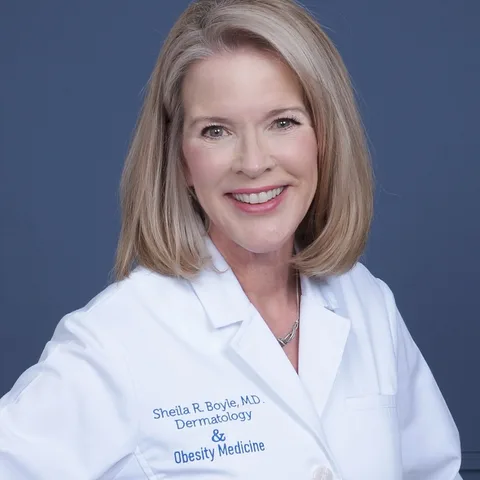
A solo direct-pay practice in Lone Tree whose stated scope is dermatology, cosmetic procedures and medically supervised weight management. The physician is board certified in dermatology and obesity medicine. Every initial visit is by video, with in-person follow-ups by appointment, and the practice does not bill insurance. Hormone replacement therapy is named only as one reason for a new-patient visit on the fee schedule, and no hormone or menopause care is described anywhere else on the site.
RegenCen is a hormone and regenerative medicine group with more than twenty offices across Michigan and Florida, and Amanda is its chief clinical operations officer as well as a treating PA. Care starts with a consultation and a full history, then a lab order, and you come back to go over the results before hormones are started. They use bioidentical estrogen and testosterone in pellet, gel, cream, oral and vaginal forms, and they recheck labs every three to four months. The practice is openly in favor of pellets and describes the insertion as a quick office procedure that lasts about three months for women. Amanda also trains and certifies the group's other clinicians in hormone care, so her name sits behind the protocols as well as the exam room. Alongside hormones the offices do medical weight loss with GLP-1 medicines, hair restoration injections, and device treatments for bladder leakage and vaginal comfort.
Laura Abrignani runs a small cash-pay women's health practice in Santa Barbara focused on perimenopause and menopause. She went through early menopause herself at 43, with symptoms that went undiagnosed for a while before she started hormone therapy, and she says that shapes how she listens to patients. New patients start with a long first visit that goes over health history, symptoms and any recent labs. She prescribes FDA-approved bioidentical and synthetic hormones, and compounded bioidentical hormones when they suit the patient. The practice also treats sexual health concerns such as low libido and painful sex, and offers medical weight management including GLP-1 medications. Every service is offered in person at her office or by telehealth.
Seashore MD is Dr. Smolinsky's solo gynecology office in Little Silver, set up around the perimenopausal and menopausal years. She looks for the root cause of symptoms first and builds a plan from there, and she uses non-hormonal treatment as well as hormones. Hormone therapy comes in several forms, including pills, patches, creams, gels and EvexiPEL bioidentical pellets inserted in the office. She also treats the physical changes that come with menopause, such as bone and muscle loss, painful sex and repeat bladder infections, and she uses an Emsella chair for pelvic floor weakness and leaks. Visits can be virtual or in person, and the office draws its own blood work through an on-site Quest technician and runs ultrasounds twice a month. Dr. Smolinsky was born and raised in Israel and sees patients in Hebrew as well as English.
Kim Bryant is the menopause nurse practitioner at the Center for Menopause, which sits inside Urology of Indiana. She joined the practice in 2026 and sees patients in Carmel, Fishers and Greenwood. The first visit covers a detailed history, a pelvic exam and targeted testing. Because it is a urology practice, bladder leaks, pelvic floor problems and painful sex get extra attention, and in-office options include vaginal laser and the Emsella chair.
Tanya Marcus is the hormone specialist at the Med Lounge, and her listed office is the Encinitas and Rancho Santa Fe location. The Med Lounge is mainly a medical spa, so hormone care sits alongside Botox, skin and body treatments. Her own bio describes a functional and integrative approach that also takes in peptide therapies and metabolic health. Female hormone care starts with a consult and lab work, and the plan may include progesterone and testosterone. New hormone patients fill out an intake form and book online, and the monthly hormone membership covers telemedicine visits as needed. Telehealth for hormone care is described as available where permitted, while the practice's nationwide telehealth is for weight loss only.
Midlife Medicine is Dr. Todd's solo direct care practice in Great Falls, for women in perimenopause and menopause. She spent two decades in pediatrics, including years as an associate professor at Children's National, and left that work in 2025 after her own experience as a patient in midlife. Care starts with a 60 minute consultation, a follow-up eight weeks later is required if you start hormone therapy, and established patients come back once a year after that. Between visits they message her directly through the patient portal. She uses FDA-approved hormones such as estradiol and progesterone, and avoids pellets and compounded products unless there is a medical reason. She also asks patients to keep their own primary care doctor and OB-GYN for routine screening and urgent problems, because this is a consultative menopause practice rather than a replacement for either.
Zuli Direct Care is a two physician direct primary care practice in Mishawaka that serves South Bend and the surrounding area. Members pay a monthly fee that covers unlimited visits, and they can reach their own doctor by phone, text or email. Dr. Bajuyo is a family physician who is also certified by the Menopause Society, and the practice lists menopause, perimenopause and other hormonal concerns among the things it treats. The practice writes that most physicians were never taught about menopause and hormone therapy, and it points to both of its doctors being trained in it. Visits happen in the office or by video or phone, and labs and many common medications are handled in house. Dr. Bajuyo's patient panel is full, so a new patient joins her wait list or enrolls with the other physician.
Lotus Center for Women is a Chattanooga practice run by women nurse practitioners that focuses on women over 40. Lauren Barlew owns the practice. The team treats perimenopause and menopause along with sexual health problems like low desire, painful sex, vulvodynia and interstitial cystitis. Hormone therapy is offered, and there are non-hormonal options for women who can't or don't want to take hormones. Well-woman exams are only for patients already being seen for midlife care, never at the first visit. Lauren herself currently sees only established patients, and new patients are booked with the other nurse practitioners.
FemGevity is a virtual women's health service that works alongside a patient's own doctor, and Dr. Abrahams is its menopause medical advisor. He sees patients himself by video, starting with a 45 minute consult about symptoms and hormone levels. Care starts with testing, usually a hormone panel of more than 100 biomarkers, with gut, micronutrient or genomic panels added when they are useful. Treatment can run from standard prescriptions to custom bioidentical compounds, and he describes his approach as conventional medicine combined with complementary care. He is a Harvard-trained gynecologist who also treats endometriosis, PMS and fibroids, and he still works part time for the Department of Veterans Affairs in New York and at Hackensack University Hospital in New Jersey. FemGevity's main menopause program runs through partner doctors' offices, where the blood draw is done, so it helps to have a doctor of your own.
Vida Family Medicine is a small direct-care practice in Sugar Land, and Dr. Kumar is the internist there who handles midlife and menopause care. Her perimenopause evaluation runs over two visits, a 60 to 90 minute history and physical with labs ordered, then a results review where she sets a plan that can mix hormone and non-hormone treatment. She wants the first visit in person because she does a physical assessment including a pelvic exam, and after that visits can be by video, with messaging in between through the practice's Spruce app. She will also come to your home for a new patient visit in some Houston neighborhoods for an extra fee. She came to this from hospital and ICU work and primary care at the VA, and she says plainly that she makes no money from selling medications or supplements, so she sticks to proven treatments and steers people away from quick fixes sold by non-experts. She asks patients to plan on six months to a year of working together, and the practice cannot take anyone eligible for Medicare or Medicaid.
Dr. Sungurlu is a gynecologist who serves as a woman's main doctor, covering primary care and gynecology in one office in San Luis Obispo. The practice runs as an MDVIP concierge membership with a small patient panel, same or next-day appointments, and phone access to her after hours and on weekends. Membership includes a yearly women's health workup with heart risk testing, bone health and hormone testing, and screening for depression and anxiety. She puts a lot of weight on prevention and talks with patients about sleep, exercise, hormonal health and cutting back medications where it is safe. You see her at every visit rather than a nurse practitioner or physician assistant. She has practiced in San Luis Obispo for over a decade and offers telehealth visits when you can't come in.
Jennifer Nelson is one of more than twenty primary care providers at Herself Health, a Minnesota group built for women in midlife and later life. She sees patients at the Crystal clinic and gives her focus as women's health and the care of older adults. For women under 65 the practice runs on a paid membership that buys longer visits and support for menopause and perimenopause, including help with hot flashes, sleep and mood. Women on Medicare get the same care without the membership fee. First visits are a full hour, and virtual visits are available for new and returning patients. Nelson chose nursing because of a nurse practitioner she saw when she was young, and her page says she wants patients in a calm setting where they feel seen and free of judgment.
Jennifer Rissman is a naturopathic doctor at Marin Natural Medicine Clinic, a clinic that pairs naturopathic doctors with Chinese medicine. She worked as a corporate attorney before changing careers into medicine. Hormone therapy for perimenopause and menopause is one of her main areas, along with sexual function concerns, painful or irregular periods, metabolic health and digestive problems. The first visit runs 60 to 90 minutes and includes a full history, a physical exam and functional lab testing. Return visits start every one to three months and space out as things settle. The clinic is out of network with every insurer, so you pay at the visit and can send the invoice to your own plan.
Heather Newman is a family nurse practitioner who handles hormone care at Revivall Holistic Health, a functional medicine practice in Celina that also sees patients by video anywhere in Texas. Before the first visit you finish intake forms and a lab panel, so the hour goes to walking through your results and building a plan. She prescribes bioidentical hormones as patches, creams, capsules or injections, and the practice says most women end up on compounded progesterone or testosterone. Pellets are a big part of the practice, which was the first EvexiPEL pellet provider in the Prosper and Celina area. She checks hormones with blood tests and explains on the site why she doesn't rely on urine or saliva testing. There is no membership, and patients pay per visit with follow-ups usually every three to six months.
Dr. Maiella runs a naturopathic clinic in Brattleboro, and much of her work is Lyme disease, tick-borne illness and complex chronic disease. For perimenopause and menopause she prescribes bioidentical estrogen, progesterone and testosterone after screening each patient's personal and family history. She writes that for perimenopausal women she generally prefers bioidentical hormones over birth control pills because the dose can be adjusted as the body changes. Hormones are never the only tool, and she says her women's clinic is not an anti-aging practice built on high-dose hormones. First visits run 60 to 75 minutes, and she also keeps bees and offers bee venom therapy.
Skin Clique has no clinics, so Alison drives to her patients. She sees women at home or at their workplace around Lexington, Columbia and Chapin, and brings the same equipment she would use in an exam room. Hormone care sits alongside her injectable and skincare work, and her page says every service is delivered by her personally. The hormone route starts with an online questionnaire that reaches her before the first visit, then labs, then a monthly plan she adjusts as symptoms and results come in. Prescriptions are built from progesterone and estrogen, given as a daily cream or a patch, and the practice says it generally prefers patches and creams over pills for safety. Nobody is charged until she has met the patient and agreed that hormone therapy is the right fit.