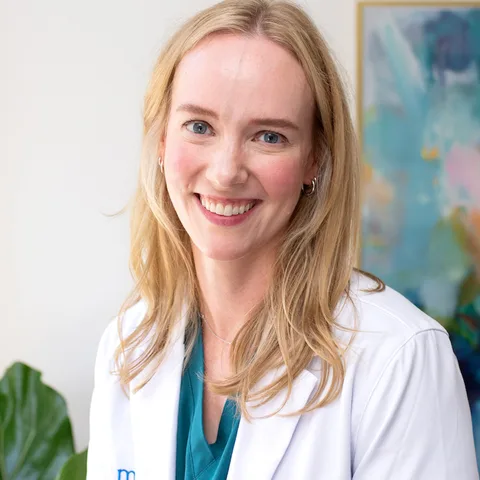
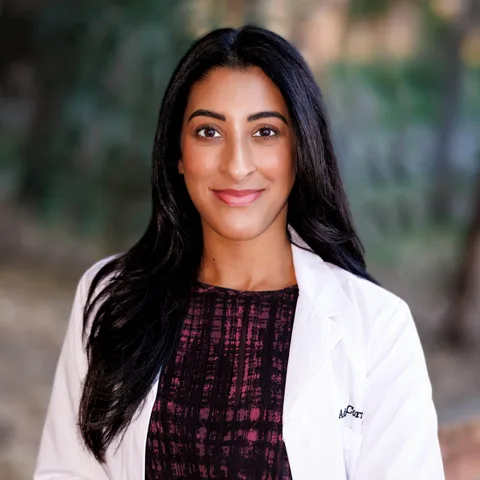
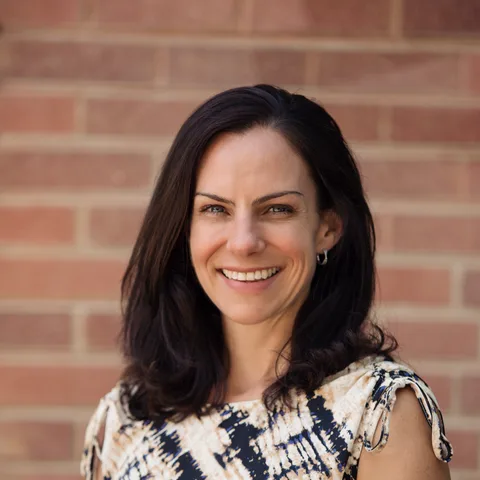
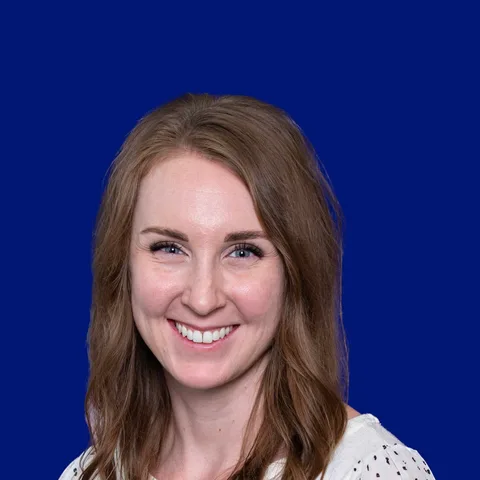
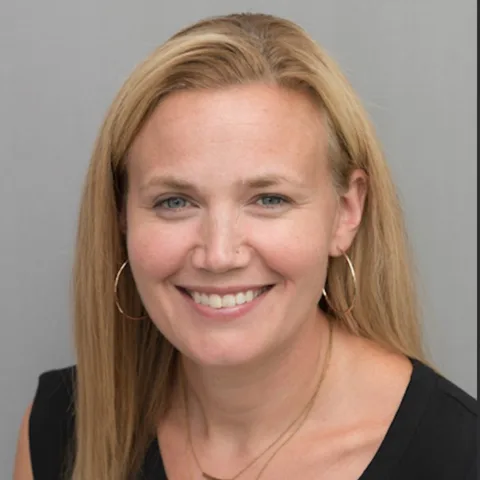
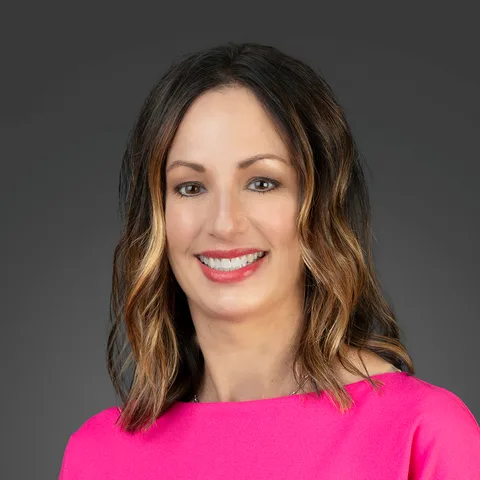
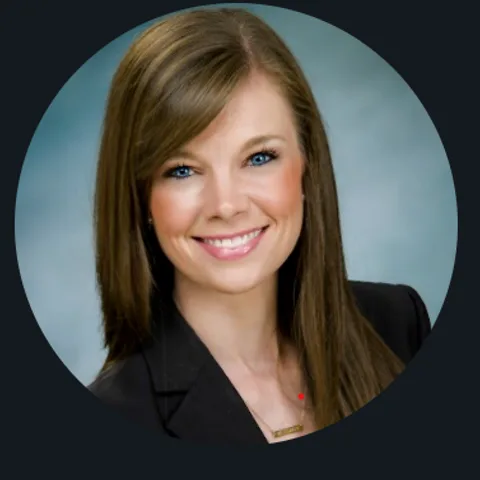
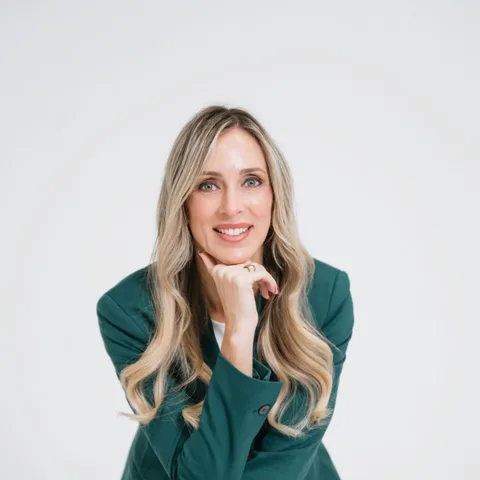
A solo practice founded by Erin Glassman, PA-C, for women through perimenopause and menopause, with a clinical background in urology and particular focus on genitourinary symptoms, recurrent urinary tract infections and overactive bladder. Care starts with an intake form and lab work completed at an outside lab, then a 60-minute in-person consultation built around those results and a hormone plan. The first visit is always in person, and follow-ups can be in the office or virtual. A free 15-minute discovery call is available first, and the practice operates under a managed service agreement with a supervising physician.
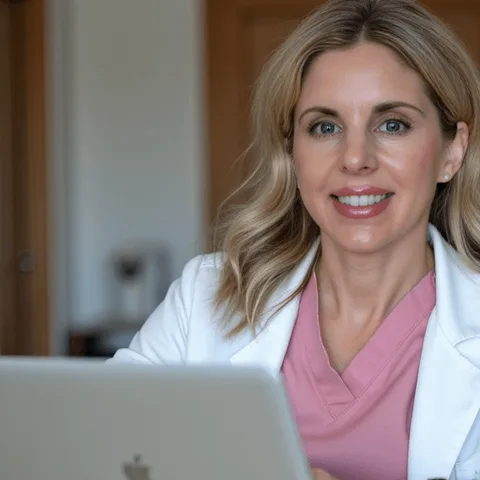
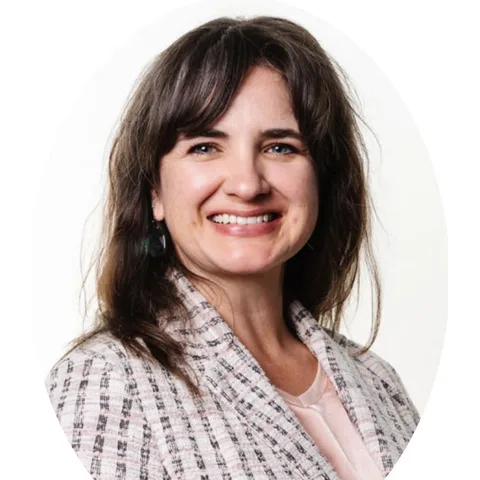
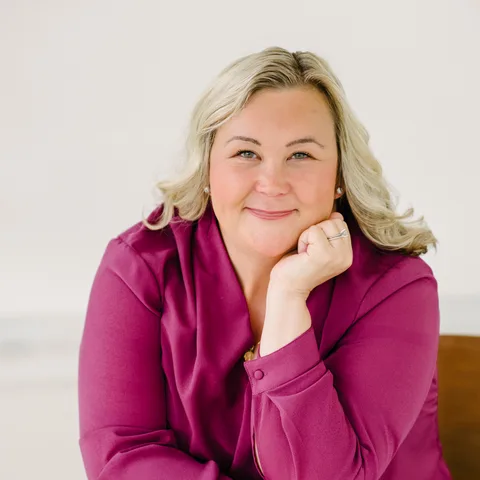
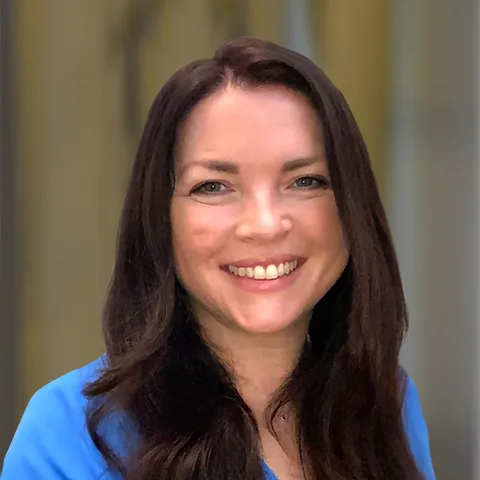
Krystal Algier is a nurse practitioner with a small self-pay practice in Easton that offers hormone and weight care alongside aesthetic skin treatments. Women usually start with a short one-on-one clarity session. If more care makes sense, she moves on to a full hormone evaluation with a history review, lab work and a written plan. She sees patients in person in Easton and by telehealth in Maryland, Delaware and Florida.
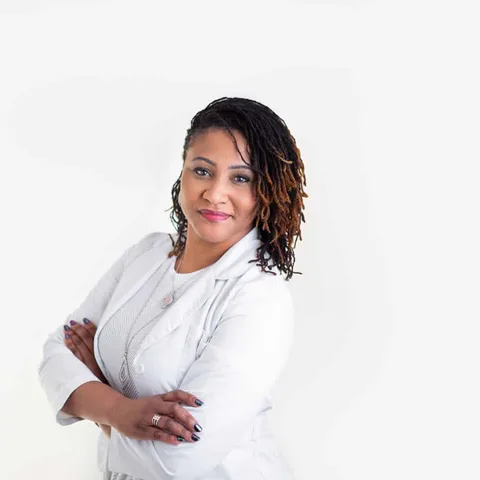
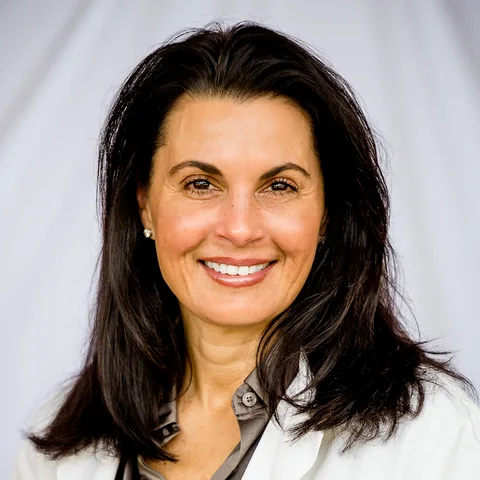
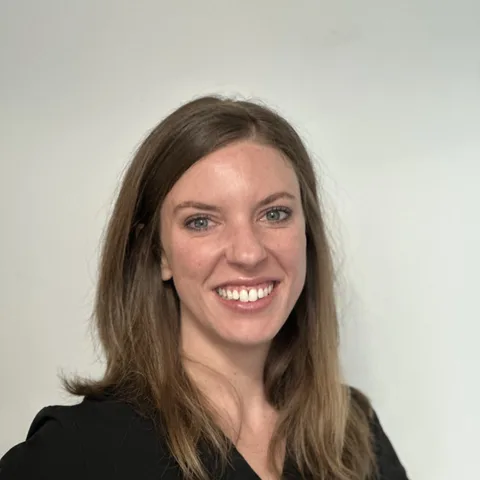
A nurse-practitioner-owned primary care and wellness practice in Fairfax, founded in 2012, with a second nurse practitioner and a small clinical team. Hormone care is aimed at midlife women from perimenopause through menopause and begins with testing, in-office blood work plus saliva or urine panels, before a plan that may combine nutrition, lifestyle work, herbal remedies, bioidentical topicals or hormone pellets. It sits inside a full primary care and women's health practice covering gynecological exams, contraception, urinary incontinence, thyroid disease and medical weight management, with visits in person or by video.
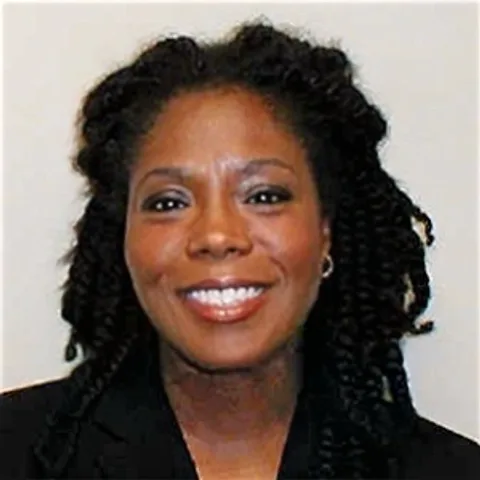
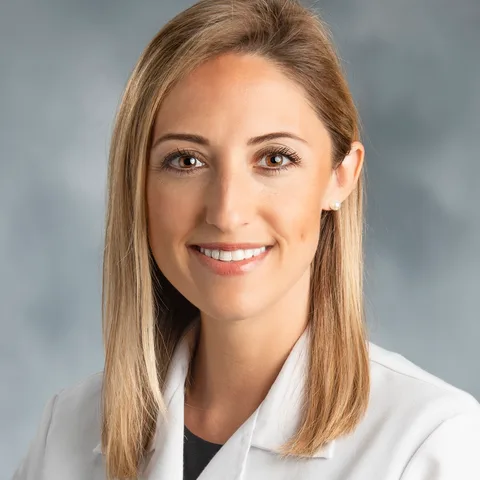
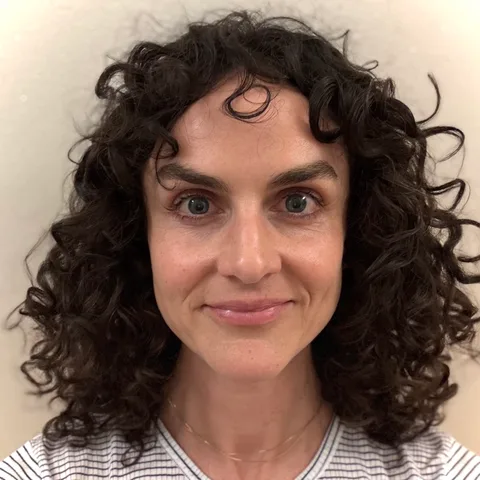
Dr. Sweeney is a gynecologist at Piedmont OB-GYN, a group practice of women's doctors on Collier Road near Piedmont Atlanta Hospital. She lists menopause care and sexual wellness among her main interests, along with fibroids and minimally invasive surgery. She spent years with Kaiser Permanente Georgia before joining this practice. The practice offers hormone therapy by vaginal, oral or skin routes and schedules regular follow-up visits to check how treatment is working. Care is in the office, and the practice bills insurance for visits.
Dr. Correa is an internist who runs a small membership primary care practice in Newport Beach, capped at about 100 patients. Menopause care is part of her ongoing primary care rather than a separate program, and she is also board certified in obesity medicine and has prescribed GLP-1 medicines since 2018. Before starting her own practice in 2023 she helped build the midlife women's health program at Hoag. Visits usually run 30 to 60 minutes, members reach her directly, and she will visit patients admitted to Hoag hospitals. The practice takes new members only about half of each year, so a new patient may have to wait for the next opening. People who are not members can book a single long consult with a follow-up by video or in person.
Hot Springs National Park, AR · In person & virtual
Self-pay · from $150/mo
Dr. Rice is a general and trauma surgeon who started this separate practice for women in perimenopause and menopause. She prescribes bioidentical hormones and also coaches patients on lifestyle. New patients start with a long first consultation, in person in Hot Springs or by video, and then have follow-up visits. Patients can message her through an app portal, and she runs a monthly group video call.
A two-doctor naturopathic concierge practice with a Beverly Hills office, working virtually or in person and treating perimenopausal and menopausal women alongside gastrointestinal, longevity and body composition patients. Care is an ongoing membership. It starts with an hour-long intake and custom lab work, then a follow-up where the plan is built, and you can message her directly between visits. The menopausal hormone therapy program is ongoing care bundling prescriptions, follow-ups and repeat hormone labs. The founder is also a certified trainer and nutrition graduate who writes patients' strength, cardio and diet programming as part of the membership.
Dr. Antonelli is a gynecologist who has practiced in Wilmington since 1995 and opened this small office practice in 2014. She does office gynecology only and refers out when surgery is needed. Menopause care is one of the practice's main interests. She prescribes both standard and compounded hormone therapy as well as newer non-hormonal medication. Sexual health is her other big focus, and she writes openly about low libido in women. A nurse practitioner also sees patients, and new patients start by filling in an intake packet before the first office visit.
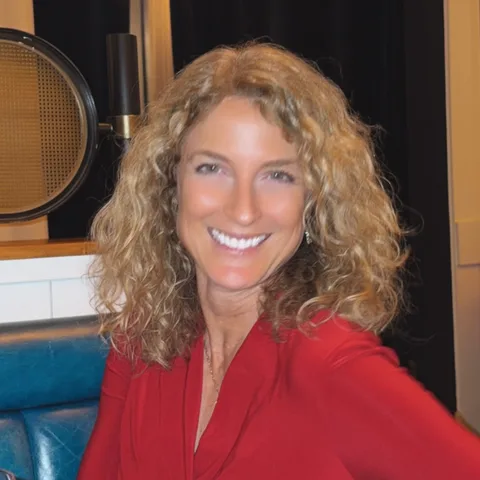
Colleen Grady is a nurse practitioner and chief of operations at Rocky Mountain Regenerative Medicine, a Boulder longevity and regenerative-medicine clinic, where she works clinically with women in perimenopause and menopause and is one of two providers running Thrive, the practice's women's hormone program. Thrive is deliberately narrow. The practice states it focuses only on female hormone health and is not primary care or a whole-body health-optimization plan, and it runs pay-as-you-go rather than on the clinic's annual memberships. Care begins with a full lab panel and a 90-minute lab-review visit that produces a written therapy plan, with follow-ups in person or by telemedicine and a free online education series. Hormone protocols are lab-guided and use bioidentical estrogen, progesterone and testosterone in both FDA-approved and compounded formulations.
A solo internal medicine physician treating perimenopause and menopause for women in Wisconsin, seeing patients aged 64 and under. Care is delivered entirely by video, and patients must be in Wisconsin at the time of the visit though residency is not required. Intake forms and history are completed online beforehand, and visits end with prescriptions sent to the patient's usual pharmacy and lab orders where appropriate. The practice complements existing primary and specialty care rather than replacing it, and prescribes only FDA-approved hormone therapy rather than compounded preparations or pellets.
Dr. Robertson runs a solo practice focused only on perimenopause, menopause and other midlife concerns. She does not provide routine primary care. Care is a membership she calls a wellness year, built on longer visits and an ongoing relationship so hormone balance and sexual health can be adjusted over time. She says not every woman needs hormone therapy, but every woman deserves a thoughtful conversation about it. Gynecologic exams are done in the office, though Pap smears are only done for patients who have no primary care provider or gynecologist. She opened the practice after her own midlife symptoms were dismissed as just part of getting older.
Dr. Rimar is an internist who founded The Mighty Midlife, a small concierge practice focused on perimenopause and menopause. She prescribes hormone therapy using bioidentical or synthetic hormones, or a mix of both. She also offers longer wellness consultations with optional lab work that cover nutrition, supplements and mental health alongside hormones. Visits can be in person or by telehealth. Her site speaks directly to women who just feel not like themselves even without classic hot flashes. There is no online booking, so new patients start by emailing or calling the practice.
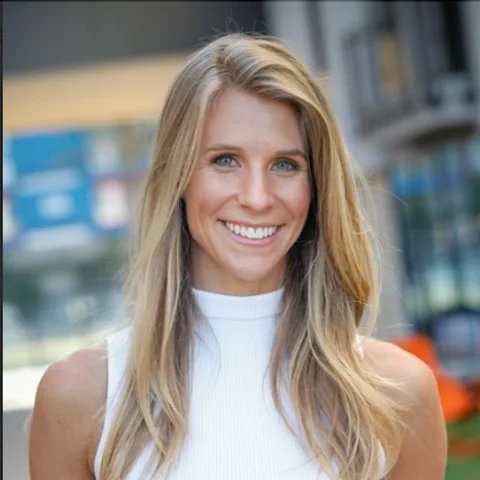
Advanced Gynecology of Reno is a small two provider gynecology office on the south side of Reno. Kyla Sweeney handles the general gynecology side of the practice, including well woman visits, birth control and menopausal symptoms, and she sees women from adolescence onward. She works alongside a fellowship trained minimally invasive gynecologic surgeon, so a patient who turns out to need surgery for fibroids or endometriosis stays in the same office. For menopause the practice sticks to FDA approved treatment and says hormone therapy is decided case by case after a personal evaluation, with non hormonal options offered too. Nothing on the site mentions compounded hormones or pellets. Kyla is a Reno native who trained at Duke and teaches Pilates and barre classes built around pelvic floor strength.
Emily Friesen Burkholder is a women's health nurse practitioner at Penn State Health Obstetrics and Gynecology on Bernville Road in Reading. The office is a hospital-based group with OB/GYNs, nurse midwives and a urogynecologist, and it covers women from puberty through pregnancy and into the years after menopause. Penn State Health's Berks women's care page lists menopause and perimenopause care among its gynecology services and says the team helps with hot flashes and night sweats, trouble sleeping, mood changes, bone density loss and urinary incontinence. On her own page she says she aims to give patients a safe place to ask questions, and she counts menopause among the life stages she likes to support them through. She started her nursing career at the Hospital of the University of Pennsylvania caring for leukemia and lymphoma patients, then moved to the labor and delivery unit there. Visits are billed to insurance and appointments are made by calling the office, and the site does not say which menopause treatments she uses.
Dr. Hertel runs a virtual-only practice focused on perimenopause, menopause and midlife care, with every visit held inside a secure patient portal. She is a family physician going through the menopause transition herself, and says that experience is what drew her to this work. She prescribes FDA-approved hormone therapy sent to your local pharmacy and does not use estrogen or testosterone pellets. The practice also offers medication-supported weight care and help with low libido and painful sex. It does not do Pap smears, pelvic exams or primary care, so you keep your own doctor and gynecologist for screenings. New patients start with a free 15-minute discovery call, and people outside her licensed states can book an educational visit that ends with a written plan but no prescriptions.
Dr. Sullivan is a board-certified gynecologist at Associates in Womens Health, a large OB-GYN group in west Omaha. She cares for women at every stage of life, from young women and childbirth through menopause and beyond. Menopause care is offered in person at the office, with both hormonal and non-hormonal prescription options depending on your symptoms and history. She also delivers babies and does minimally invasive gynecologic surgery, having performed over 200 robotic-assisted hysterectomies. The practice does bone density testing and osteoporosis treatment in house. Appointments are made by phone, and the patient portal is for established patients.
Dr. Meinhardt is a board-certified OB-GYN at a long-running Lewisville group practice, and menopause and hormone therapy are named focuses of her own work. She joined the practice in 2024 after finishing active duty in the Air Force, and she grew up in nearby Garland. Her bio says she builds treatment plans around each patient's lifestyle. She also treats urinary incontinence and pelvic pain, which often come up alongside menopause. New patients can book a hormone consult online at either the Lewisville or Flower Mound office. Visits are in person.
Optiml is a new practice in Winter Park run by Amber Braithwaite, a nurse practitioner, and it opens in December 2026. It will offer hormone therapy, metabolic care and what it calls healthspan medicine, aimed at people who were told their labs were normal but still don't feel right. Until it opens, the only way in is a waitlist form on its website, and the practice says it will contact people as places open up. Its full website, including prices and details of how care works, is not live yet.
Dr. O'Sullivan is a family physician who runs a video-only menopause practice for women in Oregon and Washington. Care comes as a six-month program with a 60-minute first visit and four 30-minute follow-ups, paid monthly, with no extra charge for messaging. After that you can add another six months or come back once a year, and anyone on testosterone must have a video visit and labs every six months. She mostly prescribes FDA-approved hormones and uses compounded ones only for a medical reason. She sees many breast cancer survivors and will work with their oncology team. You still need your own primary care doctor or gynecologist, and she also co-hosts the menopause podcast The Dusty Muffins.
Lindsay Lyall is the only clinician at this small aesthetics and wellness practice in Jefferson. Alongside cosmetic treatments she prescribes menopause hormone therapy as patches, gels, pills, vaginal products or pellets, and also treats thyroid problems and offers medical weight loss. Hormone care starts with a paid consultation that includes labs, followed by visits every 12 weeks or pellet insertions about every four months.
Dr. Bernard is a family doctor in New Milford with extra fellowship training in reproductive health. Menopause care and hormone therapy are a named part of her practice, alongside sexual health and caring for patients with complicated medical histories. Before medical school she worked in contraceptive research. She sees patients at the Northwell primary care office and at the Women's Wellness Center at New Milford Hospital, both on Elm Street. She grew up in the town and speaks Spanish as well as English. Appointments are made by calling the office.
A solo nurse practitioner practice in Tampa combining primary care with midlife hormone care, run by an autonomous nurse practitioner who is a Menopause Society Certified Practitioner. First visits and annual wellness visits run about an hour and follow-ups about half an hour, offered both in the office and by telehealth, with hormone plans guided by symptoms, labs and history. The practice also handles chronic conditions, basic in-house lab testing and peptide therapy.
Dr. Otteno is an OB-GYN whose practice is mostly cosmetic and restorative gynecology, and hormone therapy is one part of it. She trained in female genital cosmetic surgery with Dr. Michael Goodman. For menopause care she starts with an hour-long in-person hormone consult, then writes a plan that can use pills, patches, gels or creams. Bioidentical hormones are one of the options she discusses. Regular follow-up visits are used to check how treatment is going and adjust the dose. Women who are not good candidates for hormones get other options and lifestyle advice instead.
Angela Jones handles menopause and hormone care at Phase II Center for Women's Health, a gynecology and pelvic health clinic in Millcreek run by an all-female team. The clinic does no obstetrics, so appointments are not bumped for deliveries. Before moving into women's health she worked in emergency medicine and critical care. She prescribes both bioidentical and conventional hormone therapy, offers non-hormonal options, and keeps an eye on bone and heart health after menopause. She also covers routine gynecology like annual exams and contraception, and a gynecologic surgeon in the same office sees bladder and prolapse problems. The clinic bills insurance, and visits are booked by phone.